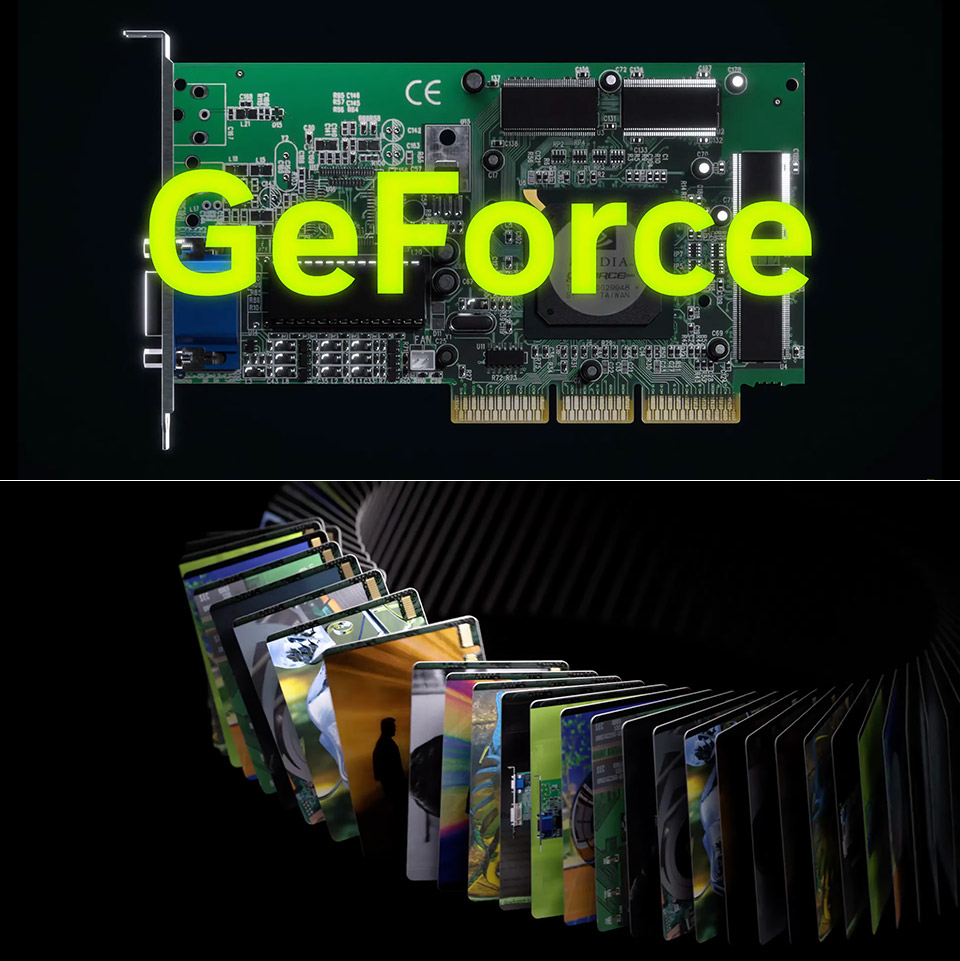
NVIDIA turned its graphics card legacy into a series of physical GeForce trading cards that celebrate the moments and hardware that defined PC gaming for millions. Fourteen designs make up the first collection. They span from the company’s earliest multimedia processors to standout GPUs and the tech demos that pushed boundaries in real time.

Jensen Huang has relied on one outfit for more than a decade when he steps in front of crowds. The black leather jacket, dark shirt, and jeans combination became his regular choice for product launches, developer conferences, and announcements that shaped NVIDIA’s path.

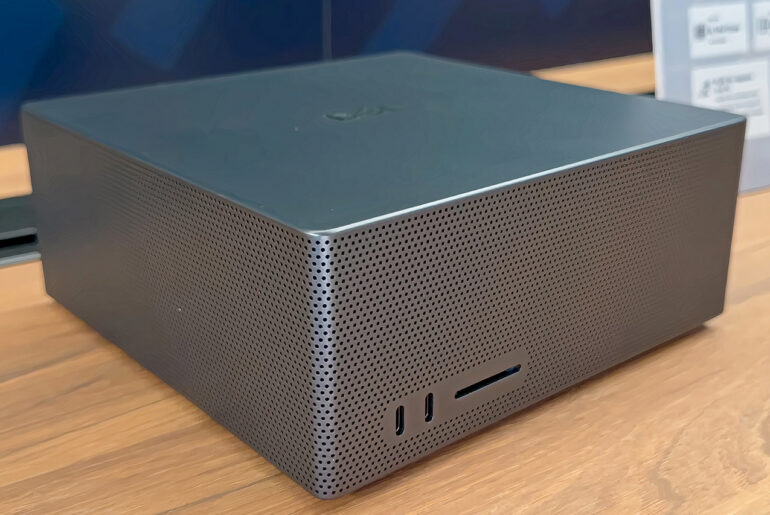
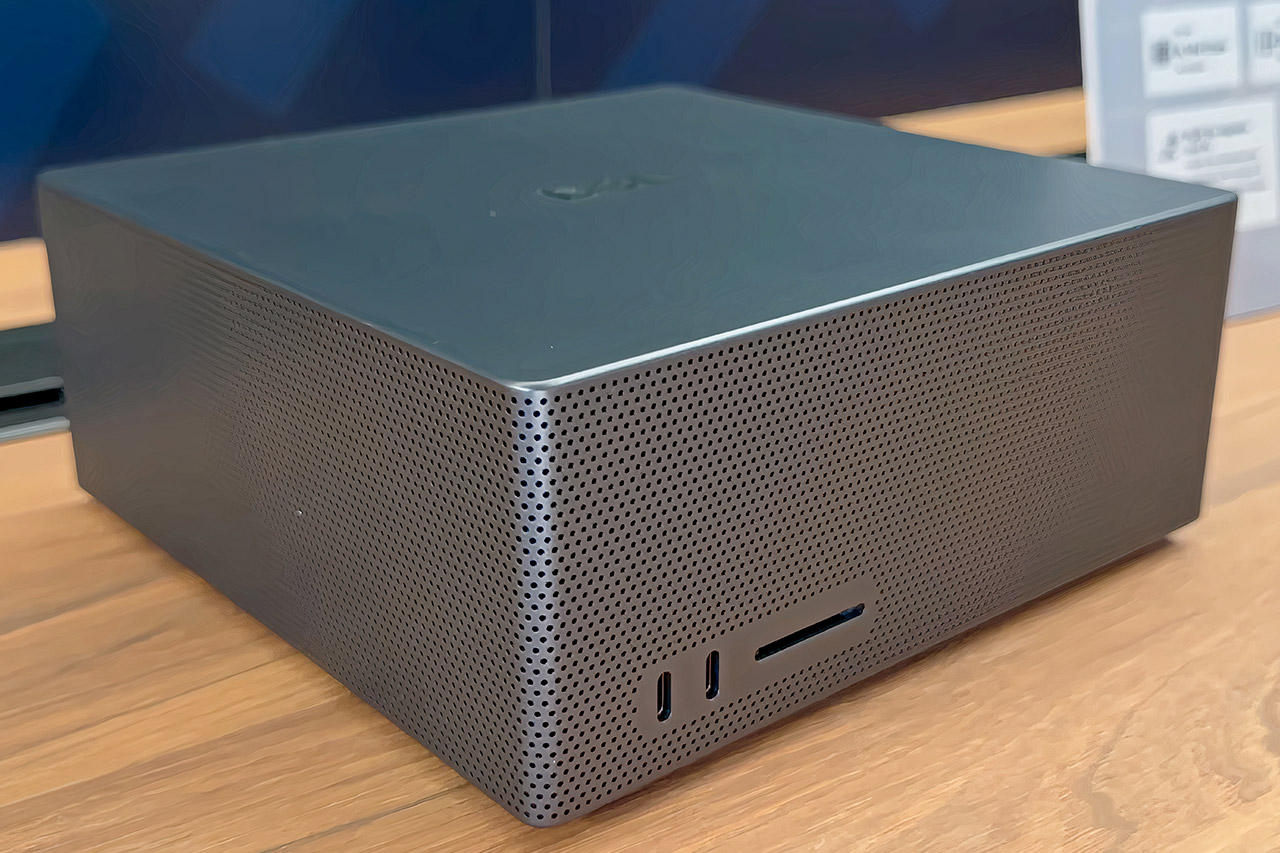
Dell has shaped its XPS line into new territory with a mini PC that brings together NVIDIA RTX Spark technology and a chassis styled after the Mac Studio. The result sits in a space between traditional towers and ultra-compact devices, offering desktop performance in a package that fits easily alongside a display or on a shelf. A dark gray finish covers the boxy form, with ventilation slots running along the sides to keep temperatures in check during extended work sessions. A removable lid on the underside opens access to the internal storage drive, allowing straightforward upgrades without special tools or disassembly of the whole unit.

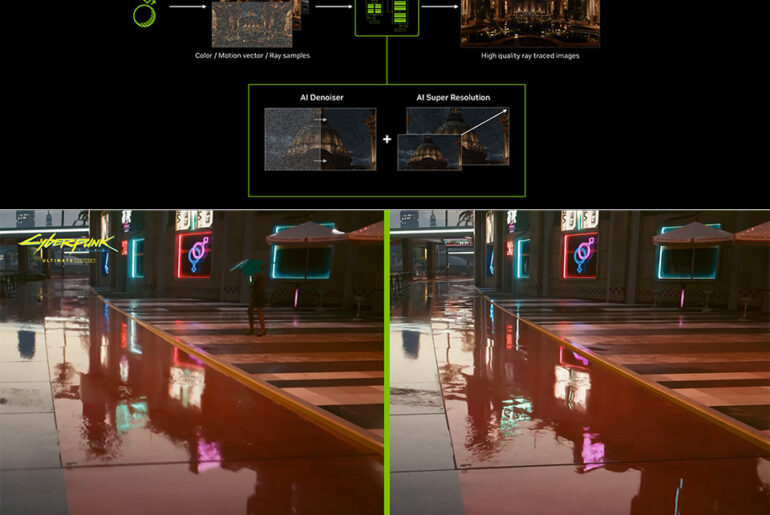
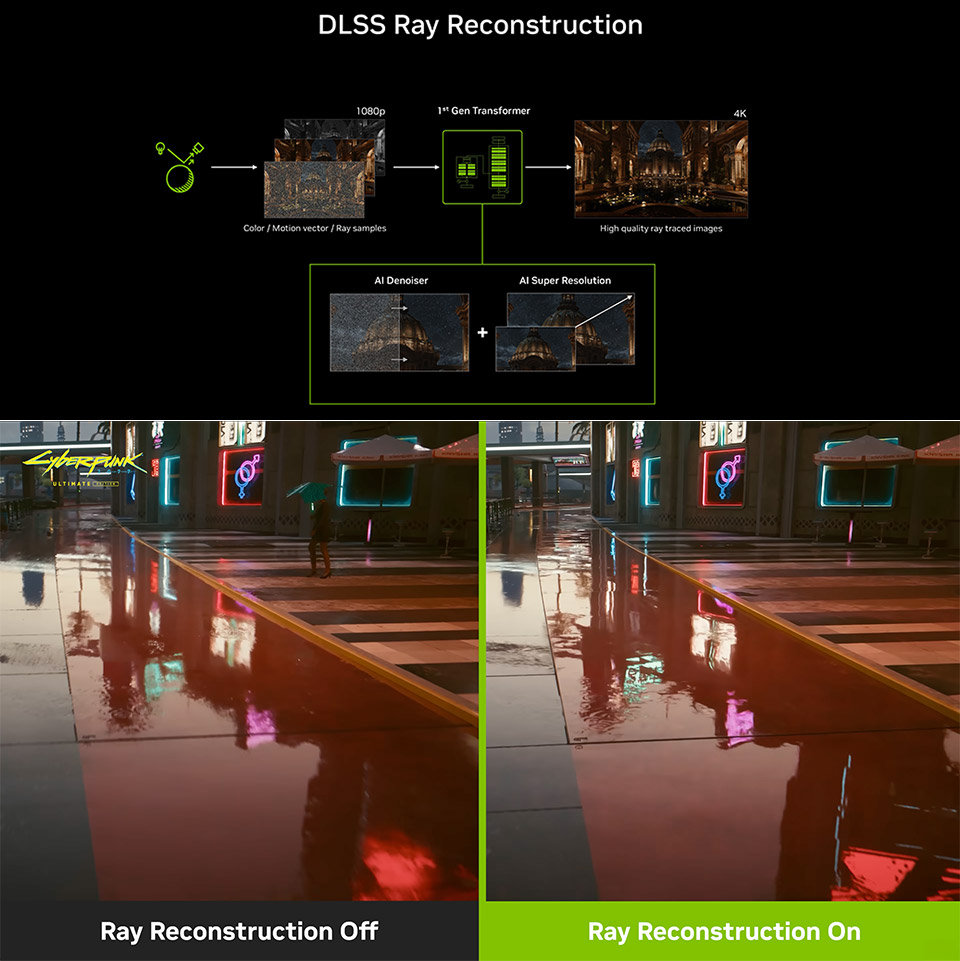
Players chasing realistic lighting and reflections in games often run into the same frustrations. Ray tracing looks impressive in theory because it simulates how light actually bounces around a scene. In practice, engines fire fewer rays than ideal to protect frame rates, which leaves behind grainy noise that older cleanup tools struggle to fix without blurring details or creating odd trails behind moving objects. NVIDIA addressed those issues with a new version of its Ray Reconstruction feature inside the DLSS family. The update relies on a second generation transformer model trained on far more data than before. It processes 20 percent more parameters and handles 35 percent more computations internally, yet it keeps performance roughly in line with the previous release.

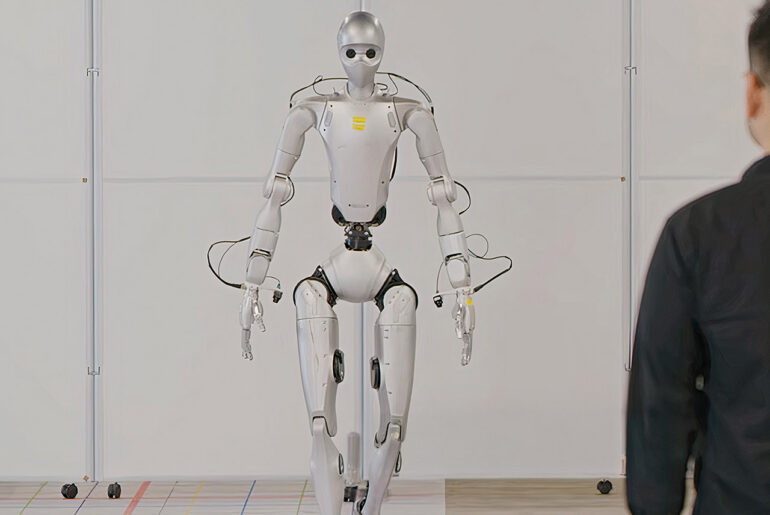
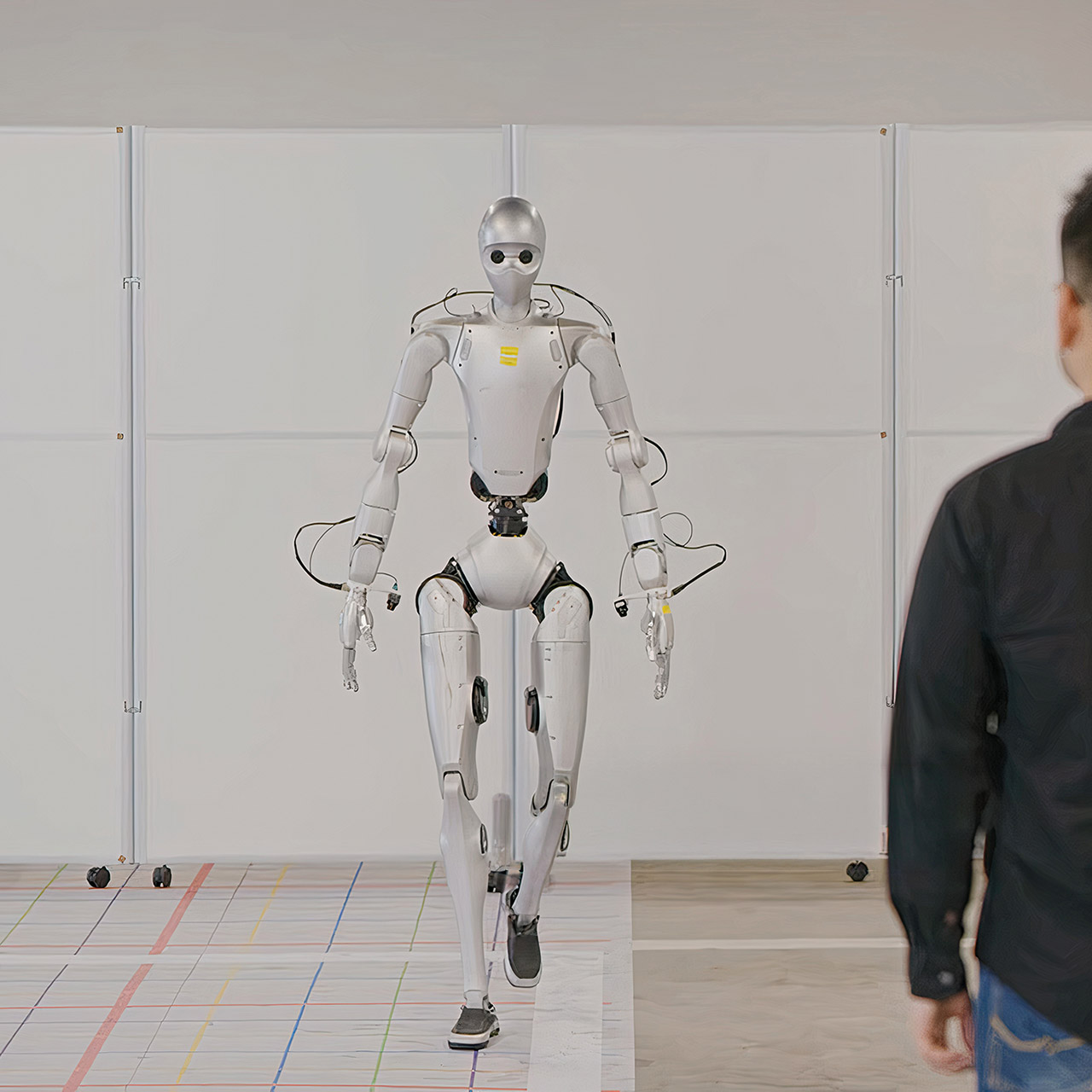
Jensen Huang introduced the new reference design during NVIDIA’s GTC event in Taipei on May 31. The package combines a full humanoid body, onboard computing hardware, and a complete set of software tools under the Isaac GR00T name. Research groups now receive one integrated starting point instead of piecing together separate parts from different suppliers.

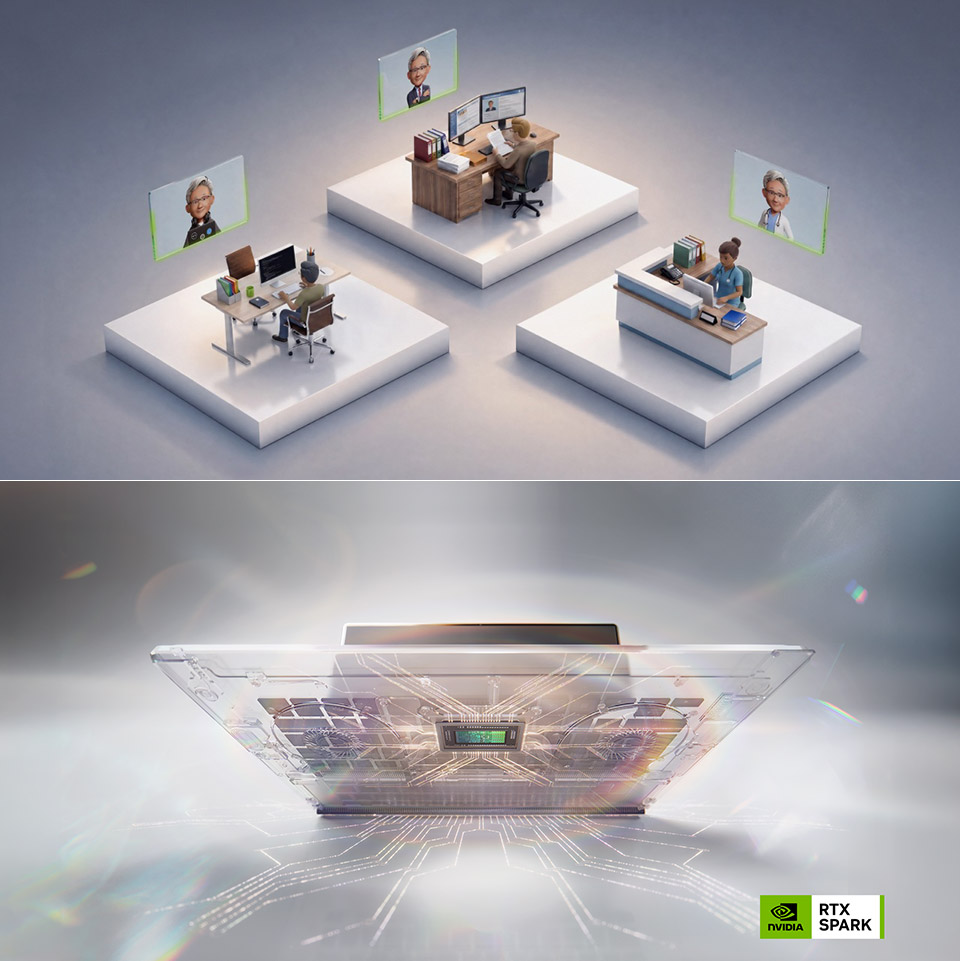
During his keynote at GTC Taipei, NVIDIA chief Jensen Huang laid out a clear shift. People will soon treat their computers less like tools that wait for commands and more like capable partners that can take on real work when asked. RTX Spark sits at the center of that change. The new processor marks NVIDIA’s first complete silicon solution built specifically for Windows PCs. It combines a powerful graphics engine with an efficient central processor in one tightly linked package. This setup brings the full range of NVIDIA’s software tools directly to laptops and small desktops without requiring a separate graphics card.

Quantum computers have the ability to solve some extremely tough problems that are virtually impossible for regular computers to crack. There is one catch: those incredibly sensitive quantum bits known as qubits can be thrown out of sync by the smallest disturbance, forcing researchers to spend an eternity modifying hardware and correcting errors on the fly. That has all changed with NVIDIA’s recent announcement, which includes a set of open AI models that anybody may download and adapt.

NVIDIA dropped a significant announcement at GTC 2026, and DLSS 5 is already changing the way games look on screen. Developers get a straightforward set of controls to work with, including the ability to dial in how strongly the effect is applied, make color balance adjustments, and designate specific areas of the image to be left untouched

NVIDIA engineers built the Vera CPU on 88 unique cores they dubbed Olympus. These cores are based on Arm v9.2 technology, with NVIDIA-specific modifications. Instead of dividing everything across numerous smaller chips, they’ve put it all on a single piece of silicon, reducing signal delays caused by needing to transport data across multiple dies.

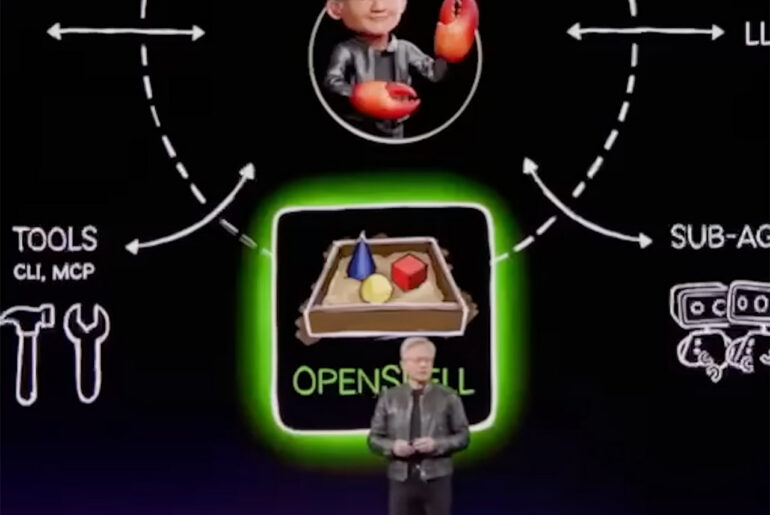
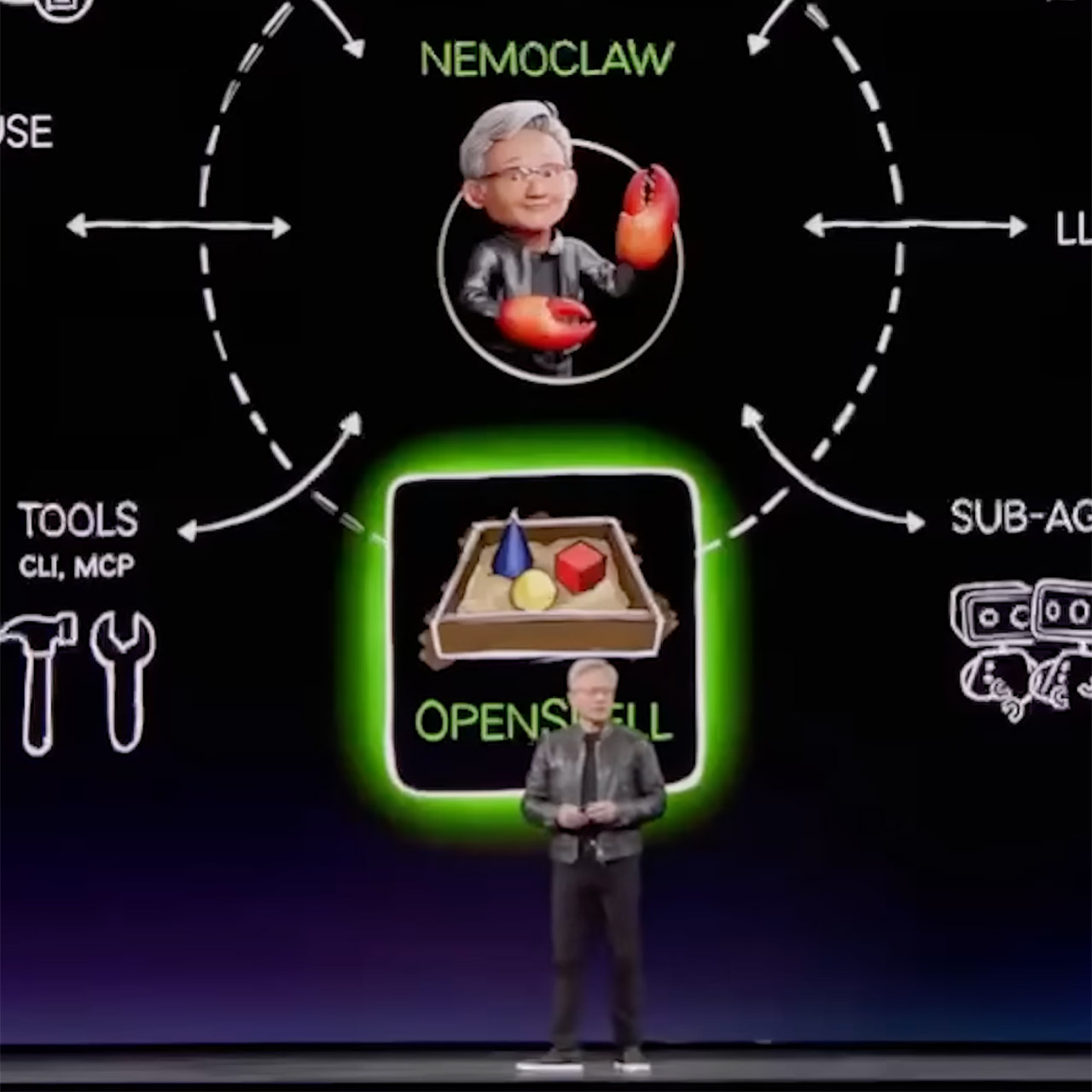
OpenClaw took the tech industry by surprise earlier this year when an Austrian engineer created the first version in roughly an hour. This small project swept through the community like wildfire as the most open-source endeavor on record, allowing anyone to set up a personal AI agent to operate directly on their own PC and accomplish tasks like organizing files or pounding out code without sending any data off to who knows where. At GTC, NVIDIA introduced NemoClaw, a software add-on for OpenClaw that can be installed with a single command. This new layer includes the security features and privacy controls that transform these agents from fun little experiments to useful business solutions.