Forum regulars who had sold and played the GP32 and GP2X decided those machines left too much on the table, so Craig Rothwell, Fatih Kilic, Michael Mrozek (known as EvilDragon), and Michael Weston started sketching a successor, called Pandora, that mixed a proper Linux desktop with real game controls. Dave Cancilier shaped the clamshell case and keymat.
Pre-orders opened on September 30, 2008, while the first units reached buyers on May 21, 2010 after years of missed dates, frozen bank accounts, LCD shortages, and a Texas board house that delivered oxidized, high-failure PCBs. Production later moved to Germany, RAM jumped from 256 MB to 512 MB on later batches, and the UK company eventually folded while the German one kept assembling units. Roughly 7,500 machines left the line before a Wi-Fi chip shortage ended the run.

- ALL GAMES, ALL PLACES, ALL YOURS – Get ready to game on the 8" 120Hz Lenovo PureSight display and launch any title using Legion Space. The AMD Ryzen...
- SEE EVERY DETAIL – Make every scene pop with 500 nits of stunning brightness and 100% sRGB color accuracy. And with 10-point touch support, your...
- PLAY YOUR WAY – Play hundreds of high-quality PC games with your complimentary 3 months of PC Game Pass and EA Play. With new games added all the...
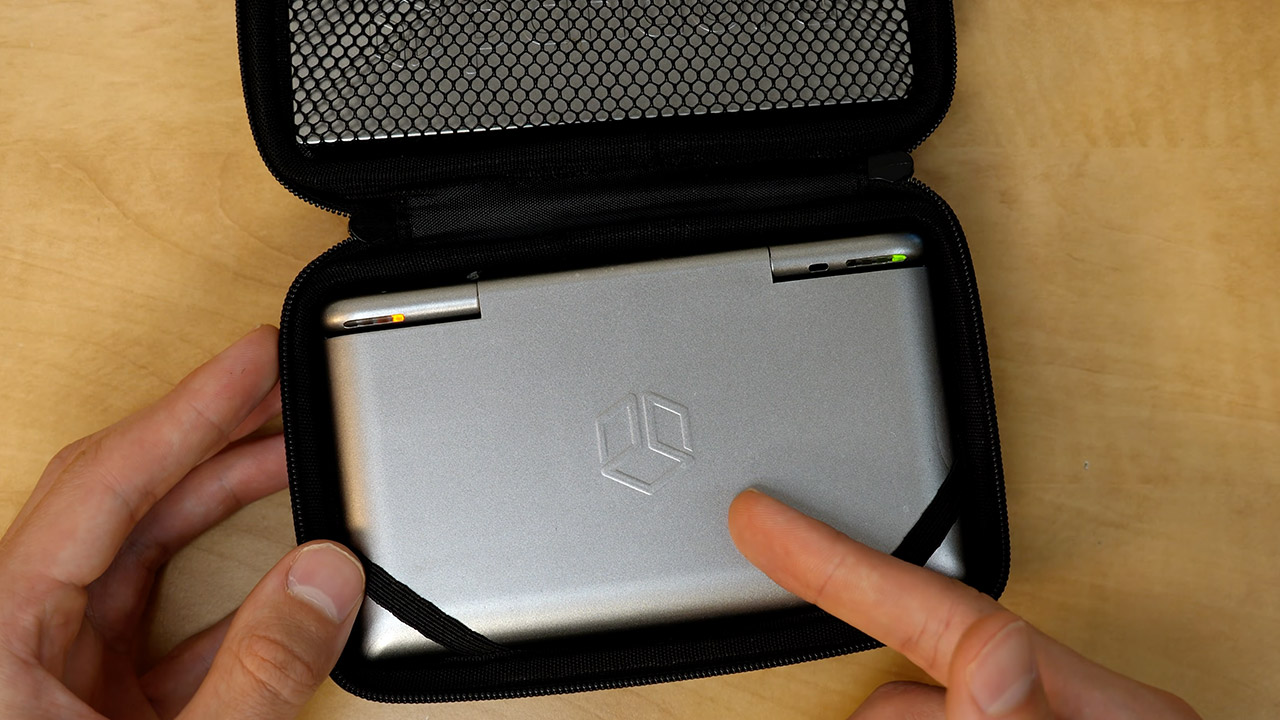
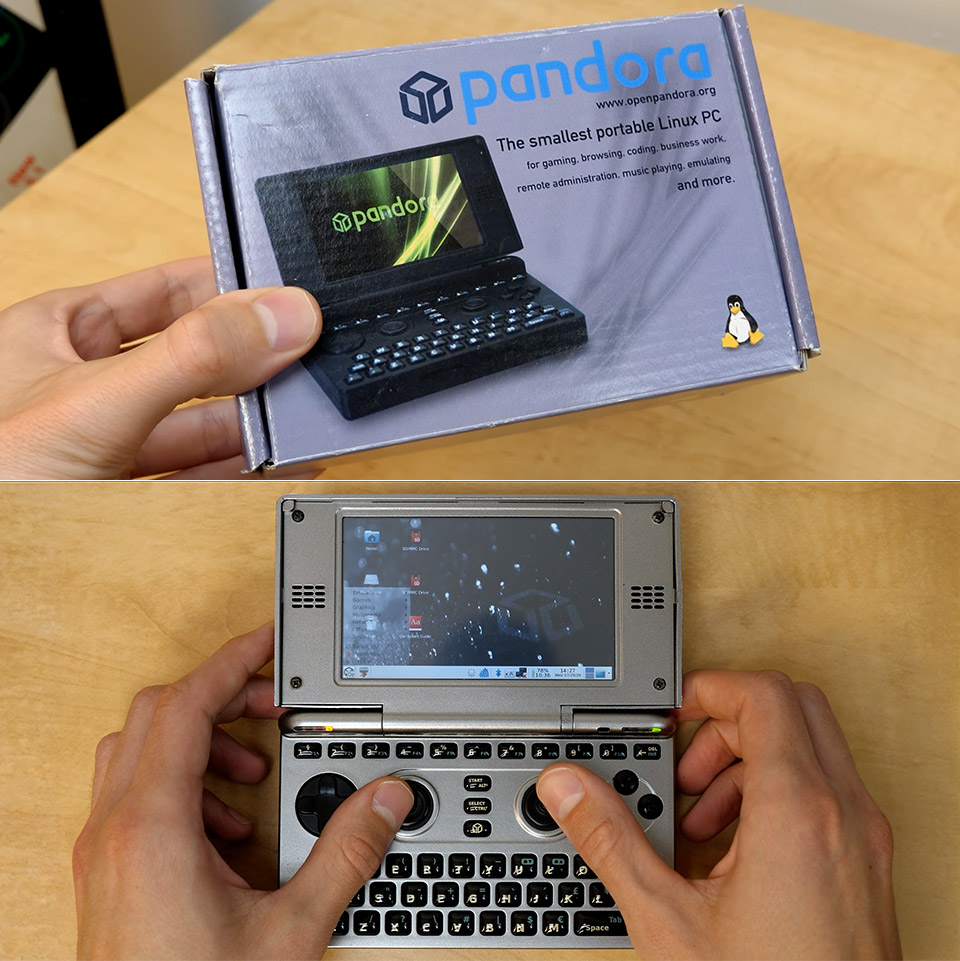
A clamshell measuring approximately 140mm x 83mm x 28mm and weighing slightly more than 320 grams, which is a relatively compact size, opens to reveal a 4.3 inch 800 by 480 resistive touchscreen that handles the sun well and with little smearing. The dual concave sticks are located above a D-pad that rolls smoothly, four face buttons, and shoulder triggers. The lowest half of the unit features a 43-key QWERTY and number row, making it ideal for typing without the need to couple anything. Two SD card slots accept large capacity cards, a full-size USB connector powers peripherals, an OTG port charges the device, and composite and S-Video outputs allow you to connect to a TV. Wi-Fi 802.11b/g and Bluetooth 2.0 handle the rest. A 4200 Mah battery pack will provide you with 10 hours of mixed use, including gaming, video, and surfing, and even longer if you put it into suspend mode.
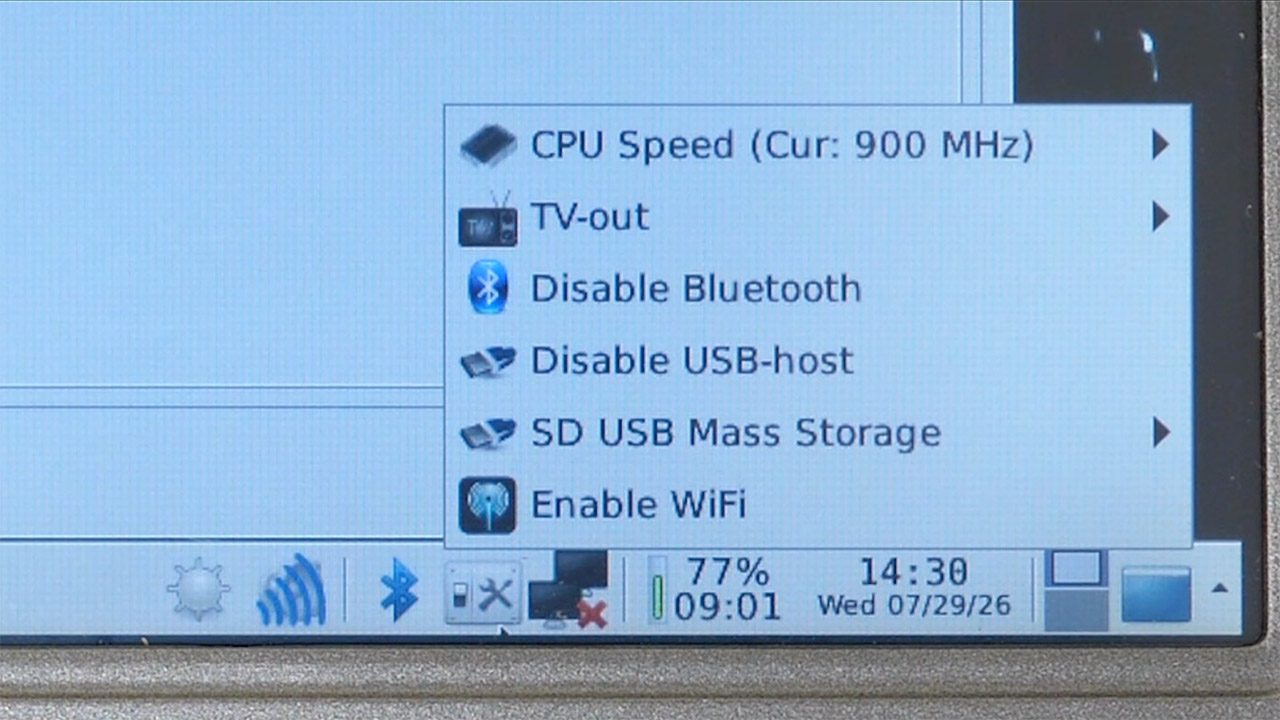
Texas Instruments OMAP3530 silicon, subsequently DM3730 on these 1GHz variants, integrates a 600 Mhz cortex A8, a 430 Mhz C64x+ DSP, and a PowerVR SGX530 GPU into a single package. Official specifications stated the clock speeds at 600 Mhz and 110 Mhz, although several users were able to increase them slightly. Internally, it has 512 MB of NAND to work with. Ångström Linux with XFCE desktop provides a netbook-like experience, including a file manager, terminal, browser, and LibreOffice-style utilities. The package system, known as PND, allows you to easily put software onto SD cards. Some people took risks and installed alternative Linux distributions or even Android Gingerbread. SuperZaxxon firmware was released in 2012 and quickly became the preferred everyday driver for many people.
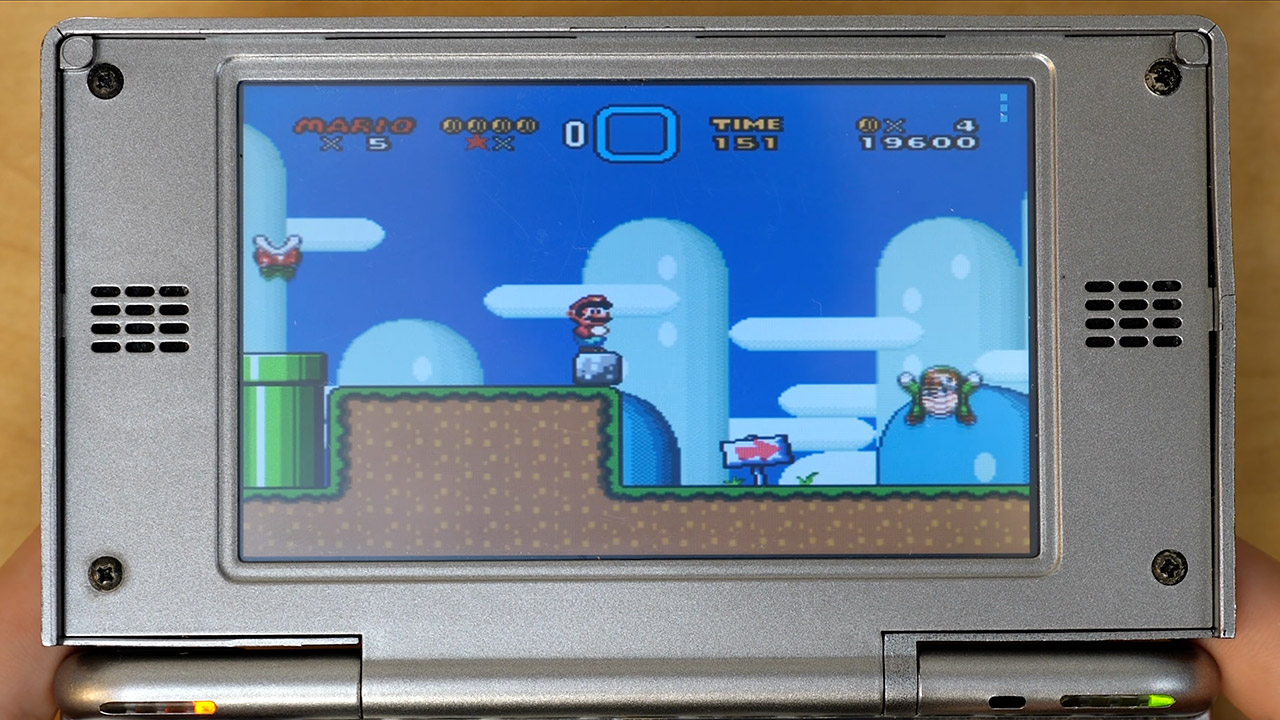
Emulation is where Pandora’s users got the most out of the hardware, and the community stepped in to help. SNES, Mega Drive (including the CD and 32X), NES, Neo Geo, Amiga (several UAE variations), C64, DOSBox, ScummVM, and even PS1 titles usually work well; PCSX-ReARMed provides some good frame rates on many disks. The N64 is a bit more hit-or-miss, with some games being completely playable and others being a little laggy. You also have some native ports, such as Quake III Arena, which runs rather nicely on the twin sticks, as well as a slew of homebrew and even some older PC games that have been recompiled to work on Pandora. The same machine can function as a low-power Linux desktop on a desk or as a pocket computer during a long train travel. The subsequent 1GHz machines, which included 512 MB of RAM and a better GPU, simply made everything run more smoothly.
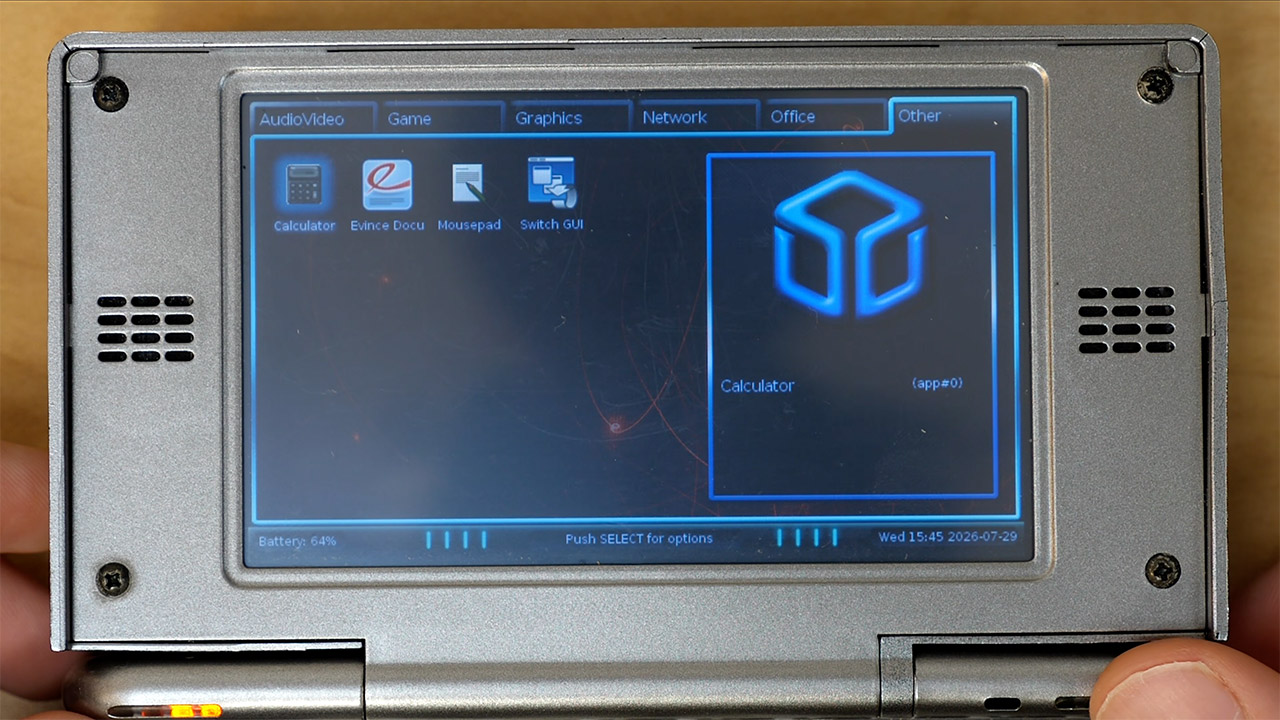
Community boards, a huge wiki, and two software repositories kept the community busy building new PNDs until the hardware was no longer manufactured. In 2014, the Pandora schematics and case data were made available for noncommercial use. Not long after, a spiritual successor, the DragonBox Pyra, was released and is still available in the world. Even today, Pandora owners can be found at estate auctions, and the device still works, although most of the time, these units are viewed as finished items rather than experimental prototypes. When you throw in a real keyboard, analog sticks, a bright 800 by 480 screen, ten hours on the battery, and a completely unmodified Linux desktop on a device smaller than most netbooks in 2010, you’d think no major company would bother, but that’s exactly what a few people got.
[Source]