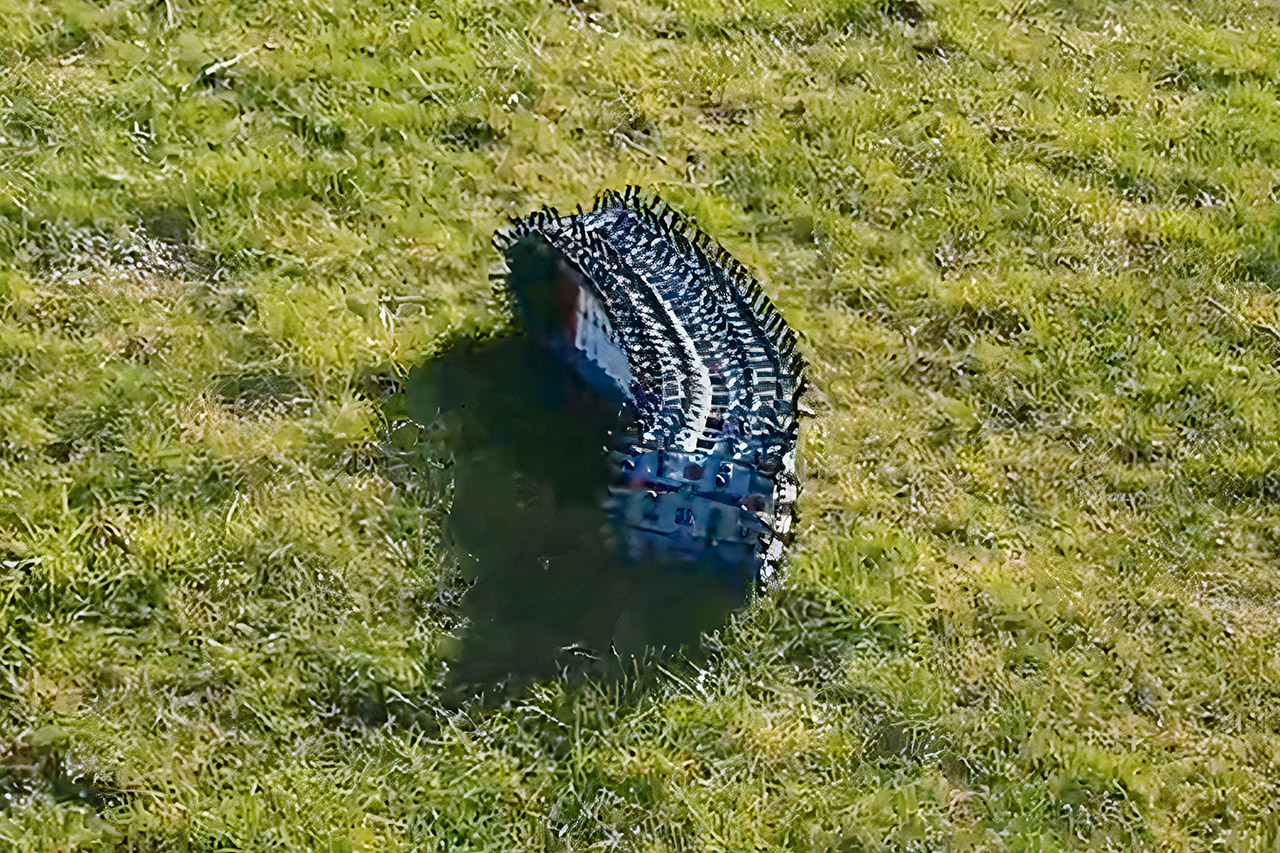
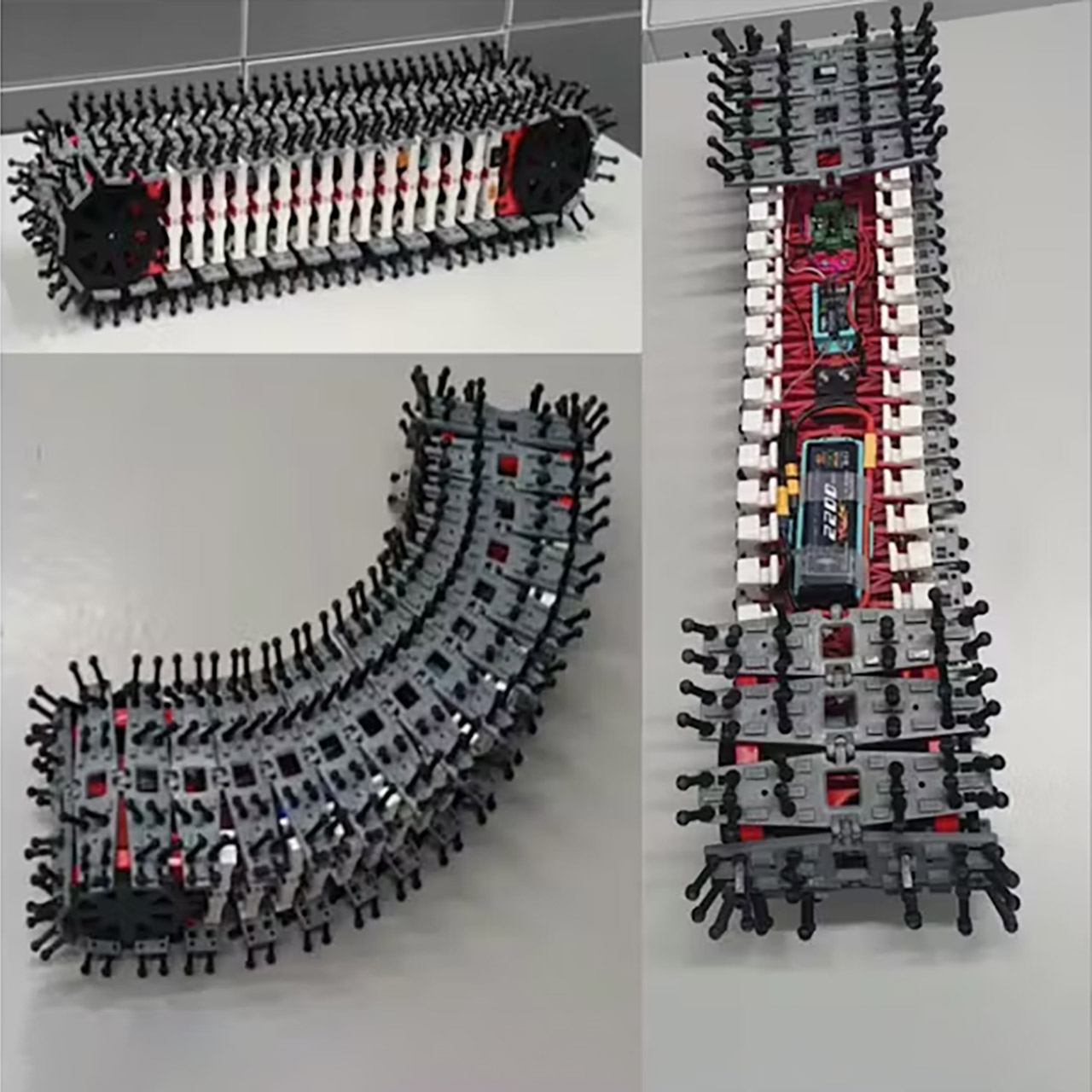
Researchers at the University of Genoa have developed a crawling robot that travels on a single long piece with several spines connected. The Porcospino Flex robot is 670mm long, 165mm wide, and 145mm tall, weighing in at only 3.6kg. When designing this machine, the engineers were inspired by nature, notably the segmented bodies of millipedes and the spines utilized by porcupines. This resulted in a robot that can inspect tight pipes and debris-filled areas.
The robot’s spine is made up of a single long piece of flexible thermoplastic polyurethane that has been 3D printed in one piece. This piece of kit is 440mm long and features a lattice pattern inside to help reduce weight and conserve materials. The frame also contains fifteen small grooves that allow the robot to bend to the left or right by up to 120 degrees without the use of any additional motors. This means that if the robot hits something, it can just absorb the force without being directed what to do.

- BUILD, CODE & DRIVE YOUR OWN ROBOT CAR: Turn coding, electronics and engineering into a working programmable robot car you can assemble, program and...
- EXPLORE FPV, LINE TRACKING & OBSTACLE AVOIDANCE: Control the robot with the ELEGOO app or IR remote, view live FPV video through the onboard camera...
- BEGINNER-FRIENDLY BUILD WITH GUIDED WIRING: Keyed XH2.54 connectors help reduce wiring mistakes, while the illustrated tutorial and example programs...
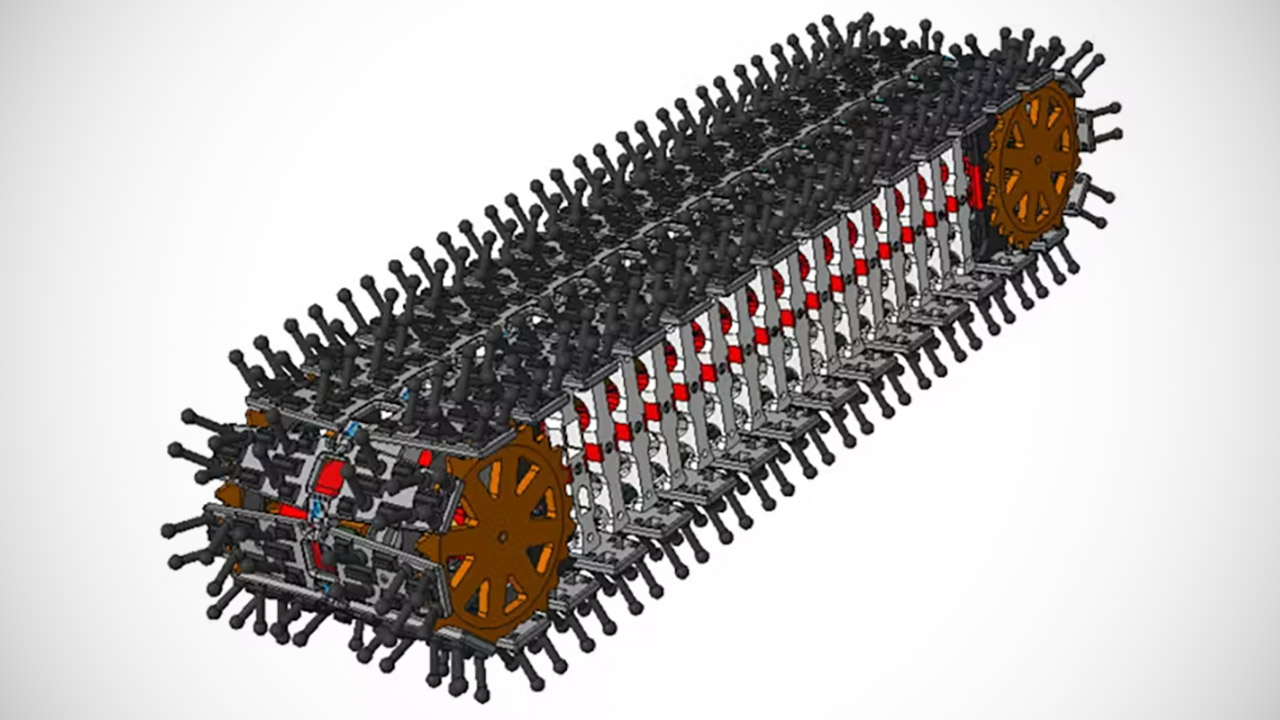
Its other end components, which are printed in a more stronger material, store the motors, batteries, drivers, and a Raspberry Pi 4 computer that allows the robot to be operated. There are four gearmotors in total: two for moving the robot along the track and two for pulling ropes through the spine to bend it left or right.
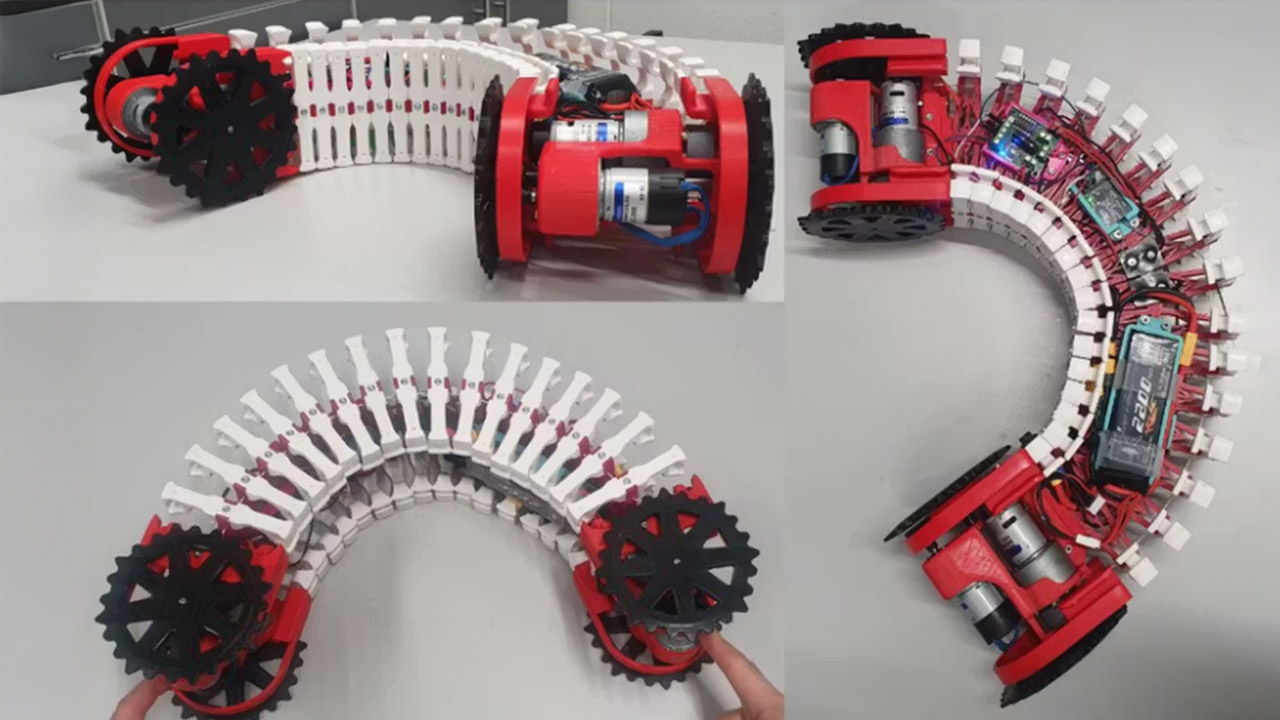
The track’s broad spines enable the robot to grasp soft dirt, grass, or obstacle edges. What’s impressive is how well it performs in tests, climbing 70mm steps one after the other and even dealing with the odd bump on an asphalt pavement. The robot can even hoist itself over ledges, thanks to its spines, which provide a tight hold. At the end of each portion, cameras provide a view into small spaces, and the image changes a few times per second as the robot proceeds at a speed of about 0.1 meters per second.
Compared to the previous Porcospino model, this new version is slightly lighter, reducing 600 grams by using a single piece lattice column rather than a slew of sections bolted together. During motion, the power drain lowers by around 15% to 1.83 watts, allowing the robot to run for an extended period of time on the same batteries.
[Source]