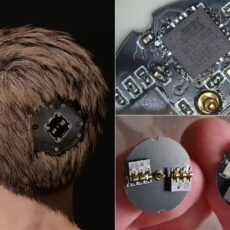
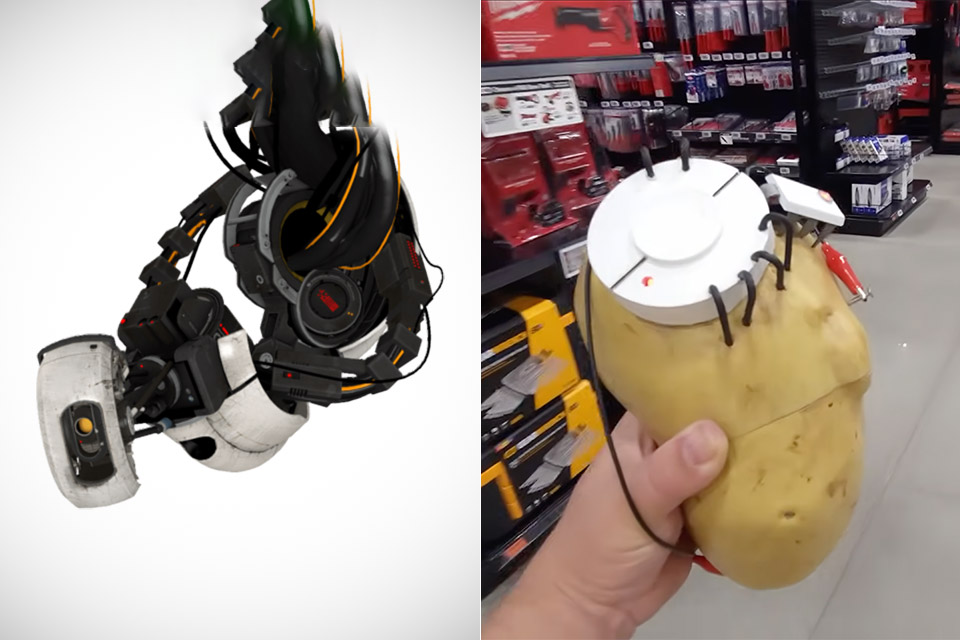
In the world of video games, few characters stick with you like GLaDOS, the snarky AI from Valve’s Portal series. Her sharp-tongued sarcasm and sneaky jabs made her a legend, but it’s her weirdly iconic potato-powered version in Portal 2 that’s sparked a totally bonkers DIY project. Robotics whiz Dave Niewinski took this quirky bit of gaming history and turned it into a real-life AI assistant—yep, stuffed inside a 3D-printed potato.
Niewinski’s mission was clear: bring the potato-trapped GLaDOS from Portal 2 to life, complete with her biting wit, without burning a hole in your wallet. Forget the game’s made-up potato battery that somehow runs a supercomputer—Niewinski went with an Nvidia Jetson Orin Nano as the heart of the project. This compact single-board computer is beefy enough to handle AI tasks offline, keeping things practical and private. The Jetson’s not as cheap as a real spud, but it’s small, powerful, and perfect for a project that’s all about big results on a budget.

- Includes Raspberry Pi 5 with 2.4Ghz 64-bit quad-core CPU (8GB RAM)
- Includes 128GB Micro SD Card pre-loaded with 64-bit Raspberry Pi OS, USB MicroSD Card Reader
- CanaKit Turbine Black Case for the Raspberry Pi 5
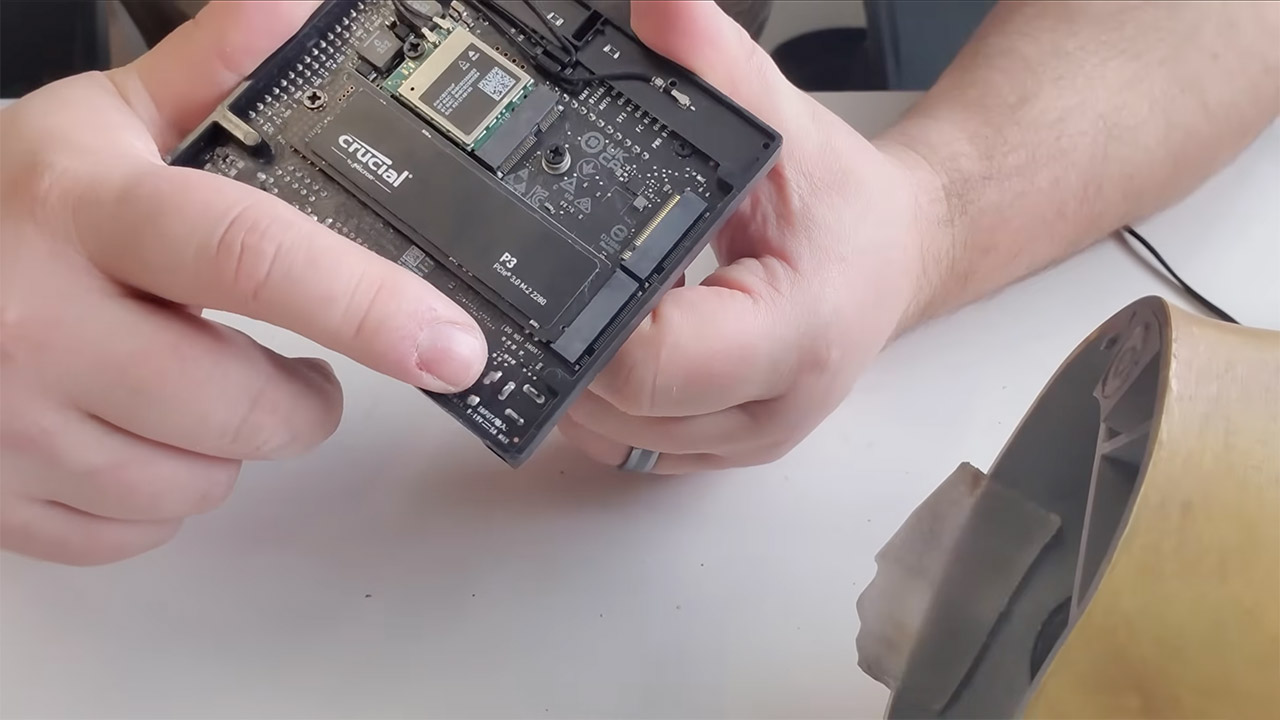
The potato itself is a DIY masterpiece. Niewinski grabbed a 3D model of the Portal 2 potato from Thingiverse, a goldmine for makers looking to bring game stuff into reality. Printed with care, this fake spud holds the Jetson and its wiring, complete with clips and cables to nail that Portal 2 vibe. A real potato would’ve been cool but would rot and wreck the tech, so the 3D-printed version is tough and practical. It even rocks a glowing yellow eye, mimicking GLaDOS’s creepy stare, thanks to LEDs that pulse along with her voice.
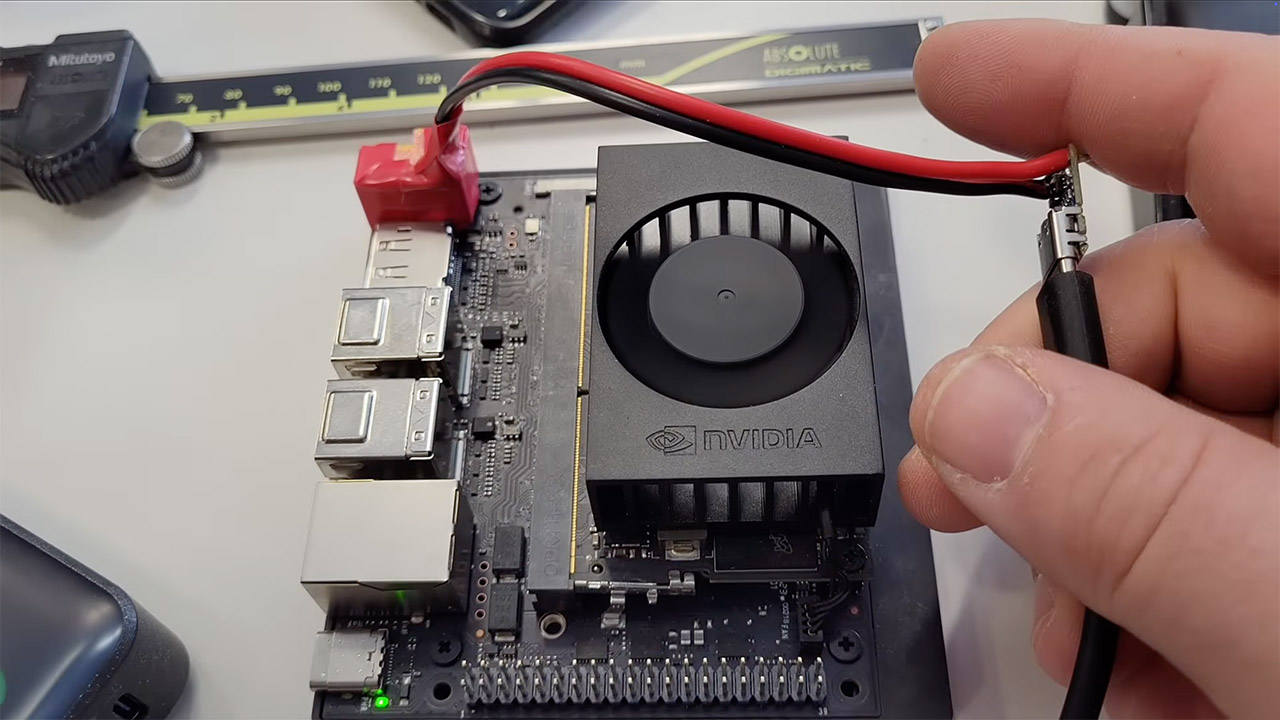
The real magic happens in the AI software, where Niewinski’s genius takes center stage. He used NVIDIA’s NeMo toolkit to tweak a voice model based on GLaDOS’s iconic lines, which Valve kindly shared online. The FastPitch and HiFiGAN networks, fine-tuned for the Jetson, turn text into that eerie, familiar GLaDOS voice. For responses, Niewinski tapped OpenChat, a local large language model running in a Docker container. This lets the potato dish out snarky, on-point replies without needing the internet. The result? A pocket-sized gadget that snaps back with GLaDOS’s signature sass, all powered by a humble board.
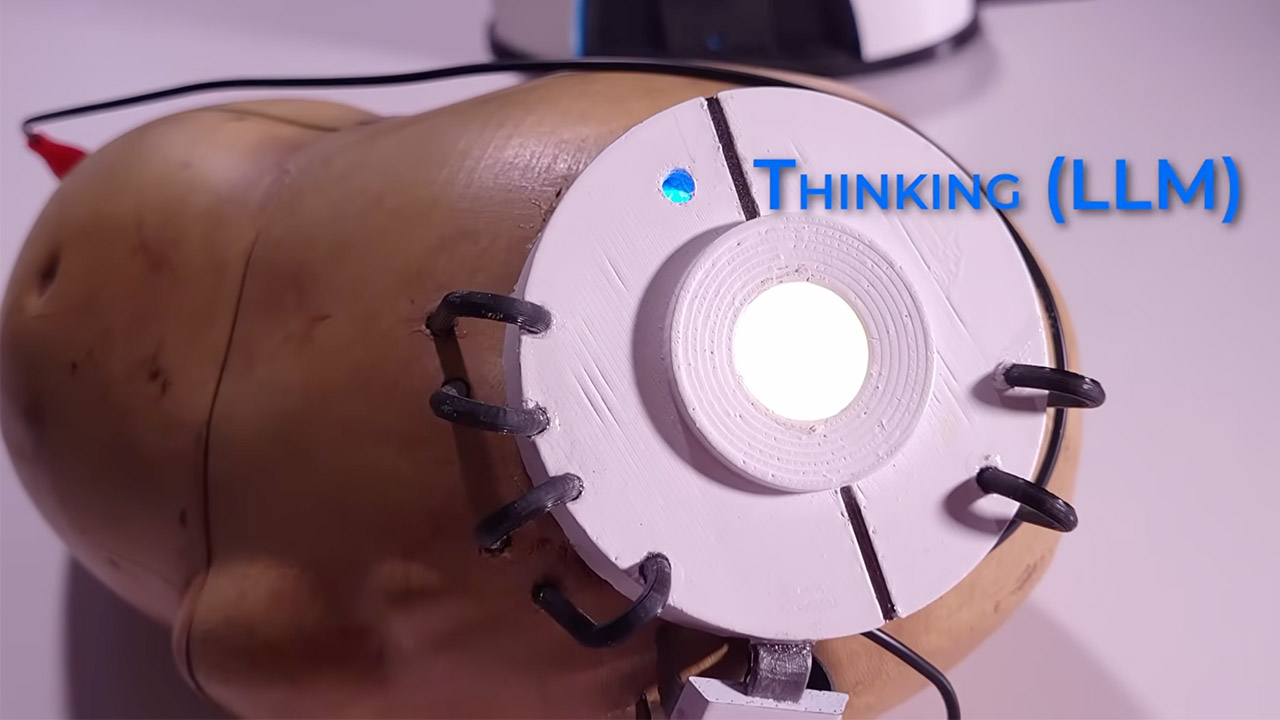
This potato does more than just sling insults. Niewinski hooked it up with a microphone and speaker using a ReSpeaker Lite kit, so you can talk to it and hear GLaDOS fire back. The system grabs your questions, runs them through the AI, and spits out answers in her voice. The Jetson’s power has its limits—responses can lag a bit, and it’s not as snappy as your average smart speaker—but it’s all offline, which is a big win for privacy in a world full of cloud-hungry devices.
The whole setup runs about $200 if you’ve got a 3D printer, which isn’t cheap for a weekend tinkering session but a steal compared to Niewinski’s earlier GLaDOS project with a fancy robotic arm. By sticking to affordable gear and open-source software, he’s built something that invites other makers to jump in and play around.
[Source]