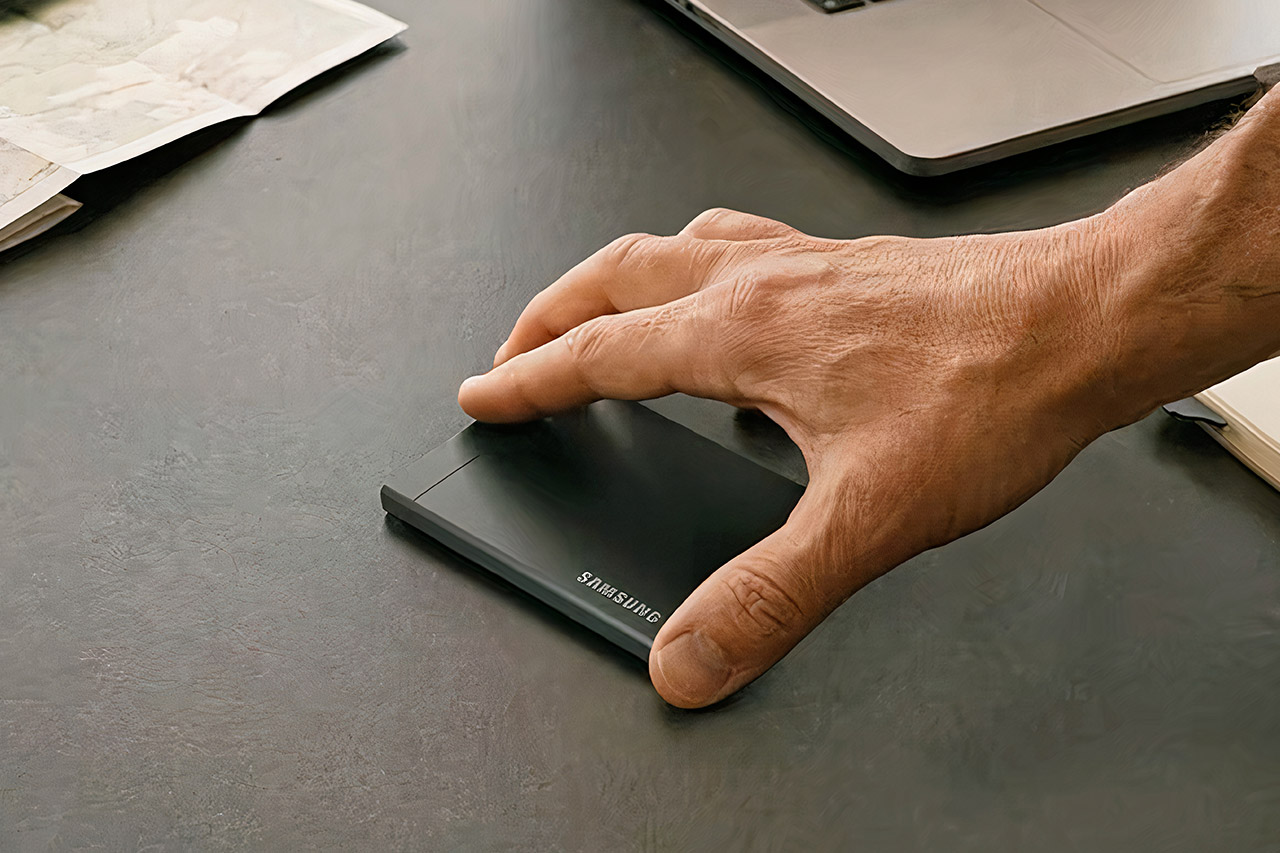
Samsung showed up at Gamescom 2026 in Cologne with a pair of portable SSDs that finally put USB4 to work. Flagship P9 is the one that matters if you live in large files. Sequential reads reach 4,000 megabytes per second. Sequential writes reach 3,800. That is about twice the T9, which maxed out at 2,000 MB/s on USB 3.2 Gen 2×2.
Those numbers can make a significant impact in how a workday feels. Old jobs that used to take eight minutes on the previous flagship can now be completed in just over four, while 100GB game installs or camera dumps that used to take an entire coffee break are now completed before you even have time to plug in your cable again. P9 is particularly remarkable because it is the first portable USB4 drive that support 8TB without losing speed. Samsung even received a CES 2026 Innovation Award for this particular combo.

- MADE FOR THE MAKERS: Create; Explore; Store; The T7 Portable SSD delivers fast speeds and durable features to back up any endeavor; Build your video...
- SHARE IDEAS IN A FLASH: Don’t waste a second waiting and spend more time doing; The T7 is embedded with PCIe NVMe technology that brings fast read...
- ALWAYS MAKE THE SAVE: Compact design with massive capacity; With capacities up to 4TB, save exactly what you need to your drive – from large working...
Its continuous write speeds will immediately capture the eye of content makers. Samsung claims the drive can handle 12K footage directly from a camera, which means you can park the SSD right next to the camera, record in RAW, and eliminate the extra shuttle drive that used to eat up space in your backpack merely to keep the buffer from choking. An 8TB unit is said to be capable of holding over two million photos or approximately 3,720 HD videos, which is comparable to the capacity of a full-fledged desktop tower.
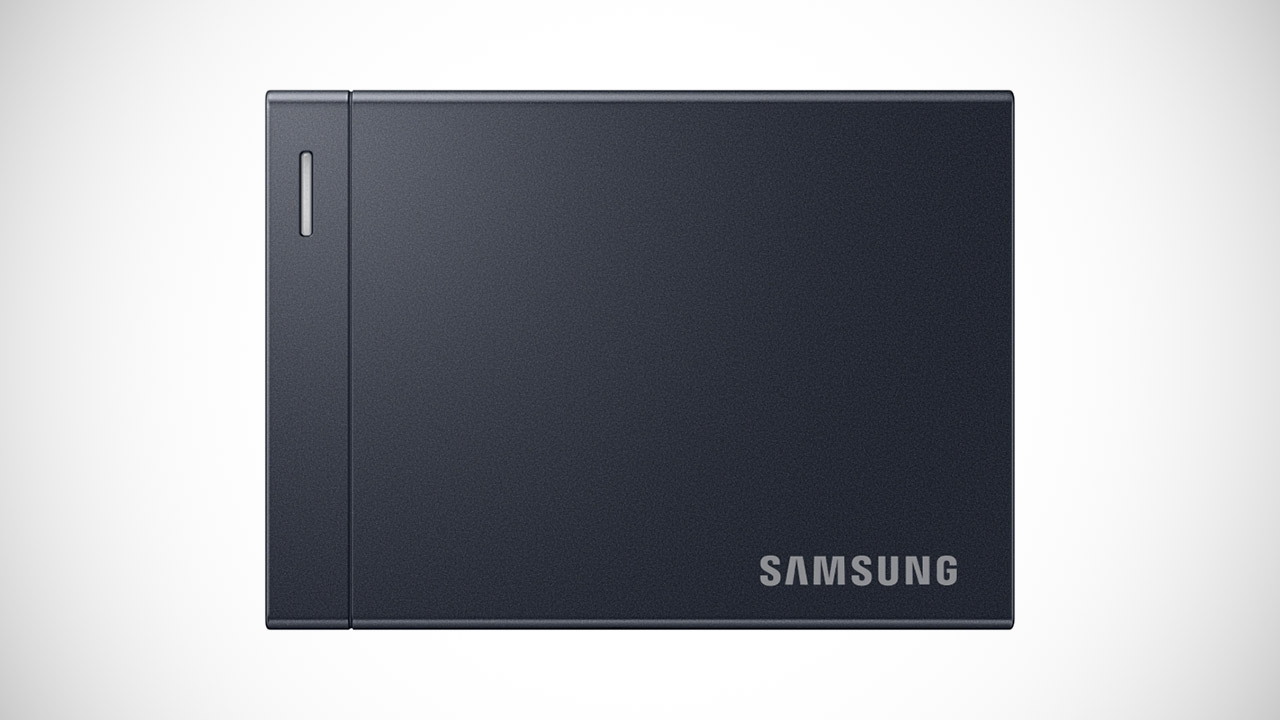
USB4 is what allows for such high transfer rates. P9 tunnels NVMe commands directly over USB4, unlike prior portable SSDs, which required a bridge chip to translate NVMe commands into USB. This reduces latency, heat, and the amount of power required by the host laptop simply to communicate with the drive. According to Samsung’s own numbers, read power efficiency is 333% higher and write efficiency is 405% better than the previous generation, and with less heat in the drive, you’ll have less heat in your bag and less strain on a notebook battery during lengthy copy operations.
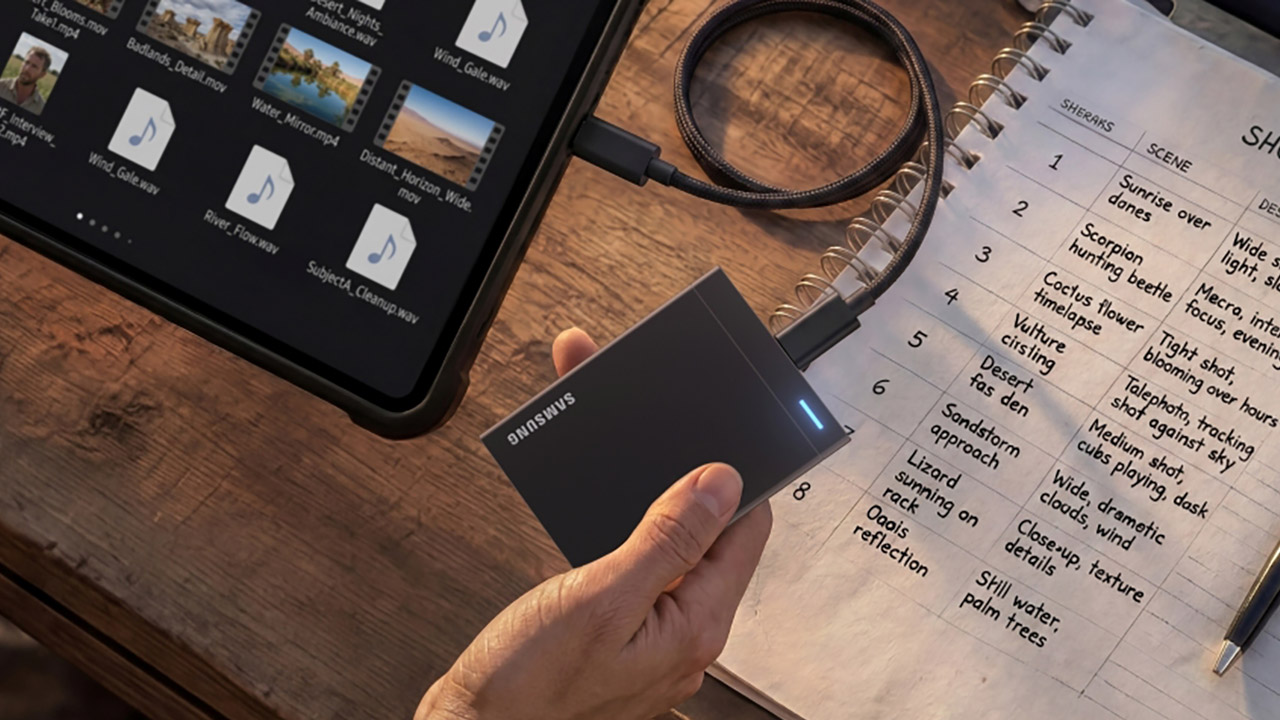
Even at full speed, there is a catch. To get the maximum 4,000 MB/s out of the drive, you’ll need a USB4 40Gbps port, Thunderbolt 4 or 5. If you hook in to a standard USB 3.2 Gen 2×2 port, you’ll be lucky to get 2,000 MB/s. If your laptop just has a standard USB 3.2 Gen 2 port, you’ll be limited to about 1,000 MB/s. Many popular laptops still do not include USB4, therefore the 4,000 MB/s claim will only be true on newer premium computers or actual Macs. Before you invest big money, check your Windows Device Manager for a USB4 Host Router, or confirm Thunderbolt 4 if your laptop has an M-series Mac or one of the newest Intel processors.
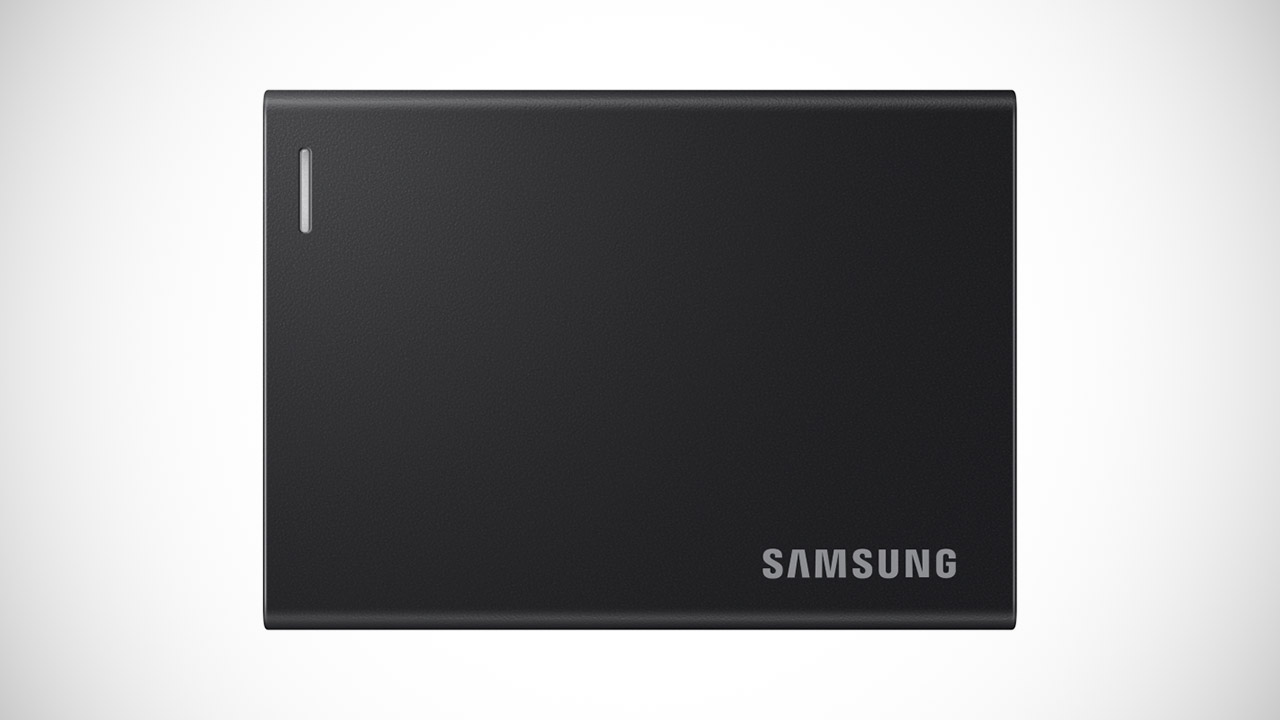
P7 sits just beside it, however it is the tougher, slightly cheaper sibling. You’ll find the same USB4 connector and capacity range of 1TB to 8TB, but when Samsung talked about this new drive, they were far more concerned on the 2-meter drop rating and stress and vibration testing than on peak megabyte speeds. That’s the type of drive you can throw inside a camera bag or a backpack without worrying about having to nurse it if it falls on the sidewalk. P9 is the one you acquire when you have actual files for the project you’re working on.
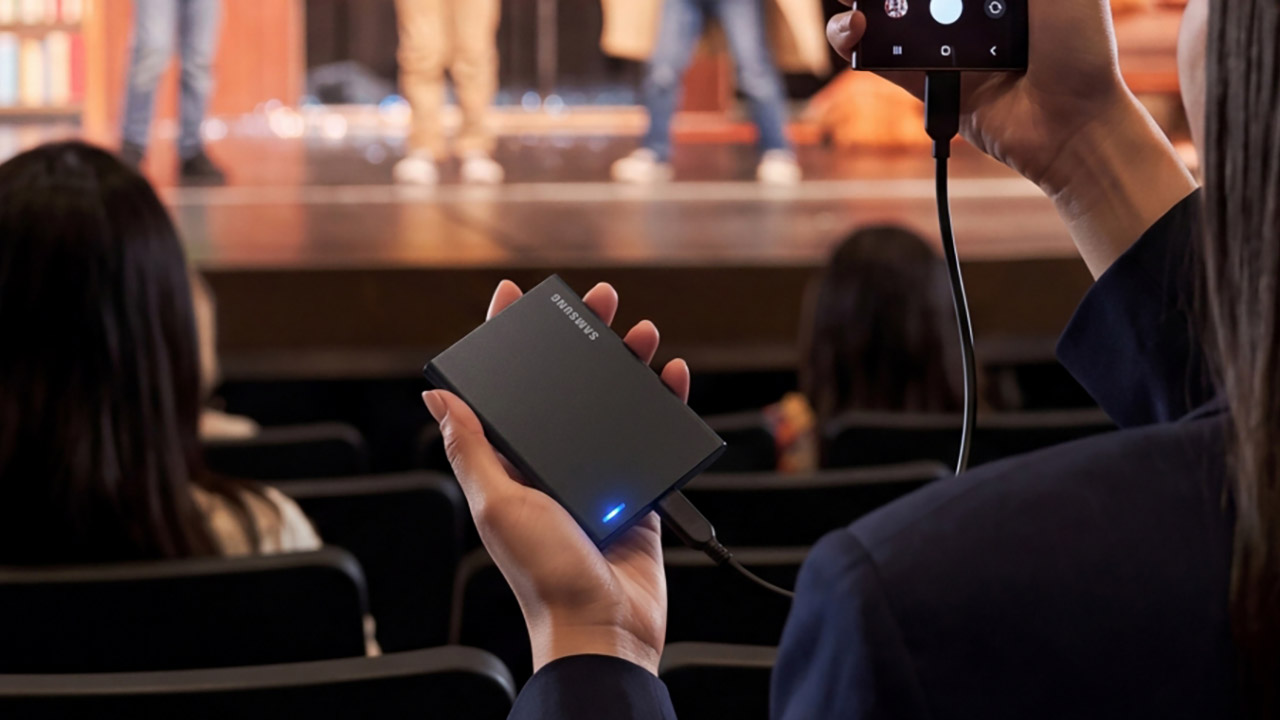
The cost does really represent the luxury vibe it is aiming for. P9 is priced at $339.99 for 1TB, $649.99 for 2TB, $1,349.99 for 4TB, and $2,699.99 for 8TB. The P7 is significantly cheaper, ranging from $50 to $400 depending on capacity. Global sales begin on August 31st, 2026, although some capabilities may arrive later depending on the market. NAND prices have been rising, which is reflected in the price tags. You’re virtually paying as much for the interface and the 8TB limit as you are for the raw components.