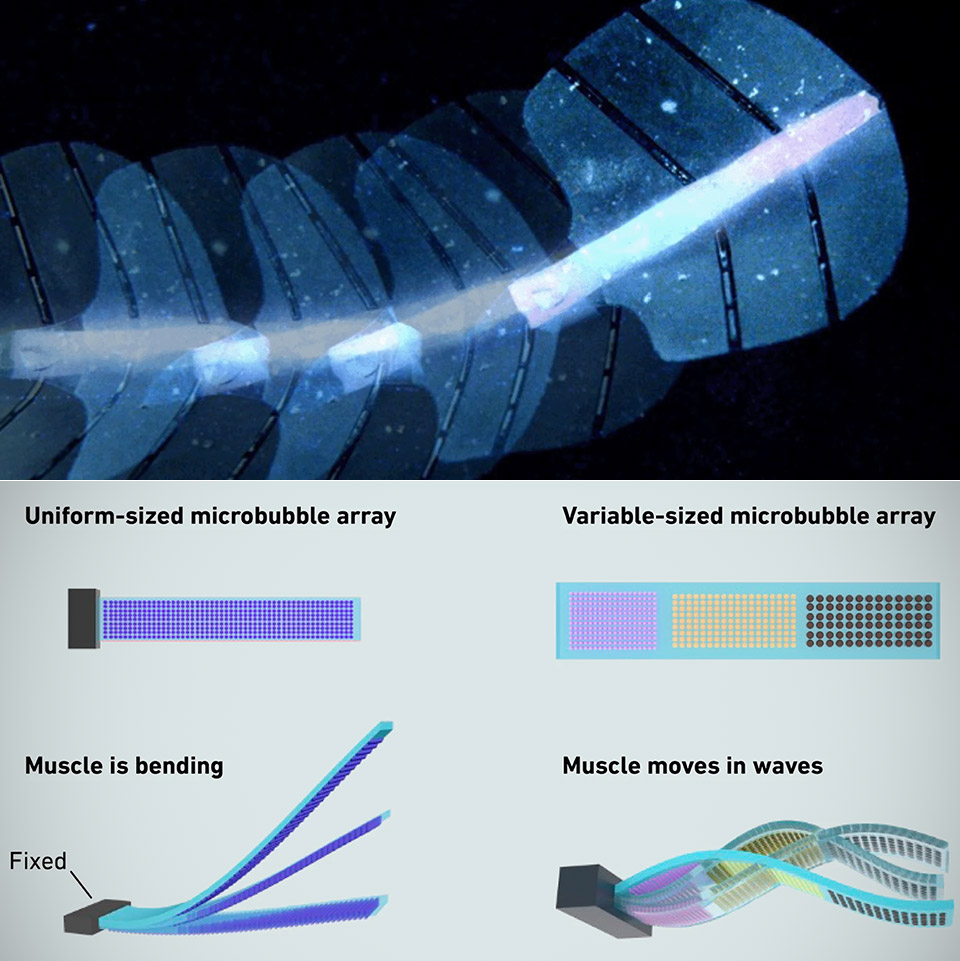
Researchers at ETH Zurich have made a significant breakthrough in building artificial muscles that can be manipulated using ultrasonic sound waves. The technology is based on a silicone base material that has been molded into thin, flexible membranes with teeny small pores on one side, each around 100 micrometers across. Each of these holes contains a tiny air pocket, which forms a trapped bubble.
When an ultrasound beam strikes these bubbles from the outside, they begin oscillate rapidly. The flailing generates a flow of water around the bubble, causing the membrane to bend and wobble. The more uniform the bubble sizes, the more the membrane curves in response to the strength of the ultrasonic pulse. However, when the bubble sizes vary, different portions of the membrane respond to different frequencies of the ultrasonic signal, resulting in smooth, rippling motion.

- Assemble a cutting-edge, working toy robotic arm from nearly 300 pieces!
- No motors or electricity required! The innovative system is controlled by a pair of joysticks that pull and release a network of nylon cables to...
- The buttons on the top of the joysticks open, close, and rotate the arm and the claw that attaches to the end of it; challenge yourself or friends to...
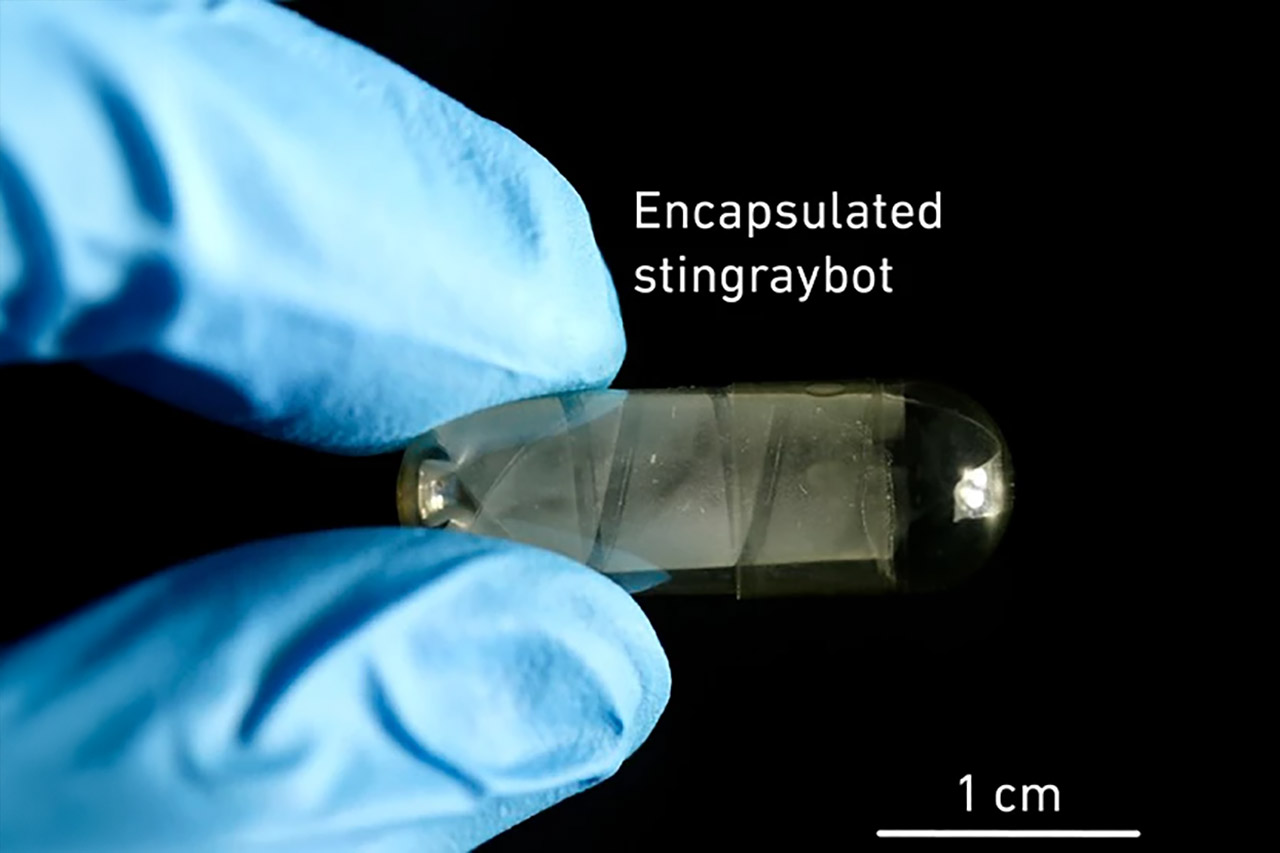
Daniel Ahmed, leader of ETH Zurich’s Acoustic Robotics lab, is the main force behind the project. Then there’s Zhan Shi and Zhiyuan Zhang, who were his PhD students and co-authored the Nature article that brought this whole thing to light. One of the most memorable demonstrations was a small robot that resembled a stingray, about four centimeters across and equipped with two pairs of artificial muscles that functioned as pectoral fins. It allowed the robot to glide over the water without the use of wires or batteries, providing pure, clean mobility.
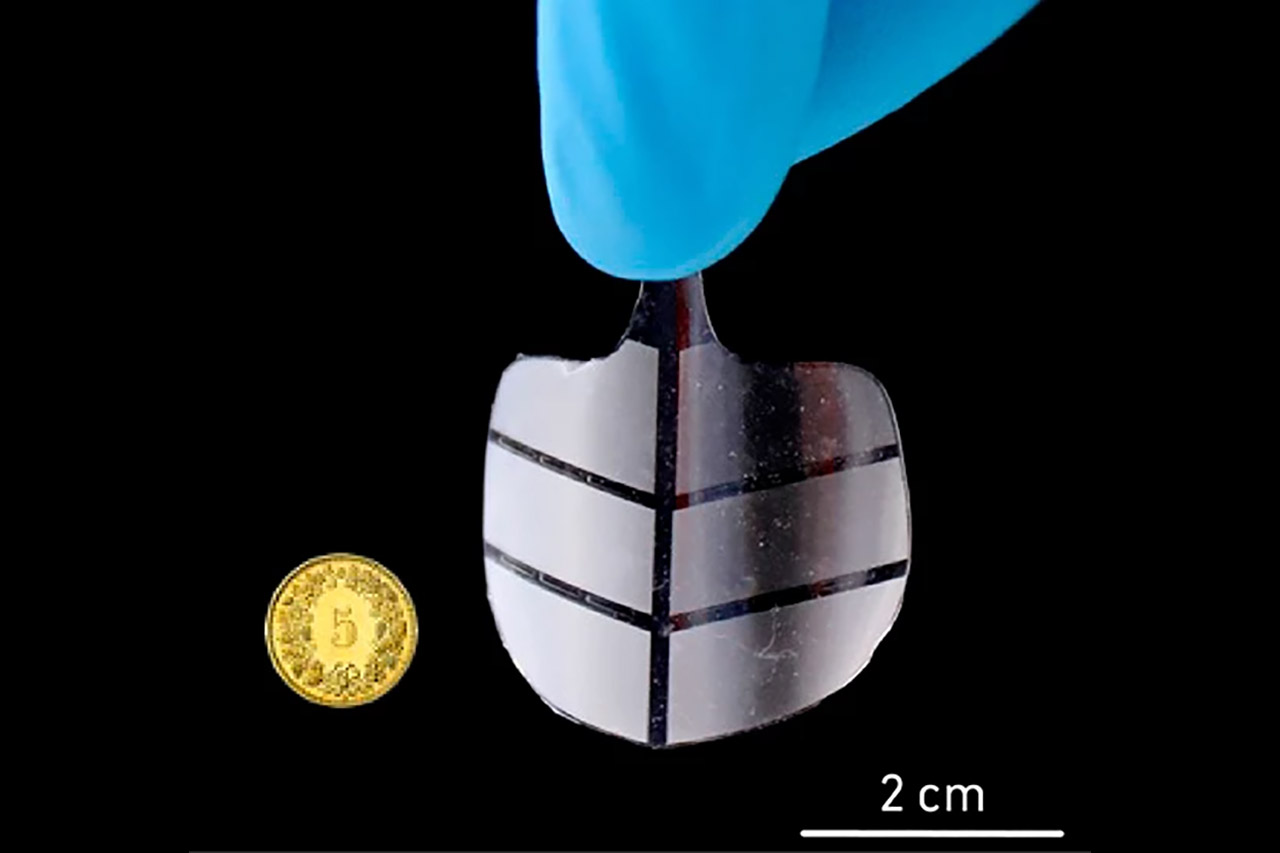
Ahmed believes that the robot’s rippling motion is a genuine highlight since it forms patterns in the water that are strikingly similar to those seen in live animals. Another fascinating aspect of this technology is that you can wrap the stingray robot into a tiny coil and swallow it whole, and it will simply emerge in your stomach and begin to function.
Other examples demonstrate just how delicate this new technology is. They’ve created a gripper arm out of the same technology that is so sensitive that it can pick up a live zebrafish larva in the water, hold it, and then release it, allowing the little thing to swim away as if nothing happened. Zhang describes everything as exceedingly exact and attentive, and it is truly awe-inspiring. They’ve also created a little wheel-shaped device that can maneuver through confined spaces, with muscle arrays providing the necessary power to turn turns and so on. And it can even pass through an artificial gut inside a pig model and go on without blinking an eye.
One of the most interesting aspects of these artificial muscles is that they can adhere to curved surfaces, such as a model heart, and once in place, they can release whatever you want, such as colors in the lab, but they might also be medications. The entire process takes only a few seconds, and they can pack a massive number of bubbles, thousands per square millimeter, without adding any weight. The icing on the cake is that it is completely remote controlled, allowing you to get that ultrasound deep into any fluid you choose without having to bother with any pesky cords.
Compared to standard robactuators, which typically use air pumps or electric coils, these are significantly more delicate, biocompatible, and, most importantly, untethered, making them ideal for accessing sensitive parts of the body. And that’s only the beginning; with this technology, there are several possible medical applications on the future. Swallowable robots might be used to transport medications through your gut, delivering them to the appropriate place at the right time, all without the necessity of a knife.
[Source]