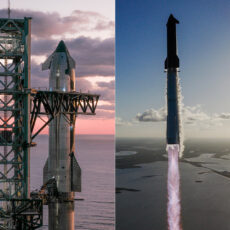
SpaceX celebrated a significant milestone on August 26, 2025. At 7:30 p.m. EDT, the 400-foot-tall Starship megarocket illuminated the Starbase facility in South Texas. This was the tenth test flight, following months of setbacks, explosions, and persistent perseverance.
SpaceX’s journey to this point had not been smooth. Earlier testing in 2025 had been rough—Starship prototypes had disintegrated in mid air in January and March and burned up during reentry in May. A June ground test had blown up another prototype and the team had to switch to a backup. Each failure had been a learning experience and SpaceX’s iterative testing culture was on full display. They had identified the problems to specific components, a broken fuel tank diffuser as well as a strained fuel transfer tube, and made exact changes. By Tuesday night, those lessons had paid off and all major objectives had been met, from engine relights to satellite installations.

- NASA rocket model kit – Launch into a creative project with the LEGO Icons NASA Artemis Space Launch System model building project for adult space...
- What’s in the box? – This creative building set includes everything you need to craft a multistage rocket with 2 solid-fuel boosters, an Orion...
- Features and Functions – This NASA-themed rocket model features retractable launch tower umbilicals, rocket support and crew bridge, detachable...
The Super Heavy booster with 33 Raptor engines produced 16.7 million pounds of thrust—more than double the power of NASA’s Saturn V. For 2.5 minutes it lifted Starship up and hit Max Q, the point of maximum atmospheric stress, without a hitch. Then came stage separation, a critical maneuver where Starship’s 6 engines lit and pushed it away from the booster in a hot staging process. The booster meanwhile did a controlled descent and splashed down in the Gulf of Mexico 7 minutes after launch. Unlike May’s chaotic breakup this was a clean landing, a testament to SpaceX’s progress.
Starship itself went suborbital and reached a couple hundred kilometers above Earth. About 20 minutes into the flight it deployed 8 dummy Starlink satellites through a lateral door, a feat that had eluded the previous 3 tests. This wasn’t just a symbolic win, it proved Starship could build out SpaceX’s massive satellite constellation. Then 38 minutes in a Raptor engine relit in space—a milestone only achieved once before in 2024 with a smaller prototype. This relight is critical for future missions, it enables precise orbital adjustments and controlled reentries.
During reentry, SpaceX pushed Starship to the limit by removing heatshield tiles to test new materials and stress the vehicle. As it fell at 16,379 mph, plasma built up and the spacecraft turned pink. The aft skirt near the engine bay took a beating and debris scattered everywhere but the vehicle held together. Dan Huot said during the live commentary they were being “nasty” to Starship to find its weaknesses. Despite the abuse, it did a landing flip and burn and splashed down in the Indian Ocean 66.5 minutes after launch, right on target near a buoy mounted camera.
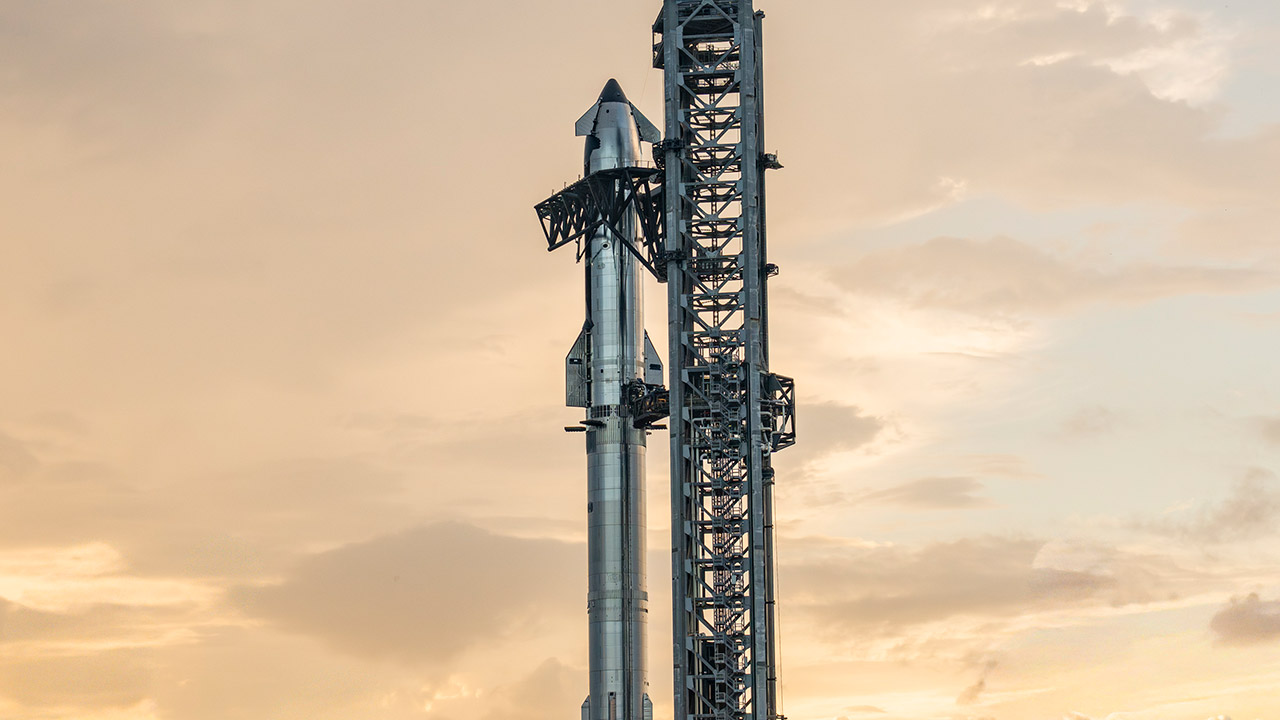
This has big implications beyond the technical achievements. NASA can finally breathe a sigh of relief now that they’ve chosen Starship for the Artemis 3 lunar landing in 2027. The $2.9 billion contract is contingent on Starship being able to refuel in orbit and land safely, both of which were previously untested but now seem possible. Elon Musk being Elon Musk, he’s already looking to Mars and plans to deploy Starships there in 2026 during the next window. Flight 10 makes that once far fetched timeline seem possible.