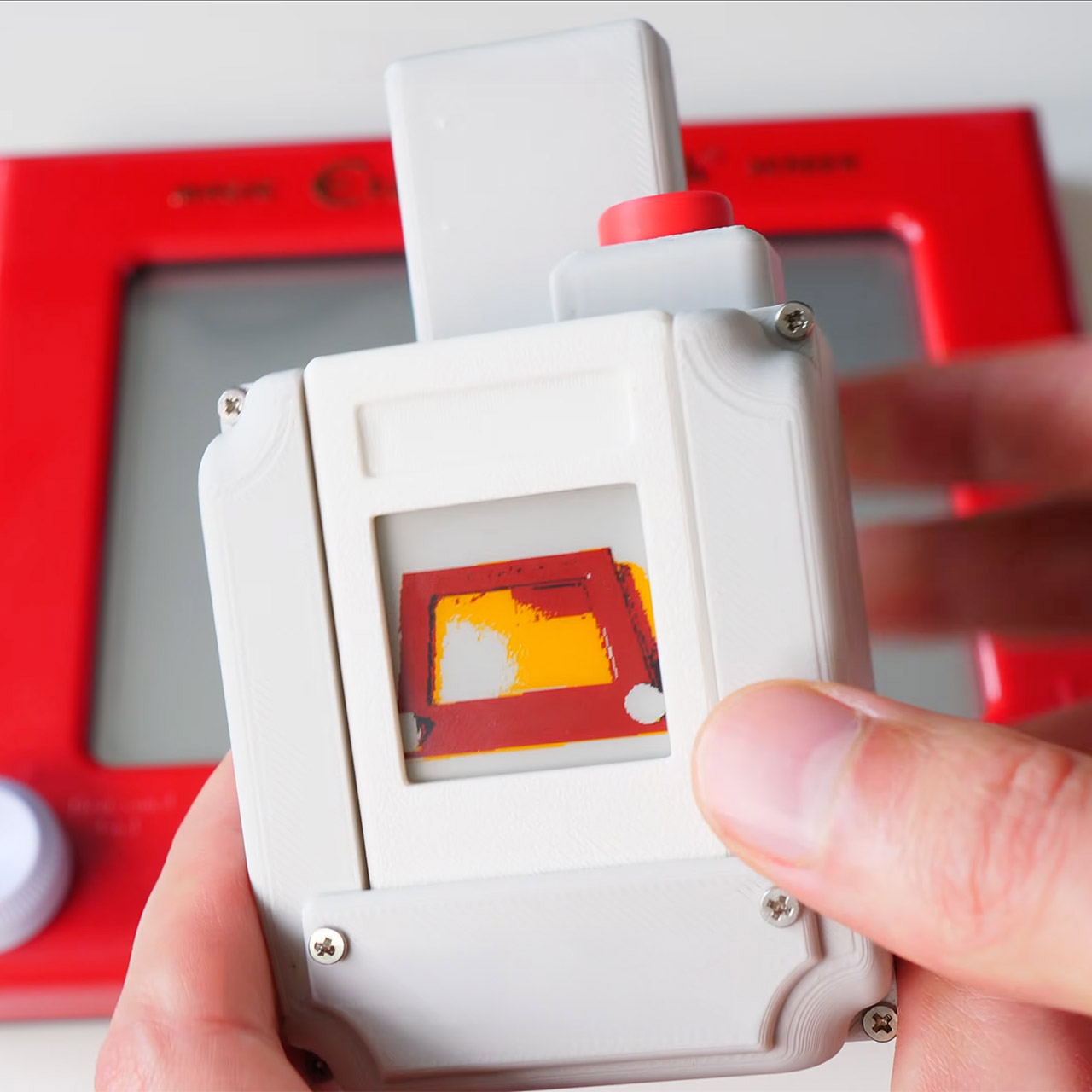
Digital photos usually vanish into a folder the second you press the shutter. Maker Strange Inventions wanted a shot you could pull out of the camera, stand on a desk, and still overwrite later, so he built an instant camera whose film is a stack of tiny four-color e-paper cartridges.
You insert one of those small 3D-printed cartridges into the top of the compact body, press the red shutter button, and, assuming you’re within range, the Raspberry Pi 3 model A+ and the 5 megapixel camera module work their magic, reducing the scene to black, white, red, and yellow as the screen flickers to life before finally settling. Pinch the Game Boy-style release tab, slide out the cartridge, then insert a new one. E-paper has a nice side effect here in that it holds the image even when the battery is not in place, so each ‘film cartridge’ becomes a one-time, tangible photo that you may display or replace as needed.

- A1 mini + LED Lamp Kit for Creative Light Projects: Bring your ideas to life with the included LED Lamp Kit. Simply print compatible lamp models and...
- The Perfect 3D Printer for Beginners: A1 mini 3D Printer is designed to make 3D printing easy from day one with automatic calibration, simple setup...
- Experience the Bambu Lab Ecosystem: Access MakerWorld’s huge library of ready-to-print models, manage prints through the Bambu Handy app, and enjoy...
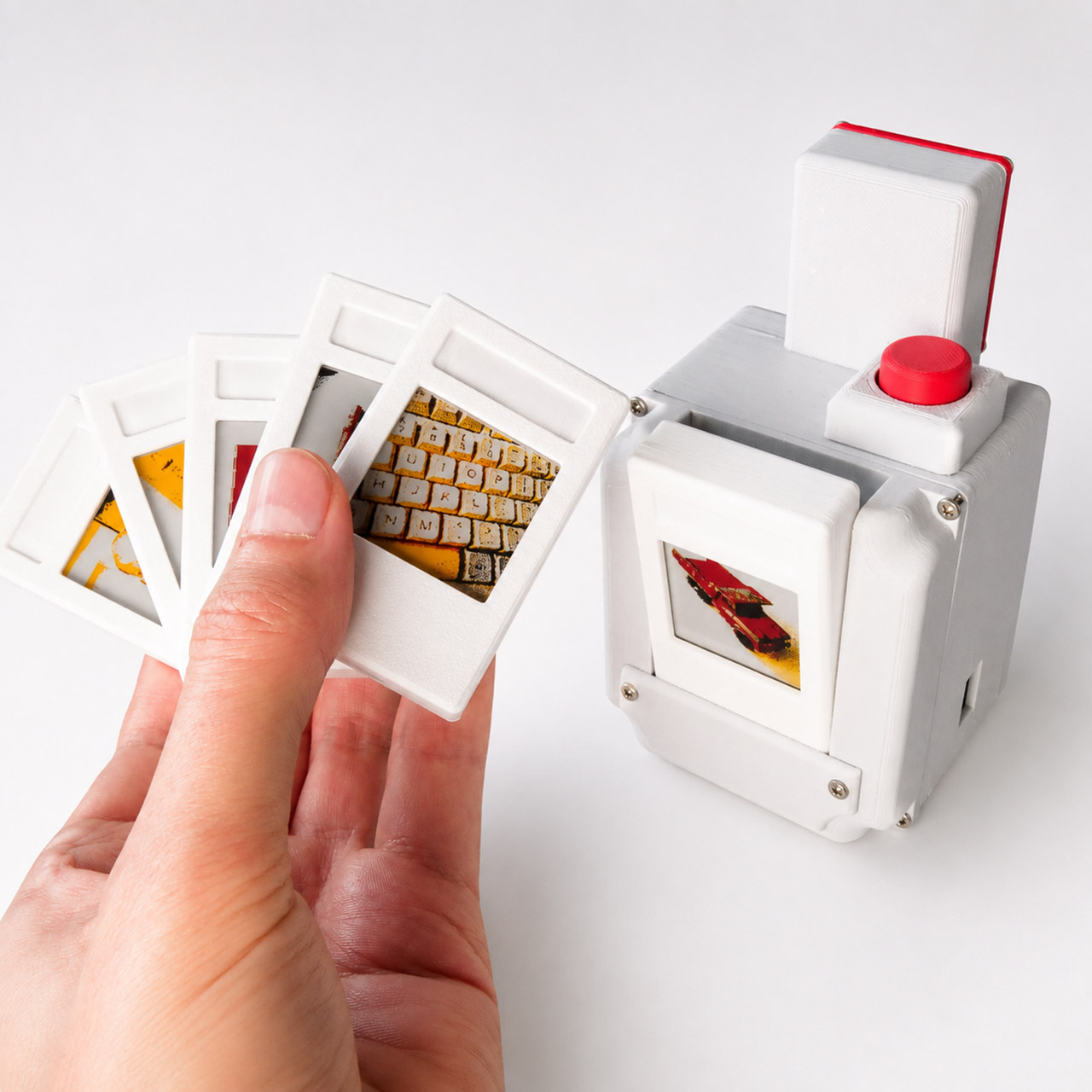
All of the hardware is squeezed into a small 3D-printed enclosure, which includes a Raspberry Pi 3 A+, a Raspberry Pi Camera Module 3 Wide, the quirky 1.54-inch 200×200, four-color e-paper display, and a battery pack to make the whole thing portable. In the early attempts, a frail ribbon held the display in place, but he soon replaced it with pin headers, which serve the same purpose while also keeping the cartridge firmly locked in. Headers are low-cost and effective. He did have some difficulty finding something springy to do the same job at first, but the idea of employing pogo springs was too expensive…in the end. Headers are excellent value and also serve to keep the cartridge in place, which is exactly the effect they were hoping for if ‘film’ was to feel like film. The entire contraption comes together without the need for screws, however he later added a little grab tab to make pulling the old cartridge out less like wrestling a ‘Game Pak’.
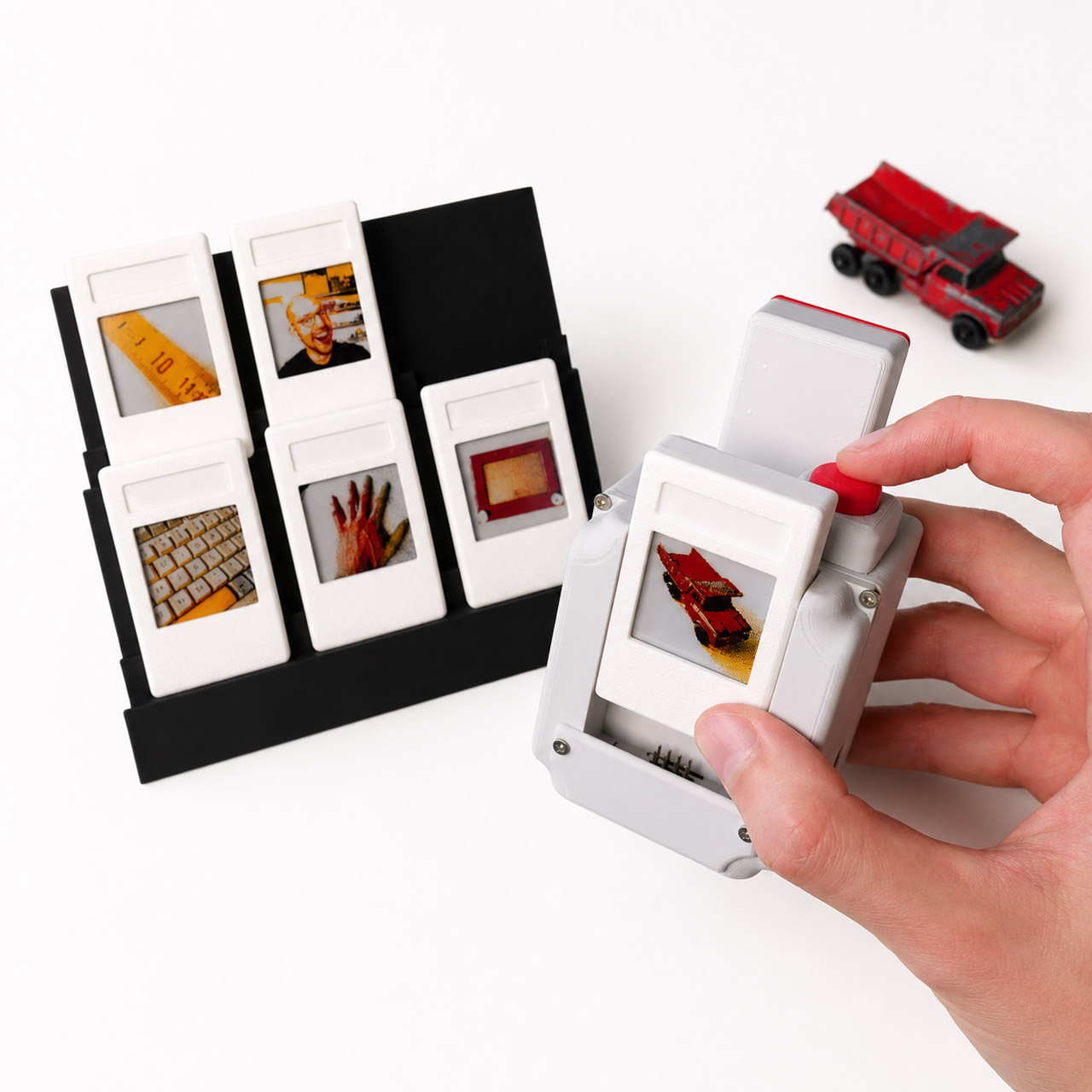
When you press the shutter, you get to choose from only four colors, which is a good for the Python script that reduces the raw captures and dollops to just those four colors, then lets you play with contrast, brightness, saturation, sharpness, and dithering until the image looks like it was meant to be that way on that small screen. Holding down the shutter button allows you to switch between a dithered and flat look. The poor old plants ripped apart at the seams since there was no green on the panel, but the maker’s hand, a toy car, a tape measure, a keyboard, and a spool of printer filament fared much better. Some subjects require additional resolution; for example, a window view was murky at 200 pixels.
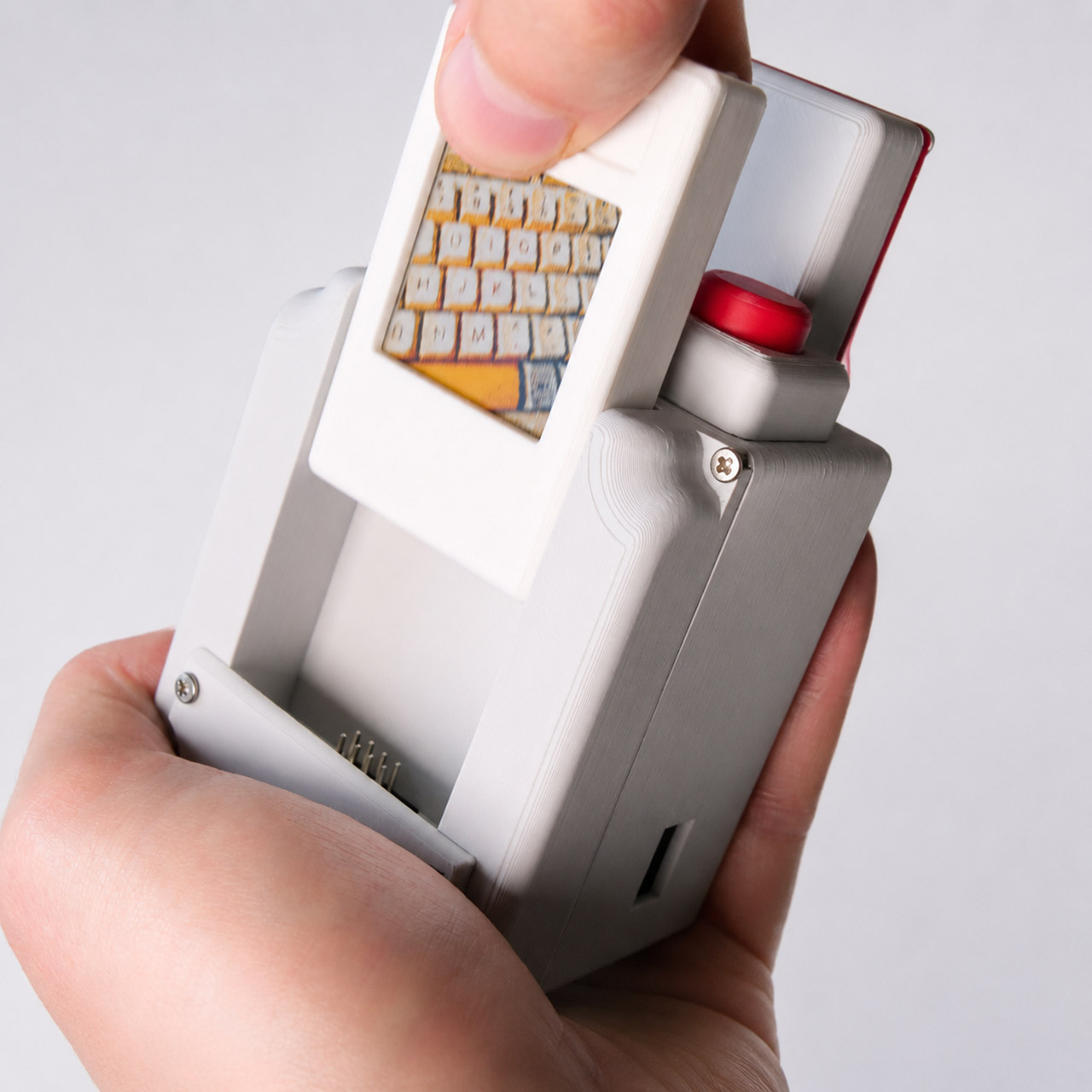
In the end, he kept shifting through the six cartridges until he found a set that he was satisfied with enough to write on the screen. For the time being, he is letting them alone, and they appear like miniature works of art on their exhibition stand. The Strange Inventions Lab shop sells project files for €24, which contain the FreeCAD source file, STL files, electrical wiring diagram, complete parts list, Raspberry Pi software, modified e-paper driver, an image-processing test suite, as well as a shopping list and some basic build notes to get you started. The tough part is that you still have to source the Raspberry Pi, camera module, and all of the other components yourself. He used largely off-the-shelf boards for this prototype, but if you really want it to be as compact as possible, he’s recommended a custom PCB as the next step. Six images now sit on his display stand, waiting to be dusted off and replaced another day…