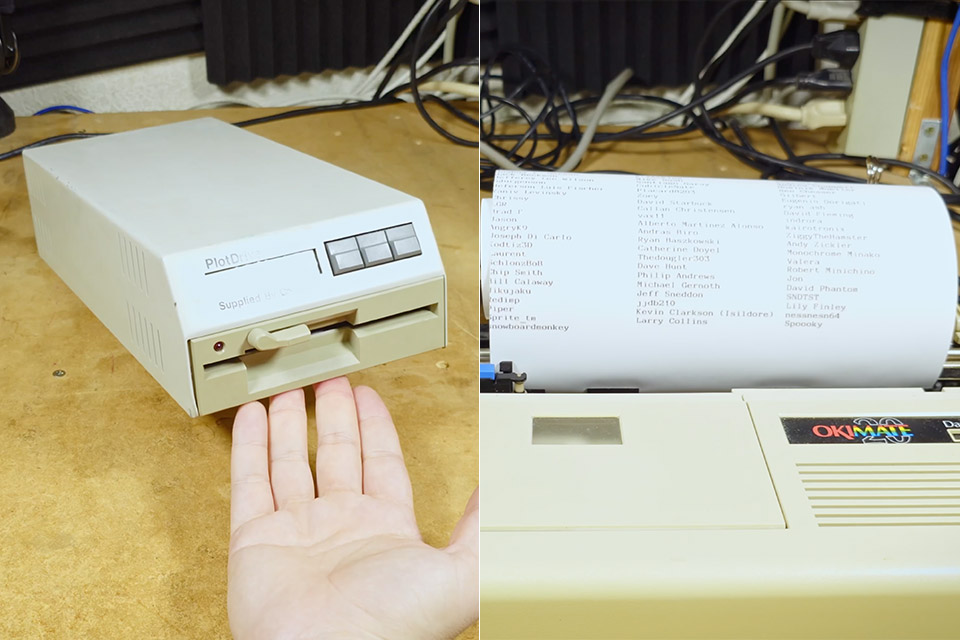
Lucky Bob handed Tech Tangents a beige lab box and a simple pitch. Printing is miserable. What if a job were as simple as writing a floppy? That box is PlotDrive, a CalComp serial and parallel print server that never needed Ethernet, a PC sitting idle, or a driver that still installs in 2026. You copy a file onto a 5.25-inch disk, latch the door, pick the file on a two-line LCD, and the machine streams the data out to whatever printer or plotter is plugged into the back.
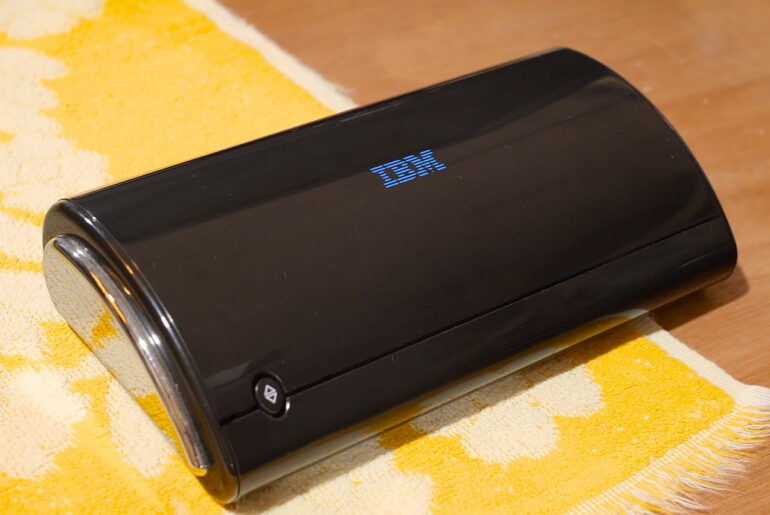
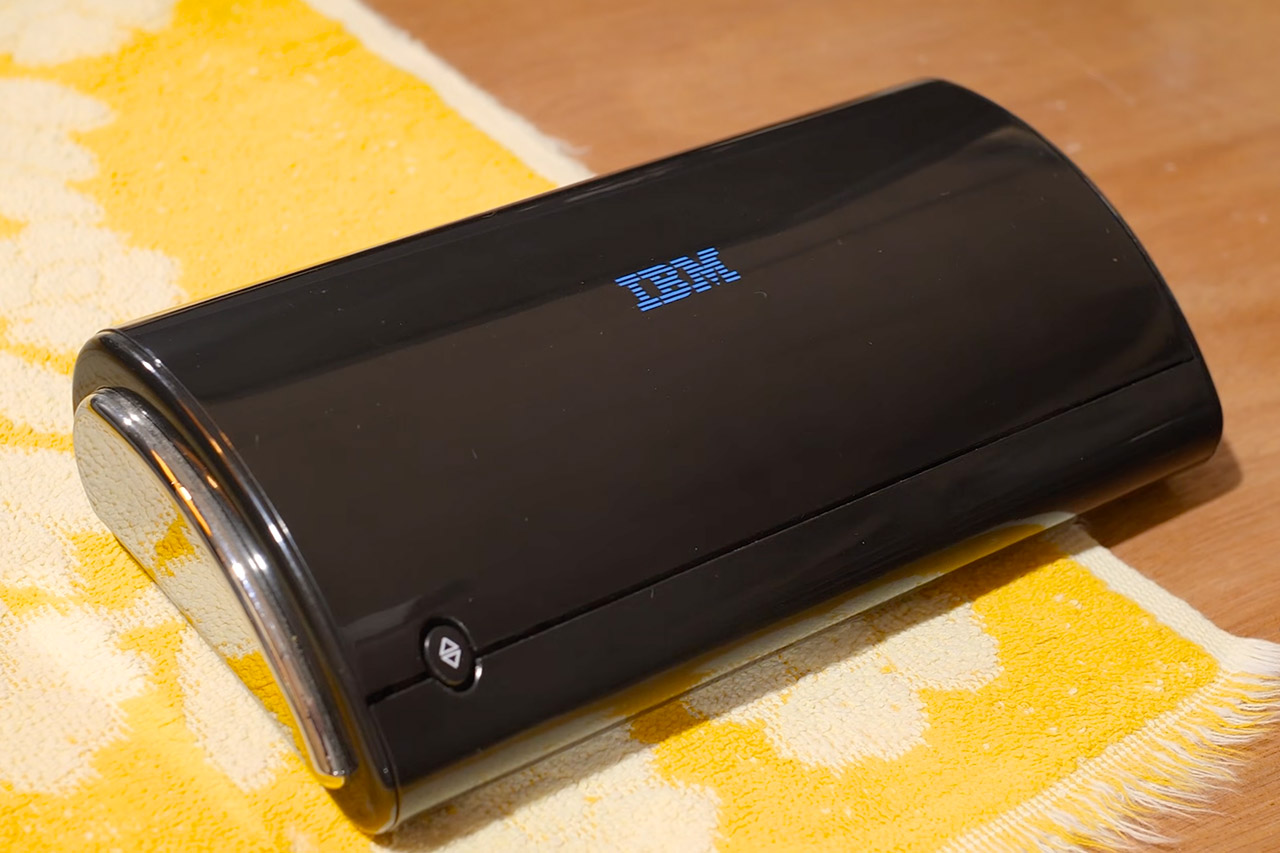
IBM never sold this as a catalog item, yet the logo sits on the case all the same. Parco Pacified Limited of Hong Kong built the HUB-001SR as a compact speaker dock that also works as a three-port USB 1.1 hub and an FM radio, then someone stamped IBM branding on a batch and handed units out as corporate gifts or show swag. The same plastic shell later turned up with a Bisty mark tied to Japanese pachinko prizes. You end up with a desk object that looks official until you notice the generic Chinese tooling and the motor that slides a cover open when you press it.

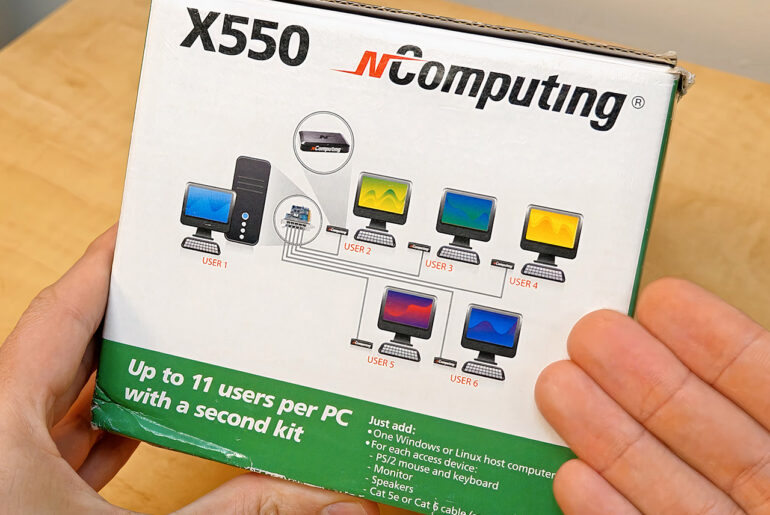
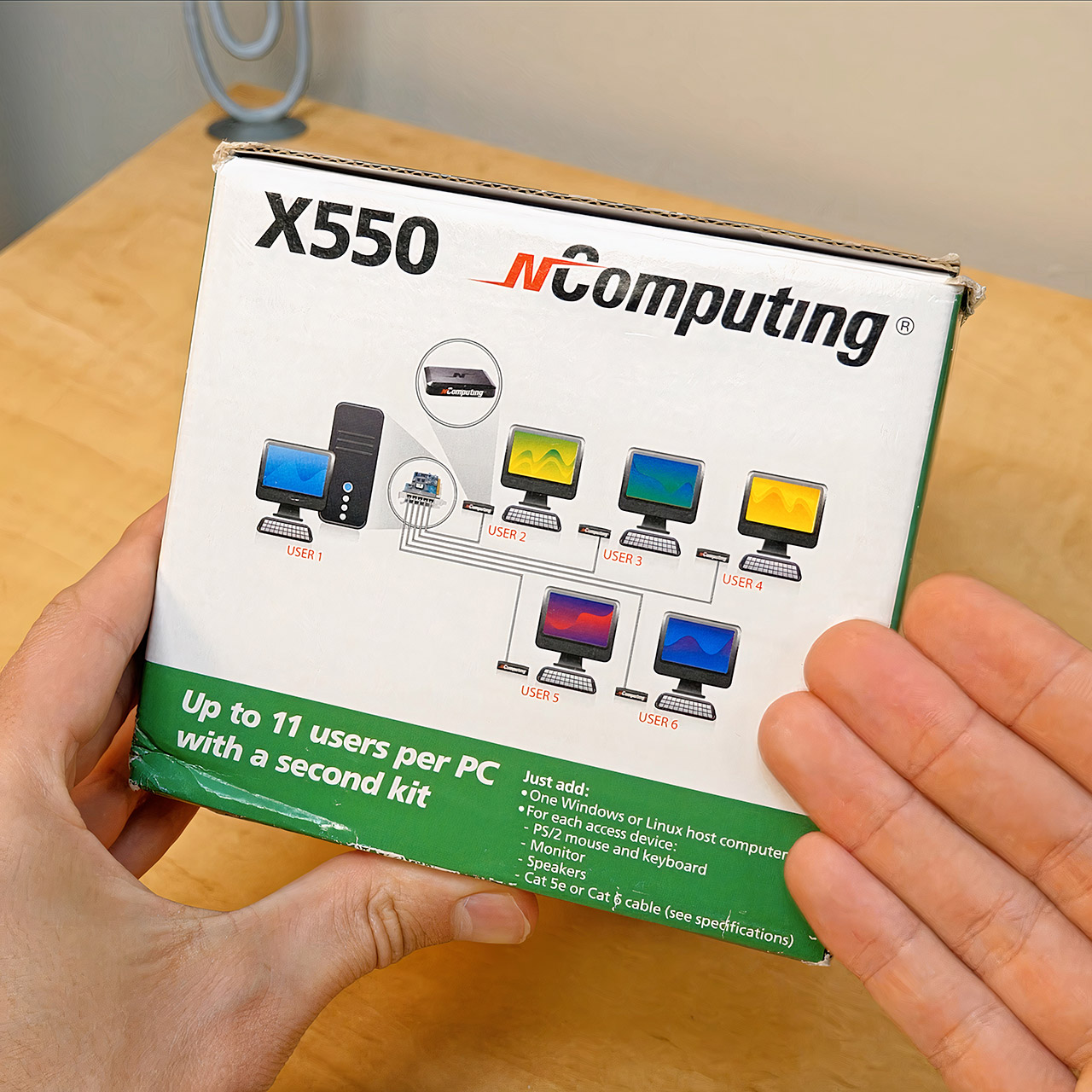
Late in 2008, NComputing boxed a full-height PCI card, five palm-sized terminals, and a disc of vSpace software and sold the kit as the X550 for $449. One kit added five extra seats to a single desktop. Seat six stayed on the host itself, so six people could work at once, each with a private monitor, keyboard, mouse, and speakers. A second kit in a second PCI slot pushed the same tower to eleven sessions.

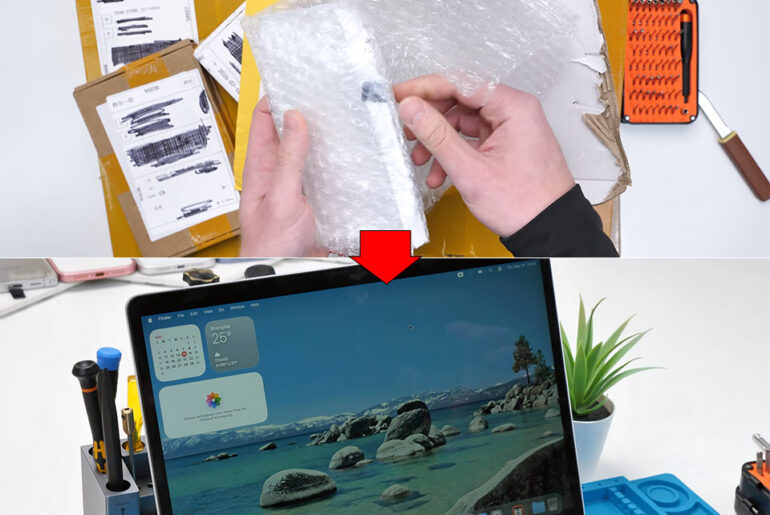
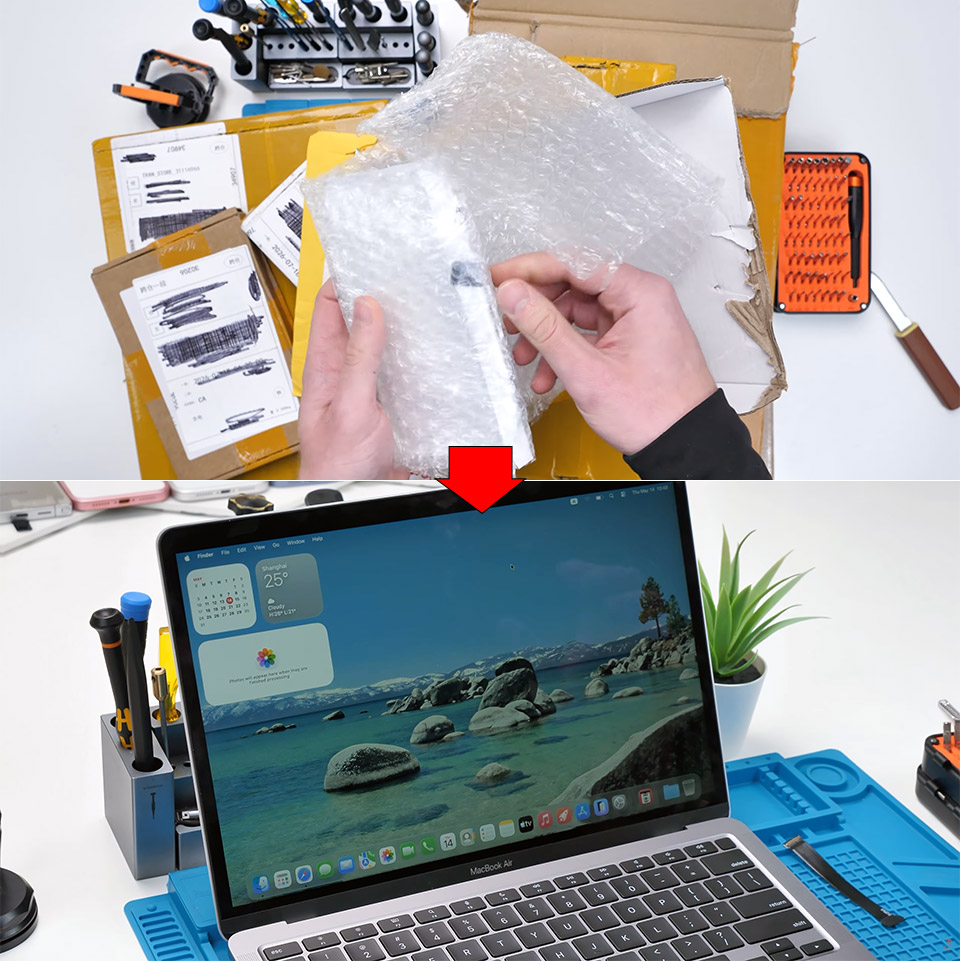
Phone Repair Guru set out to answer a simple question that keeps coming up in repair circles: can you order every piece of a laptop from AliExpress, put them together on a bench, and end up with something that actually boots and works. He chose an M1 MacBook Air because the parts listings exist in volume and the board itself is compact. Packages started arriving in waves. Small bags held screws, antennas, a microphone, USB-C boards, speakers, and an audio board with its flex cable. Larger boxes contained the top case with keyboard, a trackpad, a battery, the bottom case, a display assembly, and the logic board that already carried 128 GB of storage plus a Touch ID module.

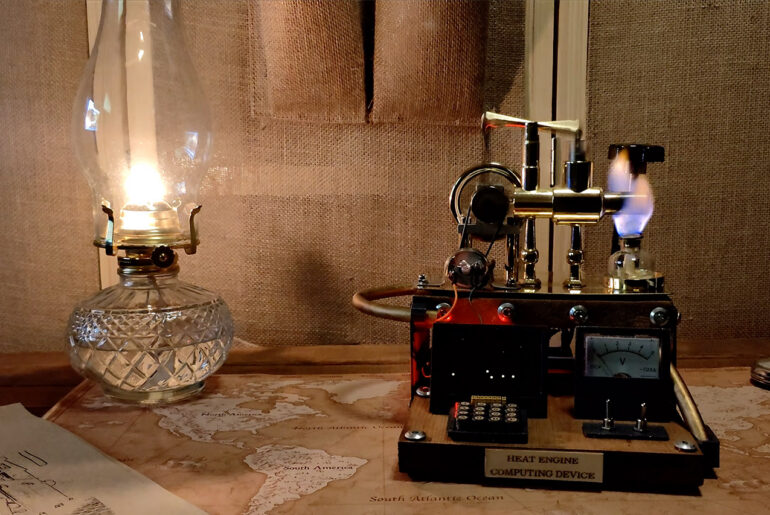
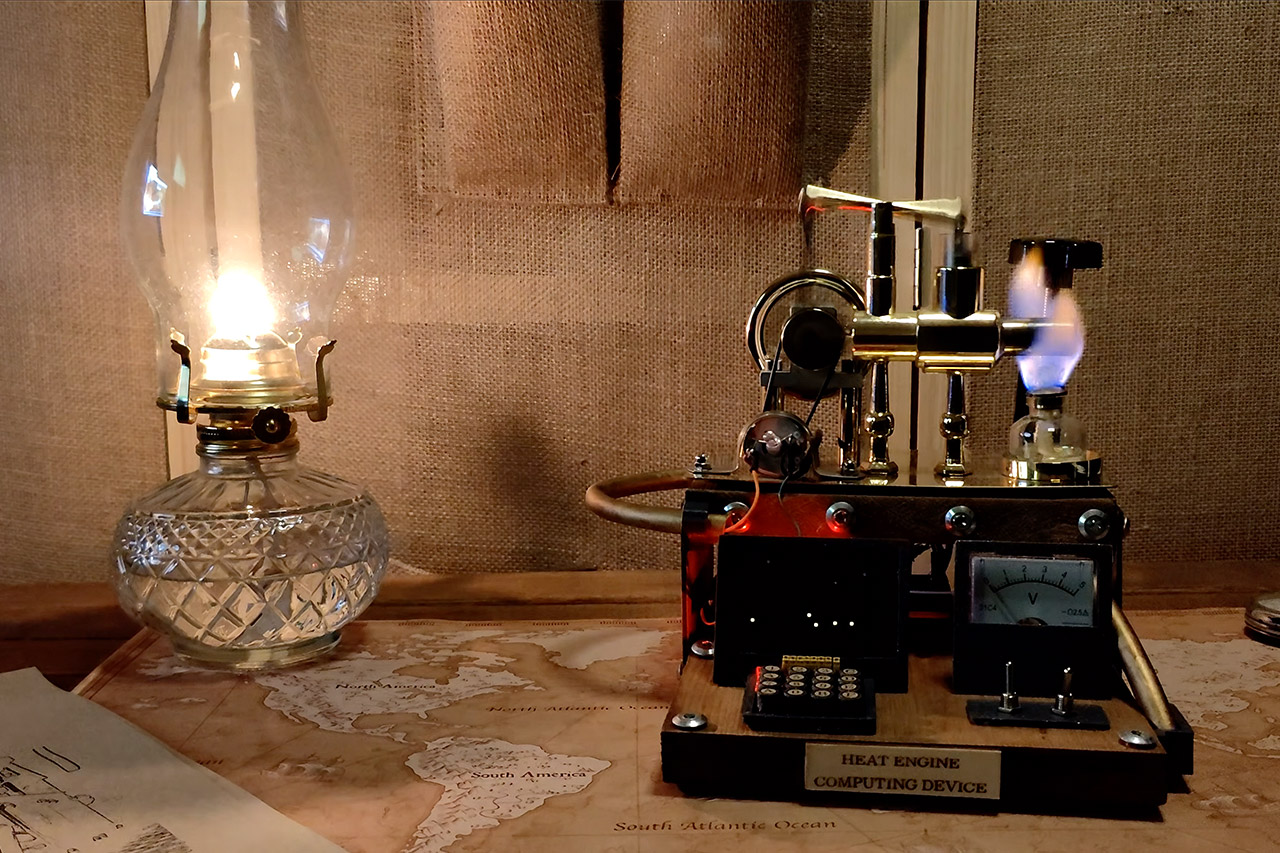
Light a small spirit lamp of ethanol and heat finds one end of a sealed brass cylinder. Air inside expands, a piston moves, a flywheel gathers speed, and a cheap electric motor wired as a dynamo starts feeding current into a wooden box. An analog voltmeter on the front climbs. A 2.42-inch monochrome screen flickers to life. Sixteen hex keys wait for input. For as long as the flame holds, YouTuber PickentCode has a working computer.

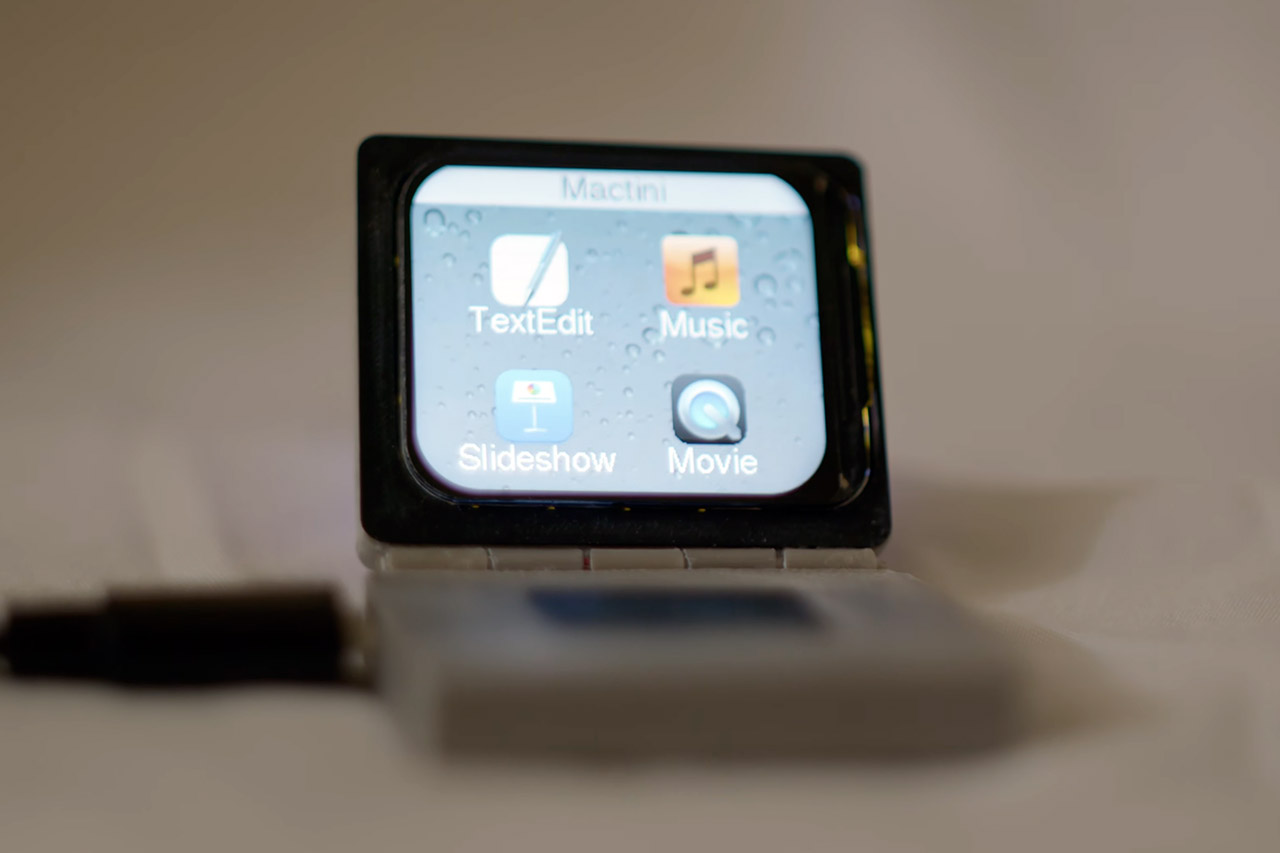
In 2008 Peter Serafinowicz walked onto a BBC set in the role of an Apple store employee and introduced Mactini, the smallest computer in the world. One key. Press it once for A. Press it 26 times for Z. For a comma, hold four seconds, lift for two, then fire off a rapid little drum fill. The audience laughed. Apple kept making things smaller anyway.

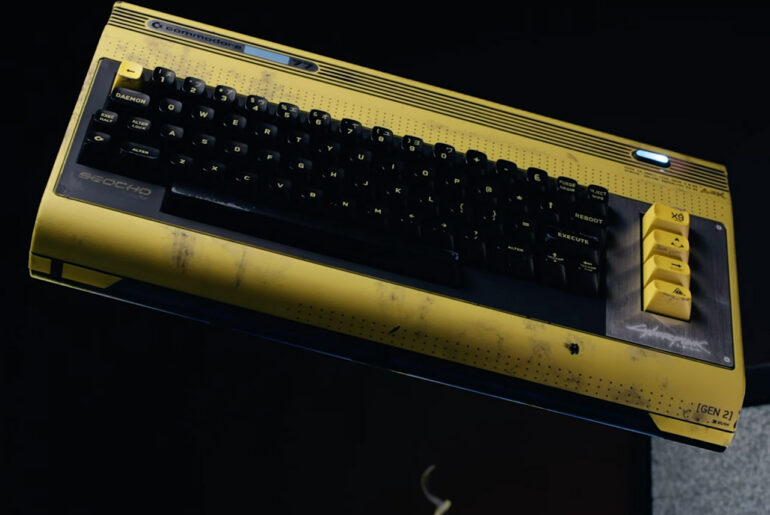
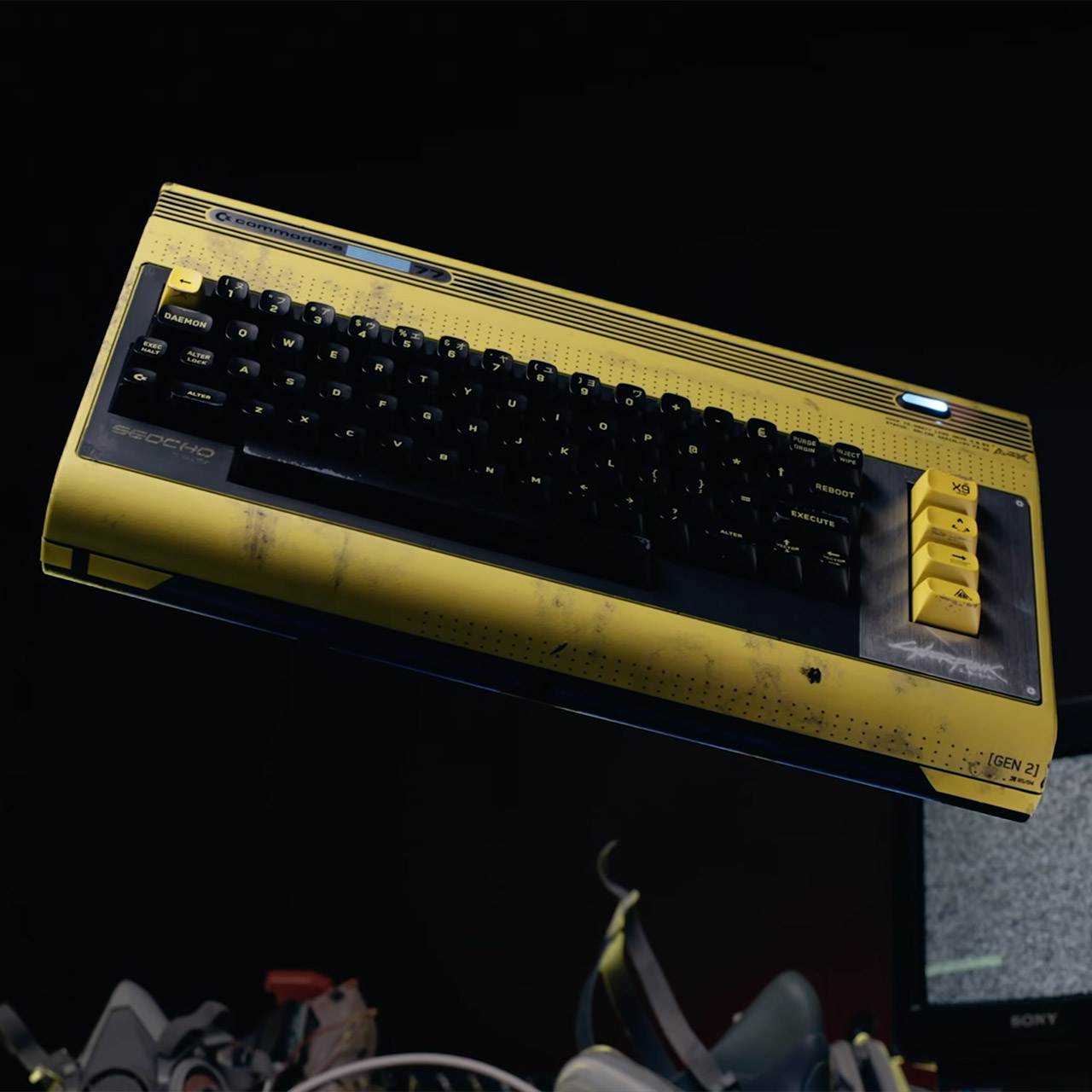
A weathered yellow breadbox just walked out of Gamescom looking like it survived a Watson shootout, and CD Projekt Red put its name on the badge. Commodore announced the Commodore 77 today, as the first special edition of its Commodore 64 Ultimate and the first franchise hardware partnership in the company’s 68-year history. Preorders opened at $377, and boxes are scheduled to ship in early 2027, a clean 50 years before the calendar on V’s phone.

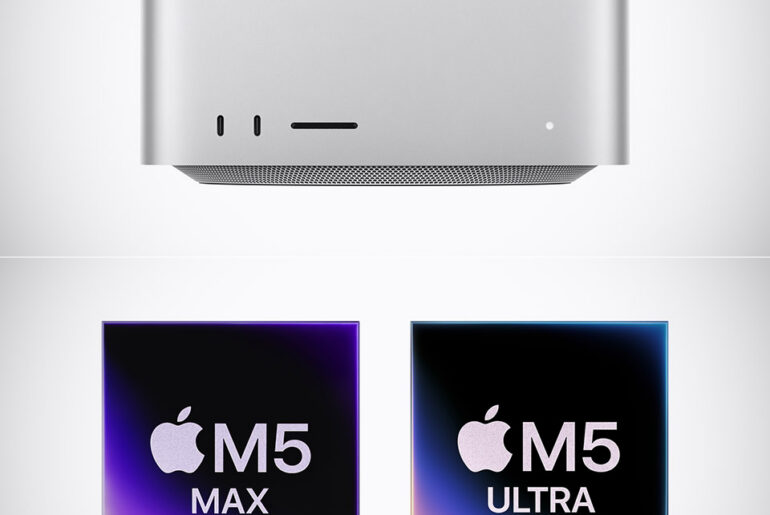
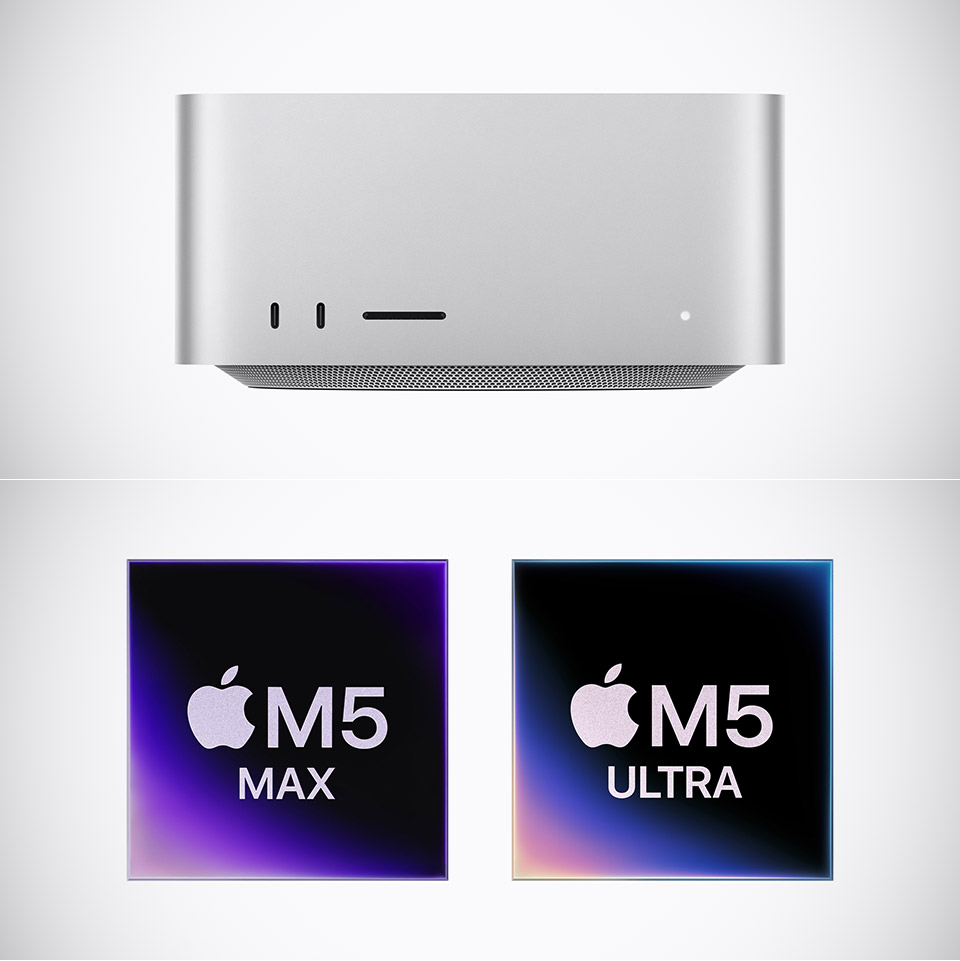
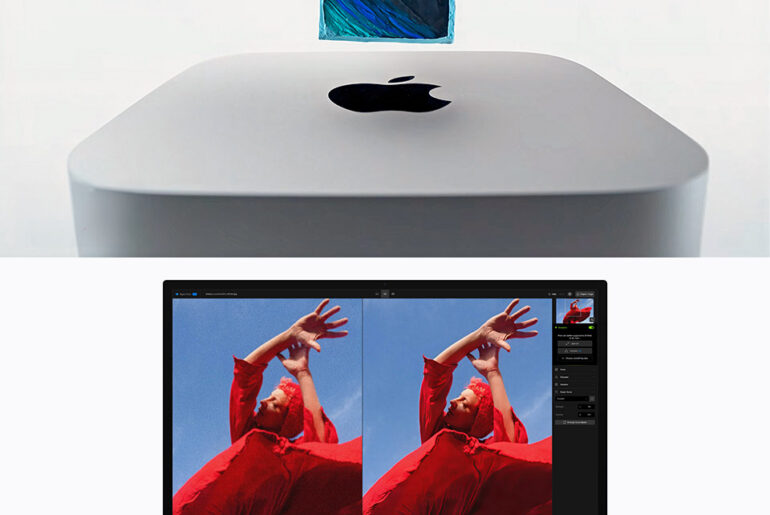
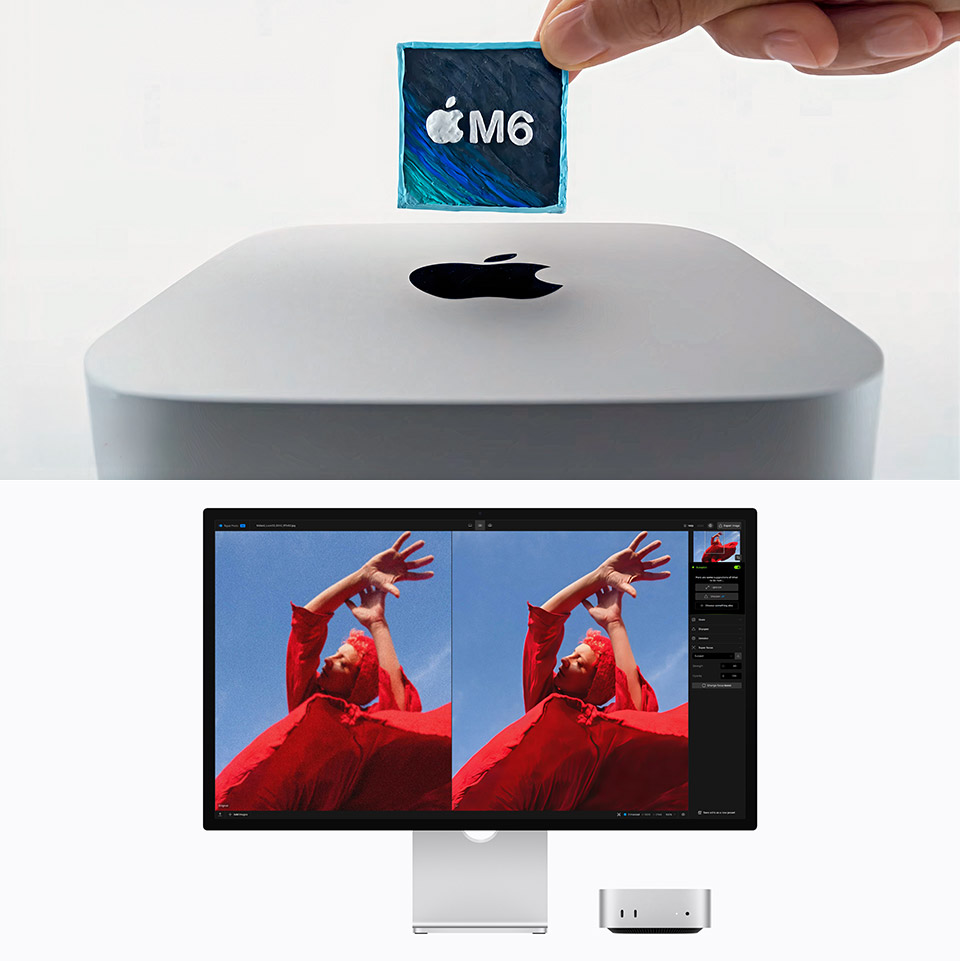
Apple just announced two new Mac Studio models based on the M5 Max and the all-new M5 Ultra. These machines keep the sleek, compact silver box that has long sat beneath monitors and next to keyboards. What changed is within, and the modifications are geared squarely at people who spend their days rendering, training LLM models, grading footage, or creating massive codebases without ever leaving their desk.

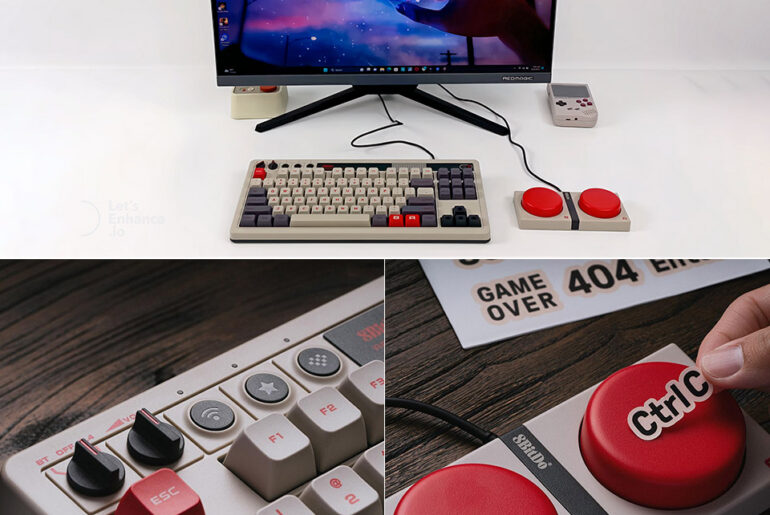
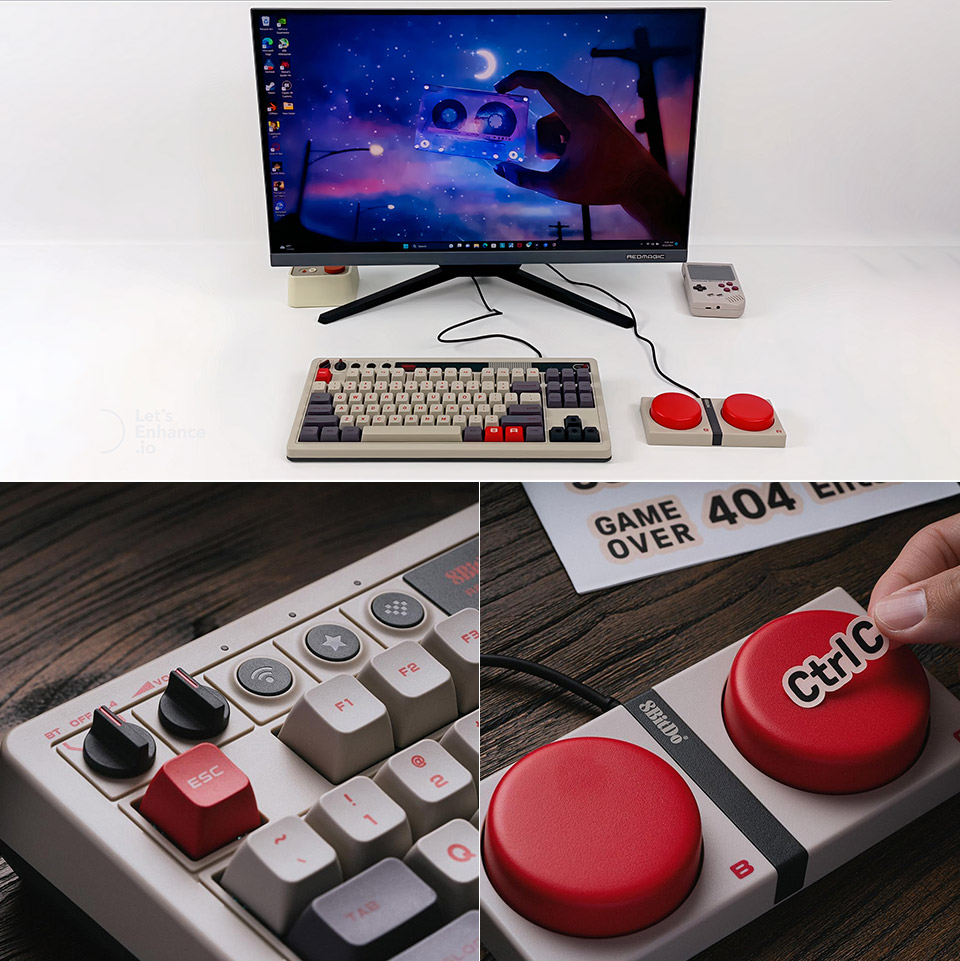
Gray plastic, bold red accents, and rounded lettering sit on the desk like a piece of hardware that somehow escaped the late 1980s. 8BitDo’s Retro Mechanical Keyboard N Edition, priced at $50.99 (was $100), takes the exact color scheme and visual language of the original American NES and turns it into a full working tenkeyless board. The result feels less like a modern accessory and more like something Nintendo might have sold alongside the console itself.