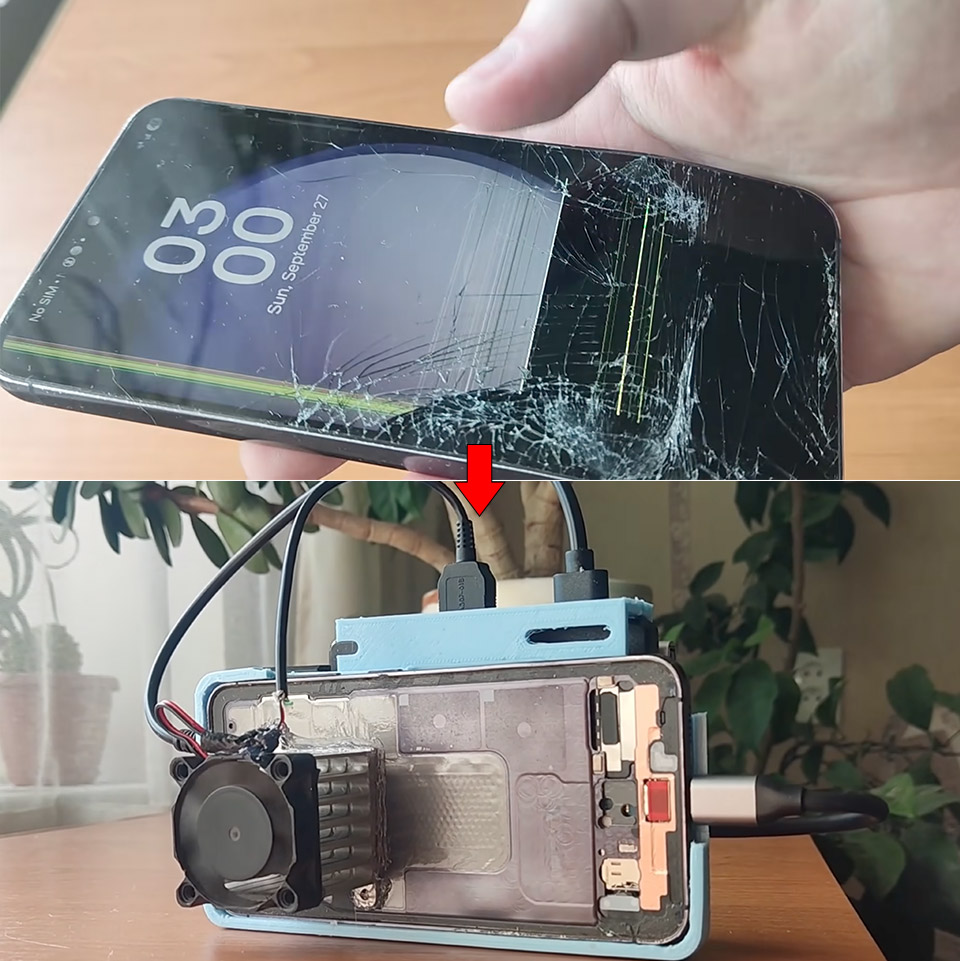
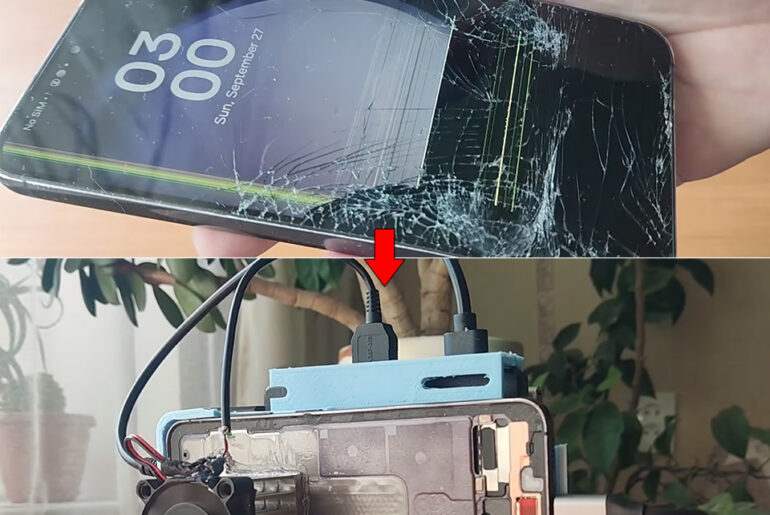
Most people treat a phone that looks like it lost an argument with traffic as scrap. LastComputer paid about forty dollars for one anyway. The listing came to 1,700 Ukrainian hryvnia, and a carrier lock kept the price down because nobody was going to drop a SIM in it again. This Samsung Galaxy S23 arrived bent in half, back cover smashed, battery squished, and still willing to boot.
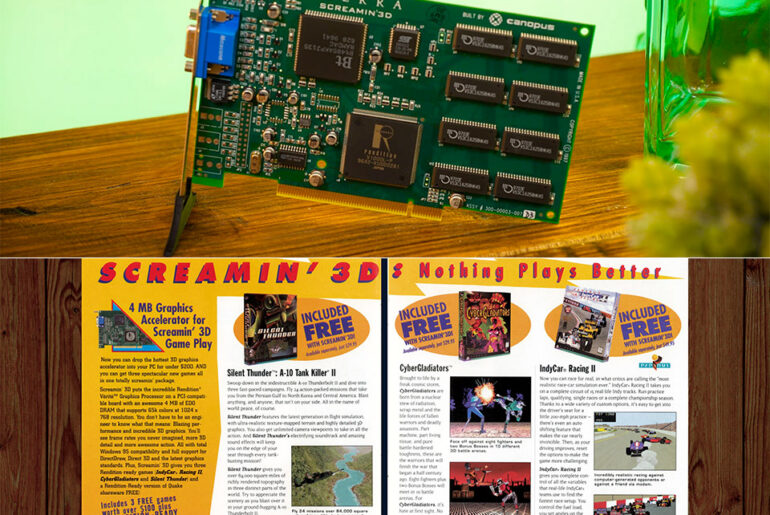
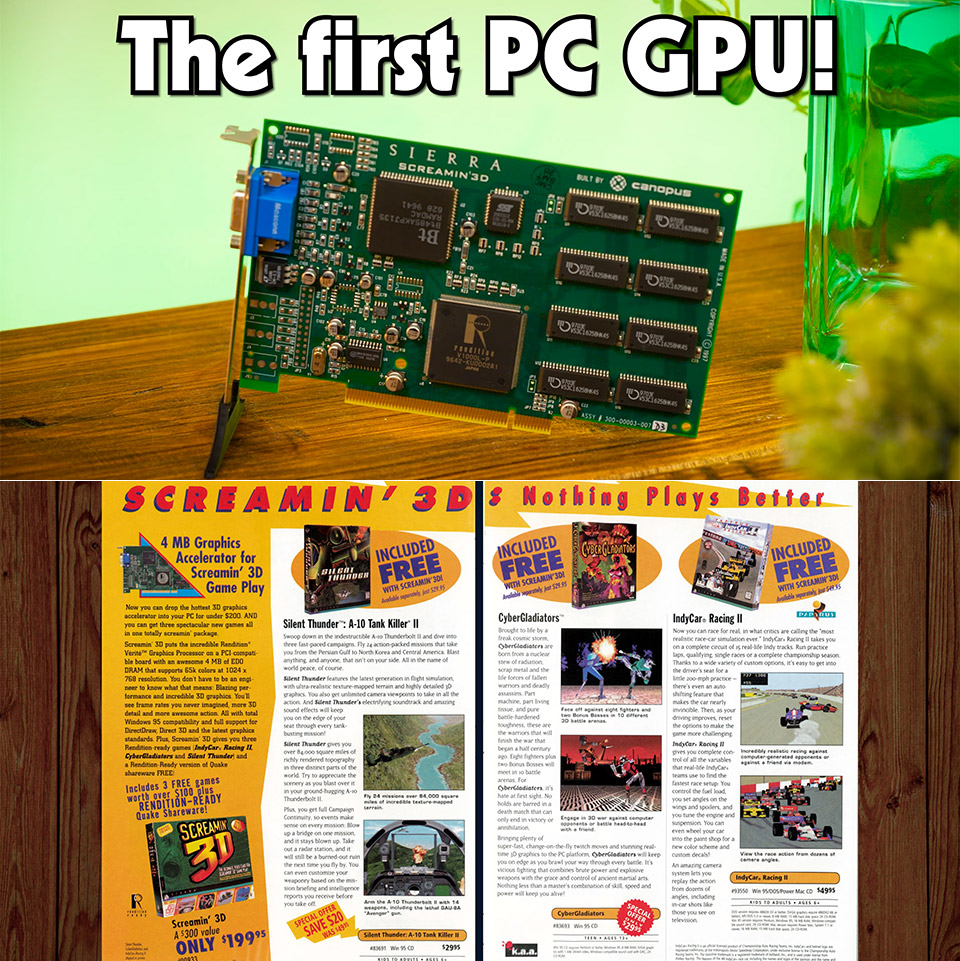
Sierra On-Line spent most of the 1990s shipping adventure games with names like King’s Quest and Space Quest, then spent one Christmas trying to sell the board those games would run on. Screamin’ 3D reached stores in November 1996 at a suggested price of $199, the only graphics card the Oakhurst studio ever put its name on, and it vanished so completely that plenty of people who owned a Sierra box never knew the company had tried hardware at all.

Felix at Billet Labs set out to park a real gaming PC in a living room and leave the fans off. A Ryzen 9 9800X3D and an RTX 5080 share a Gigabyte AORUS Pro B850 board, fed by a 600 watt Flex ATX supply, and the pair can pull well past 500 watts once a demanding game settles in. Air coolers handle that load by moving a lot of air. Moving a lot of air makes noise. An earlier attempt had hung the same idea on a cast iron radiator and ended near 100 kilograms, so this version started over on a hand-worked aluminum block that brings the finished machine down to about 15.7 kilograms once the loop holds roughly two liters of water.

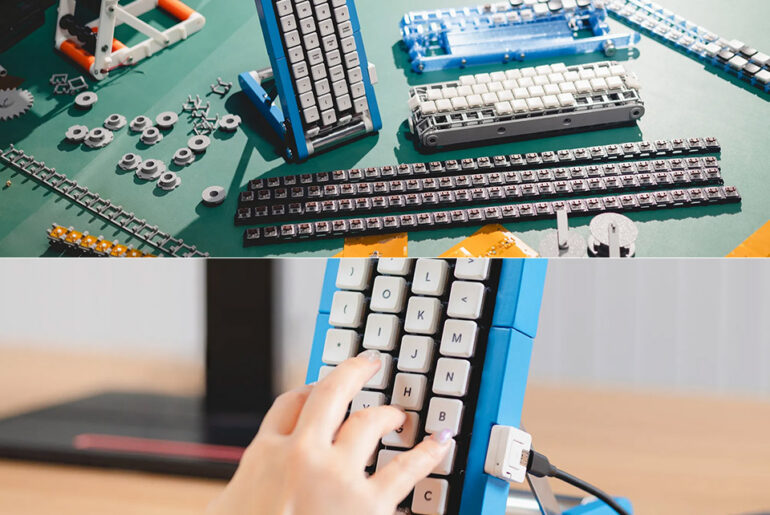
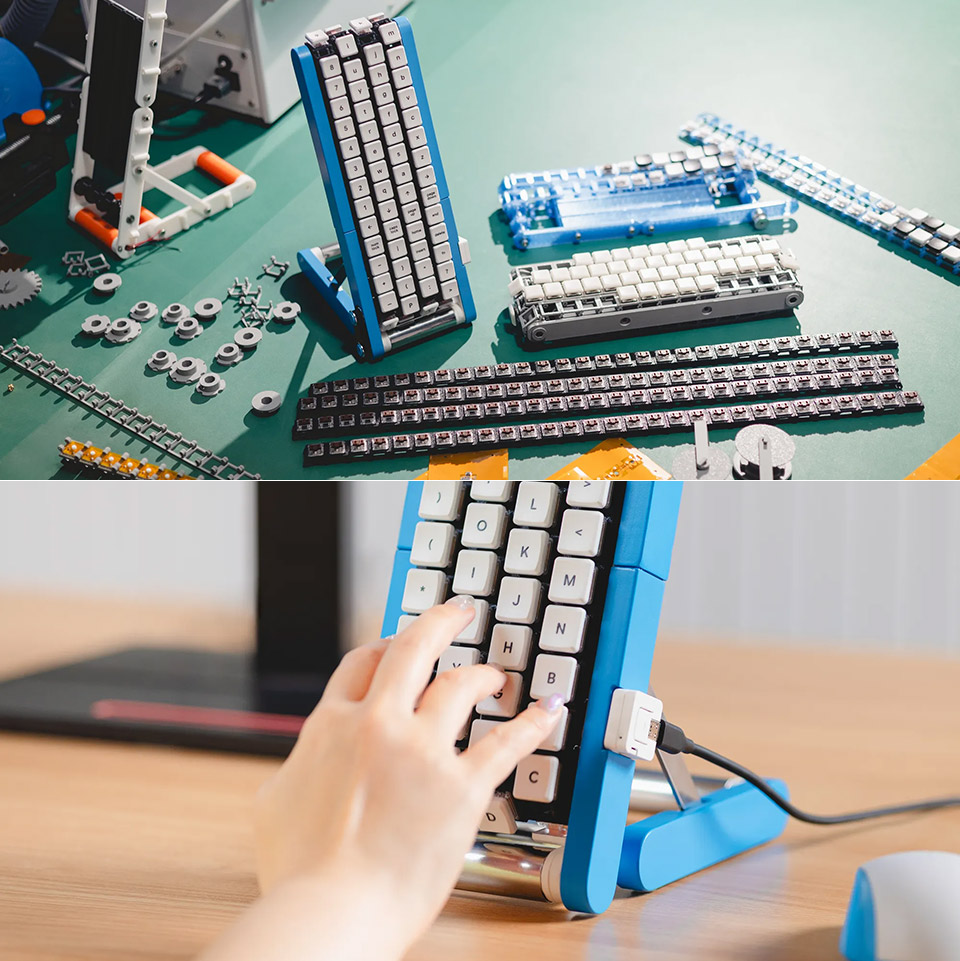
Google Japan marked October 1 with the fifteenth entry in a running series of keyboard proposals from the Gboard team. The date is a small joke on its own. Read as 101, it points at the old full-size layout with a number pad, and the team has used that reading since the company retired its April Fools posts in 2021. This year’s object is called Gboard Conveyor Belt Version, and the name matches the hardware.
![]()
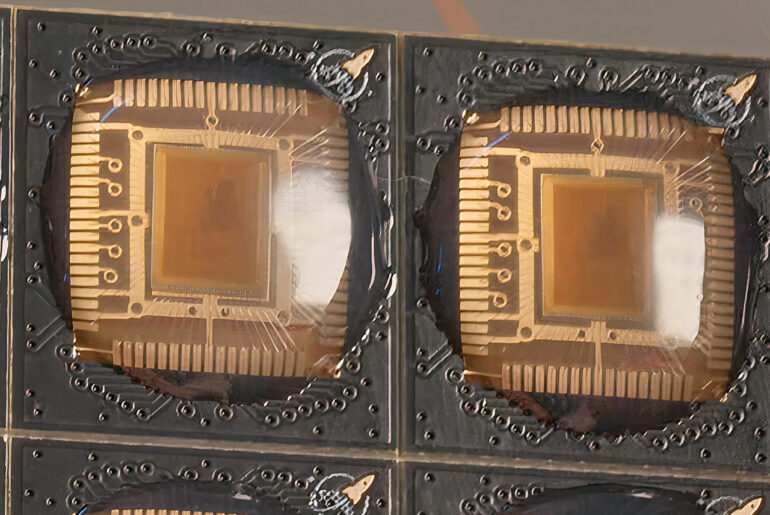
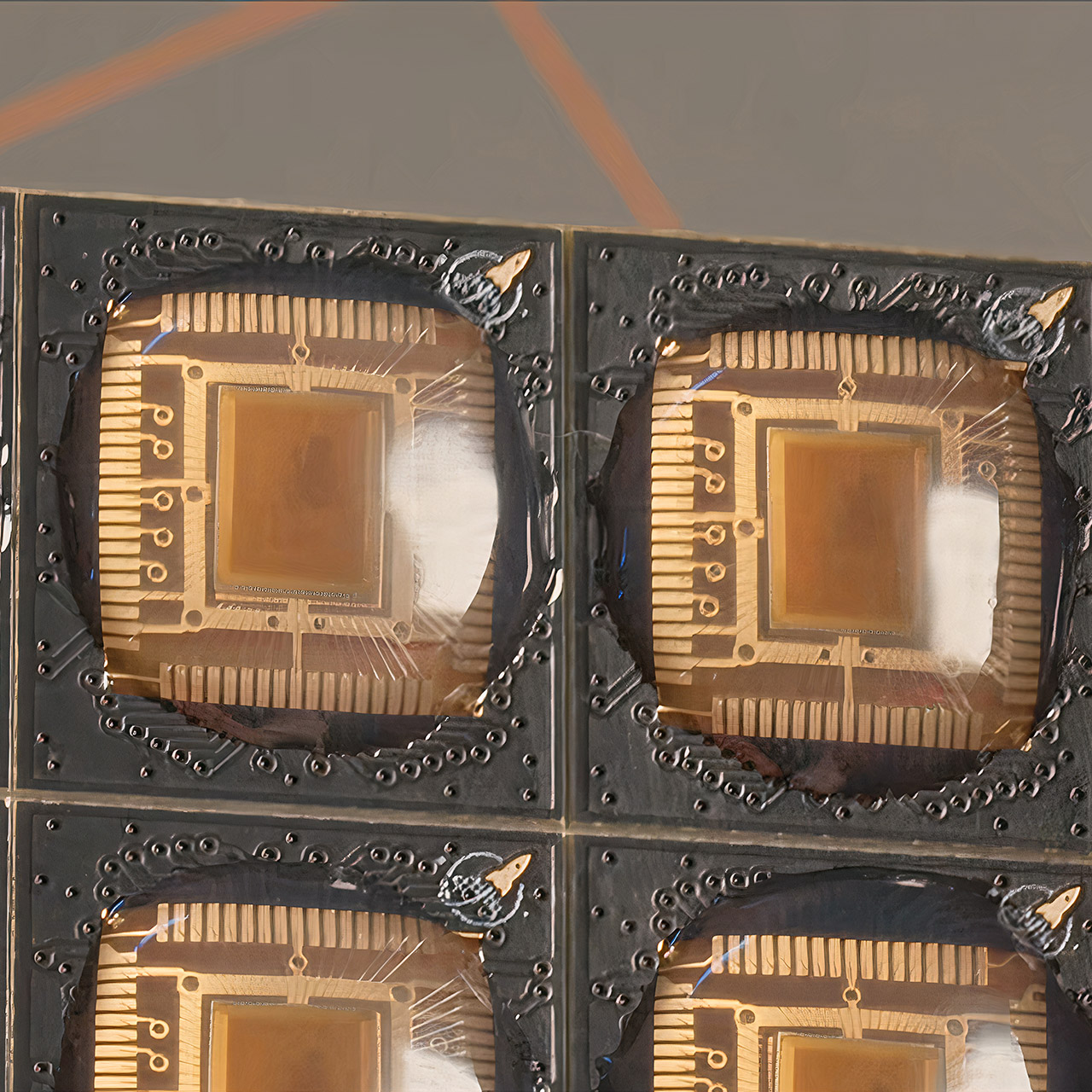
Zachary Tong had never designed a chip. He had never programmed an FPGA either, and he will tell you his electrical skills were rough. With about a month left before the first wafer.space deadline, he still decided to write a microprocessor, send the file to a real foundry, and wait to see if silicon came back alive.

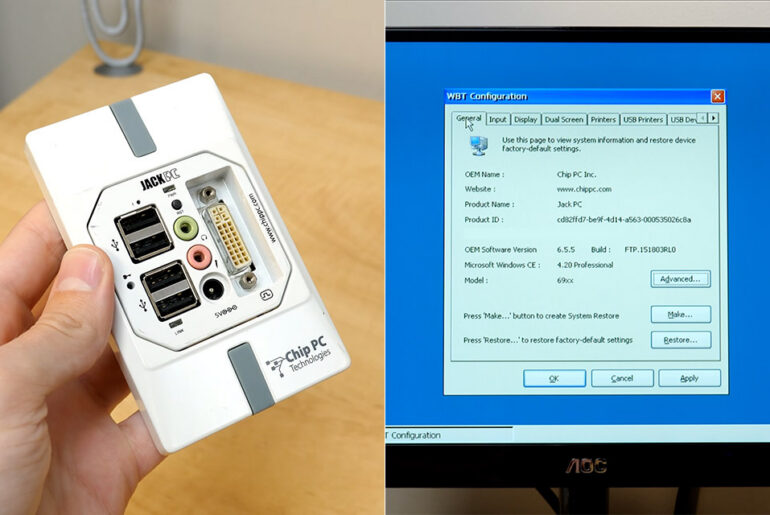
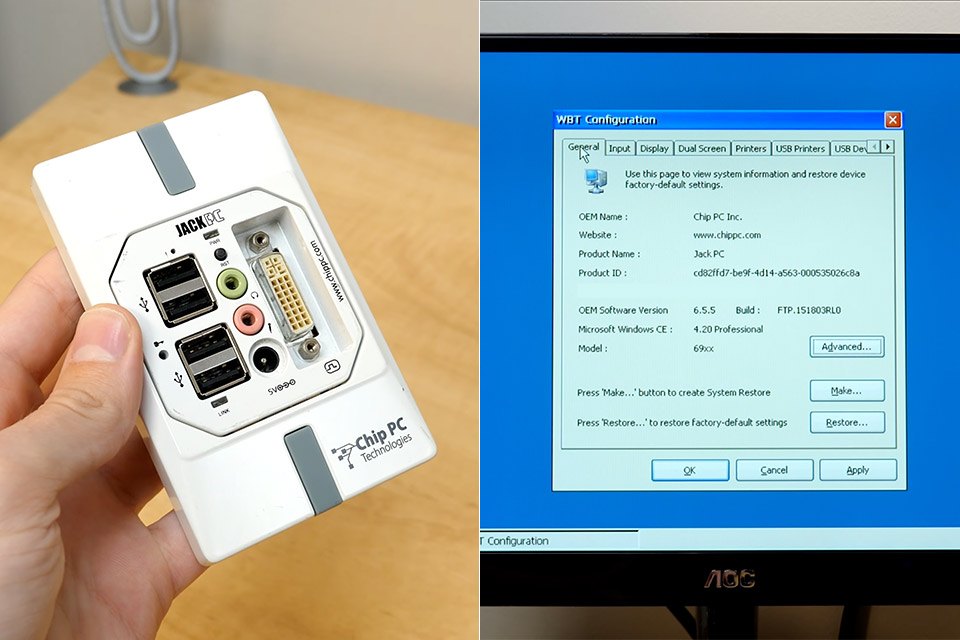
Back in the middle of 2006, a small company called Chip PC Technologies started shipping a computer that vanished into the wall. Jack PC occupied the same opening as a standard network jack, behind a faceplate barely larger than a light-switch cover, and every port a desk worker needed sat on that plate. Offices were paying for floor space by the square foot, and a tower under every desk ate room, power, and repair hours. Chip PC, founded in 2000 and based in Ness Ziona, built thin clients for companies that already ran Citrix or Microsoft terminal servers.

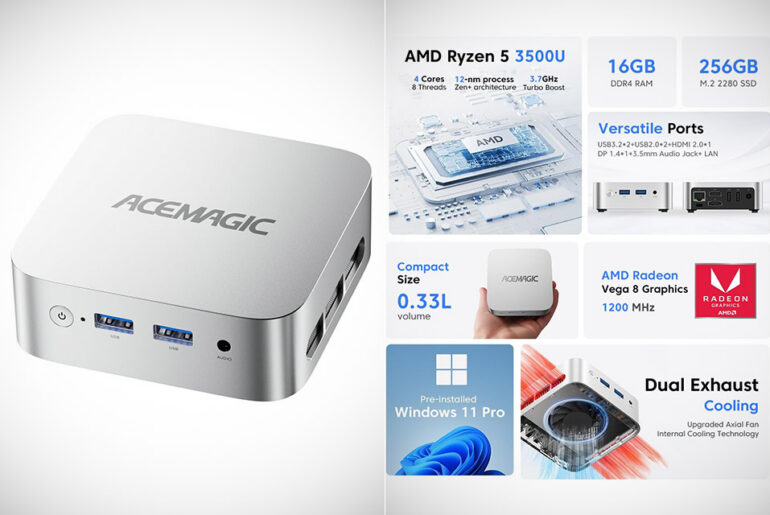
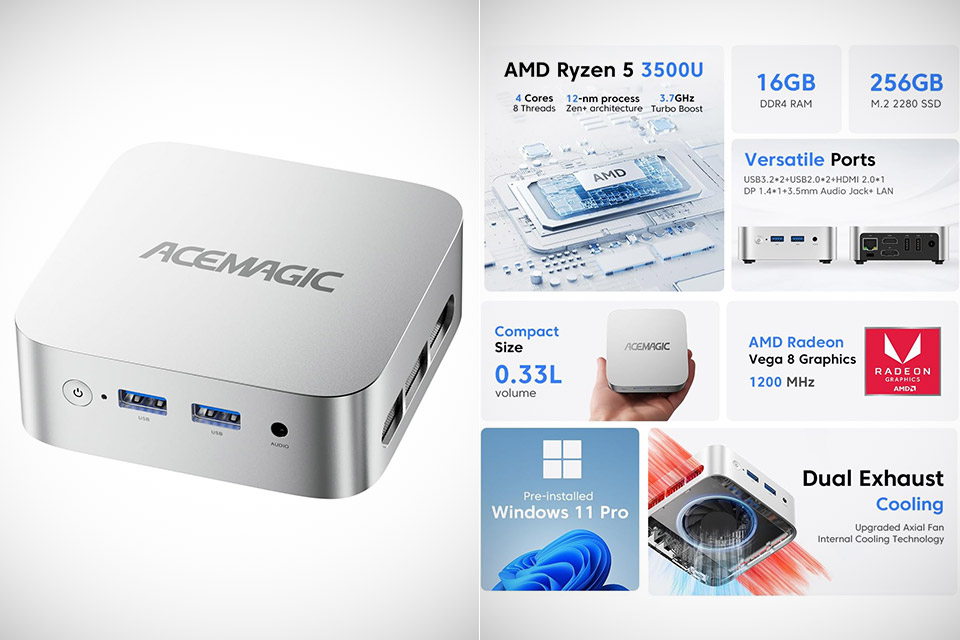
Cheap Windows boxes usually force a compromise you feel by lunch. ACEMAGIC’s Kron Mini K1, priced at $275.18 after clipping the on-page coupon (was $480), tries to dodge that fate by stuffing a real desktop into a cube you can hide behind a monitor, hang with the included VESA plate, or slide onto a shelf and forget. This particular machine features AMD’s Ryzen Embedded R2544, 16GB of DDR4, a 256GB drive, and Windows 11 Pro already on the disk.

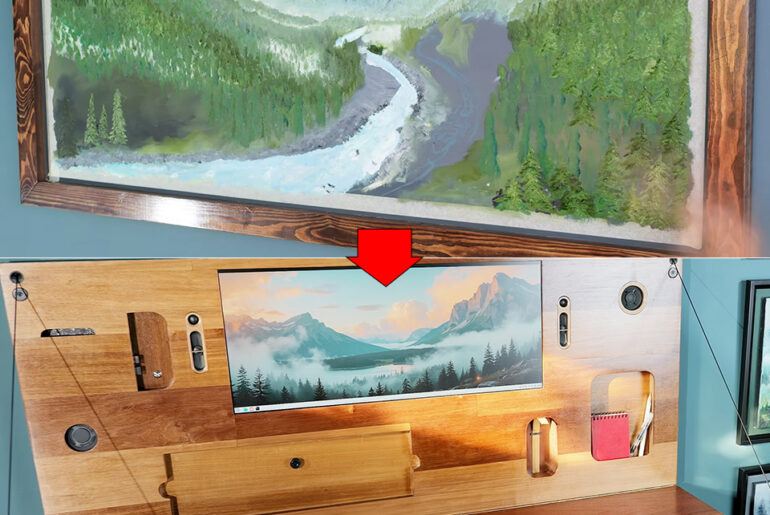
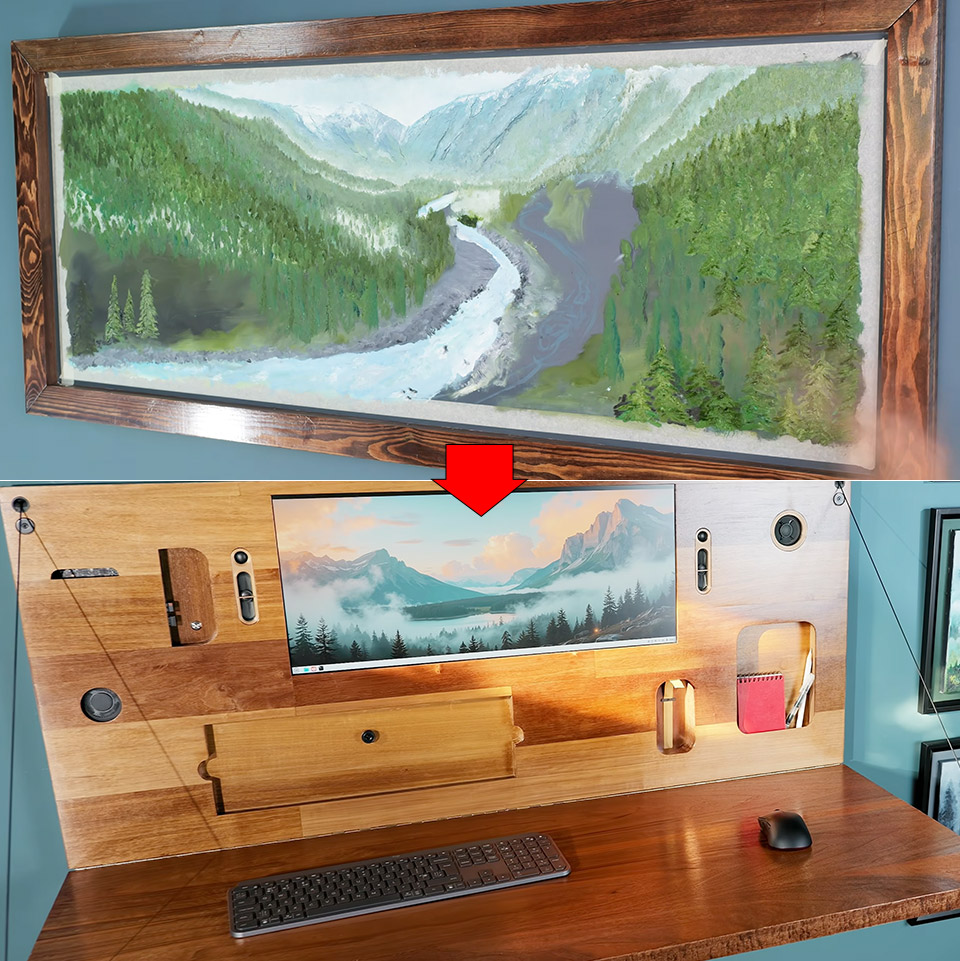
Most visitors would pass the frame of Matthew Perks’ new invisible PC without a second glance. A mountain valley fills the canvas, river through the center, pines and rock along the banks, a small steam engine lost in the mist. Real paintings hang on either side, and the arrangement reads as ordinary wall art. A pull on the top edge breaks a pair of magnets. Piano hinges carry the panel down until Dyneema cord, running through a small roller, stops the swing at a right angle and keeps the line clear of the work surface once the panel is shut again. A finished desk is now in front of you.

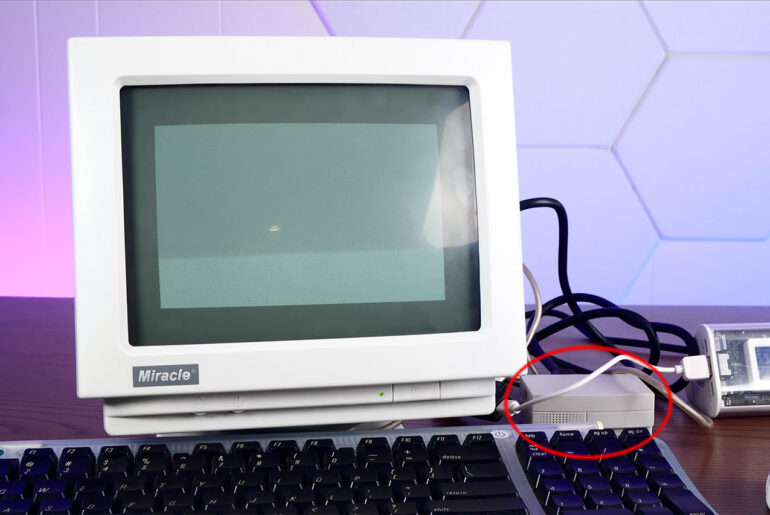
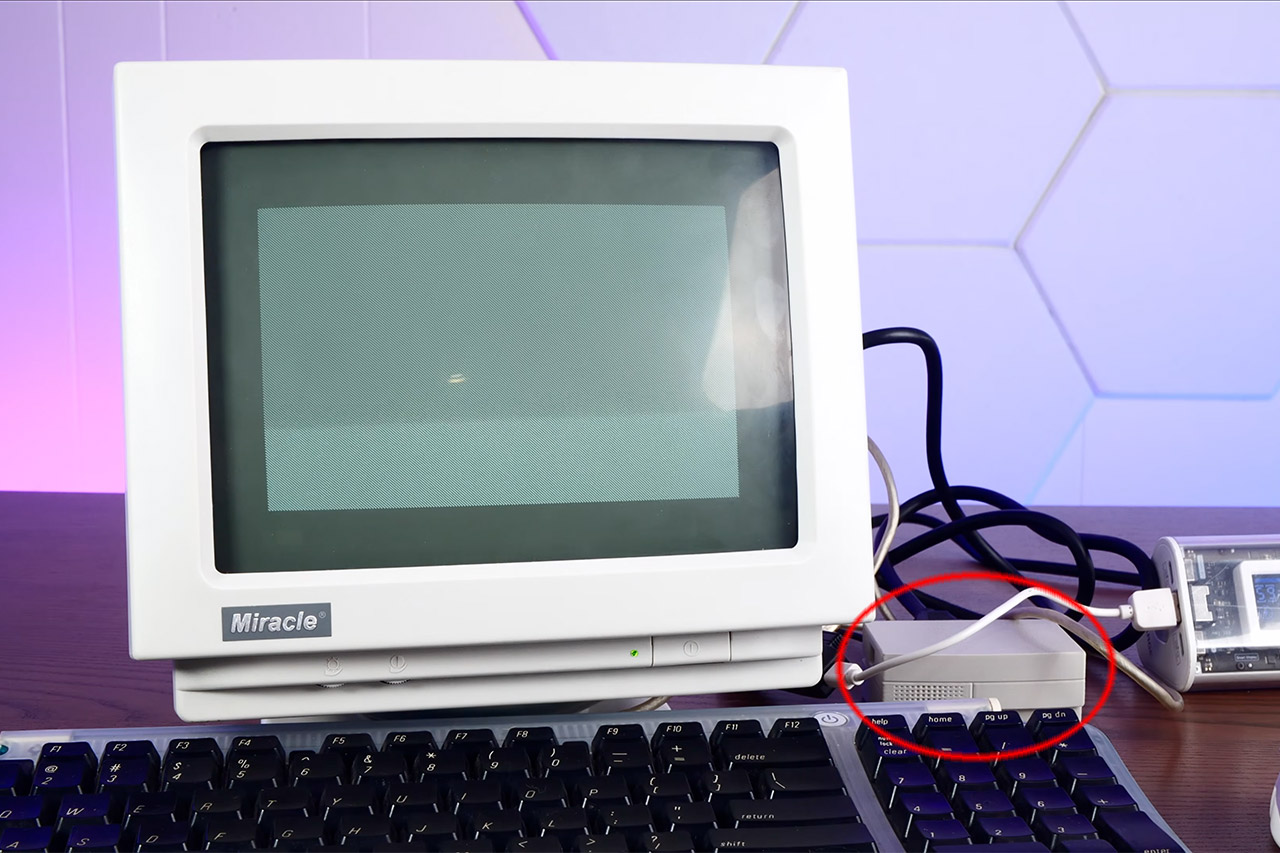
Action Retro just sat down with Pico Micro Mac v3, and the little board did the rare thing cheap retro kits keep promising. Power went in, a smiling Macintosh face appeared, and a real System desktop came up ready for a USB mouse. His video calls it a tiny 90s Macintosh. Software-wise it is closer to the 128K and Plus years. The charm is that the desktop is genuine, clickable, and running on a microcontroller you can cover with two fingers.