On a February evening in 1990, two presenters sat down with a stack of old reports and asked a simple question. What became of the cameras that were supposed to change photography forever? Peter Macann and Kate Bellingham pulled clips from the Tomorrow’s World archive and walked viewers through four ideas that had once looked like the next big thing. Some had already faded. One had quietly taken over. Another was still waiting for the rest of the technology to catch up.
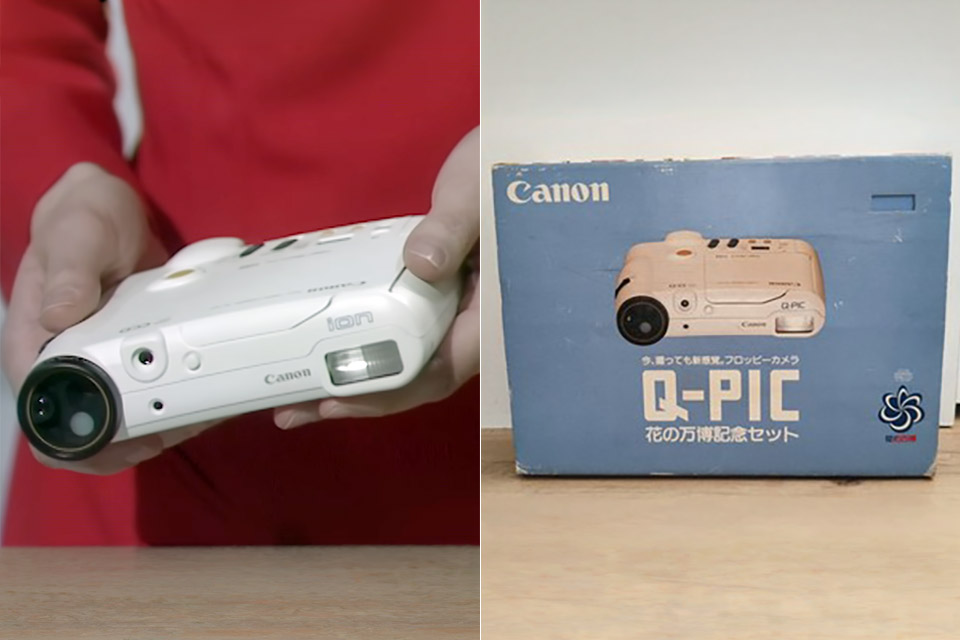
Peter returns to work on a device he showed off to the world four years ago. When 1986 arrived, the still video camera appeared to be rather ordinary, until you discovered that it saved images on a floppy disk rather than film. Can you imagine? Anyway, you merely pointed the contraption at what you wanted to photograph, and the pictures appeared on the TV straight away; no need to rush off to the chemist to have them developed, and no waiting for hours. By 1990, amateur versions were available in stores, but they were still quite expensive at around £500, and the prints they created appeared soft and expensive when compared to a regular color print. The prototype on the desk that night was a bit weird. It had a cumbersome adapter that fastened onto the rear of a standard camera body, allowing photographers to select between film and electronic storage, as if they could have it both ways. The problem was that the supporting ideas weren’t nearly ready yet.

- Support photo taking and video recording
- 4 frames and 7 filters available in photo mode
- 1440 x 1080 image output; 1.6M megapixels
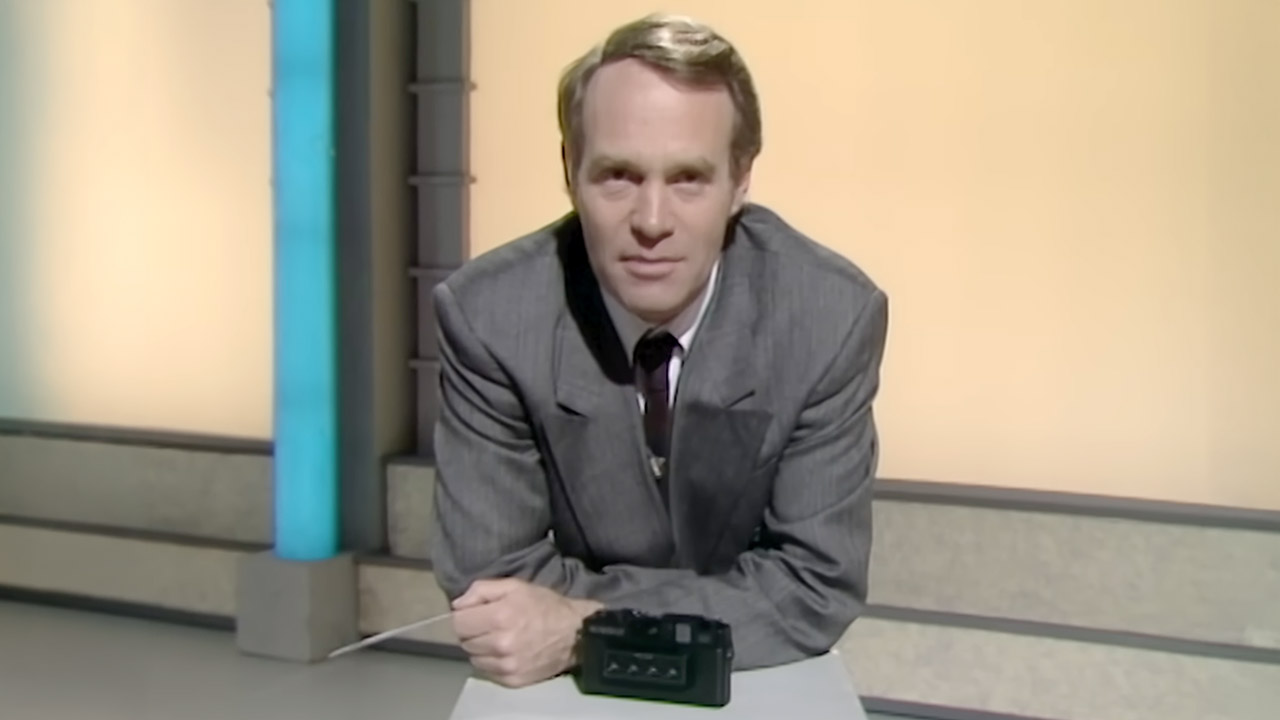
Next followed the Nimslo, a four-lens camera that debuted in 1981. Each of the lenses was capturing the same sight from a slightly different perspective. Special processing then merged all of the individual frames together to create a print with true depth, if viewed correctly. The American creators dubbed this the photography of the future, and British stores charged two hundred pounds for it. However, processing the film incurred an additional expense of three times the typical cost of film.
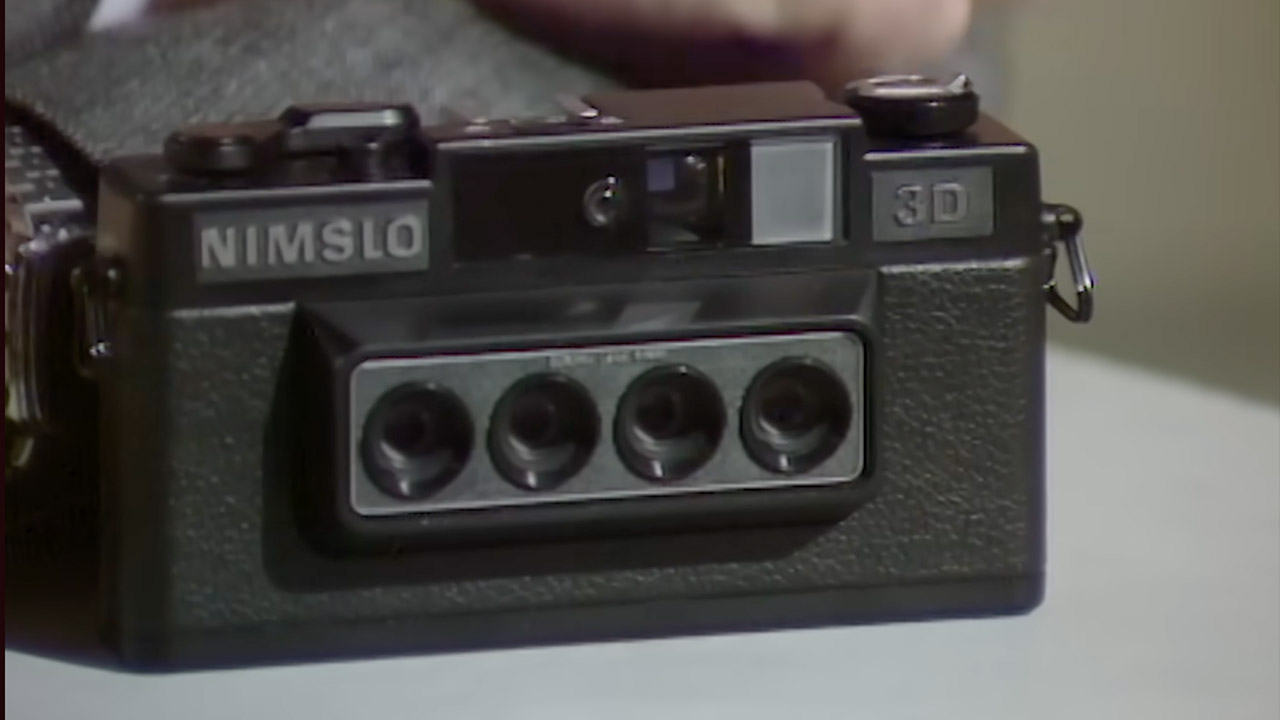
By the end of the year, the Nimslo had disappeared from store shelves. However, that innovative system of four lenses was eventually transferred to Japan to a business called Nishika. They were more practical in their approach, and the revised version they released later that year cut things down significantly. There was no more painfully difficult autofocus or automatic exposure; instead, you had fixed focus, manual film winding, and everything else. A far simpler, less expensive tool geared specifically at folks looking for that depth effect without spending a fortune.
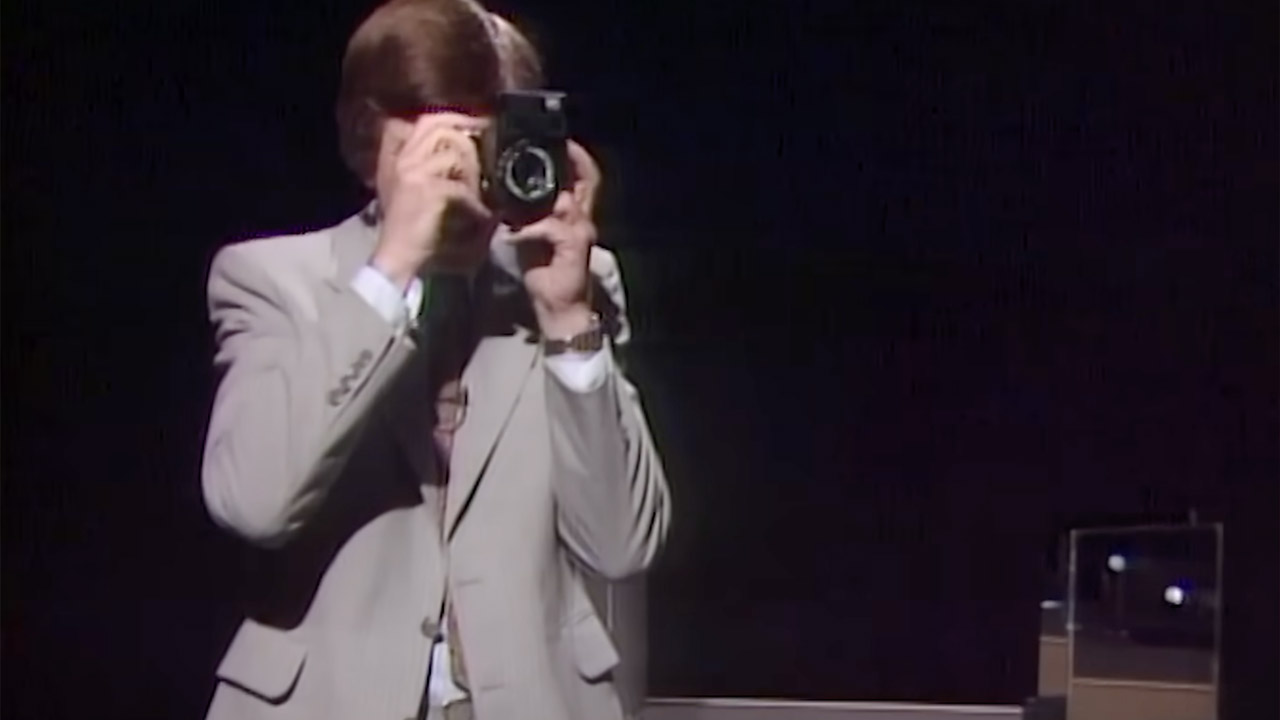
Autofocus, on the other hand, was the complete polar opposite of an exciting story. In 1981, Michael Rodd invented one of the first interchangeable lenses capable of focusing on its own. Nine years later, that capability has simply become a normal feature of most cameras sold to the general public. You’d be hard pushed to detect a distinction between the actual process of shooting a photograph. The camera simply made it faster and more reliable, and that quiet, steady utility lasted far longer than many of the more absurd claims.
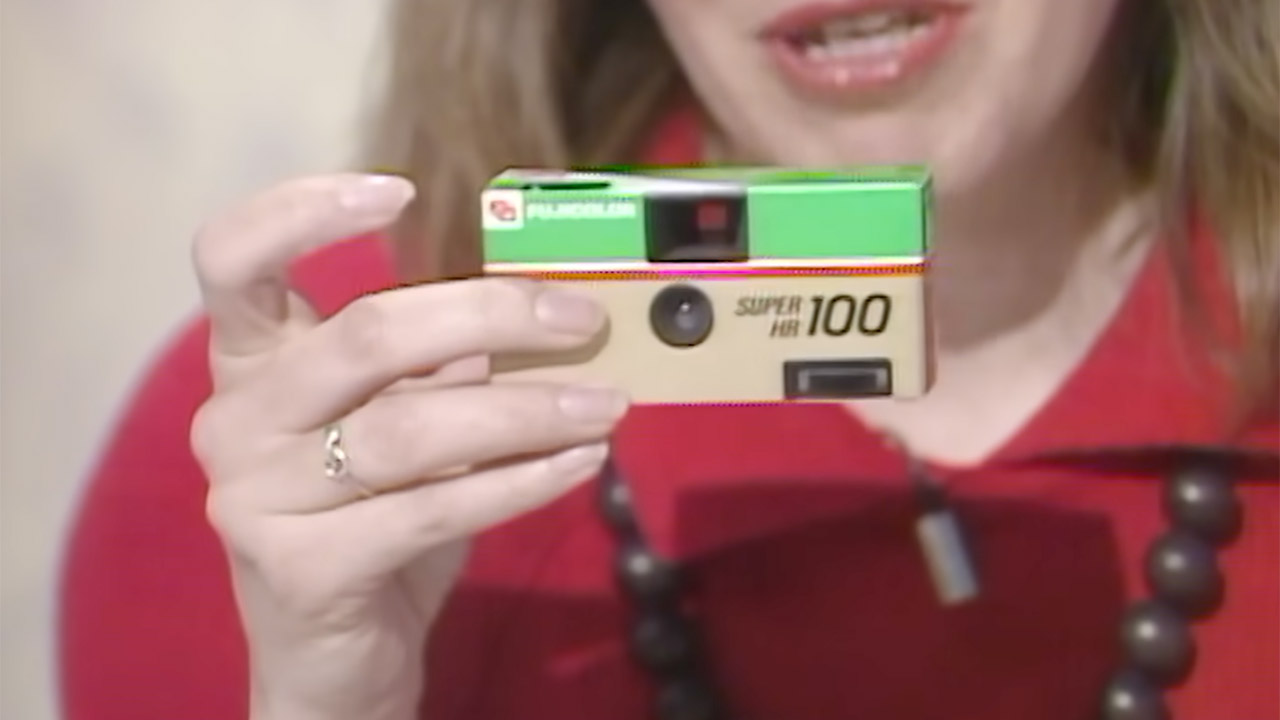
Then, returning on television, is Maggie Philbin from 1986, holding up a little plastic box containing a film cartridge, a rudimentary lens, a shutter, and a single hole that acts as a viewfinder. The concept back then was that the entire thing should be used once and then discarded. That initially seems dubious, if not wasteful. Four years later, however, disposable cameras flooded the market. People bought them for vacations, parties, and any other occasion when they didn’t want to risk throwing away a good camera. Soon, there were variants that worked underwater, captured panoramic images, and so on. Some manufacturers even anticipated the scenario by intending to collect plastic cases during processing and then return them to production. In the end, the old, old formulae won out: simplicity, low cost, and easy replacement; all of these proved to be considerably more powerful than all of the futuristic nonsense.