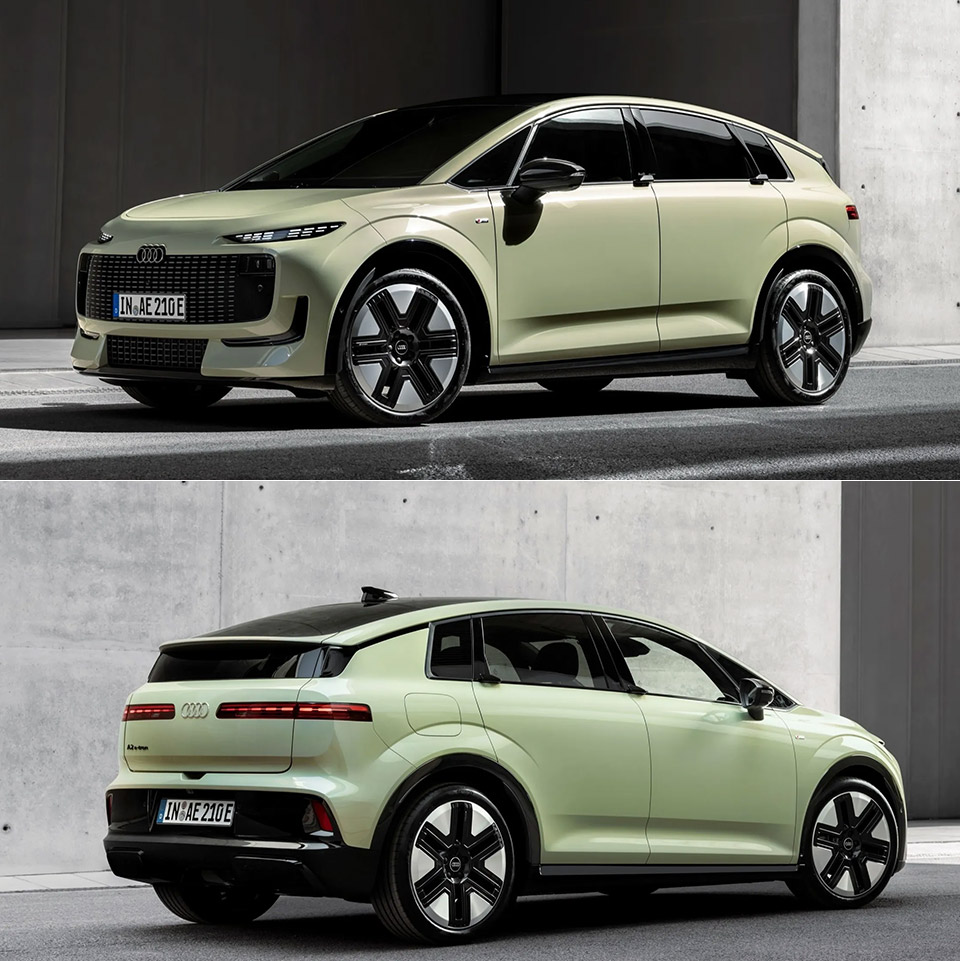
Audi put the A2 name back on a production car this morning, and the claim attached to it is blunt. A2 e-tron is the most efficient electric Audi the company has built, with official consumption as low as 12.8 kWh per 100 kilometers and a WLTP range that reaches 646 kilometers on the largest battery.
Twenty-five years after the original aluminum A2 left the factory floor, this new iteration is larger, wider, and designed with a different type of thrifty owner in mind. It is also significantly longer, measuring 4.32 meters with a 2.77-meter wheelbase. At 1.79 meters wide and 1.55 meters high, the body is tiny; nonetheless, the wheelbase is similar to that of some of Audi’s larger electric cars, making back legroom feel out of scale. They’ve given a reference to the 1999 A2 with a split back window and short overhangs, but they’ve made it clear that they’re not replicating anything, including the spaceframe and three-liter diesel engine.

- RACE CAR BUILDING TOY – Kids can assemble their dream vehicle with the LEGO Technic Dodge Viper GTS-R Sports Car (42234) building toy for boys and...
- TOY CAR WITH AUTHENTIC DETAILS – Discover realistic features like a V10 engine with moving pistons, an opening hood and doors, a differential and an...
- FORZA HORIZON 6 UNLOCKABLE – Get a special LEGO Technic livery in the Forza Horizon 6 video game – please note that a copy of the game is required...
Audi claims to have reduced the drag coefficient to 0.24 by sealing the underbody, adding wheel-arch gap reducers, shoehorning in flush electric door handles with a battery pack, and using a clever cooling air intake that shuts off when the battery doesn’t need a breath. In addition, they’ve put 19-inch aero wheels and low-resistance tyres to the efficiency pack for the 140 kW version, which has a 12.8 kWh number. They’ve also installed acoustic glass, a couple of door seals, and cleaned up the mirrors to prevent wind noise from destroying all of the good work.
Four rear-wheel drive configurations provide engine options, and each has a single motor, a 125 kW unit paired with a 52 kWh lithium iron phosphate battery for 423 kilometers. Moving to 140 kW and a 61 kWh LFP battery increases the range to 515 kilometers. Then there’s the 84 kWh nickel-manganese-cobalt battery under the 170 kW and 240 kW automobiles, which is good for 646 and 630 kilometers respectively. The entry-level variant accelerates from 0 to 100 km/h in 8.8 seconds, whereas the 240 kW variant takes only 5.7 seconds. The majority of the automobiles have a top speed of 160 km/h, although the fastest can hit 200. Towing is rated at 1,600 kgs across the board, with lighter packs weighing approximately 1,840 kgs and larger packs weighing slightly more than 1,900 kg.
DC charging peaks at 100 or 105 kW on the LFP cars and 183 kW on the NMC pair, thus a 10-80 percent charge takes anywhere from 24 to 29 minutes. Fortunately, they all accept 11 kW of AC power, and you can even update to bidirectional technology that allows you to feed electricity back into the grid in Germany, Austria, and Switzerland, or use it to operate tools and charge your bike from a socket in the boot. The other three cars have fuel economy ranging from 13.7 to 14.2 kWh per 100 kilometers, which is still quite good for a premium compact in my opinion.
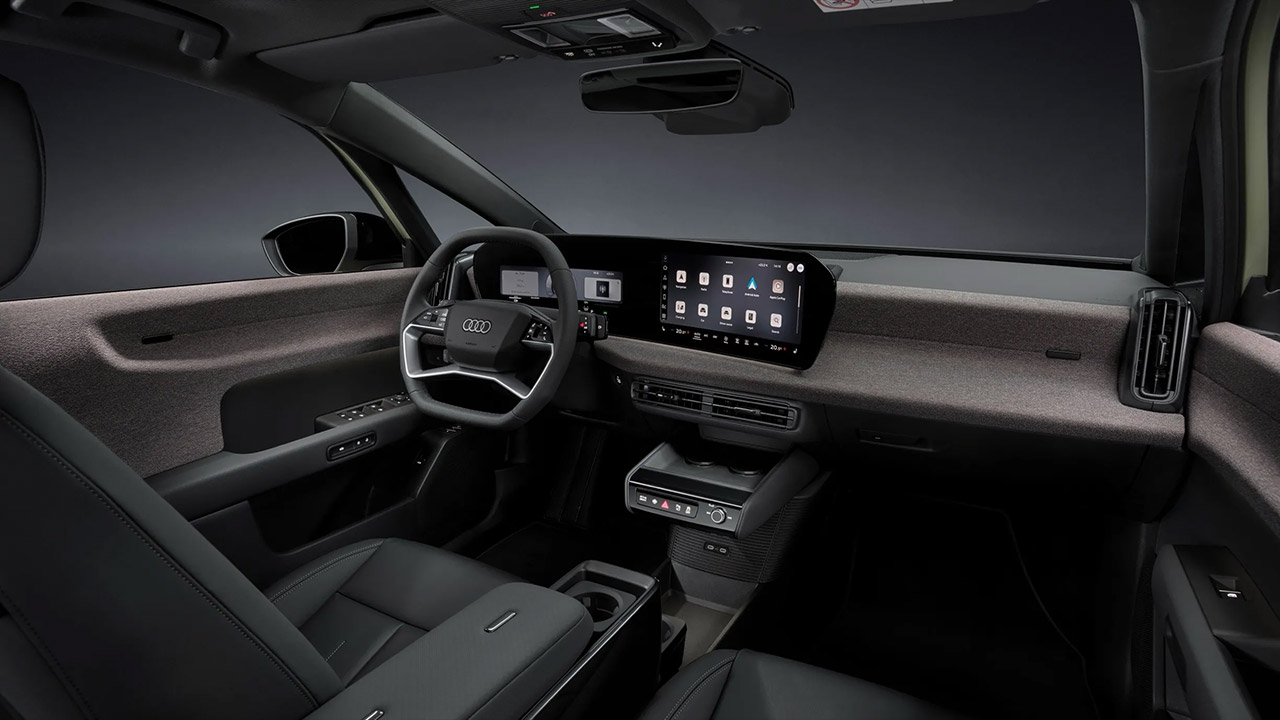
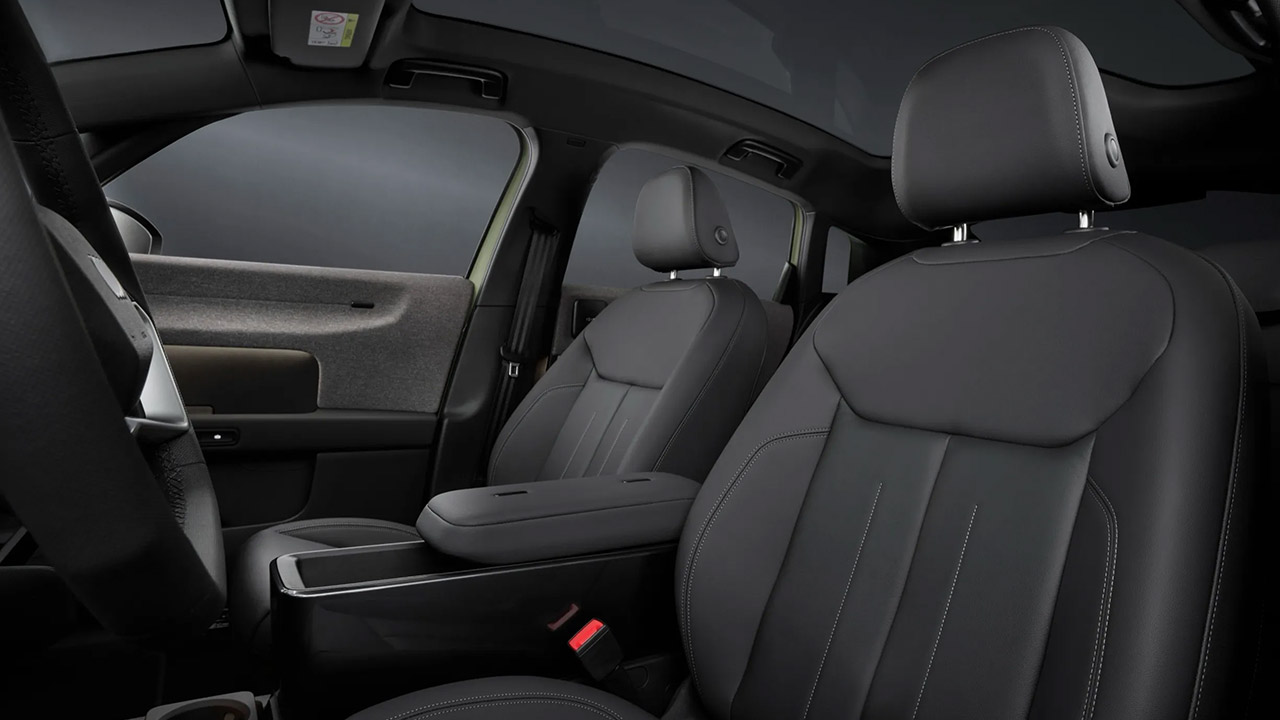
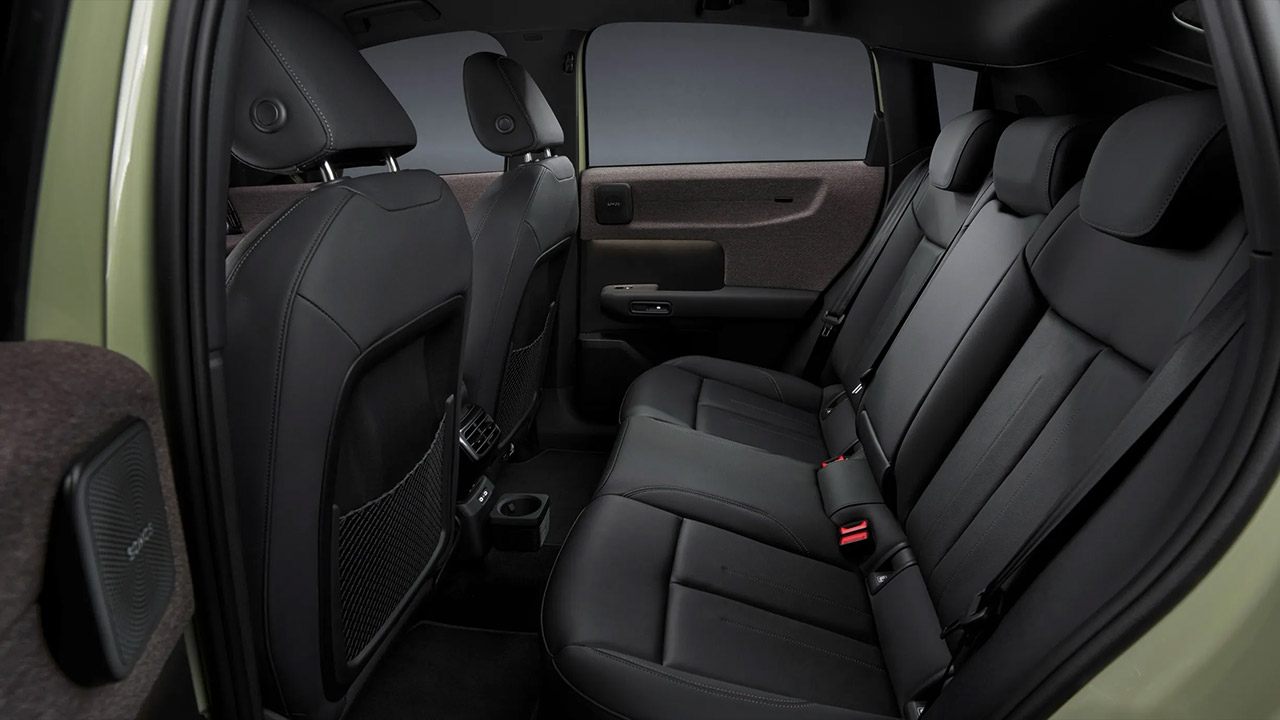
Cabin work is much quieter than sheet metal. You have a cloth Softwrap running from the dash to the doors. Because the gear selection is located on the steering column, the console can really house a cooled Qi 2.2 tray to hold two phones, which is a wonderful feature. They’ve even included Magnetic Fidlock mounts to hold cupholders and cable bags in place, which is a first for a production Audi, according to what I’ve heard. Standard display displays include an 11.9-inch driver display and a 12.8-inch curved touch panel, but you can also add an augmented-reality head-up display. The space in the back is adequate, with 396 liters behind the rear seats and 1336 liters when they are folded, and if you choose one of the pricier versions, you get an extra 13 liter boot up front. Interestingly, they used over 300 recycled parts made of steel, aluminum, or plastic. If you’re feeling fancy, you can even upgrade to optional Matrix LED headlights and a 1.6 square meter glass roof, which make the car appear more like a luxury model than a tool.
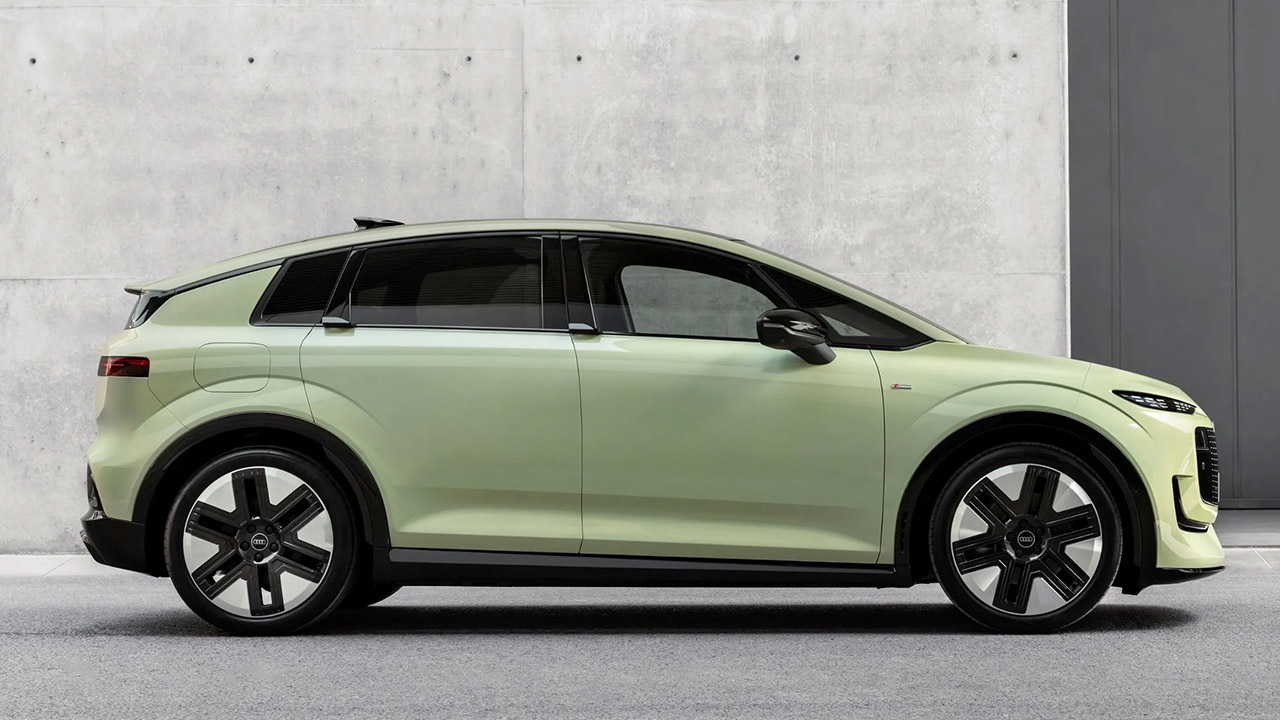
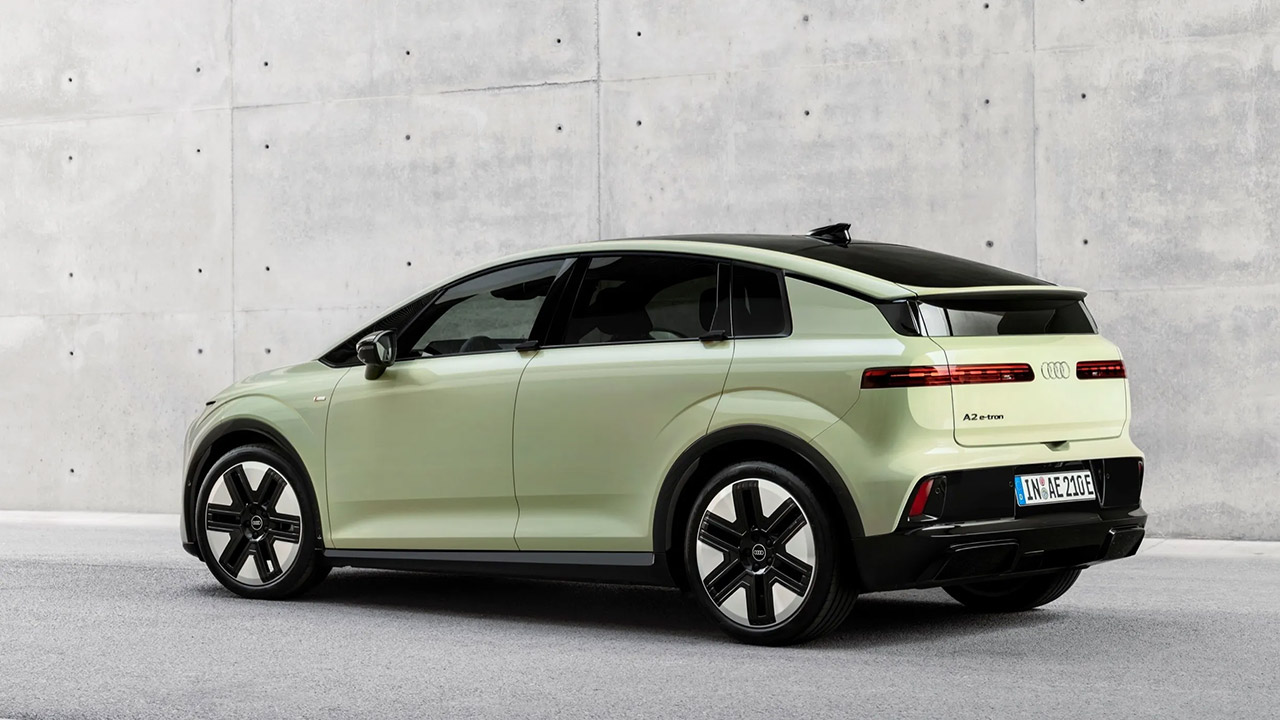
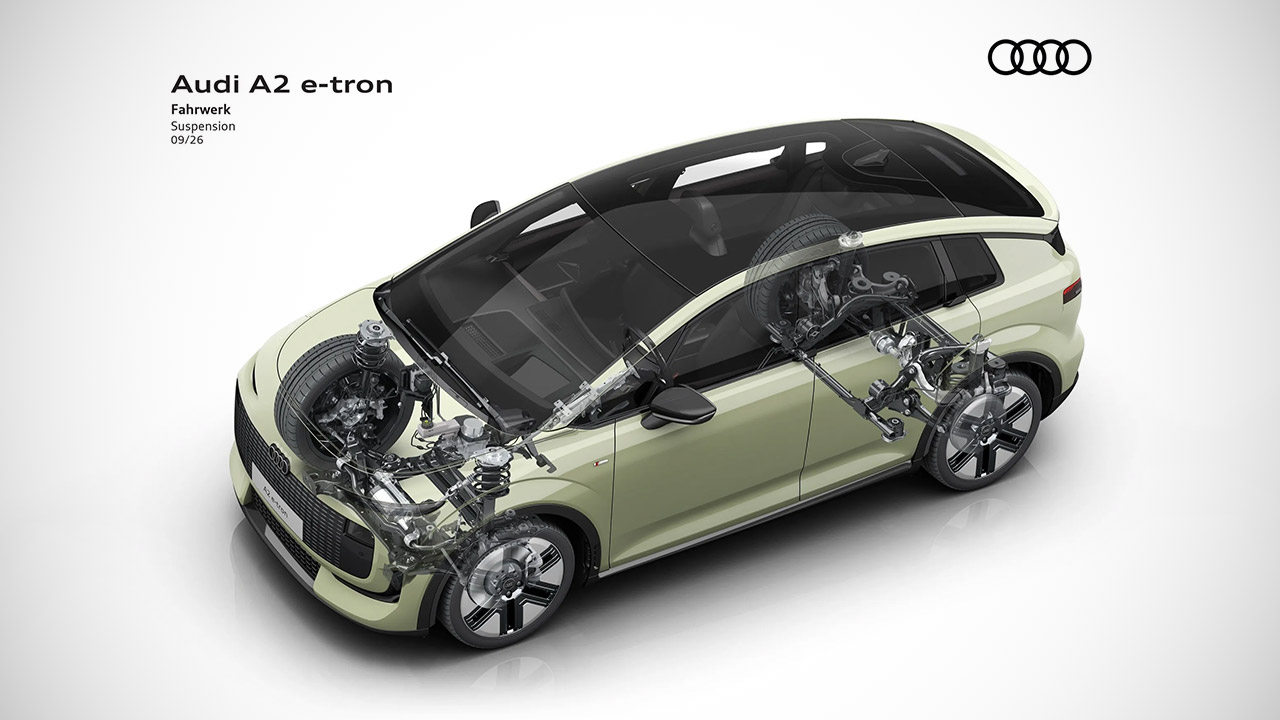
Prices in Germany range from 38,200 euros for the 125 kw variant to 51,200 euros for the flagship 240 kw model. The UK list begins at a more modest 32,200 pounds. German clients can place orders starting September 10th and receive one of these new automobiles from Ingolstadt in December. British purchasers will have to wait a little longer, as order books open in October, and they may receive their new Audi in early 2027. No word yet on US sales, but we expect to hear something soon. Another thing worth noting is that the car’s platform is very similar to Volkswagen’s ID.3 family, but you’d never know it based on the final product.