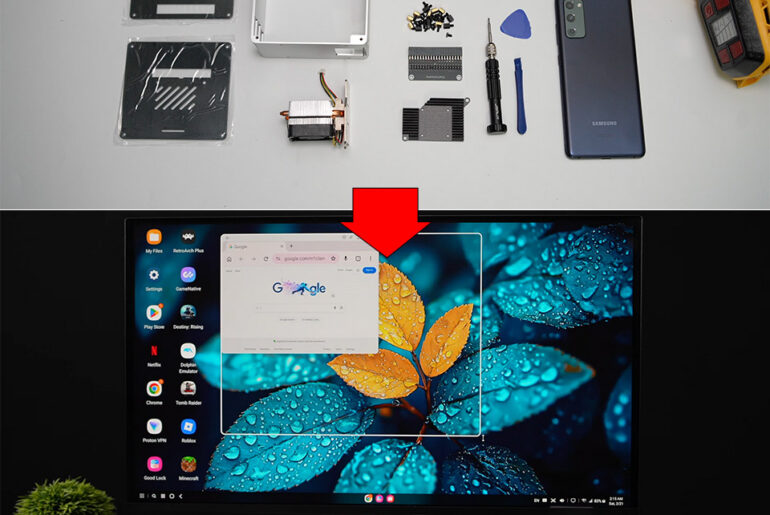
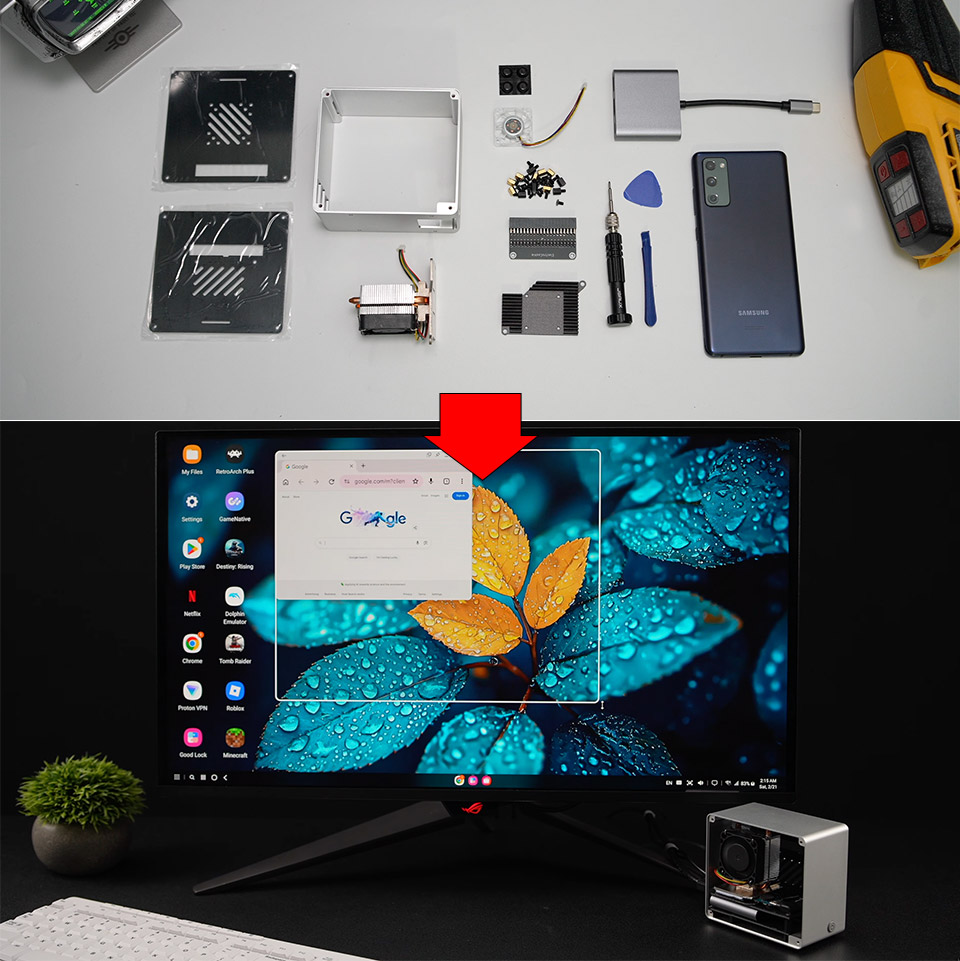
A smartphone screen that’s seen better days doesnt mean the phone itself is about to kick the bucket, as proven by ETA Prime who took that battered Samsung Galaxy S20 FE and turned it into a mini PC for less than $100, and still had some cash left in his pocket.

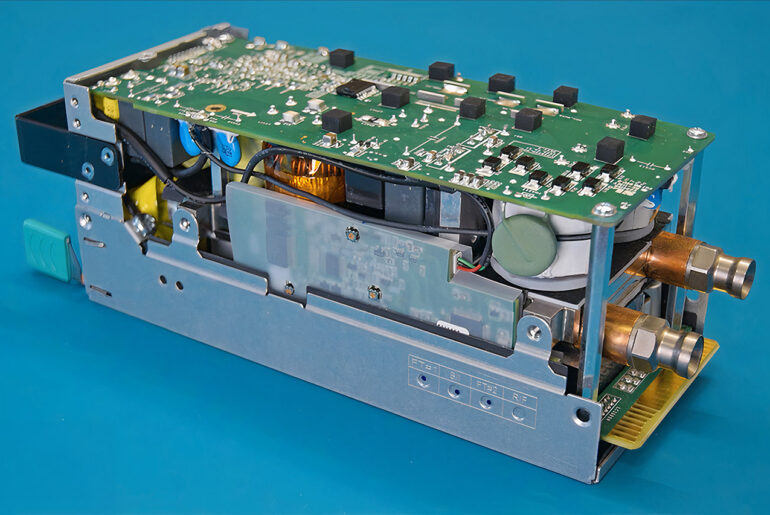
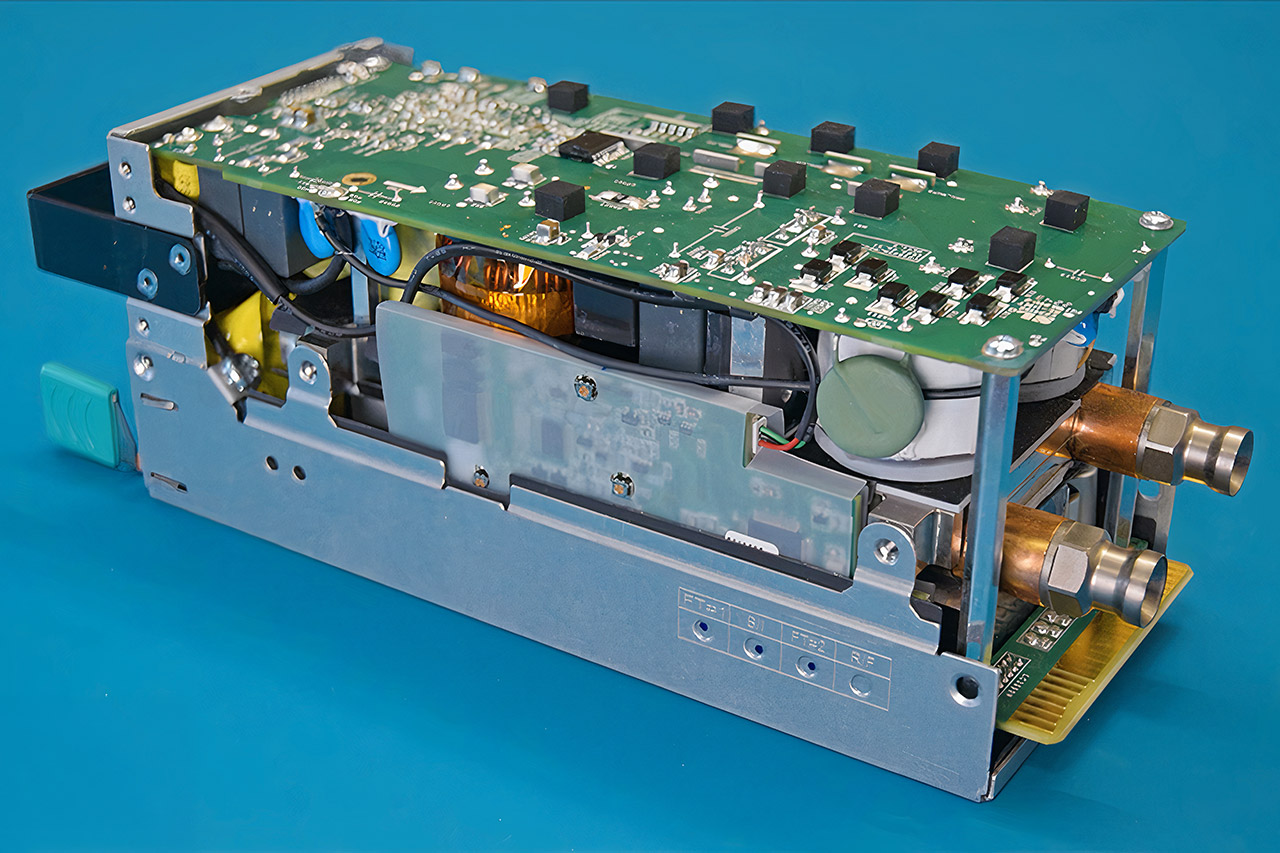
A 3000W power supply often conjures up images of huge metal boxes with noisy fans pumping air over massive heat sinks, but this Intel reference unit blasts that idea out of the water, or rather keeps it cool, due to a water cooling system that keeps everything nice and clean.

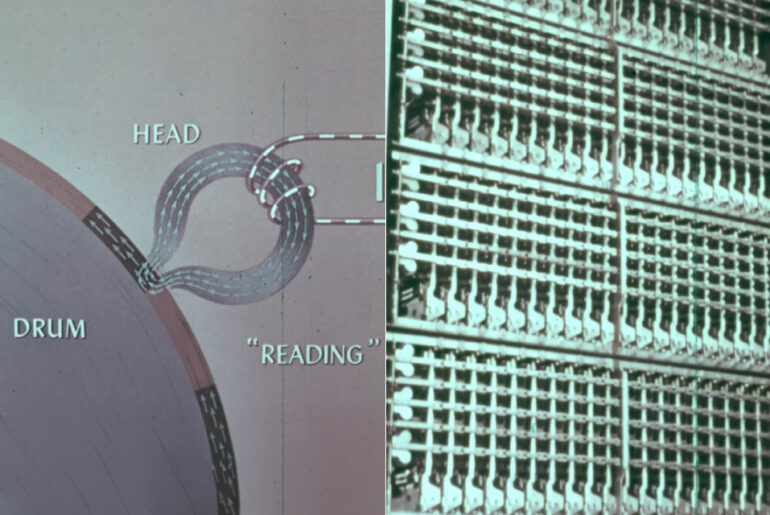
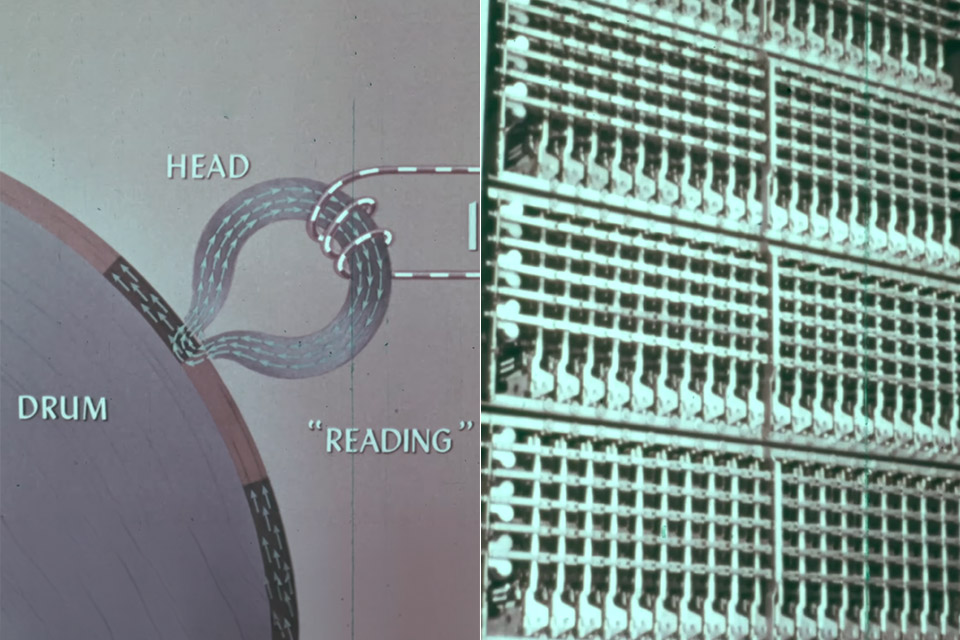
This 1959 Bell Labs film provides a glimpse into a world where computers were little more than a collection of clever mechanical and magnetic tricks for storing anything in memory. It’s the story of engineers seeking to develop a solution to store binary data that was fast, reliable, and non-volatile, and could be accessed at any time without having to wait for a drum to spin or a tape to scan. One segment stands out for its innovative solution: the Twistor memory.

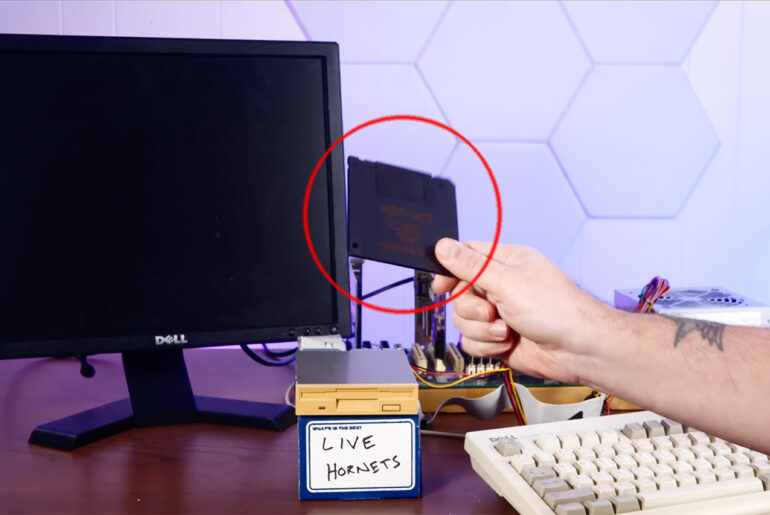
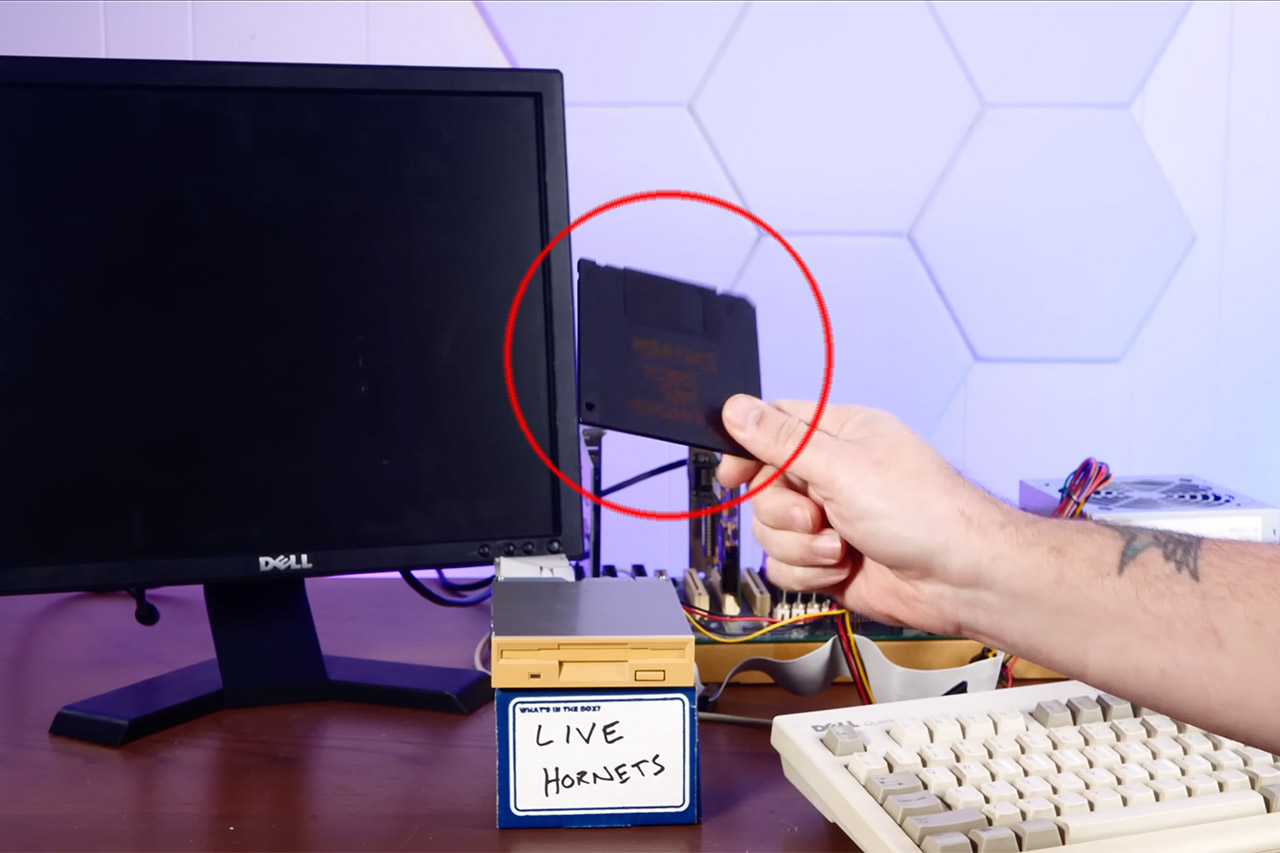
Today, a single 1.44MB floppy disk is sufficient to run an entire operating system and a functional web server. Despite the fact that hardware costs are soaring, this demonstrates that you don’t need the latest and greatest to support a server; just a little old-fashioned efficiency.

The Razer Orochi V2, priced at $29.99 after clipping the on-page coupon (was $69.99), is a rare piece of hardware that quietly influences talks long after it initially appears on the scene. At first appearance, it is evident that size was the design priority for this mouse. Razer designed it to be 108mm long, 60mm wide, and 38mm tall, making it easy to fit inside a laptop bag. It’s also incredibly light, weighing less than 60 grams without the battery and more than doubling to 73 grams with a regular AA.

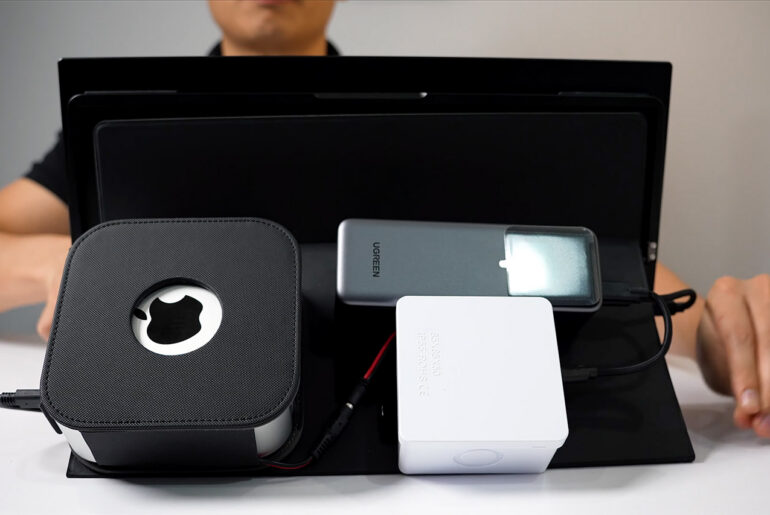
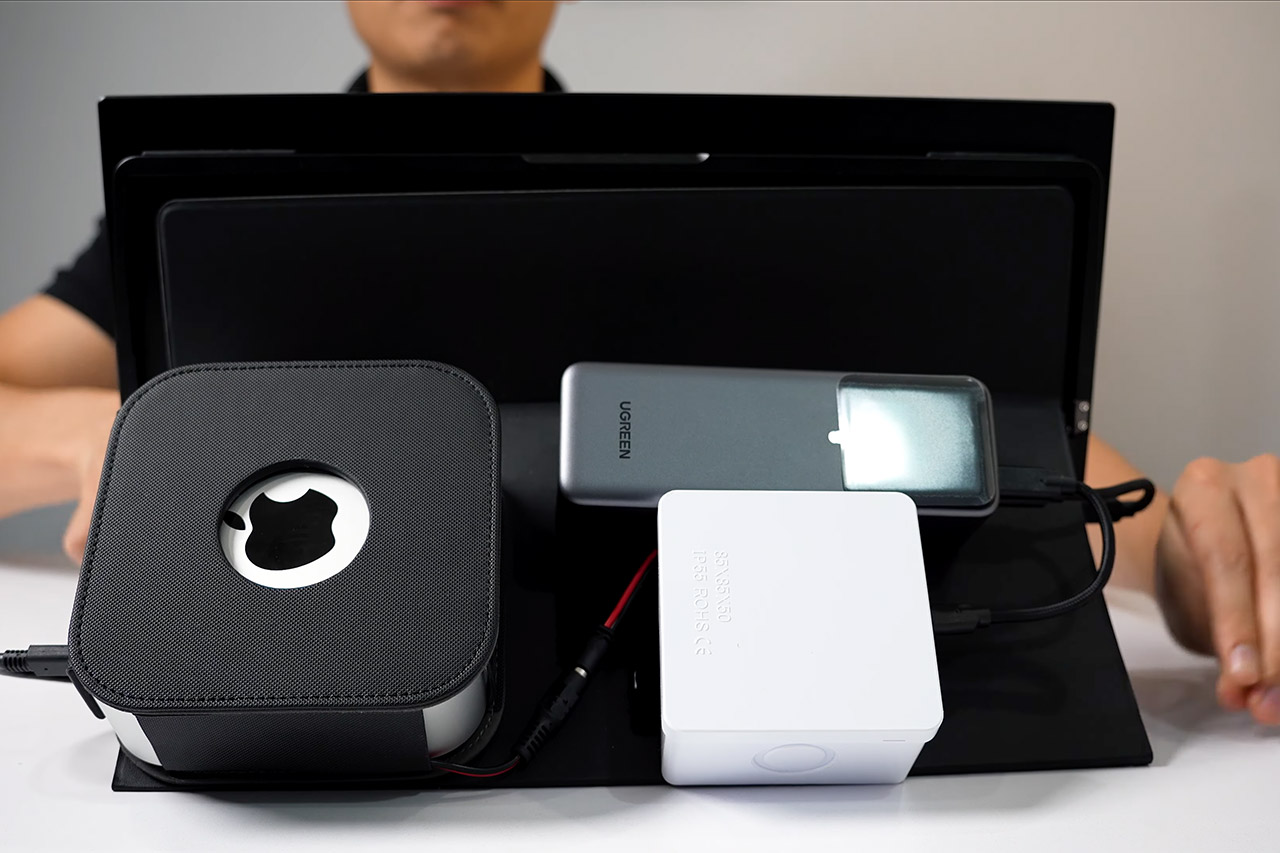
Modder Tommy Doan shows how to transform a Mac Mini M4 into a portable battery-powered machine that can function without being hooked into a wall outlet. People who stick with desktop computers are typically tempted to its sheer power and familiarity, but they miss out on the opportunity to work from anywhere.

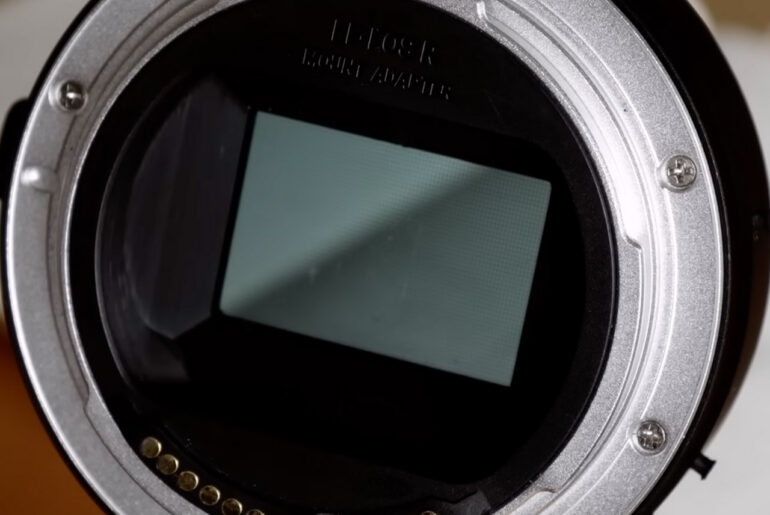
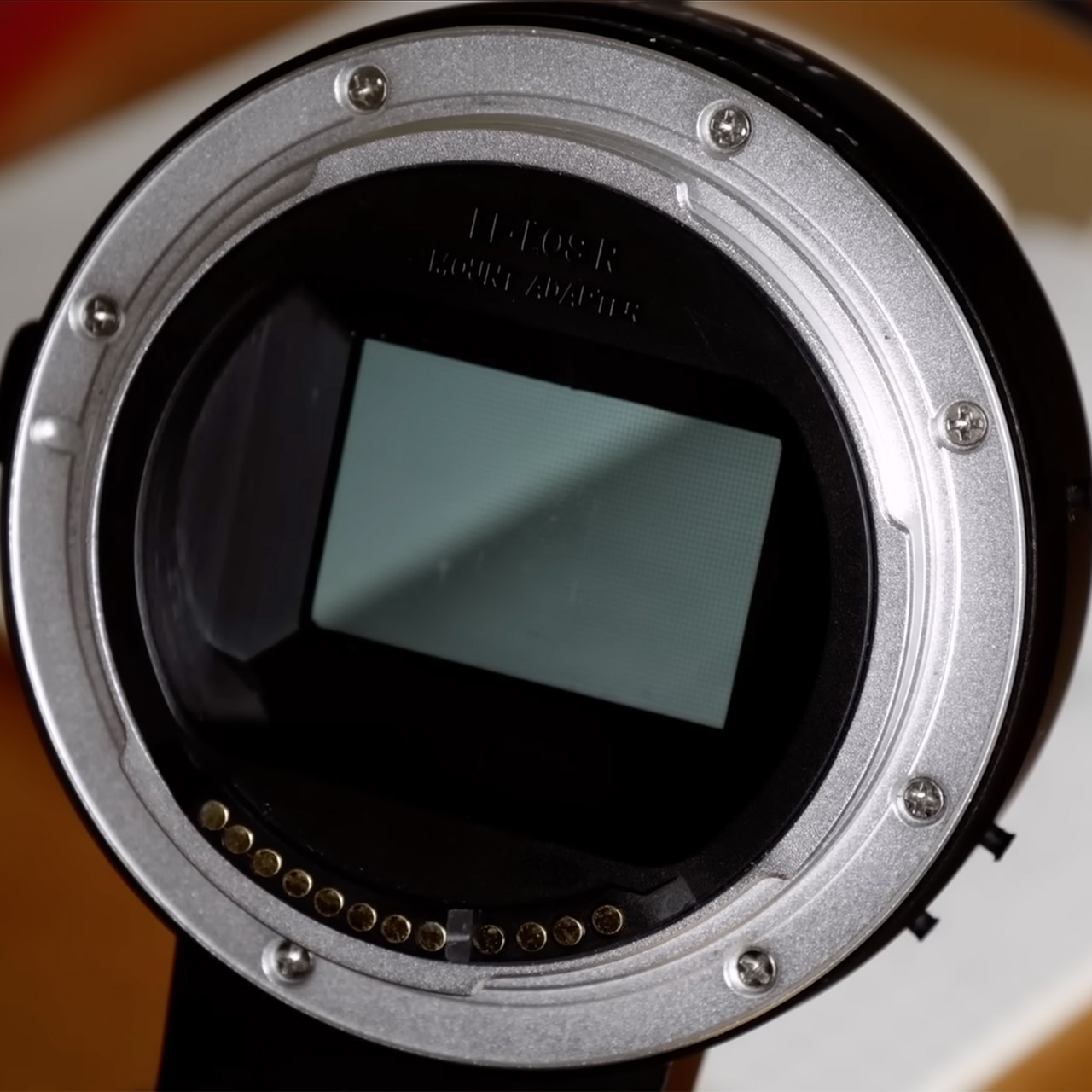
Photographer Ancient crammed a fully functional computer into the tiny gap of a lens adapter, which may seem like an odd location to put one, but that’s just the goal. This adapter, which connects DSLR lenses to mirrorless camera bodies, is often just a hole in a metal item, but Ancient didn’t think that was adequate. Instead, they transformed that often-overlooked sliver into a home for a miniature computer and a programmable aperture.

A wedding was taking place in a sunlit hall deep in the heart of Turkey, complete with laughing, music, and dancing, as well as family gathering as close as possible. Guests lined up as expected, each eager to give the happy couple something unique. Envelopes containing cash and gold pieces were passed from hand to hand as usual, but one of the attendees did something unexpected.

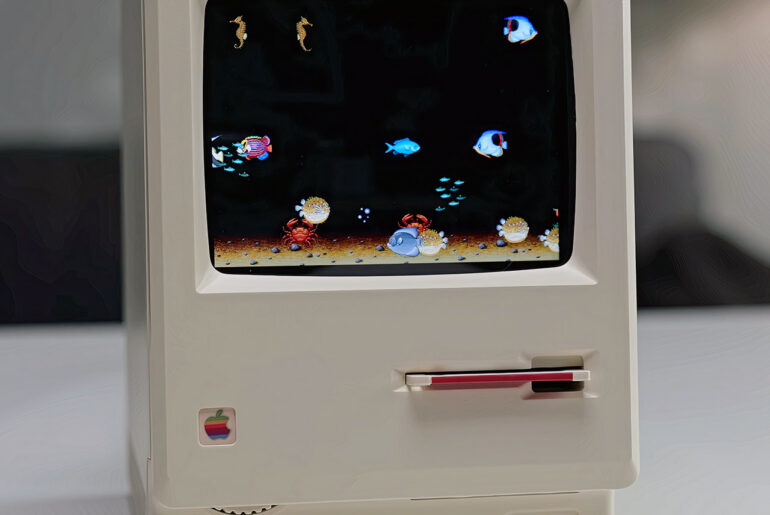
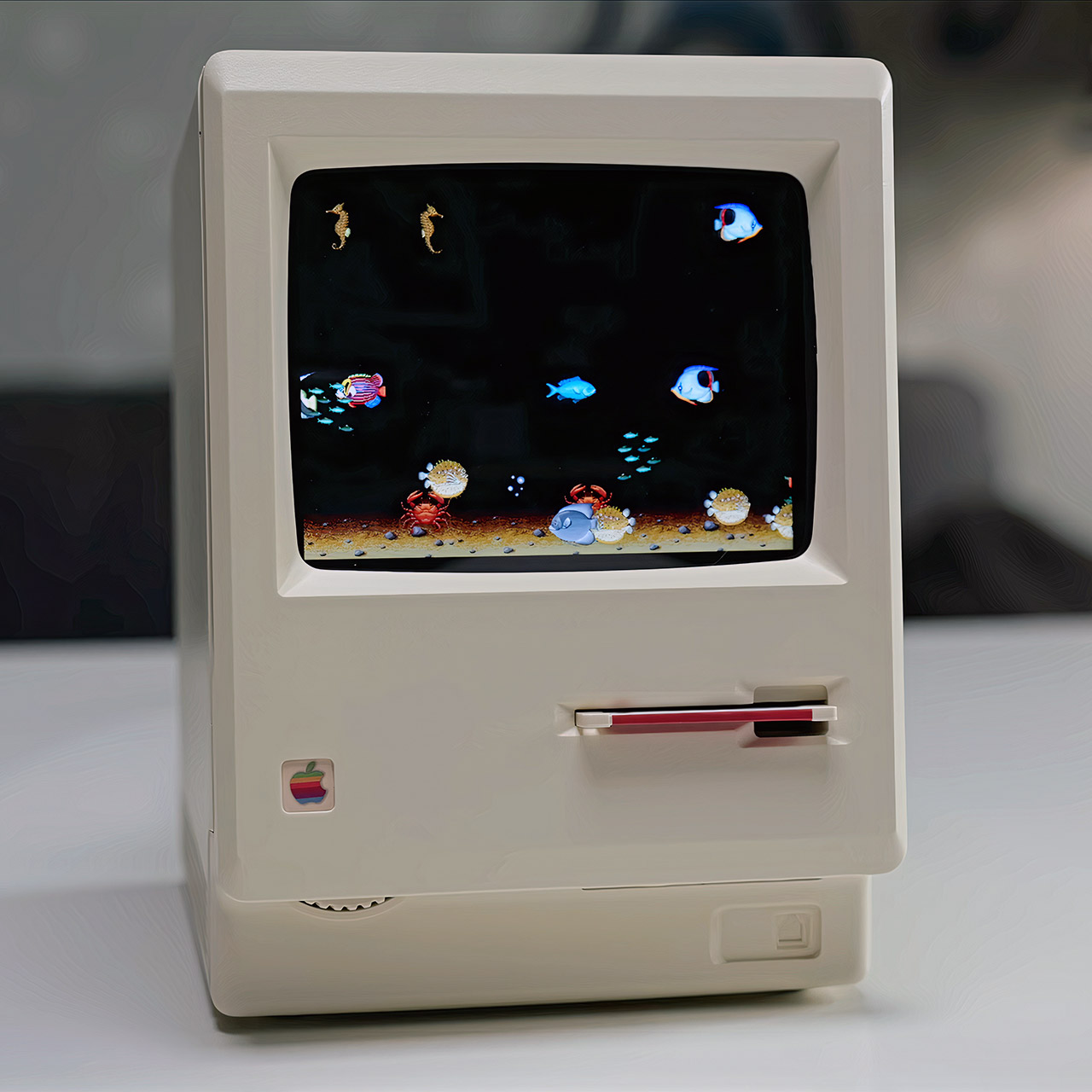
Apple’s Mac Mini has been sitting quietly on desks all across the world, pushing through daily business and creative chores with the simplicity of a small powerhouse. In spirit, if not in design, it is right next to an equally little, yet quite different, machine known popularly as the Mini Mac, or Wondermac in some circles. This little device began life as a Maclock, a desk clock that looks exactly like the original 1984 Macintosh, complete with the instantly identifiable beige shell, a teeny-tiny screen bezel, and even a false floppy disk port, but what occurs next adds a lot of complexity to what was once a simple gimmick.

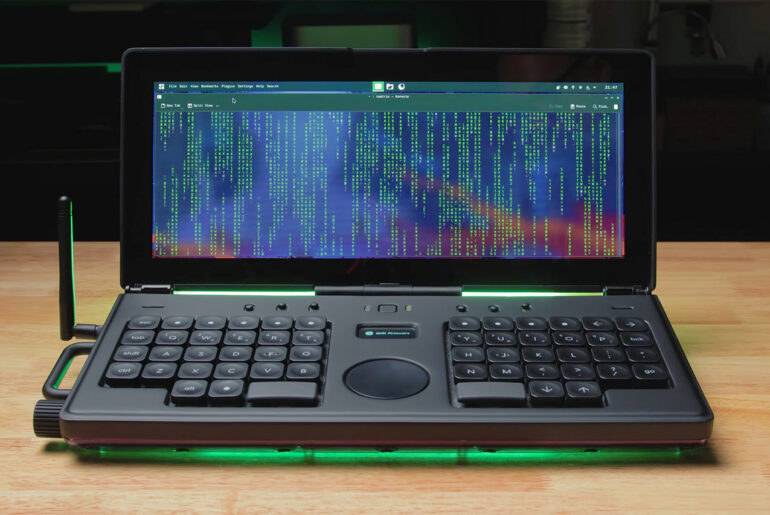
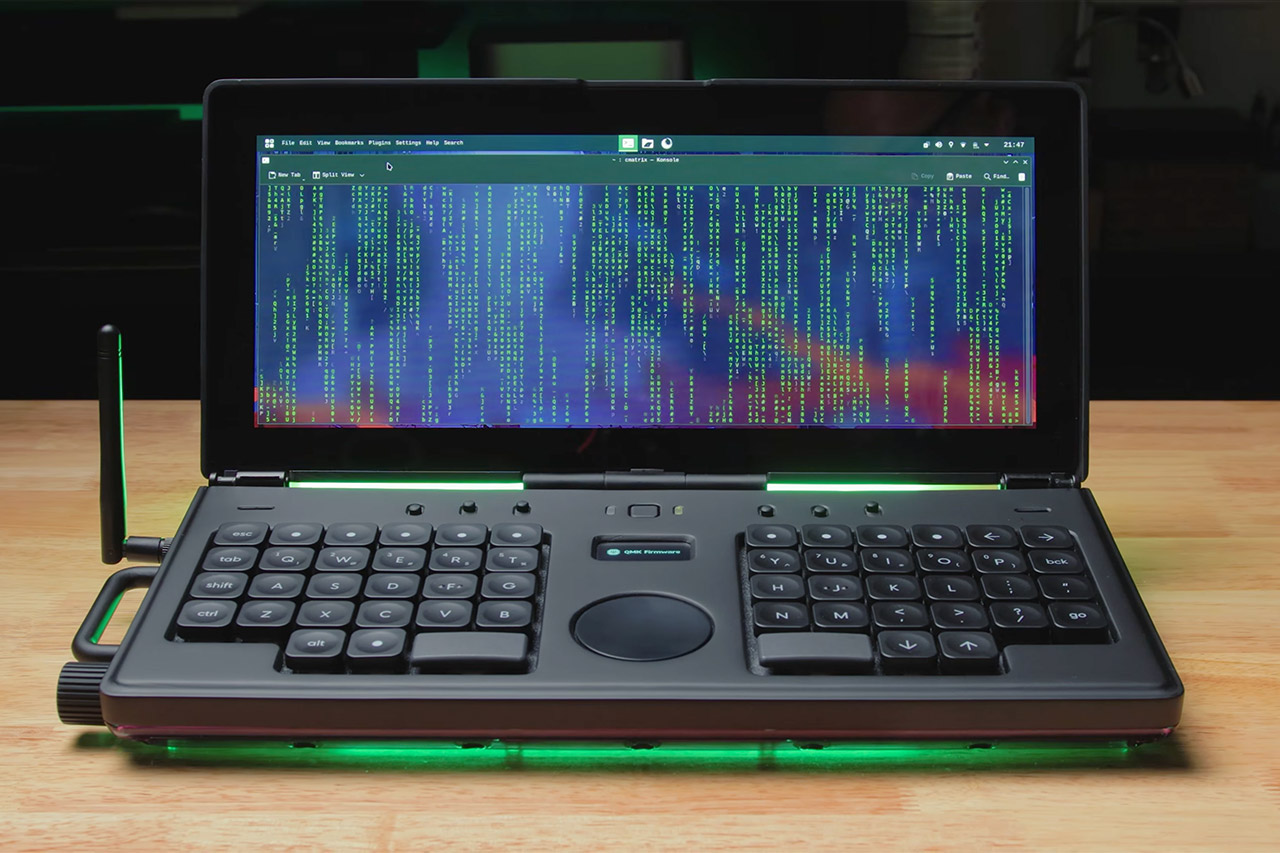
Salim Benbouziyane spent months obsessively designing a computer that folds up like a typical laptop but includes all sorts of custom features that you won’t find in any ordinary off-the-shelf machine. He refers to it as the CM Deck, and every aspect of its design stems directly from his decision to use the Raspberry Pi Compute Module 5 as the foundation of the project.