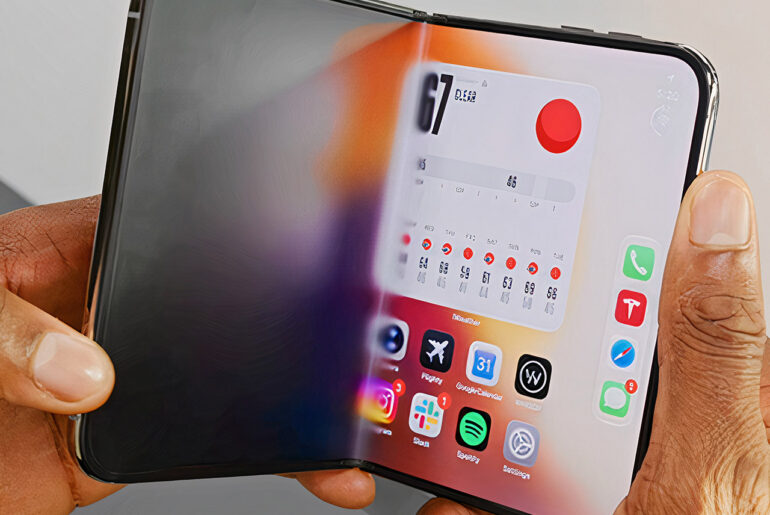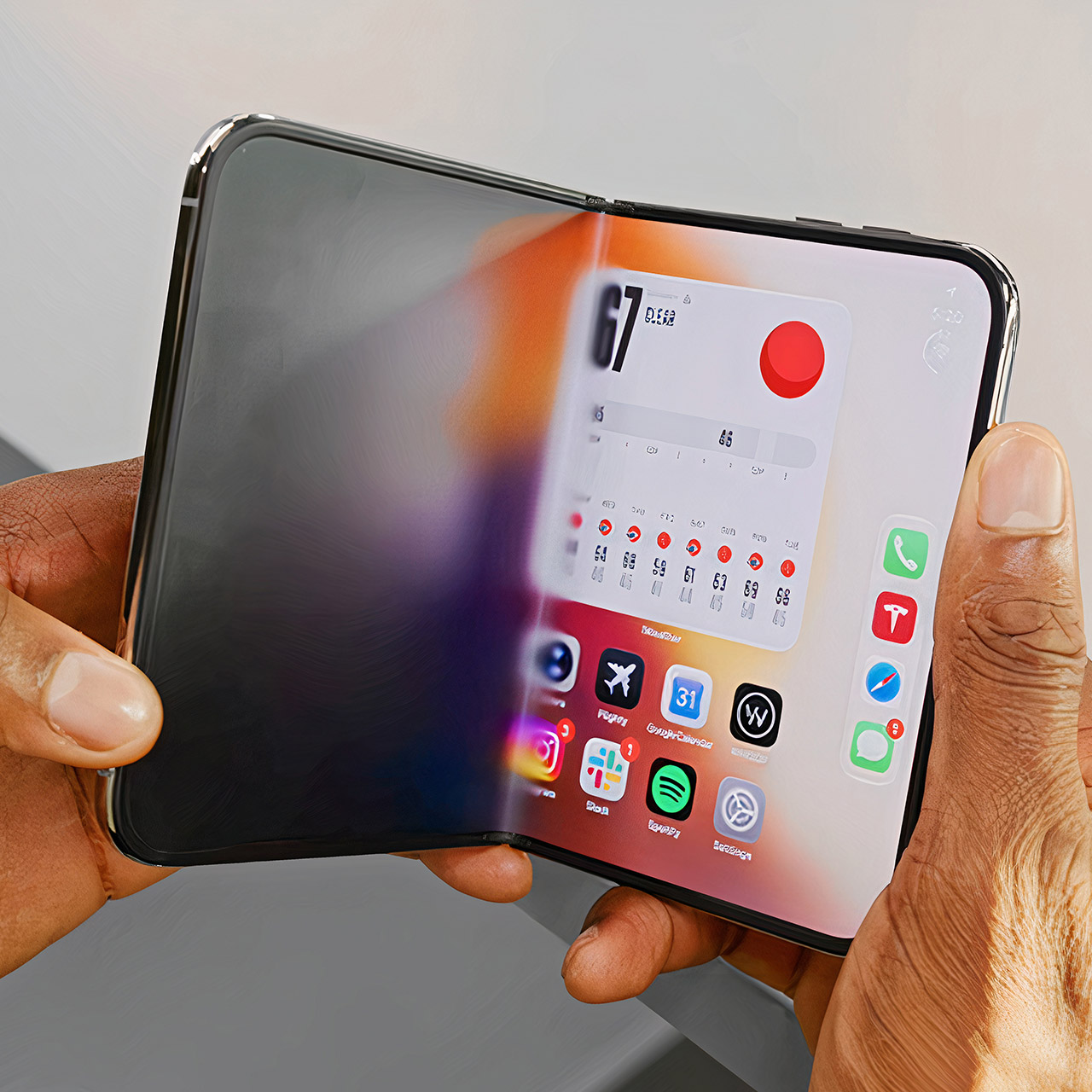
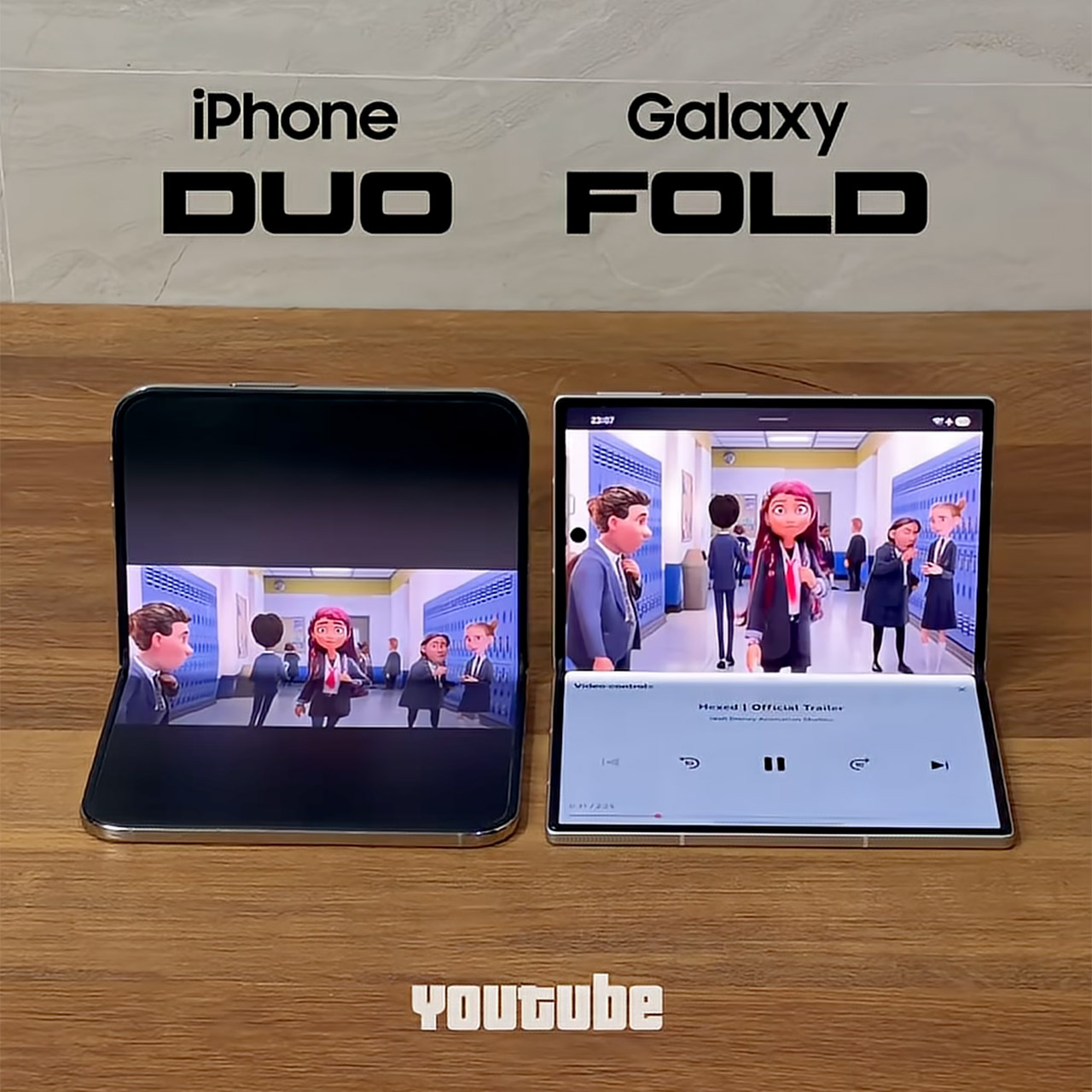
Nearly two weeks after the iPhone Duo reached Apple Stores, a pattern of cracked inner screens has shifted some attention toward the Galaxy Z Fold8, currently priced at $1,599.99 (was $1,900). Owners reported the damage appearing after only a handful of openings, often with a tight hinge and a pop just before a bright line formed across the display.
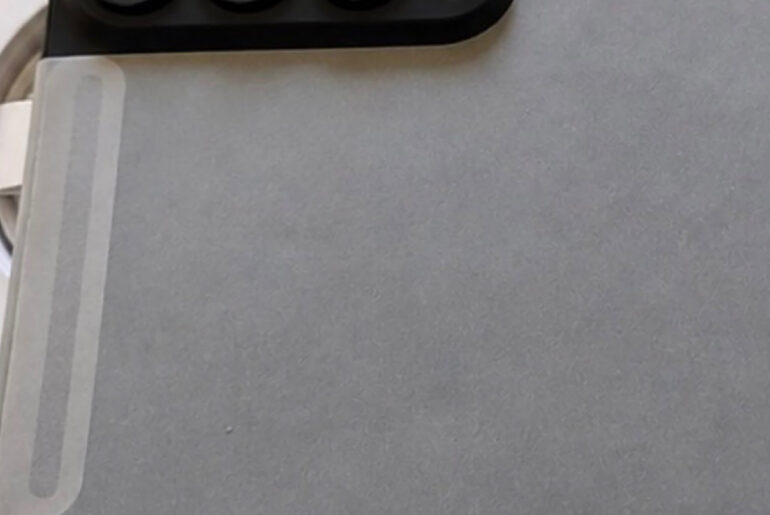
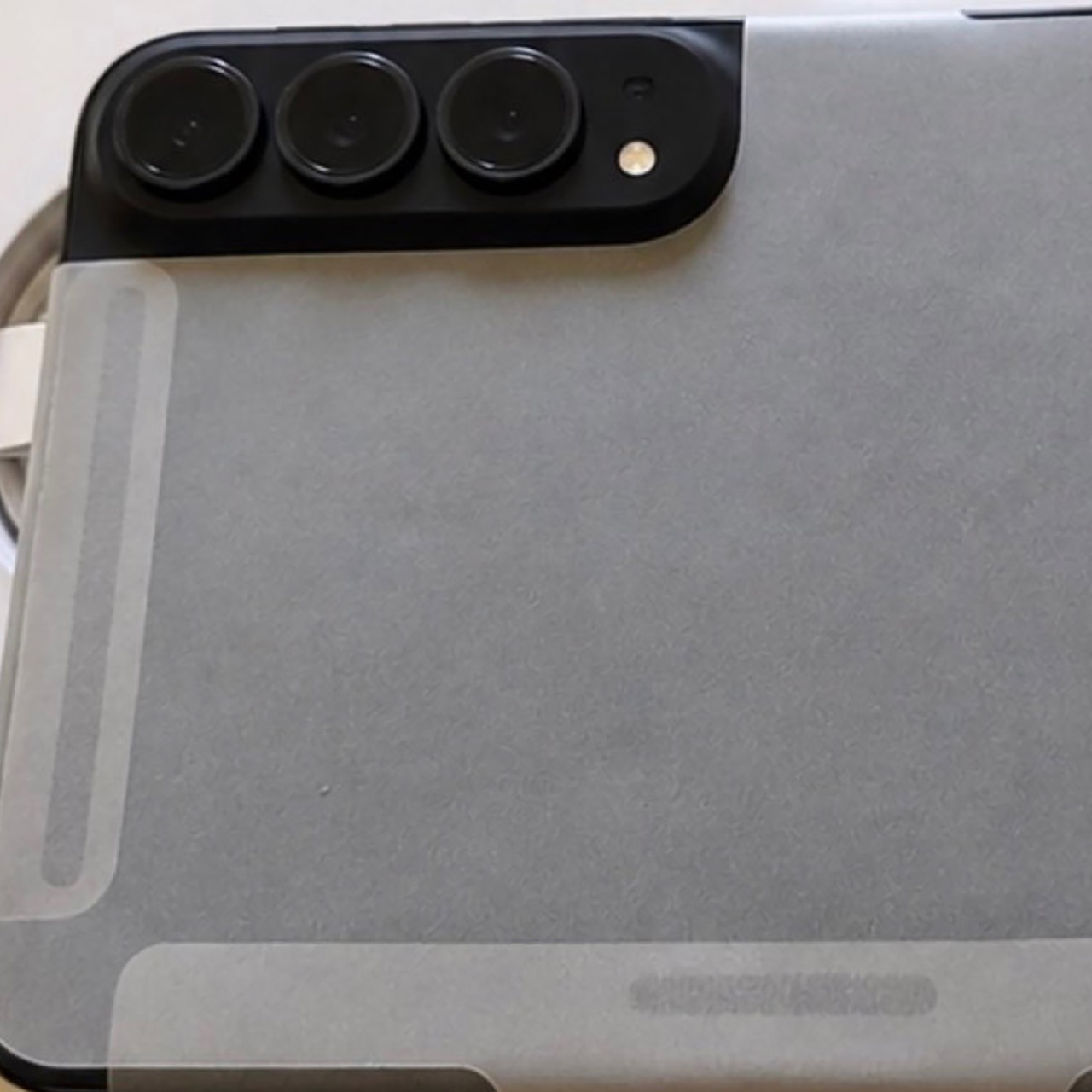
A photo shared on X by the account @MajinBuOfficial has circulated as an early look at an iPhone Duo 2 prototype. The image shows a pill-shaped rear camera module that runs slightly longer than the module on the current model and holds three lenses instead of two. Reports treat the image as unverified, with no independent confirmation of its authenticity, so it remains a clue rather than proof of final hardware.

Polish YouTuber Kuba Klawiter bought a retail iPhone Duo with his own money and opened a livestream so viewers could take turns folding and unfolding it by hand. Volunteers rotated every hour. The plan called for a million cycles or the first clear failure, whichever arrived sooner. For the first fifty thousand folds the phone stayed in a relatively clean room and showed no real trouble. The hinge moved smoothly, the outer screen stayed intact, and the inner display continued to light up without lines or dead pixels.

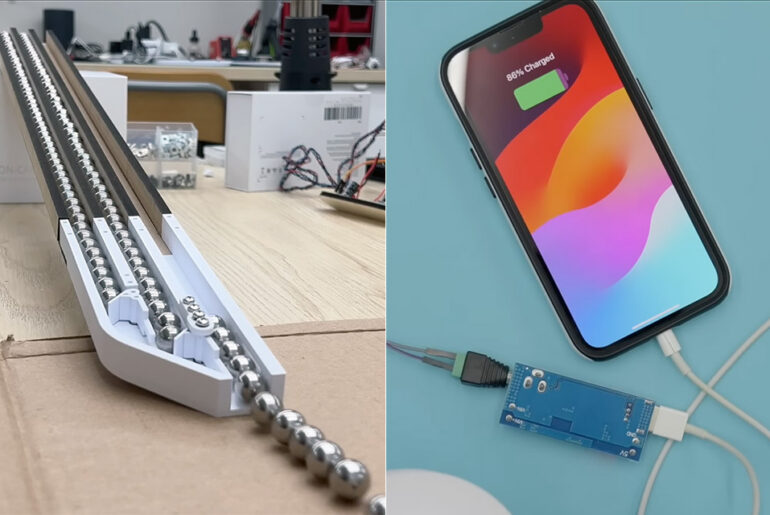
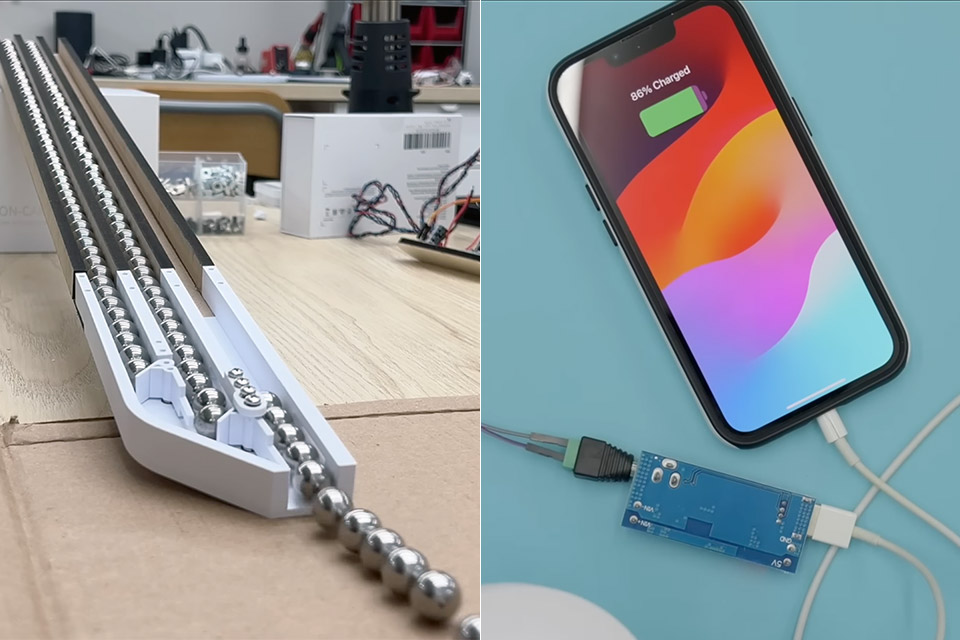
Charging a smartphone with marbles sounds impossible until you watch Engineezy spend weeks turning steel balls into a working power source. He called the finished machine a Sphero electric battery, a playful nod to the way pumped hydro plants store energy by lifting water high and letting it fall through turbines later.

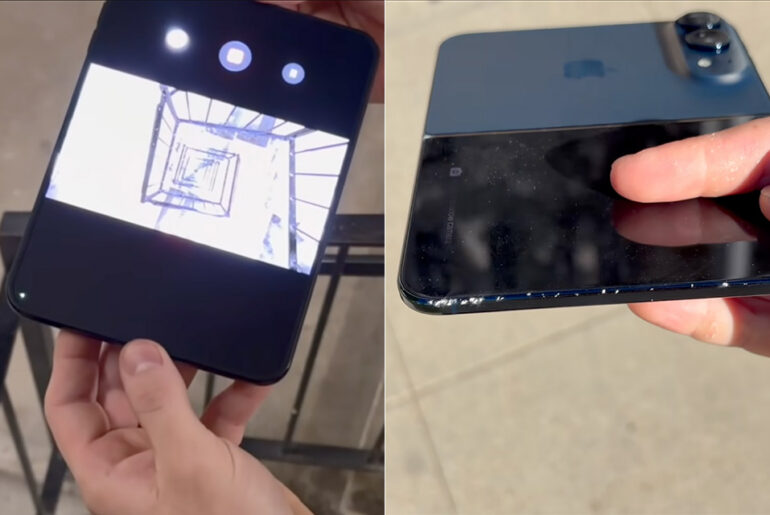
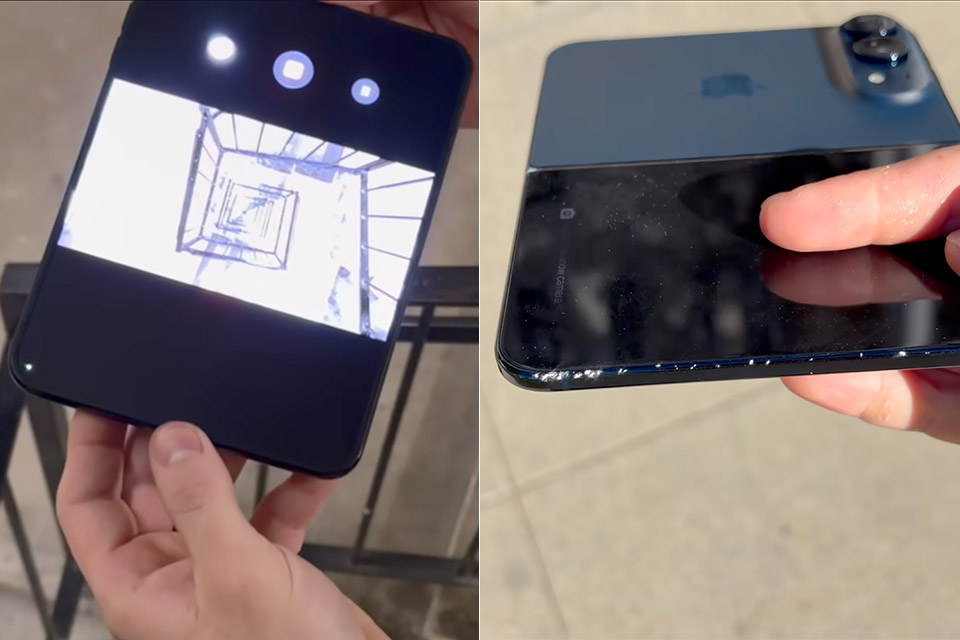
Launch week for Apple’s first foldable brought the usual ritual from TechRax, who has spent years sending new iPhones through increasingly harsh trials. This time he took two separate iPhone Duo units. One went down a spiral staircase from roughly 200 feet. The other spent an afternoon being released over and over on ordinary city surfaces.

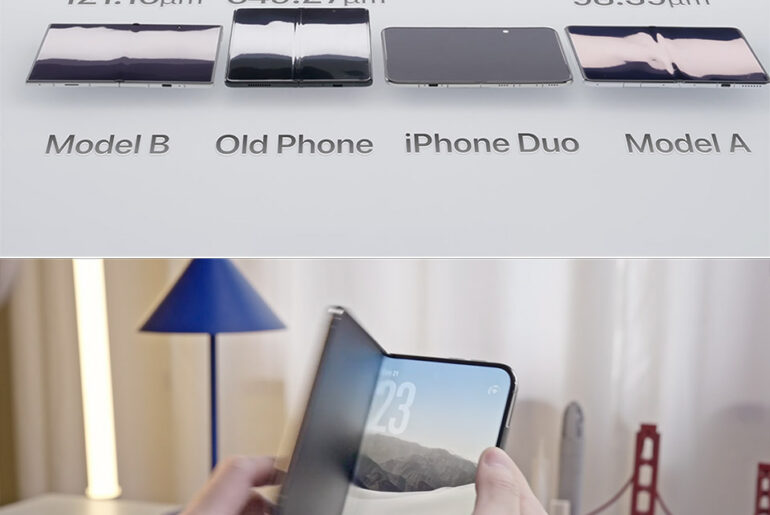
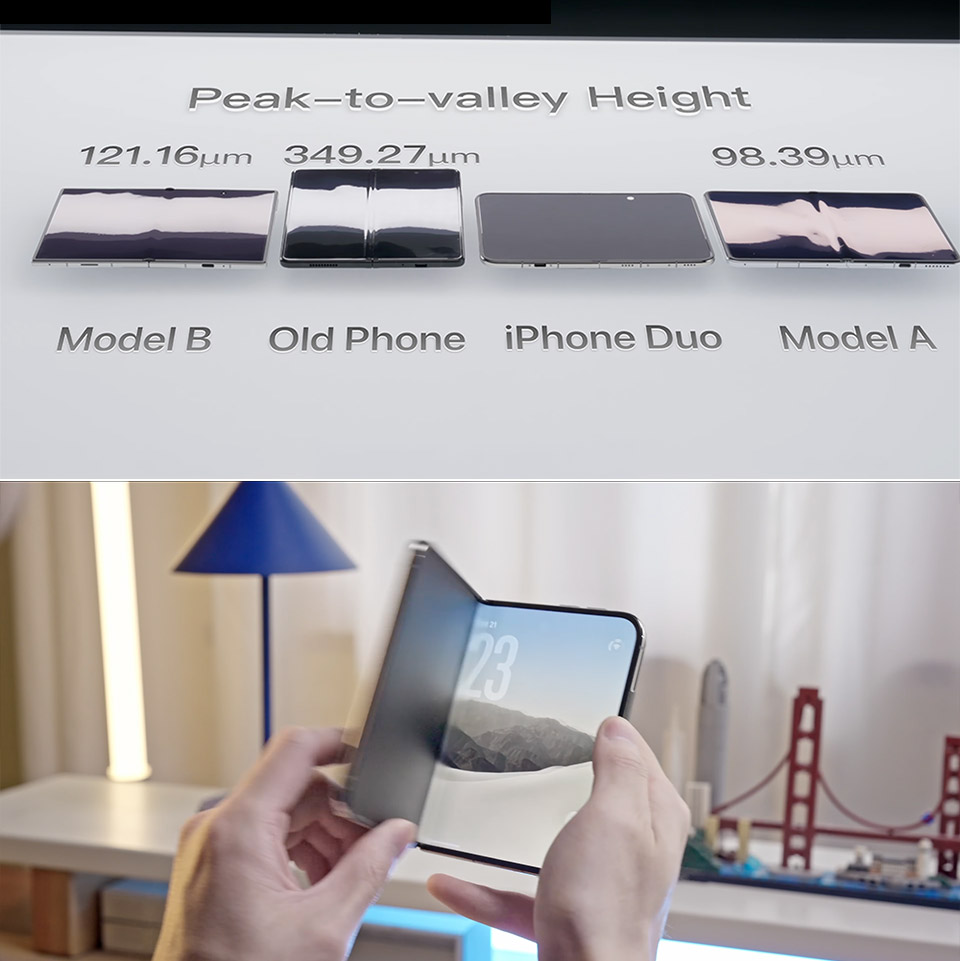
HTX Studio scanned a brand new iPhone Duo inner screen and found a peak-to-valley crease of just 48 microns, roughly half the thickness of ordinary paper, with a slope across the center under 0.1 degrees. That measurement placed the Duo ahead of two other fresh foldables labeled Model A and Model B, and far ahead of a five-year-old phone that showed a clear W-shaped groove at 350 microns. In person the fold stayed nearly invisible from most angles, whether the screen was on or off, which matches the reason Apple applied the nano-texture finish in the first place.

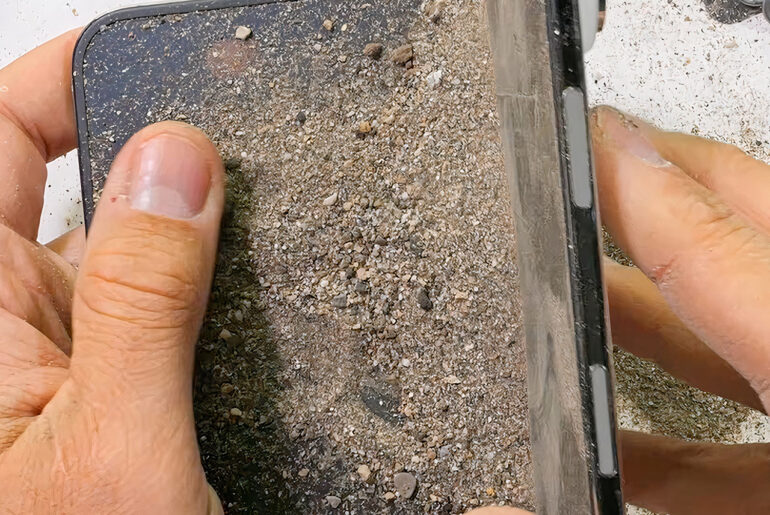
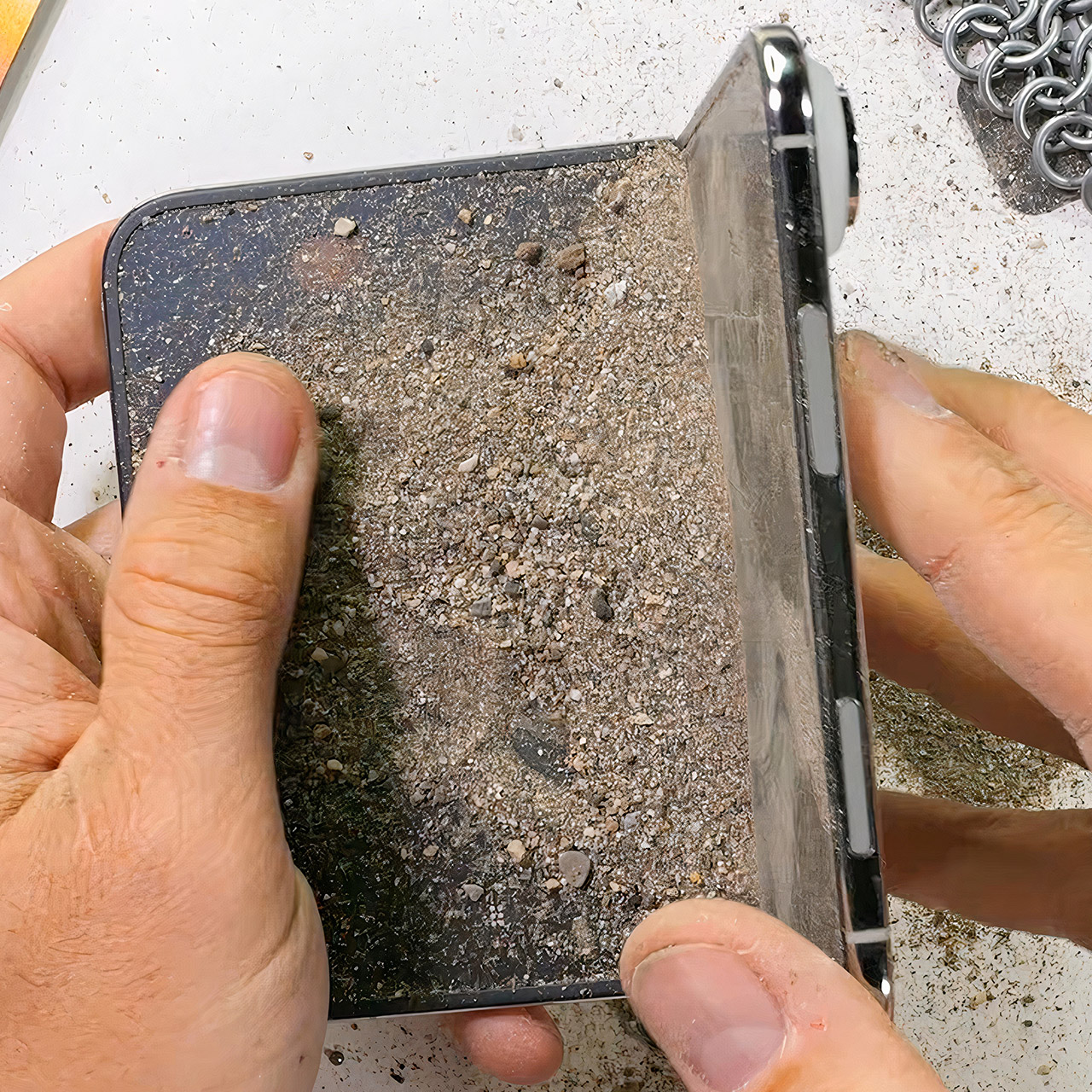
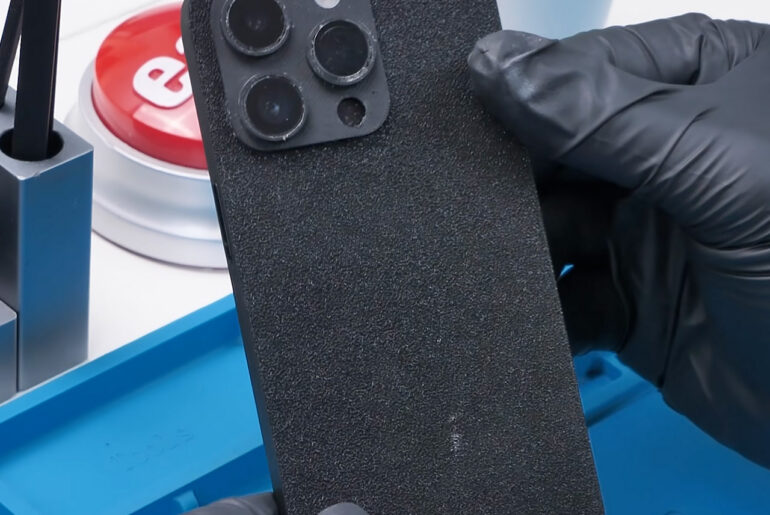
Zach Nelson of JerryRigEverything wasted little time putting Apple’s first foldable, the iPhone Duo, through the usual sequence of scratches, flames, dust, and bends the day after it went on sale. Outer glass held up in familiar fashion. Ceramic Shield 2 on the front panel showed only the faintest marks once the Mohs hardness picks reached level seven, with deeper grooves appearing at level eight, matching what earlier iPhones have delivered.

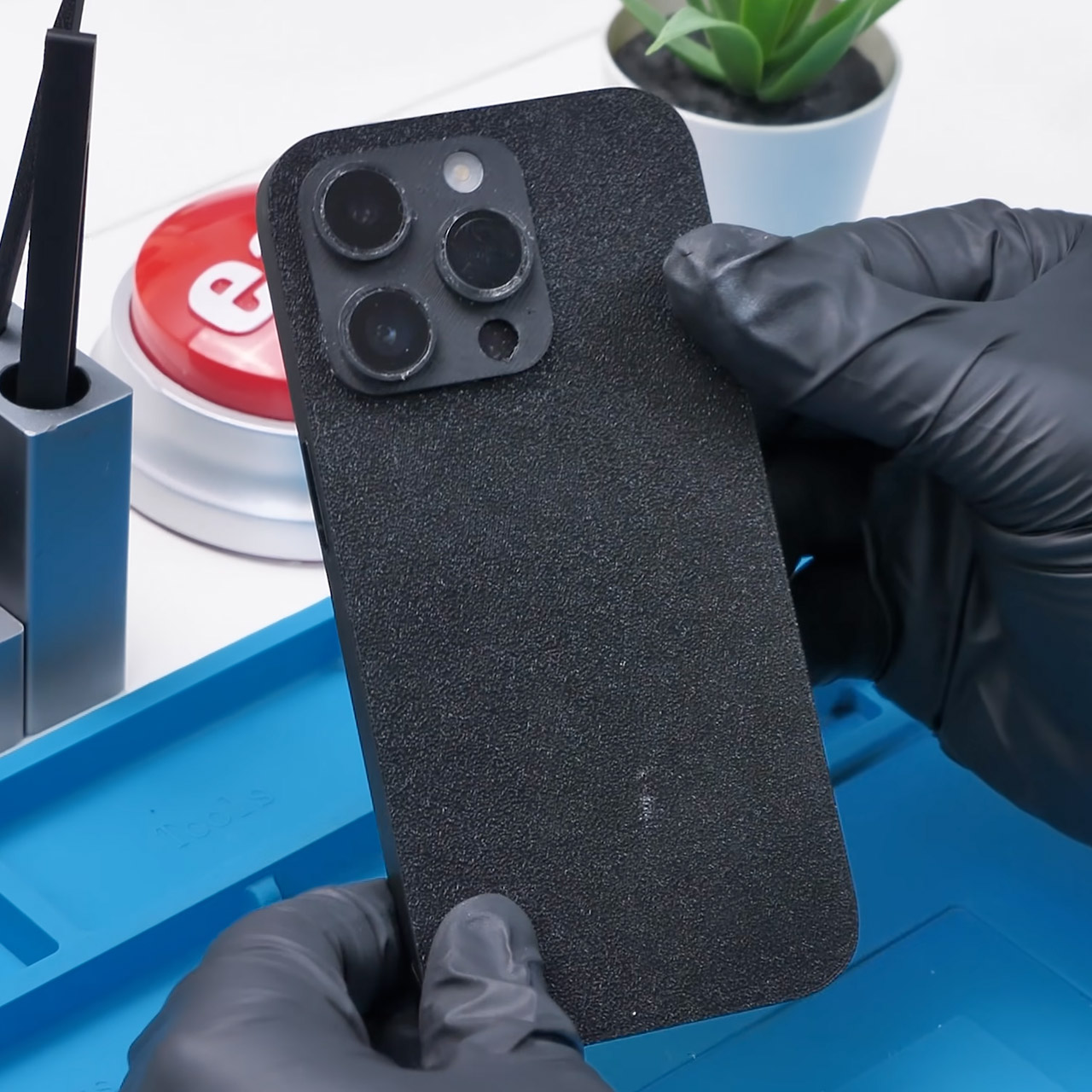
Phone Repair Guru set out to answer a straightforward question: could parts pulled from a broken iPhone 14 Pro sit inside a housing made entirely on a 3D printer and still produce a phone that boots and functions. To push the idea further, the tools used for the assembly would also come off the printer, with only the metal screwdriver bits kept real. A Bambu Lab P2S Combo handled the printing, but designing a housing precise enough to hold everything required outside help. PatoCube handled the 3D scanning of original housings and the subsequent design work, going back and forth until the tiny internal details lined up.

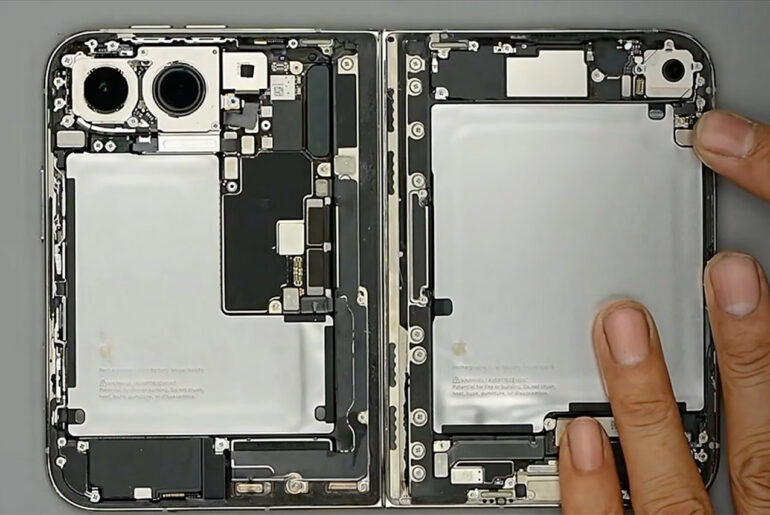
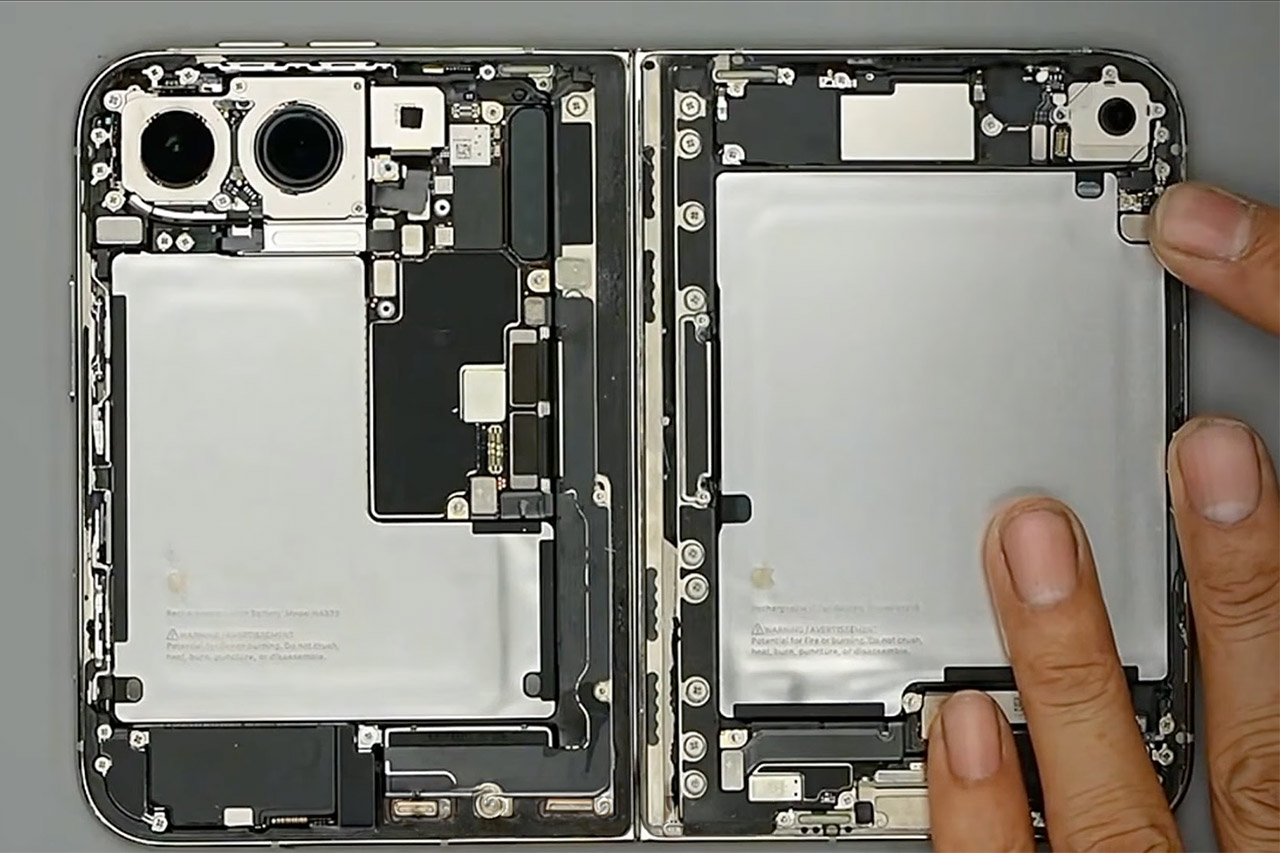
Kingmi Mobile managed to pull an iPhone Duo completely apart on camera before the first customer units even leave the warehouse tomorrow. Their video, along with a separate clip that peels the protective layer clean off the inner screen, gives the clearest look yet at how Apple built its first foldable phone and why some repairs will take far longer than usual.

First reviews of Apple’s iPhone Duo make one thing clear right away. This is a first-generation device still working through its early stages. Reviewers consistently praise the physical design and hinge quality while pointing out software gaps and everyday compromises that keep the experience from feeling fully settled.