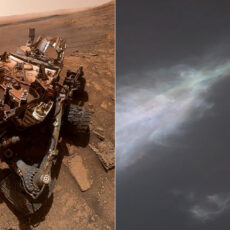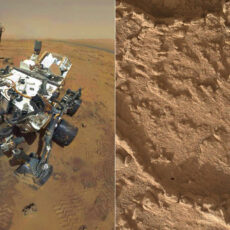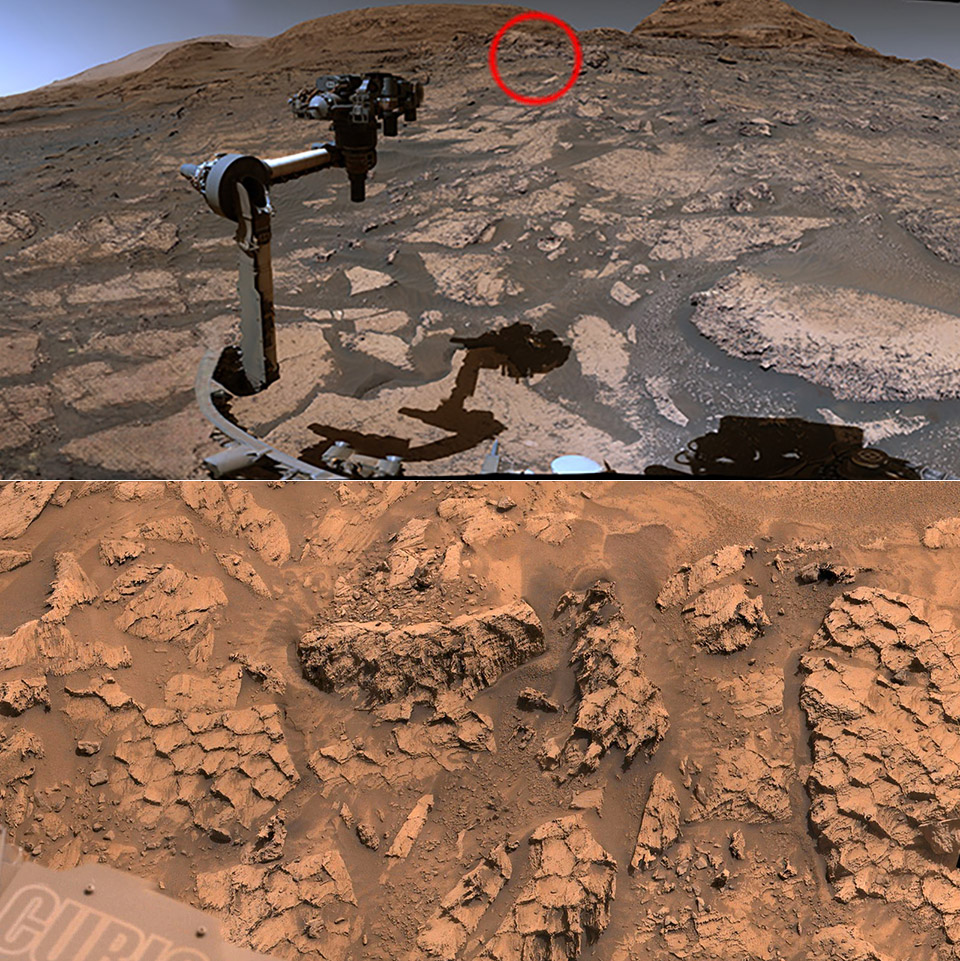
NASA’s Curiosity has returned some interesting images from Mars, including shots of rock surfaces that have a striking similarity to dragon scales. Across the ground, dozens of interconnected honeycomb patterns spread as far as the rover’s mastcam can see. The rover captured these photos as it approached Antofagasta, a tiny crater with a diameter of around ten meters. NASA scientists refer to these interconnected patterns as honeycomb-shaped polygons, and what’s particularly remarkable is that they appear to be all over the place here, which we haven’t seen on previous rover trips.
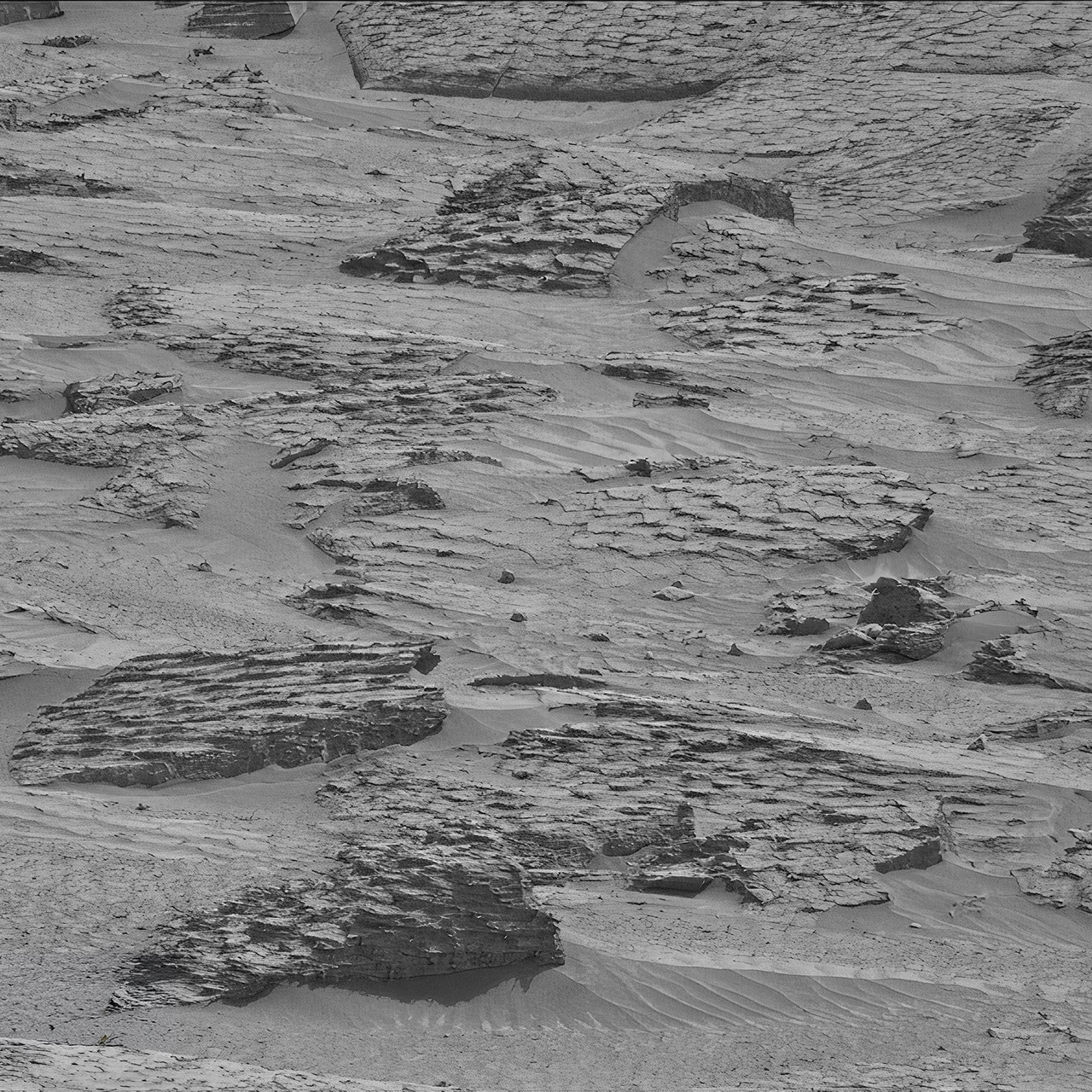
Some researchers now believe that the most likely explanation for these patterns is that thousands of years ago, water wet the ground and then dried it out again, causing the mud to fracture and finally convert into the polygon forms over time. We observe similar patterns on Earth in mud, but the cracks erode away quickly. Minerals would have filled the cracks on Mars, leaving a raised edge that has not worn away like dirt on Earth. Curiosity’s project scientist, Abigail Fraeman, notes that while polygon patterns have occurred in previous photographs from the rover, they have never distributed so widely across the ground as they do now.

- Feed a passion for science and technology – Kids can learn more about the challenges of space exploration with this LEGO Technic NASA Mars Rover...
- Conduct a test flight – This advanced building kit for kids ages 10 and up includes a buildable toy version of NASA’s Ingenuity helicopter, which...
- AR brings the mission to life – The accompanying augmented reality app experience lets kids dive into the details of the rover and its mission
The rover paused at this location to collect further images and chemical data that will help us understand out how these textures formed. To be honest, the Curiosity expedition has been underway since 2012, with the goal of uncovering clues about how water and life interacted in Gale Crater. Antofagasta crater developed approximately 50 million years ago, which is quite recent. However, because it is such a young crater, it allows the rover access to some deeper layers that are extremely useful in studying the planet’s history.
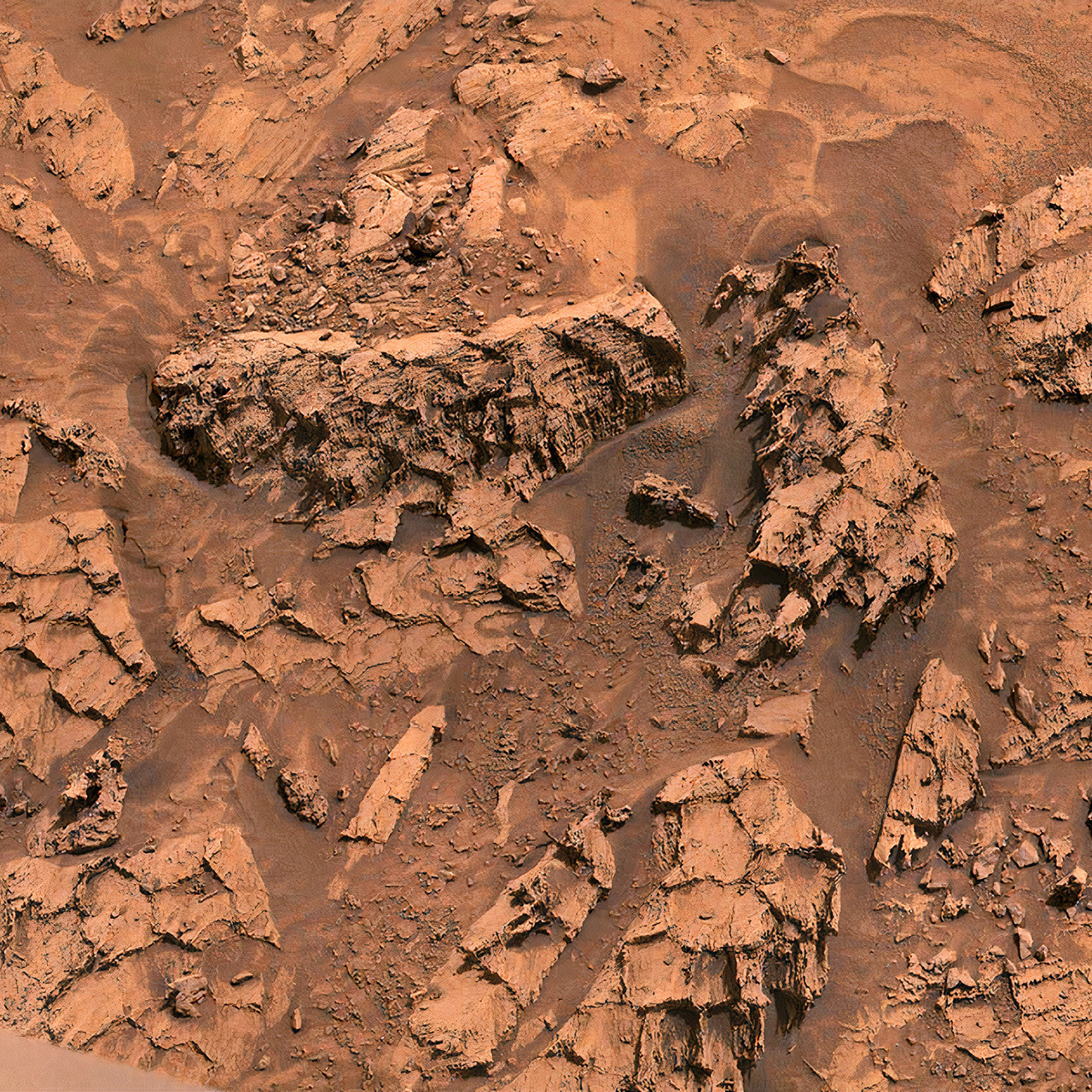
Another nearby site, Pontours, contains similar patterns, albeit on a much smaller scale. Data from that location revealed that salty water evaporated during all of those wet and dry cycles, which might have been produced by some quite drastic changes in the Martian environment over time. The new site may be displaying variants on that theme, and the only way to truly determine this is to continue examining the data. That’s what we love about this mission: with each new observation, we get a little closer to knowing what the planet was like millions of years ago.
[Source]