Tag

NASA

Browsing

SpaceX Starship Critical Path Documentary
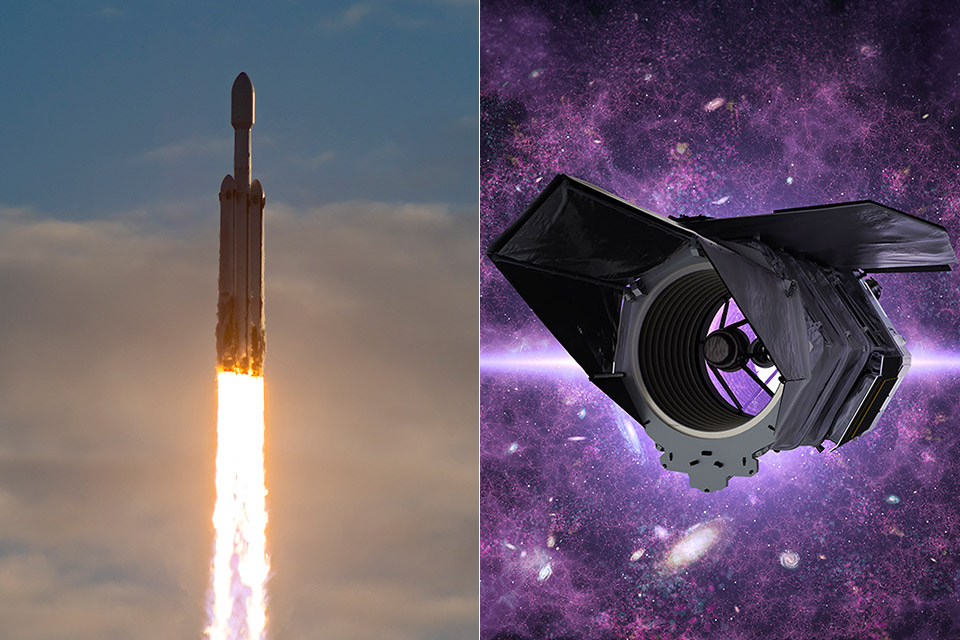
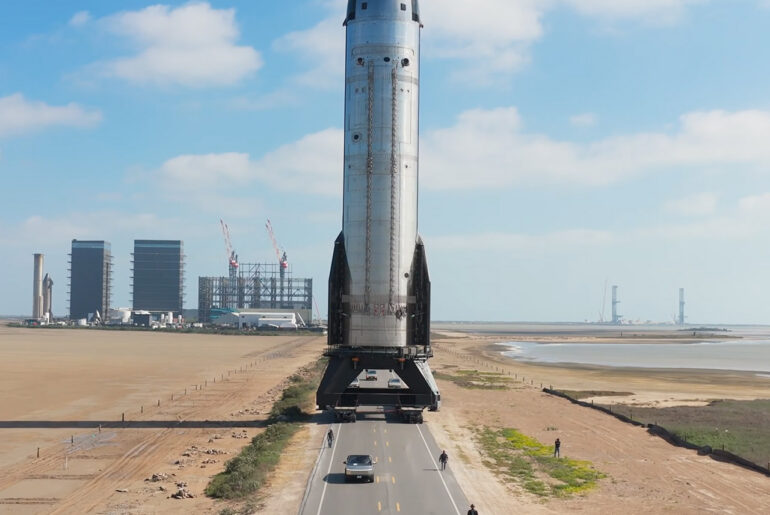
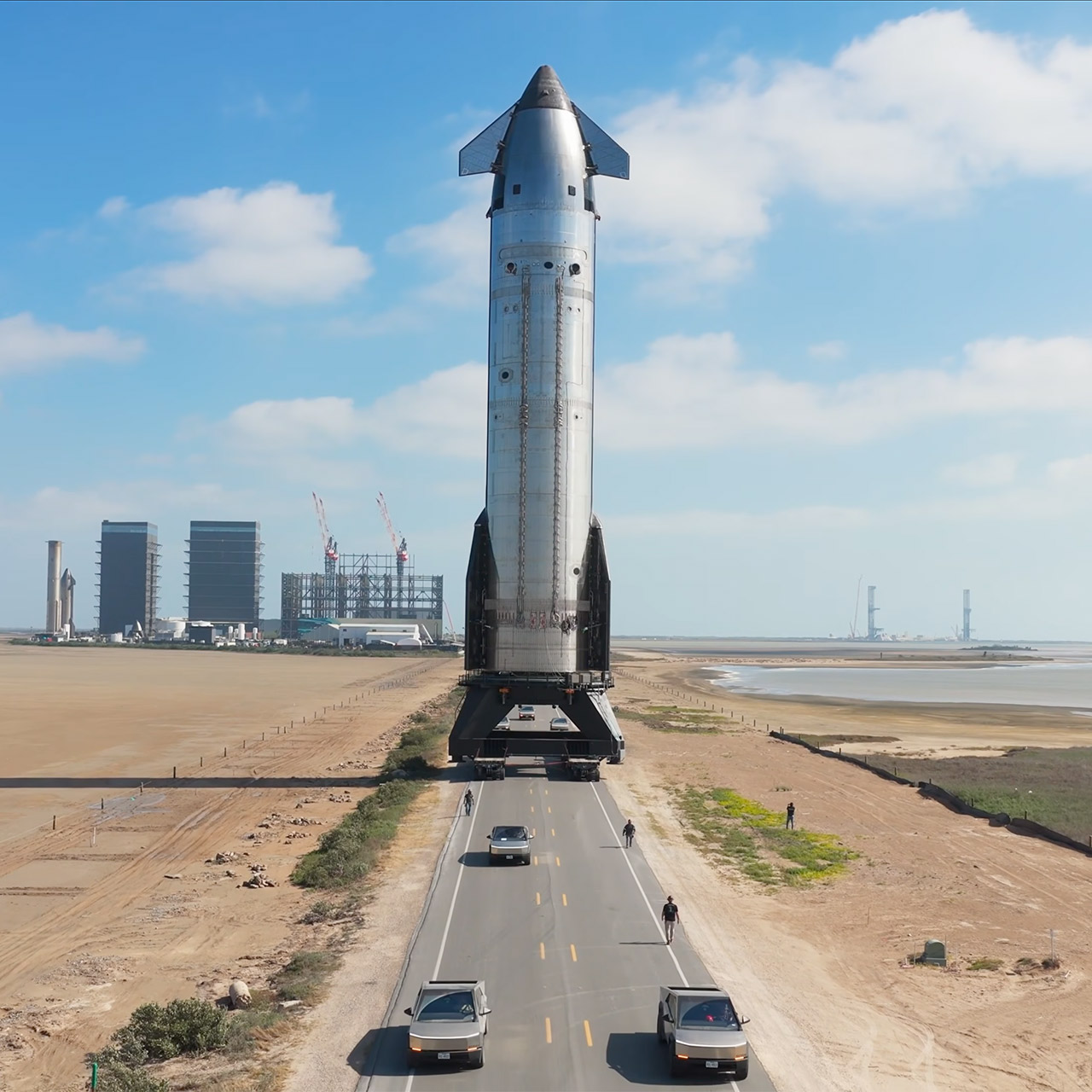
SpaceX just released a new documentary that drops straight into the control rooms and launch site during the final stretch before its biggest rocket flew again. Titled Critical Path, the 34-minute film follows engineers at Starbase in Texas through the intense days leading up to Flight 12 on May 22. It is the second episode in their ongoing series and stays tightly focused on the real work required to get the first Version 3 Starship and Super Heavy off the ground.

NASA Curiosity Rover Crush Rock Sulfur Crystal Mars
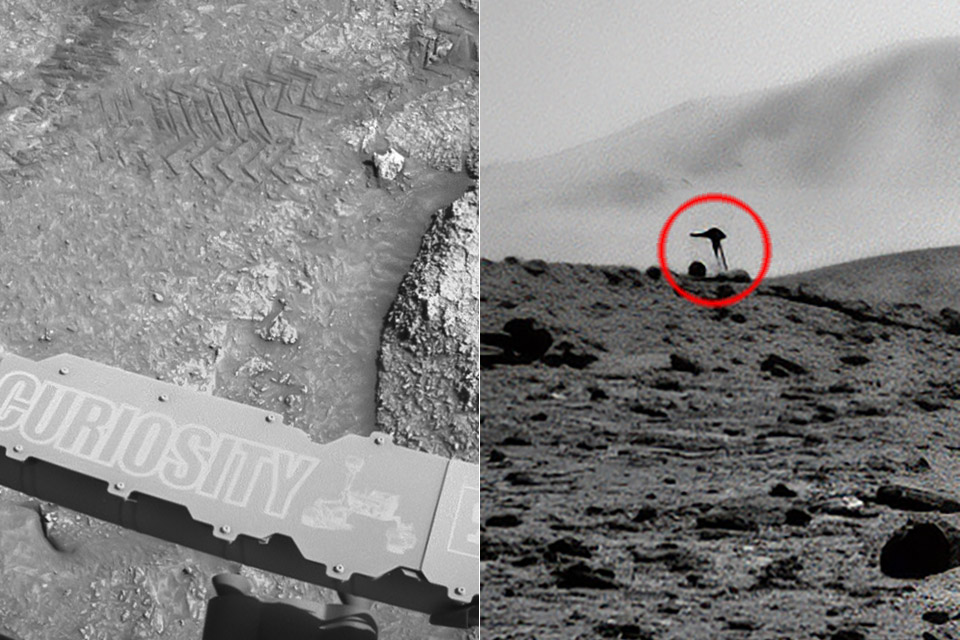
Curiosity had been working its way down the Gediz Vallis channel on the flank of Mount Sharp for months. The rover’s wheels left fresh tracks in the loose soil and scattered stones as it hunted for clues about the planet’s ancient past. On May 30, 2024, during the 4,200th Martian day of the mission, one of those wheels rolled over a rock that looked no different from thousands of others nearby. The one-ton machine pressed down, and the stone gave way with a quiet crack that no one on Earth witnessed in real time.

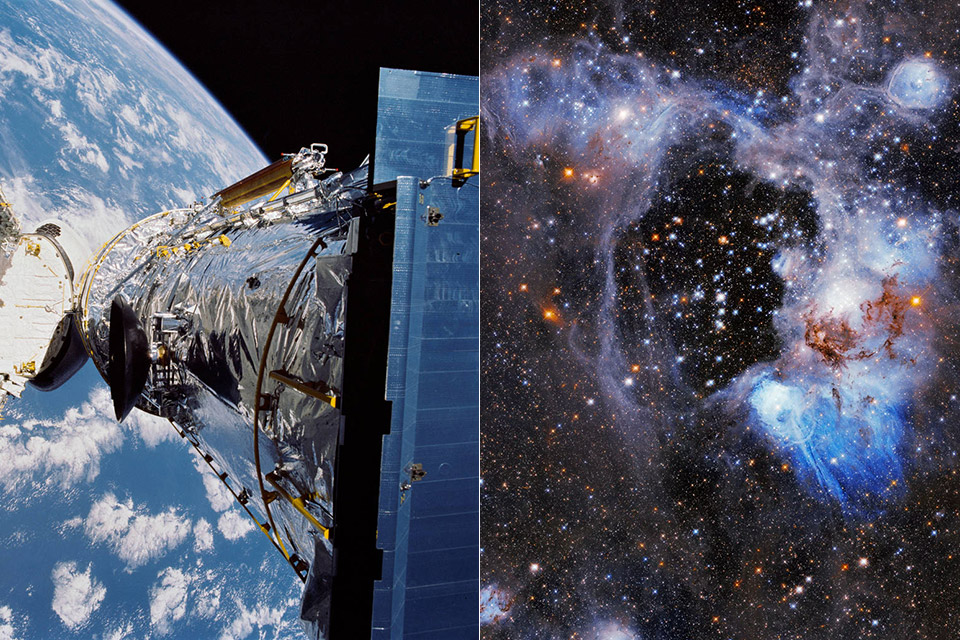
LEGO Icons Hubble Space Telescope 11382
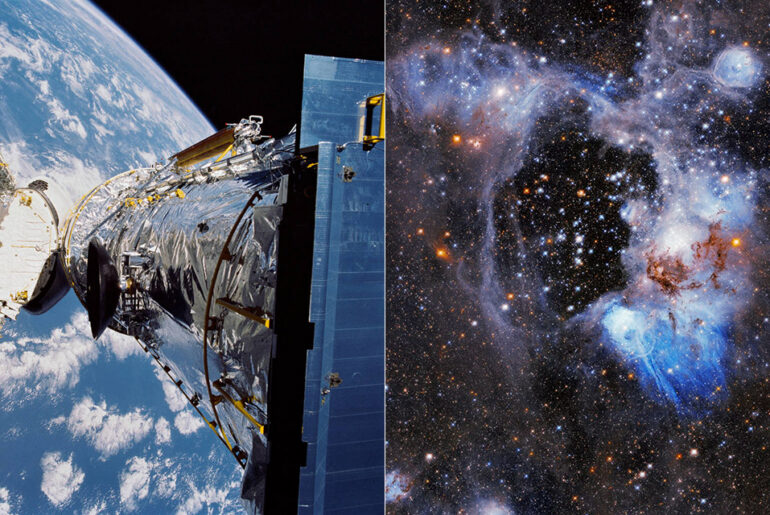
Builders who follow space sets have another strong option arriving soon from the LEGO Icons line. Set 11382 comprises a detailed model of the Hubble Space Telescope, which rewards meticulous building and makes an excellent display piece once completed. This 1,252-piece kit is intended for adults and costs $139.99. It will be released on August 1st, with the finished model measuring over 12.5 inches tall, 15 inches long, and 15 inches wide with the aperture door open.

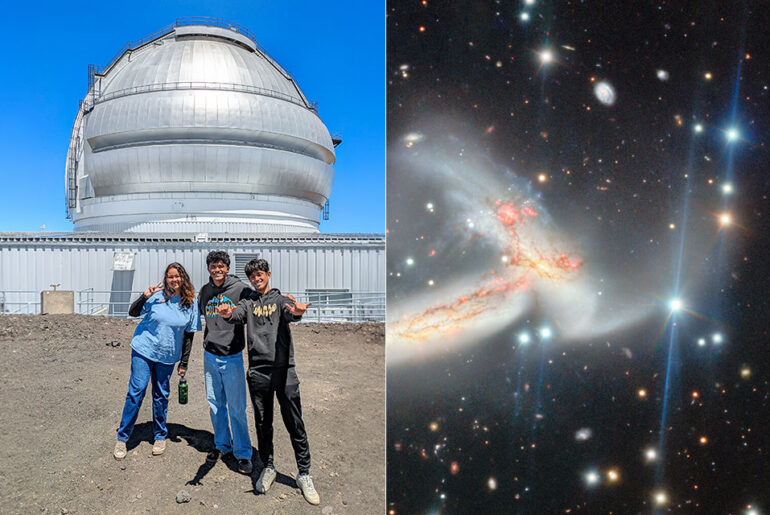
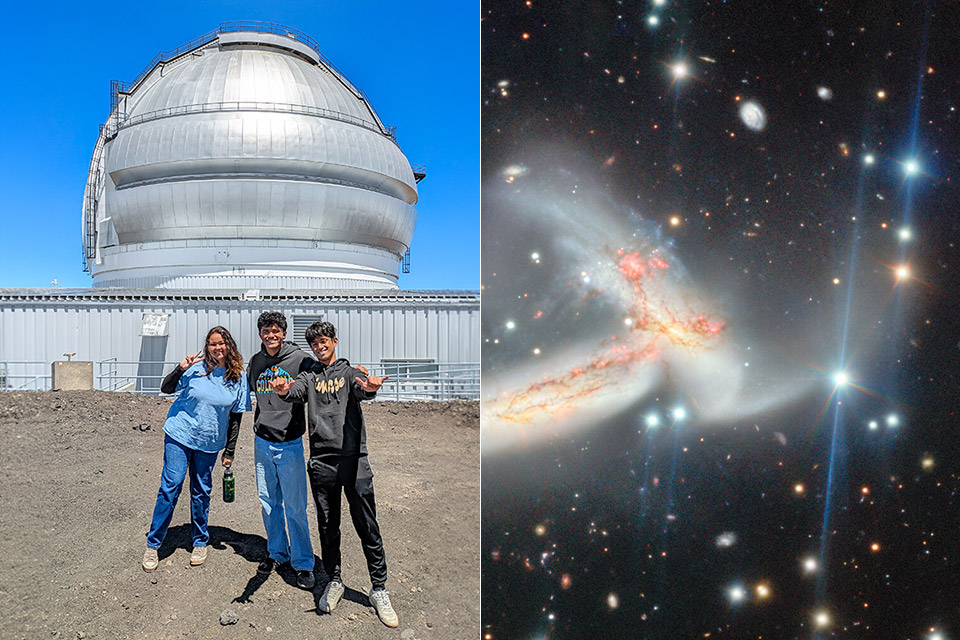
Webb Centaurus A Starburst Galaxy
Photo credit: NASA/Chris Gunn
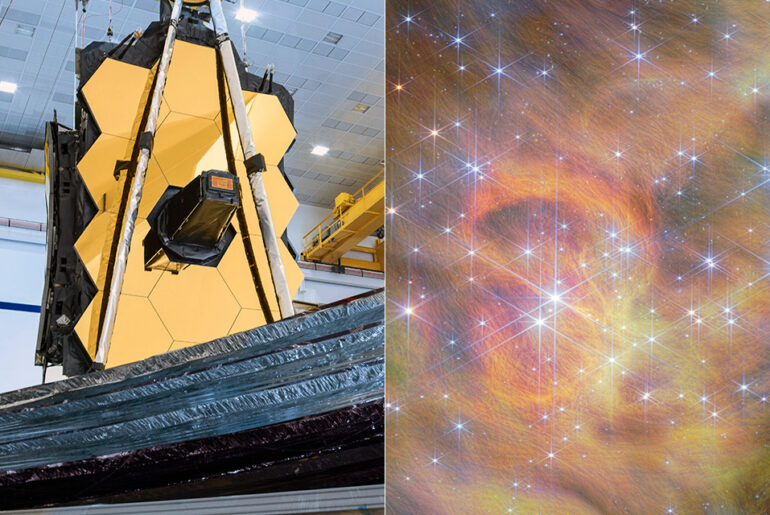
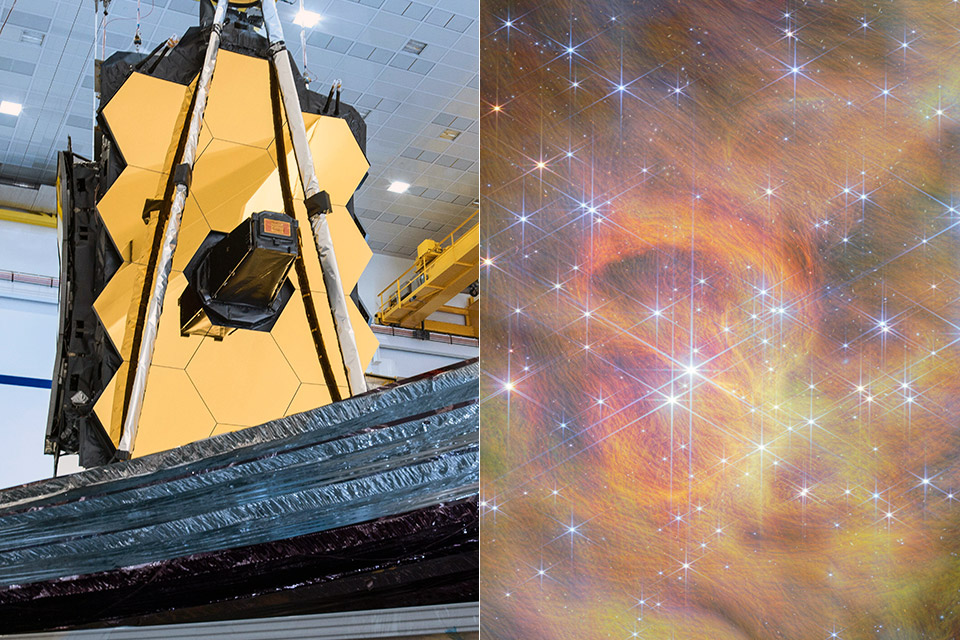
Eleven million light-years away, Centaurus A has served as a favorite target for telescopes for good reason. It sits close enough for serious study yet displays features that hint at a far more dramatic history than its current appearance first suggests. A new image from NASA’s James Webb Space Telescope, released to mark four years of science operations, brings that history into much clearer view.

NASA PROMISE Nuclear Moon Rover
Engineers at NASA’s Jet Propulsion Laboratory built this machine years ago as a ground twin for the Perseverance rover. It sat in the Mars Yard outside Pasadena, rolling through simulated terrain while teams tested commands and fixes before beaming them to the real vehicle on another planet. No one planned for it to fly anywhere. Now that same hardware sits at the center of a serious discussion about placing a nuclear-powered rover on the Moon.

Webb FS Tau Star System
Right before crowds across the country prepare to mark the Fourth of July with displays of light and sound, NASA’s James Webb Space Telescope offered a view from far beyond Earth that carries a similar sense of energy and new activity. Two protostars in the FS Tau system sit near the center of the frame. Both remain young enough that they still draw in gas and dust while pushing excess material outward through strong flows.

NASA In-Orbit Refueling Device Deep Space Missions
Space missions have long been constrained by the amount of propellant rockets can haul off the launch pad. NASA sees a path around that limit through refueling stops once a craft reaches orbit. Engineers at Marshall Space Flight Center in Alabama recently put a new connector through its first serious checks. The device, called a cryocoupler, would let two spacecraft link up so one can pass super-cold liquid fuel to the other while both float in space.

NASA ESA Euclid Telescope Milky Way Heart
Astronomers just received the largest and sharpest visible-light portrait ever assembled of the Milky Way’s central bulge. The European Space Agency’s Euclid telescope produced this six-gigapixel mosaic during a single day of observations in March 2025, packing more than sixty million stars into one frame along with dark dust clouds and pockets where new stars are forming.

Hubble Space Telescope NGC 6723 Globular Cluster Chandelier
Hubble has delivered a crisp new view of NGC 6723, a globular cluster tucked in the constellation Sagittarius. The image shows a tight swarm of stars that fills the frame with countless points of light, each one a distinct sun shining across 27,000 light-years of space. Blue stars crowd the center while warmer orange stars appear more often near the edges, and many of the brighter ones carry the sharp, cross-shaped spikes created by the telescope’s optics.