The final trailer for Project Hail Mary lands just before the big game, Super Bowl LX, and it hits the ground running, literally. Ryan Gosling plays Ryland Grace, a former middle school science teacher who awakens on a spaceship alone and with amnesia. The stakes are evident from the start: Earth is on the verge of annihilation due to a dimming sun, and this long-shot mission is the last chance to reverse the damage.

On January 26, 2026, an astronaut on the International Space Station looked earthward and captured a view of the Grand Canyon that few people have ever seen. A fresh layer of snow from a few days of flurries clings to the canyon’s rim, framing the huge abyss in stark white against the deep red-brown rock below. The Colorado Plateau looks like a flat canvas sprinkled with dust, while the canyon itself, carved out by the Colorado River over millions of years, plunges into darkness.

NASA’s Perseverance rover rolled across the rim of Jezero Crater for 700 feet on December 8, 2025, and another 800 feet a few days later, but these were no ordinary journeys. In fact, this was the first time on another planet that artificial intelligence handled route planning on its own, selecting safe courses without the assistance of human specialists on Earth.

SpaceX has made a significant step toward making science fiction a reality. They’ve put in a request to the FCC to launch up to one million satellites to host data centers in orbit. This proposal was submitted to the FCC on January 30, 2026, and it was accepted for file just a few days later, opening the public comment period.

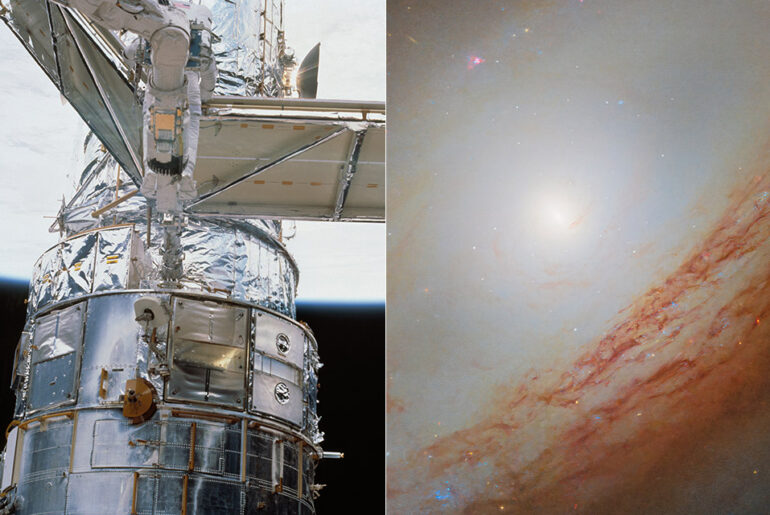
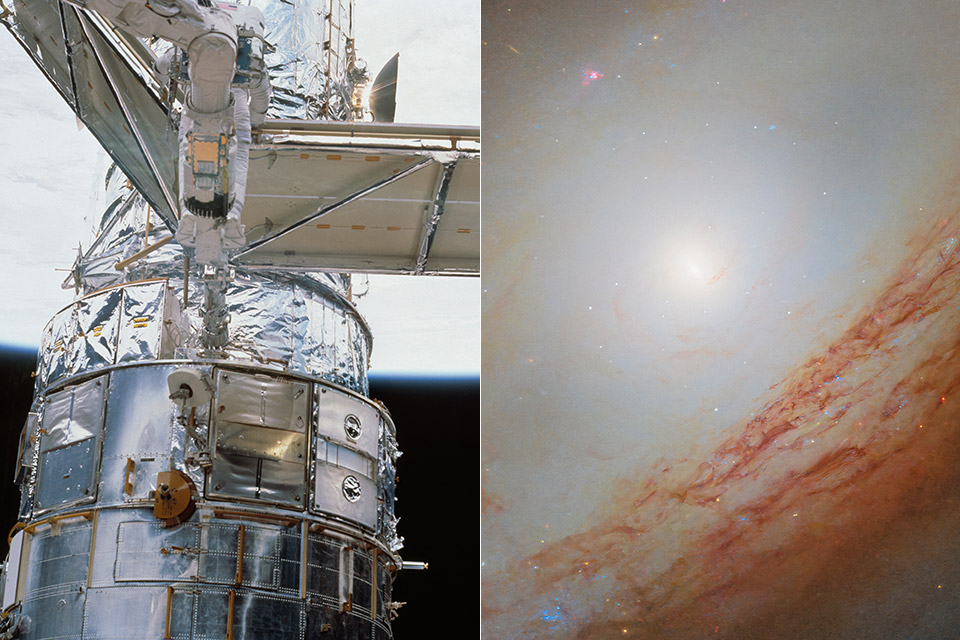
Hubble’s stunning views of distant galaxies continue to surprise us, and this latest photo of NGC 7722 serves as a gentle reminder. This lenticular beauty is a true head-scratcher, as it’s located in the constellation Pegasus, a good 187 million light-years away, and it combines characteristics from two sorts of galaxies that you’d expect to see separately. There are the graceful arms of a spiral and the smooth, rounded profile of an elliptical, but NGC 7722 stands out with a pristine disk, no spiral arms, a bright central bulge, and an outside halo that simply glows.

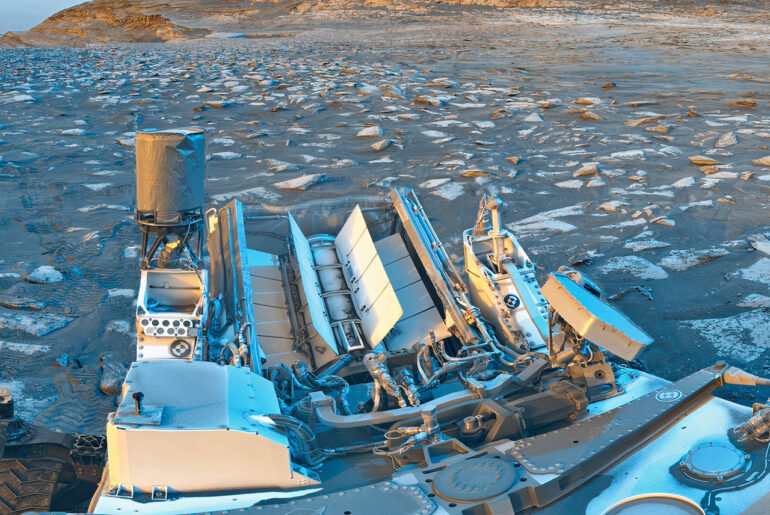
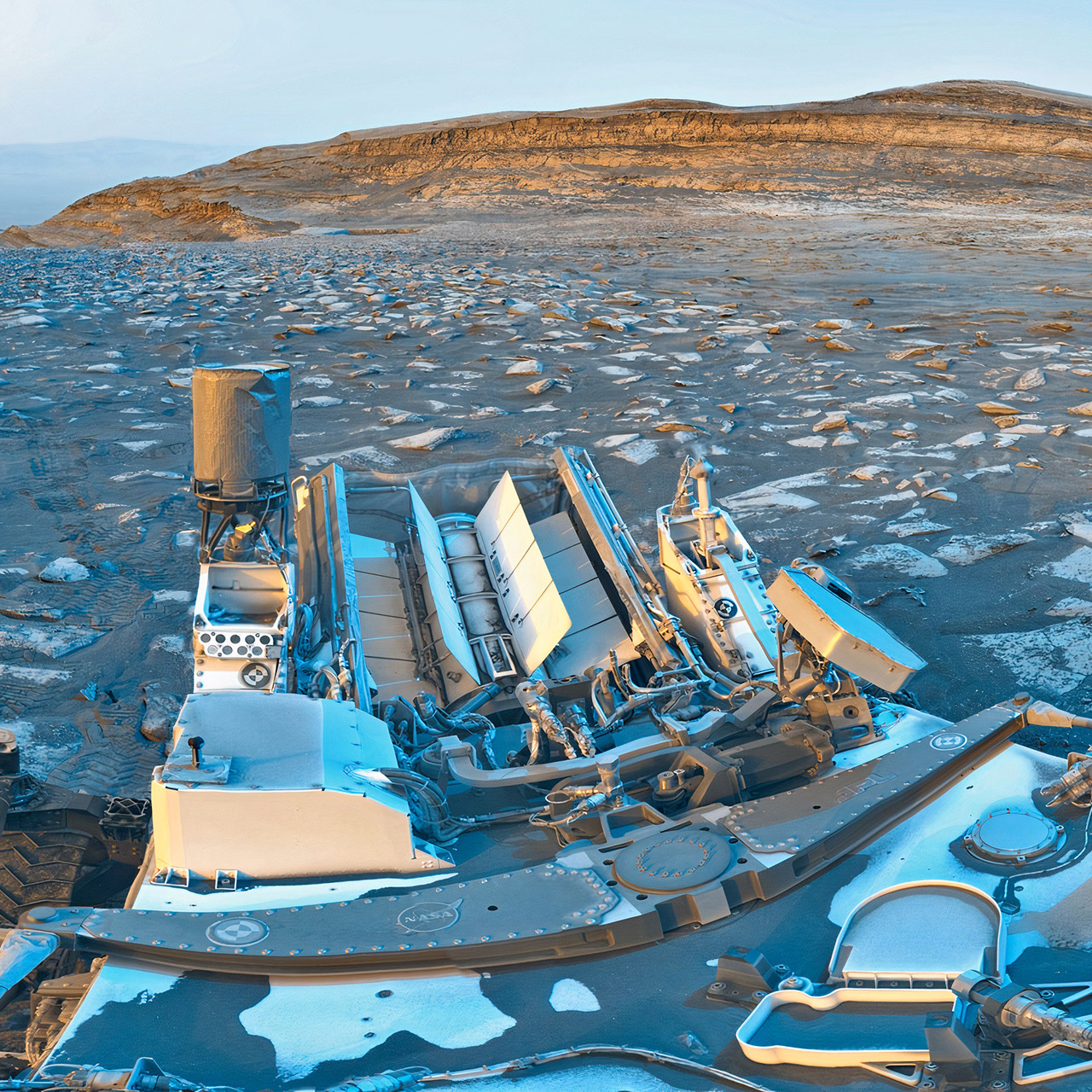
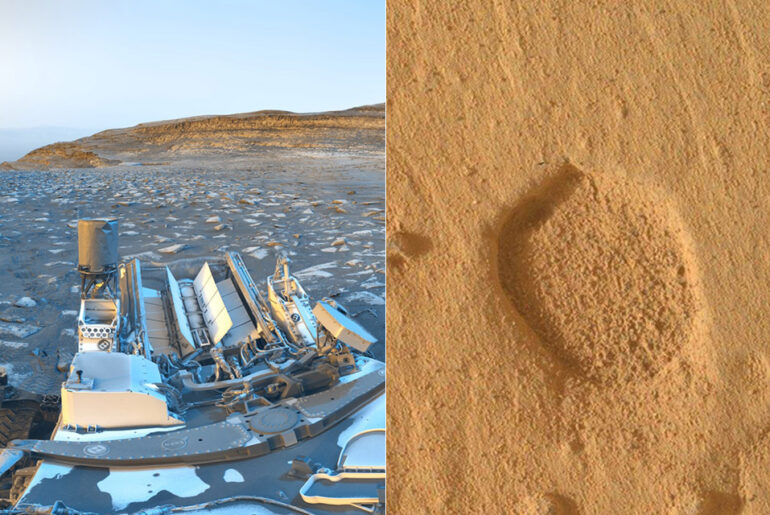
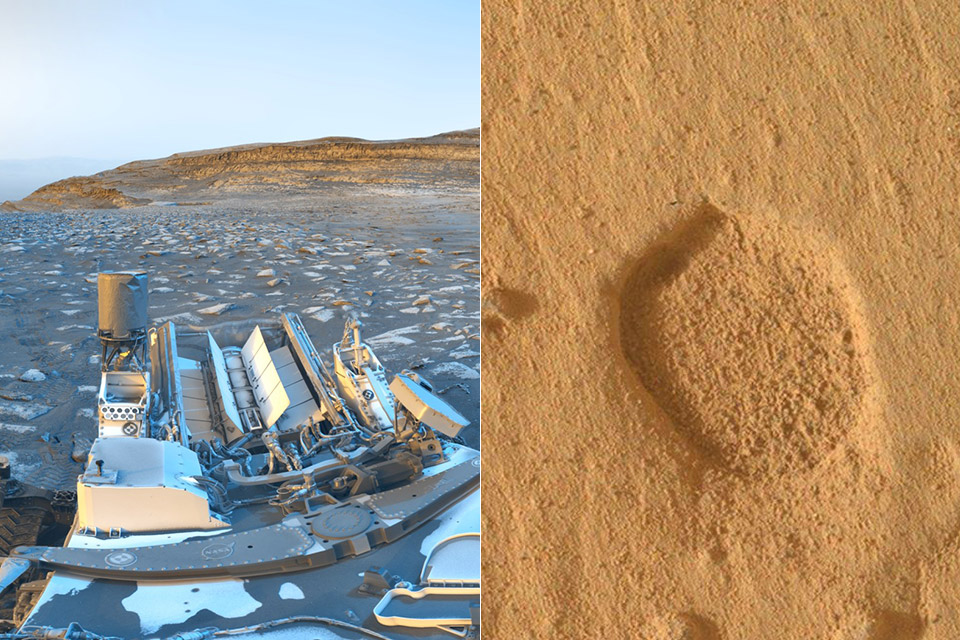
NASA’s Curiosity rover has been trudging about in the Martian sand for over a decade now, transmitting an endless flood of information in the bright Martian sunlight. However, on December 6, 2025, or Sol 4740 of its mission, a significant event in Curiosity’s long mission history took place when engineers used its lights to take a series of photos.

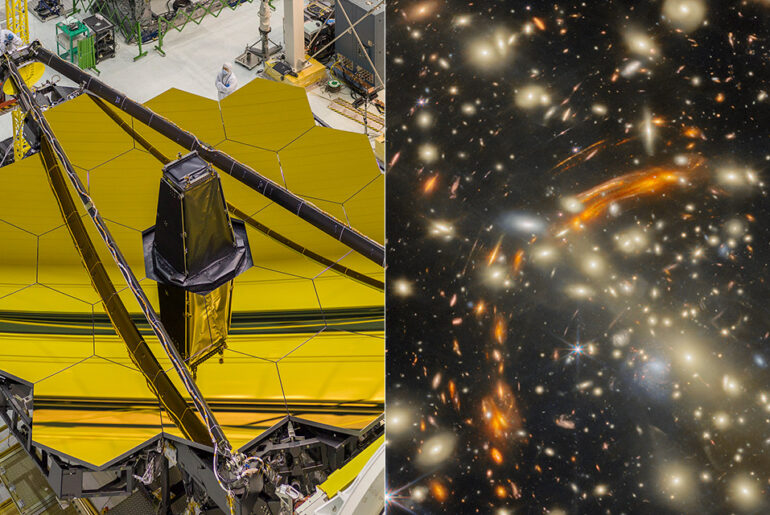
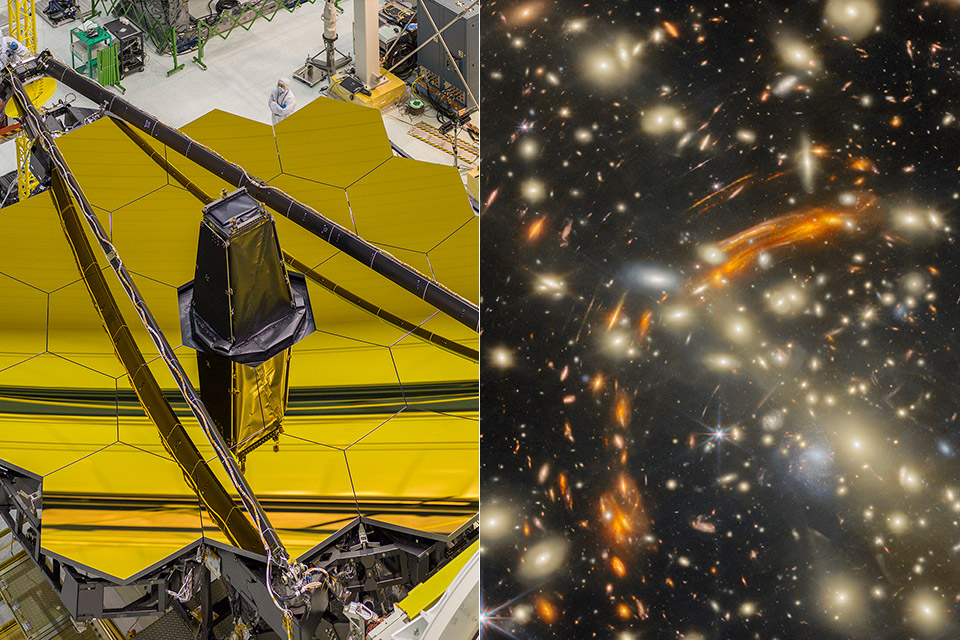
NASA’s James Webb Space Telescope continues to capture views that transport you far into the cosmos, and this latest look at Pismis 24 is particularly compelling. When you combine that with Chandra’s keen eye for high-energy bursts, you have an unmistakable depiction of chaos and creation. Pismis 24 is a young cluster of massive stars that are still in their prime, clustered together in a tight young group around 5,500 light years away in the constellation Scorpius, hidden within the expansive Lobster Nebula section of NGC 6357, one of the Milky Way’s most prolific star formation locations.

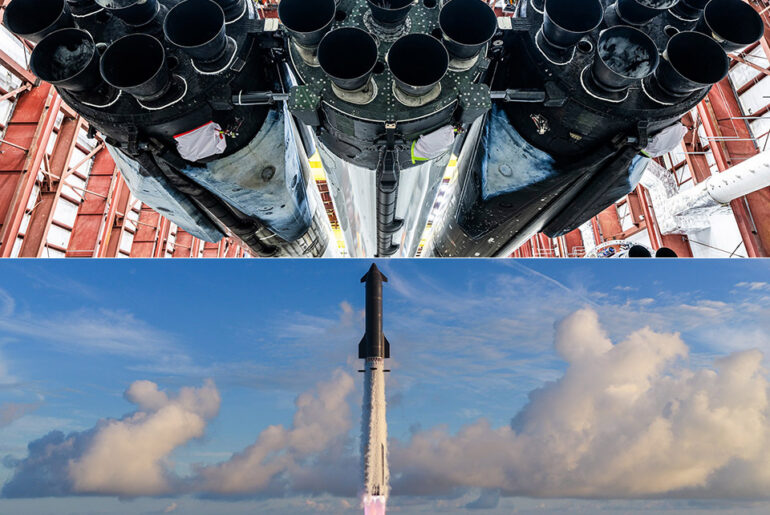
The aim of putting humans on Mars is currently driven by one guy, Elon Musk, and the entire enterprise he has built around that goal. At the core of it all is SpaceX, with their Starship vehicle serving as the primary piece of equipment meant to complete the operation. Tesla is also contributing, although primarily through energy storage and robotics, but the majority of the effort remains with SpaceX.

Photo credit: Chris Russell
The recent hot fire test of an RS-25 engine marked a big step forward for NASA’s Artemis program, and it went practically unnoticed. On January 22, 2026, engineers at Stennis Space Center in Mississippi took out one of the RS-25 engines, number 2063, and tested it on the Fred Haise test stand. This included a 5-minute burn, and thankfully, everything fell into place. The engine delivered 109% of its rated power output, providing the rock-solid, robust performance required to place the Space Launch System rocket into orbit with little fuss.

Photo credit: Chris Williams
On January 19, 2026, NASA astronaut Chris Williams took amazing images of an aurora while floating high above the Mediterranean Sea onboard the International Space Station. The final sight is breathtaking, with blazing green and red light ribbons arching along the Earth’s edge and European city lights glittering like stars beneath, with a view north from the Italian coast to Germany.