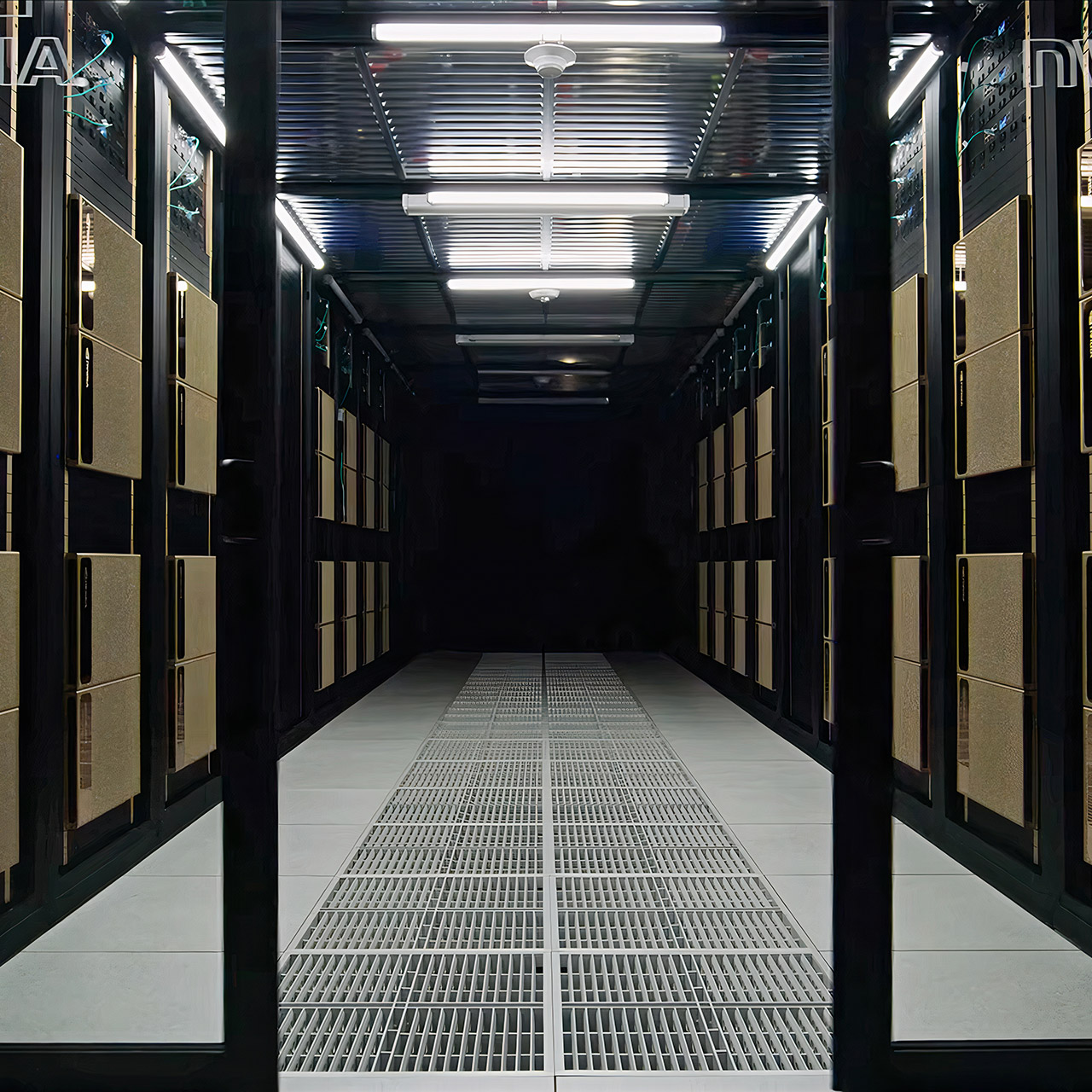
Quantum computers have the ability to solve some extremely tough problems that are virtually impossible for regular computers to crack. There is one catch: those incredibly sensitive quantum bits known as qubits can be thrown out of sync by the smallest disturbance, forcing researchers to spend an eternity modifying hardware and correcting errors on the fly. That has all changed with NVIDIA’s recent announcement, which includes a set of open AI models that anybody may download and adapt.


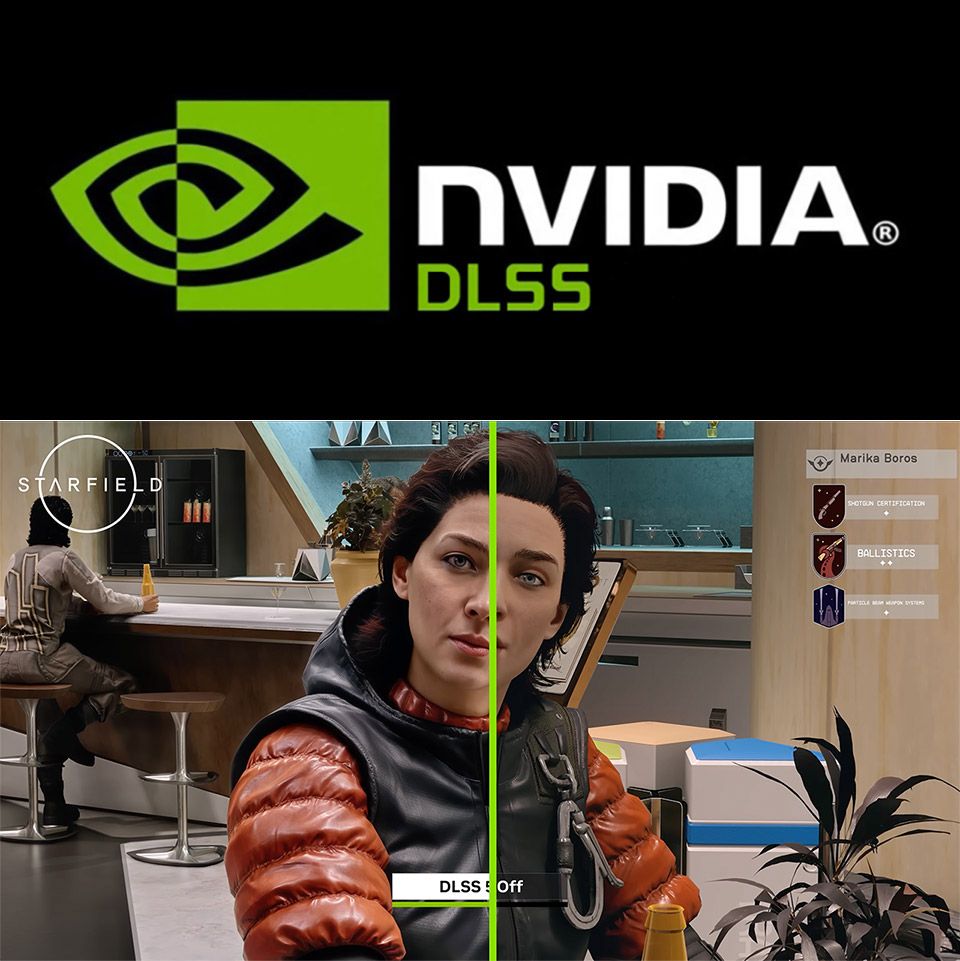
NVIDIA dropped a significant announcement at GTC 2026, and DLSS 5 is already changing the way games look on screen. Developers get a straightforward set of controls to work with, including the ability to dial in how strongly the effect is applied, make color balance adjustments, and designate specific areas of the image to be left untouched

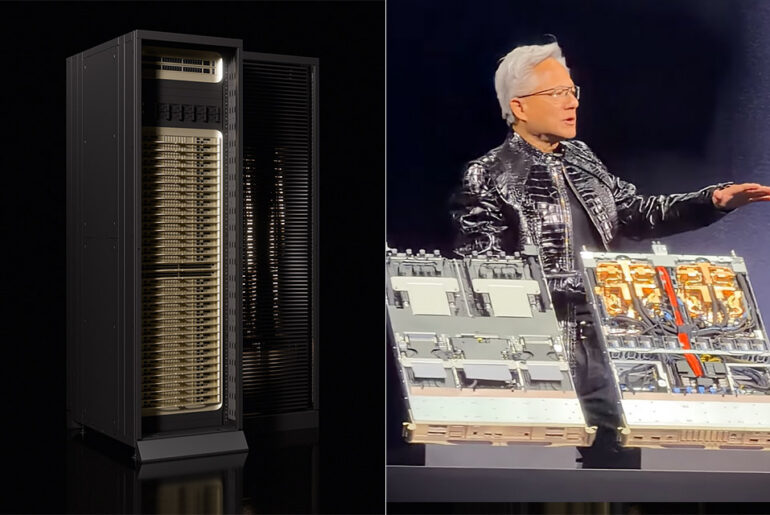
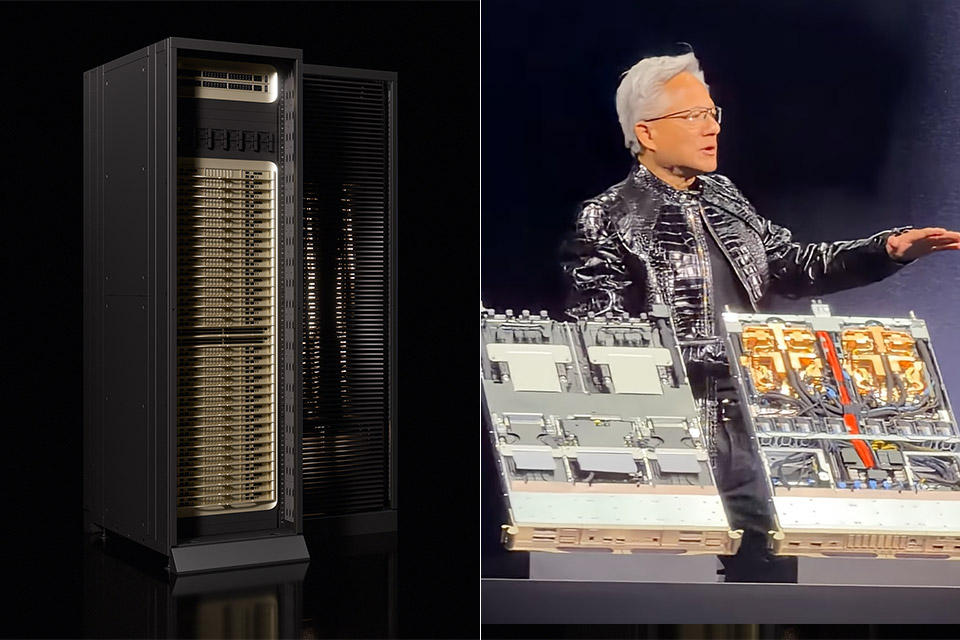
NVIDIA engineers built the Vera CPU on 88 unique cores they dubbed Olympus. These cores are based on Arm v9.2 technology, with NVIDIA-specific modifications. Instead of dividing everything across numerous smaller chips, they’ve put it all on a single piece of silicon, reducing signal delays caused by needing to transport data across multiple dies.

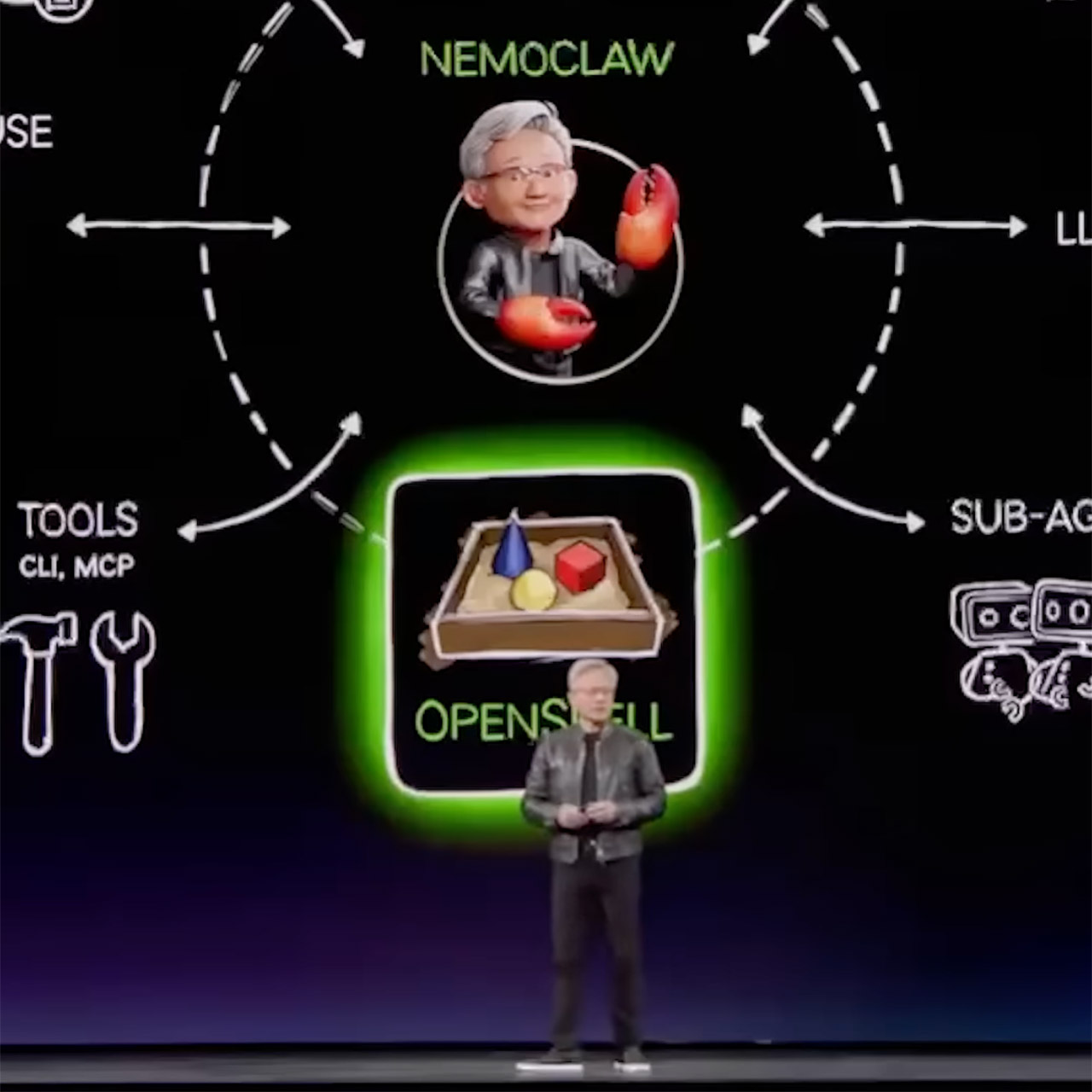
OpenClaw took the tech industry by surprise earlier this year when an Austrian engineer created the first version in roughly an hour. This small project swept through the community like wildfire as the most open-source endeavor on record, allowing anyone to set up a personal AI agent to operate directly on their own PC and accomplish tasks like organizing files or pounding out code without sending any data off to who knows where. At GTC, NVIDIA introduced NemoClaw, a software add-on for OpenClaw that can be installed with a single command. This new layer includes the security features and privacy controls that transform these agents from fun little experiments to useful business solutions.

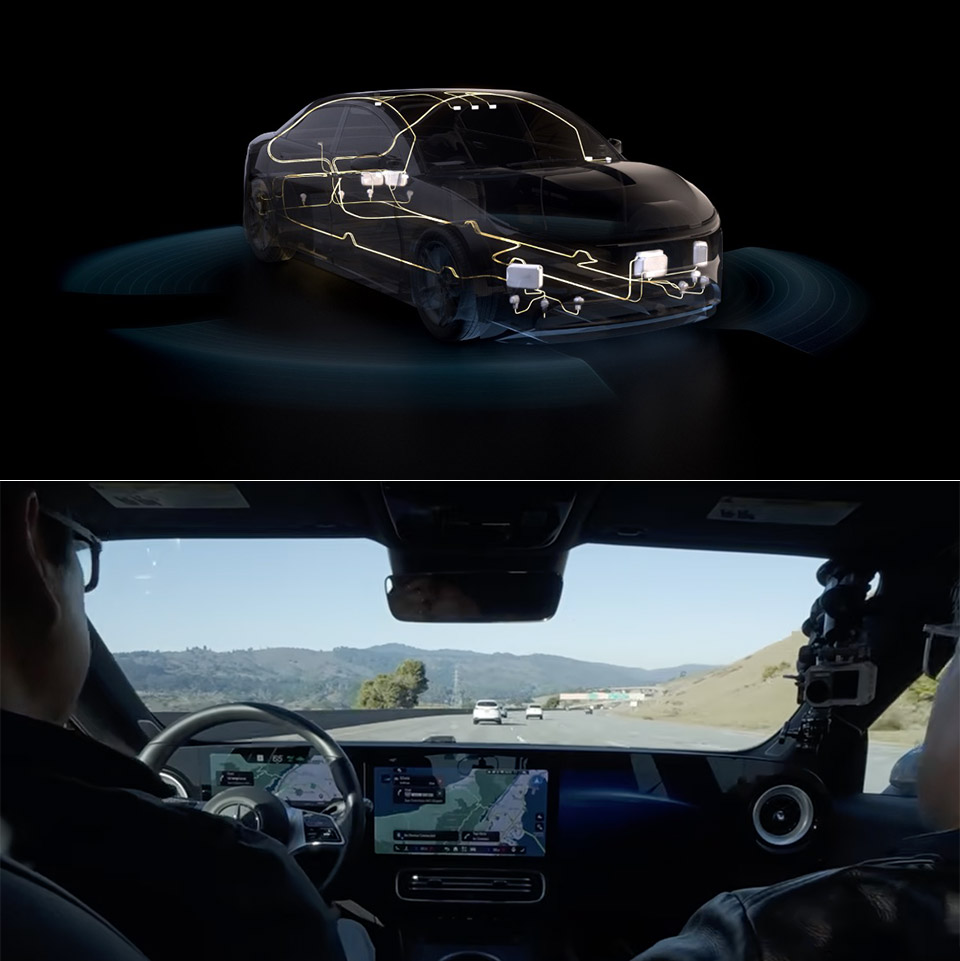
GTC 2026 brought some news that caught a lot of people off guard. Three major automakers have signed on to work with NVIDIA to bring autonomous driving to their vehicles in defined conditions, and sooner than most would have expected. BYD, Nissan, and Isuzu are all on board, each bringing their own strengths to the table as the technology edges closer to becoming an everyday reality on public roads.”.

A wedding was taking place in a sunlit hall deep in the heart of Turkey, complete with laughing, music, and dancing, as well as family gathering as close as possible. Guests lined up as expected, each eager to give the happy couple something unique. Envelopes containing cash and gold pieces were passed from hand to hand as usual, but one of the attendees did something unexpected.

When you fire up that beast of a graphics card, the RTX 5090, Conquest Reforged adds a whole new level of depth and visual complexity to Minecraft’s blocky old environment. This modpack, which is based on a core mod that adds a staggering 12,000 additional blocks and 3D models, requires some substantial hardware to perform properly.

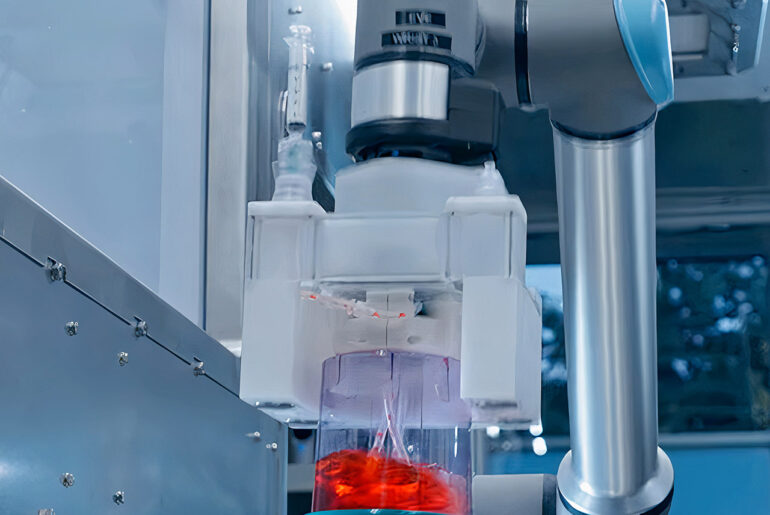
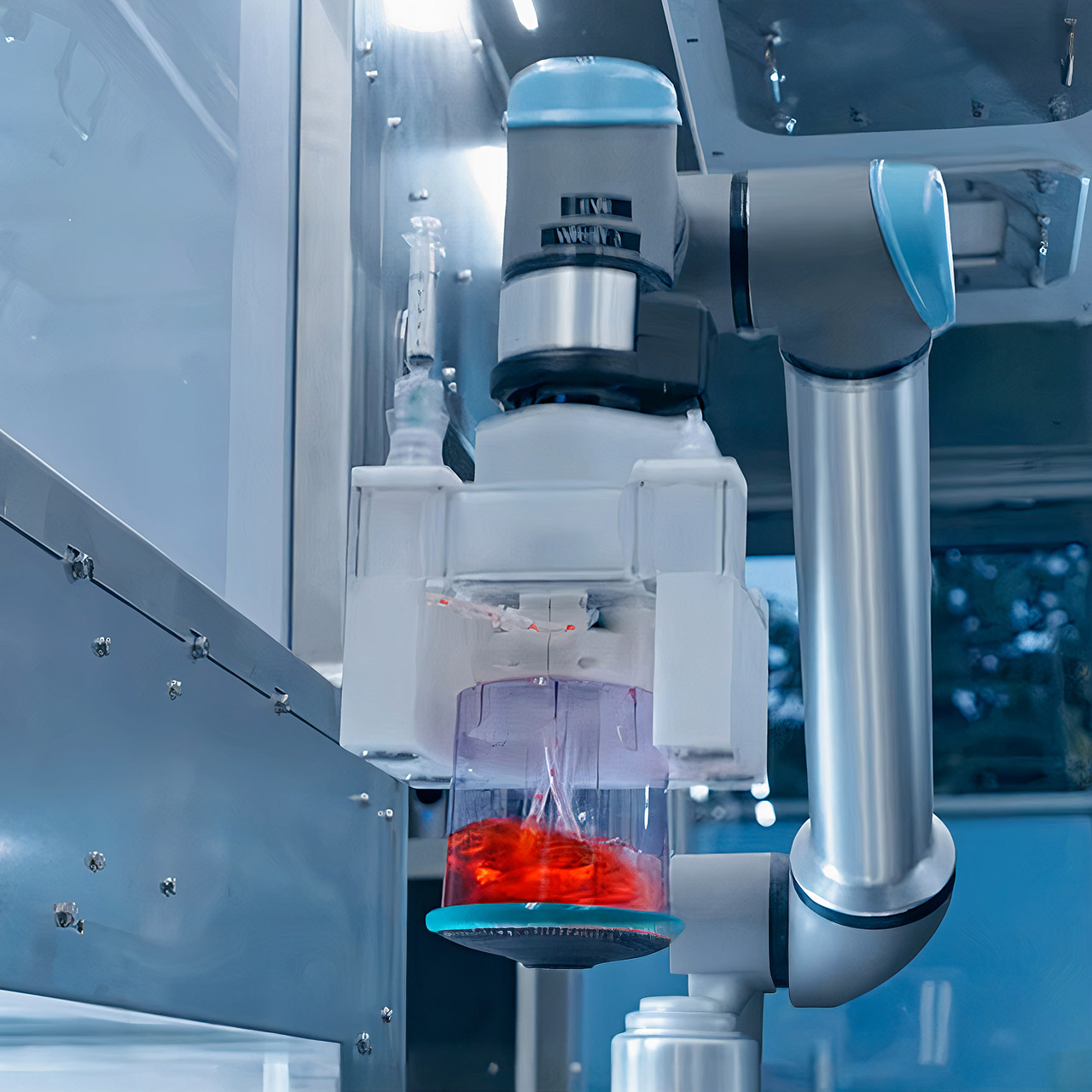
Cell therapy is being promoted as a promising treatment for cancer, auto-immune diseases, and genetic problems by modifying a patient’s own cells to combat the illness. However, the process of generating these treatments remains long, expensive, and prone to error. A single dose can cost upwards of $100,000, owing to the necessity for highly skilled technicians to work in clean surroundings, carefully handling sensitive tasks one patient at a time. Multiply Labs, a San Francisco company, has partnered up with NVIDIA to turn this on its head.

Modder Woodboy90 spent months rebuilding Quake 3 Arena, giving it a modern look. His mod uses NVIDIA’s RTX Remix to add route tracing to three classic maps: Q3DM1, Q3DM6, and Q3DM10. Most of the textures have been much improved, surfaces now reflect light more realistically, and shadows fall deep across venues that previously only had simple glows.