Tag

Science

Browsing

Turning Sugar Electrical Power Ethanol
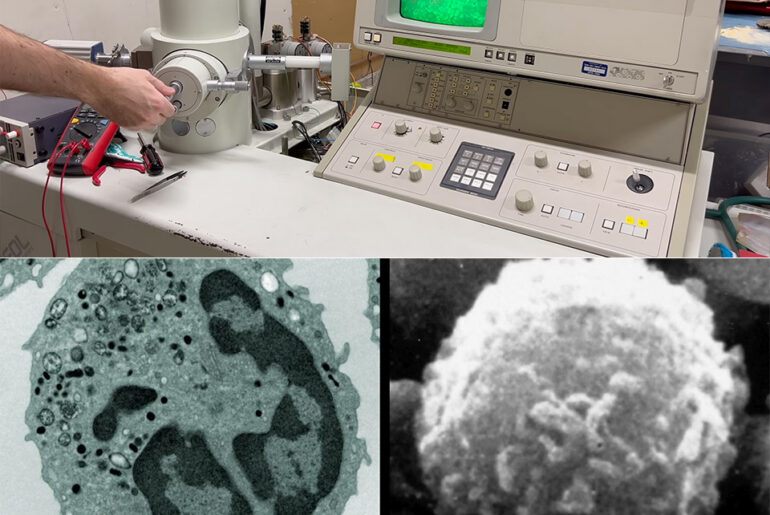
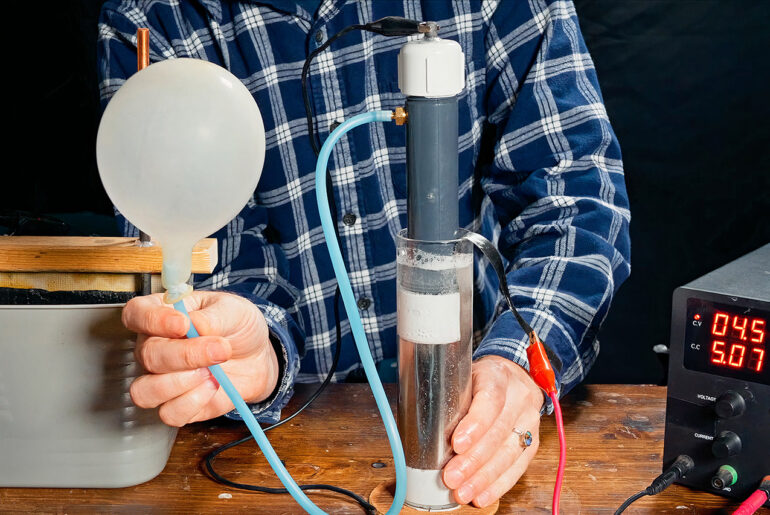
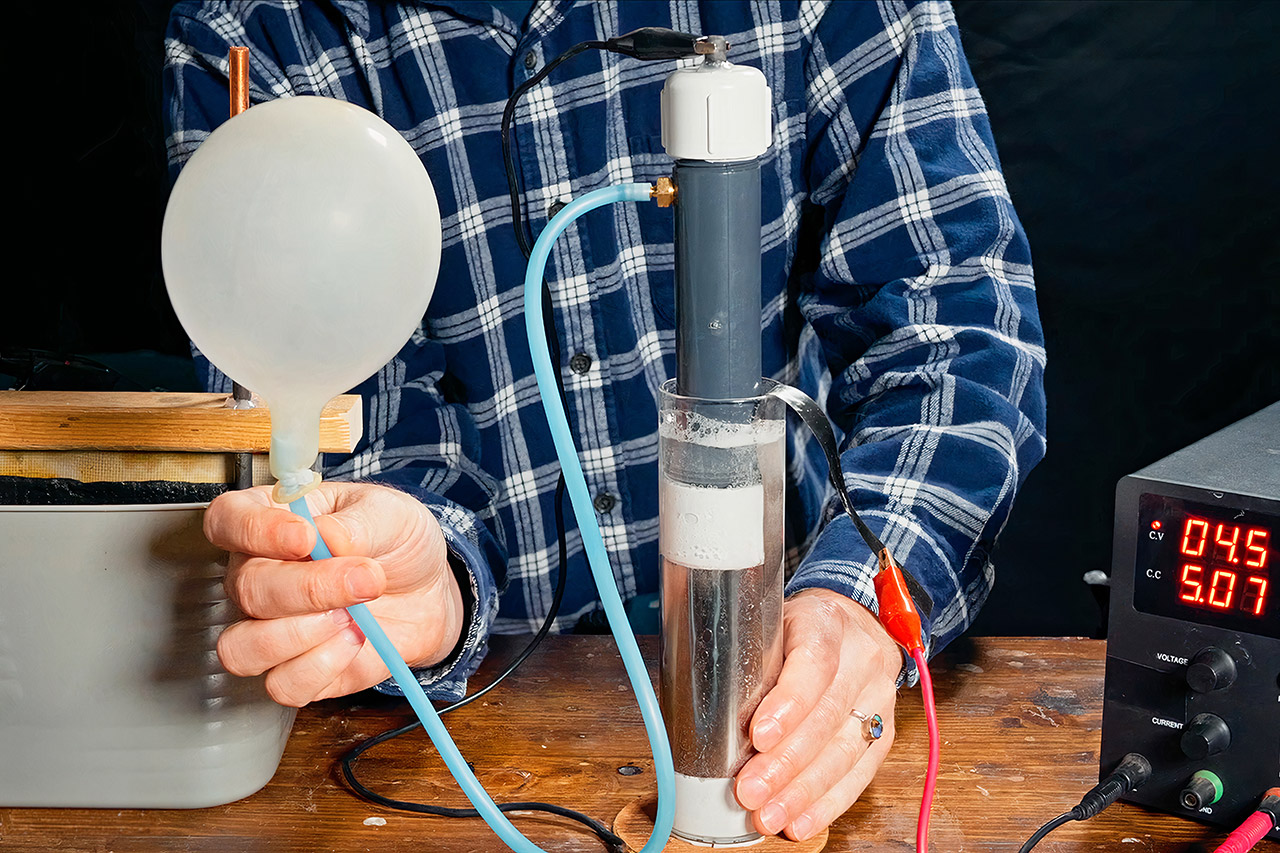
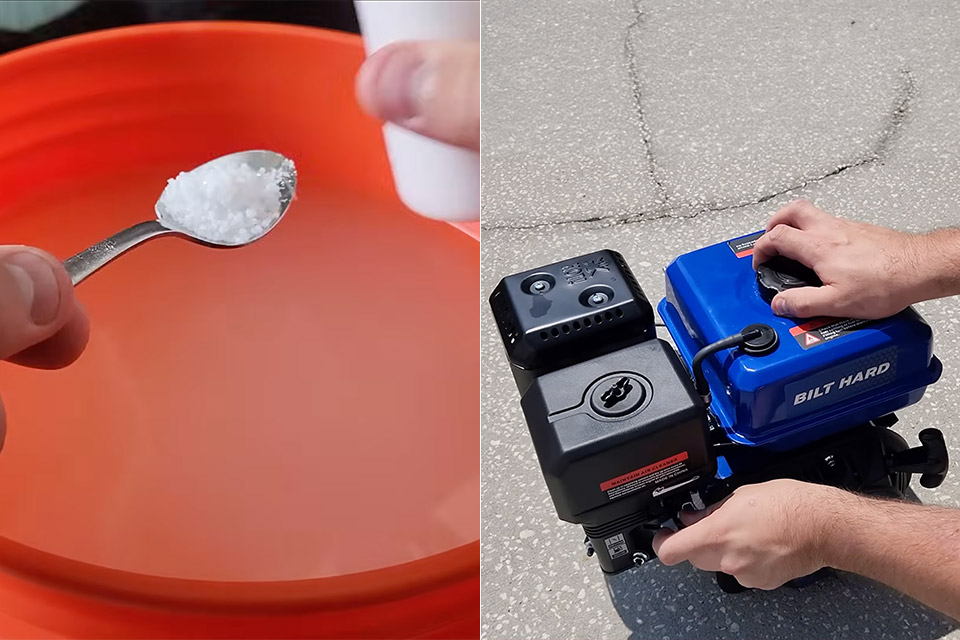
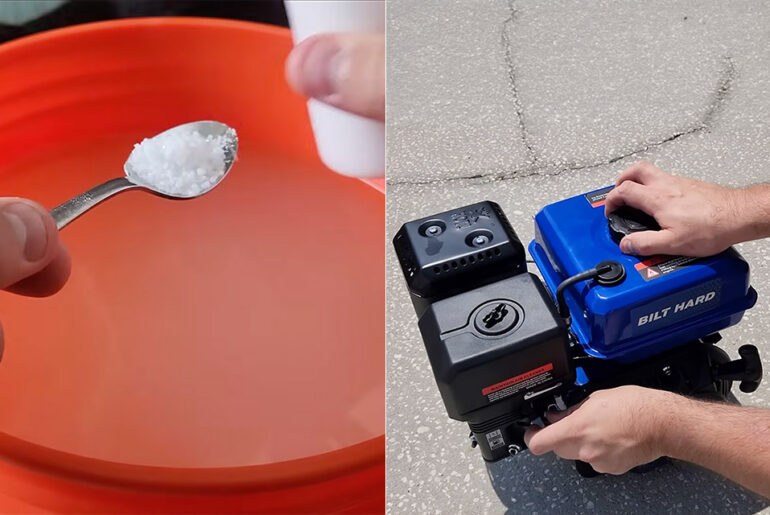
When you put yeast in a sugar solution, the results are rather straightforward. The yeast munches on the sugar in the absence of oxygen and employs enzymes to convert sucrose into basic sugars. Those are subsequently converted into ethanol and carbon dioxide. One common method is to combine table sugar and water to achieve a 20% concentration before adding around 2 grams of baker’s yeast per liter. Before you know it, bubbles appear as CO2 escapes from the airlock. After a week or two, the liquid contains approximately 10-15% ethanol. It turns out that approximately 54% of the sugar you started with is converted into ethanol, while the remainder is expelled as CO2.
University of Texas Austin Jacket Harvest Drinking Water Air
Photo credit: Jacey Yarbrough | The University of Texas at Austin
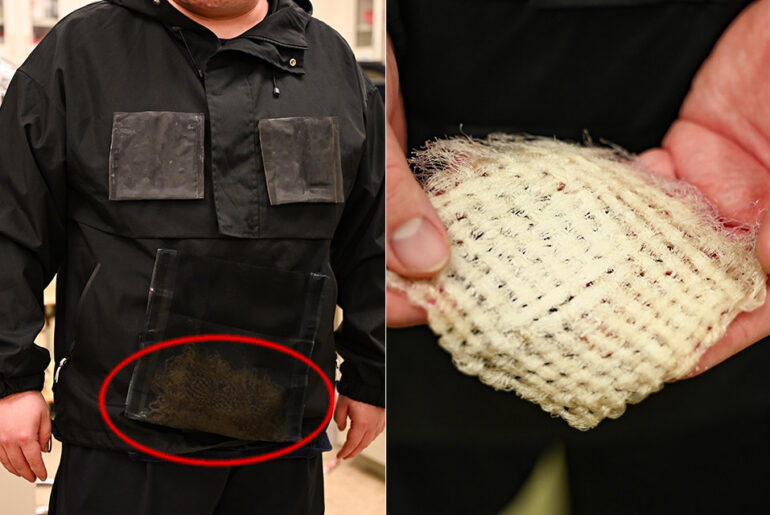
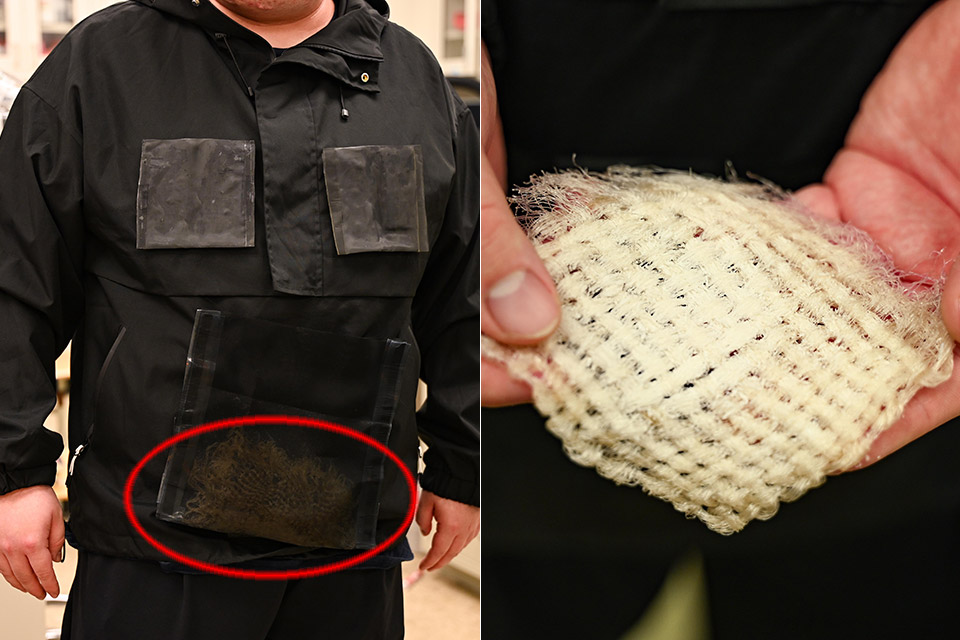
Engineers at the University of Texas at Austin built a jacket that collects moisture from the air and turns it into clean drinking water ready for use. Practical needs for reliable water in remote locations drove much of the project. Many hikers, agricultural workers, and emergency responders operate in areas where carrying enough bottled water or finding safe sources creates constant challenges.

Caltech Deep Synoptic Array Most Sensitive Radio Telescope
Photo credit: Katie Jameson/Caltech/DSA Project
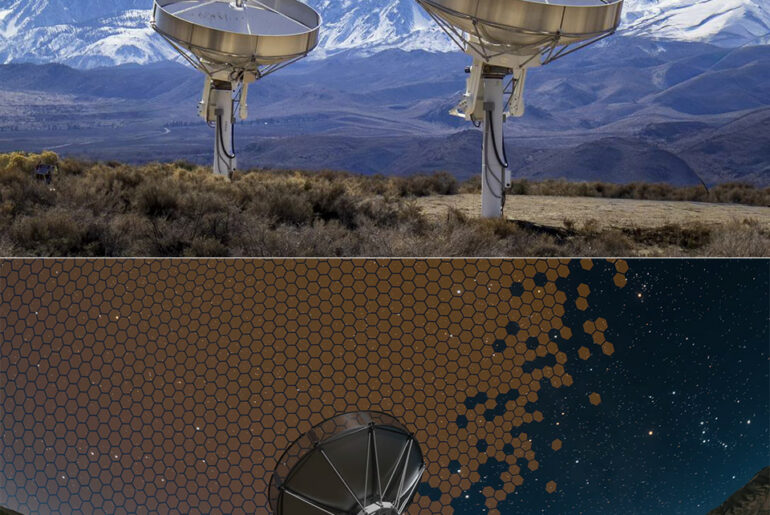
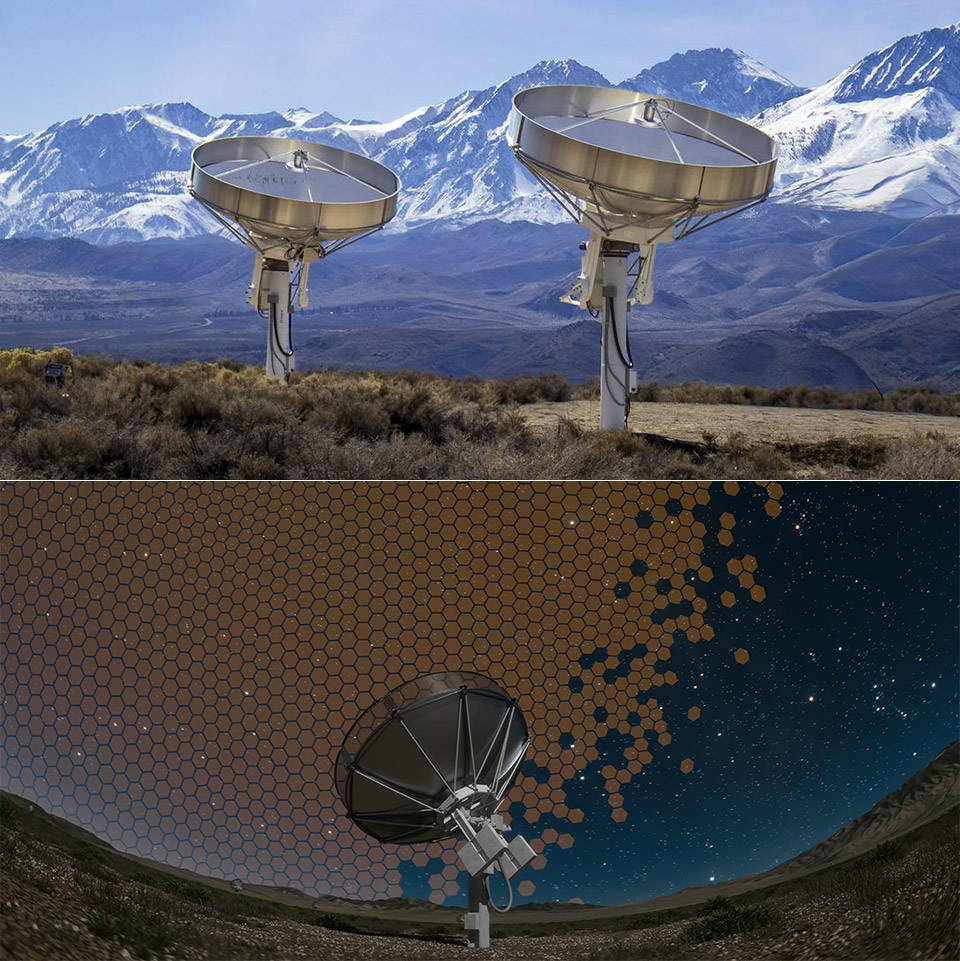
Construction crews will soon start work on a remote valley floor in Nevada. Caltech astronomers intend to place 1,650 radio dishes across a rectangle roughly 20 kilometers long and 16 kilometers wide. The finished array will sweep the visible sky several times during its first five years of operation and move 100 times faster than any radio telescope now in use.

NTU 5-in-1 Surgical Micro Robot
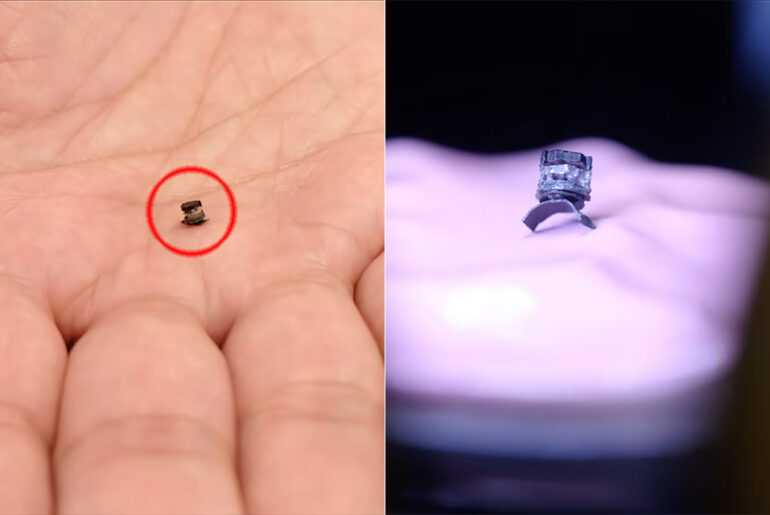
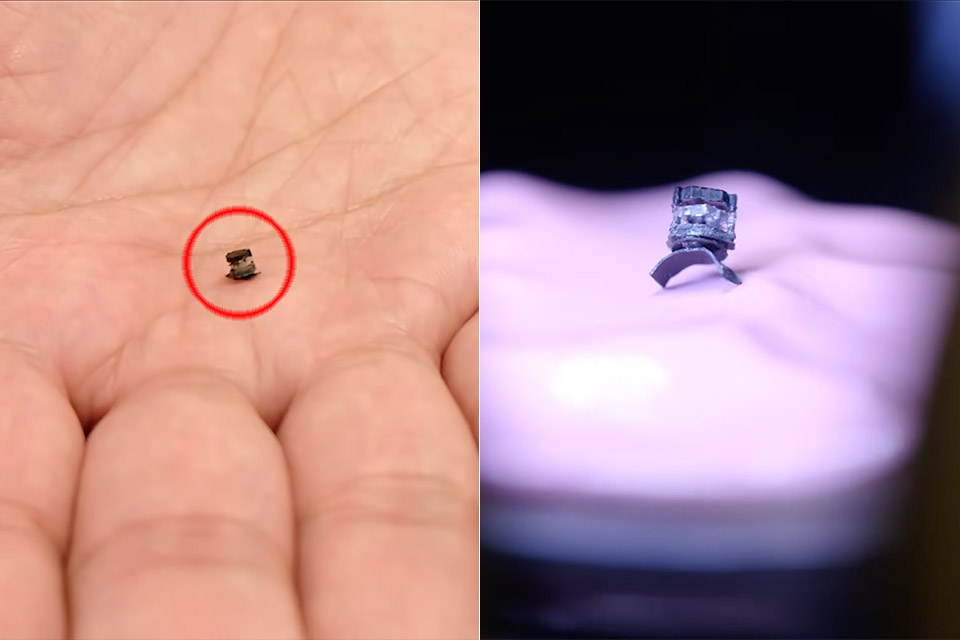
NTU researchers spent seven years building a magnetic robot just 4.4 millimeters long. The compact machine performs five surgical functions through external control alone. It travels across soft tissue, cuts when required, dispenses medicine, gathers samples, and creates localized heat. Work on the project took place in the School of Mechanical and Aerospace Engineering under Associate Professor Lum Guo Zhan.

Drone Honebee Navigation Bee Nav
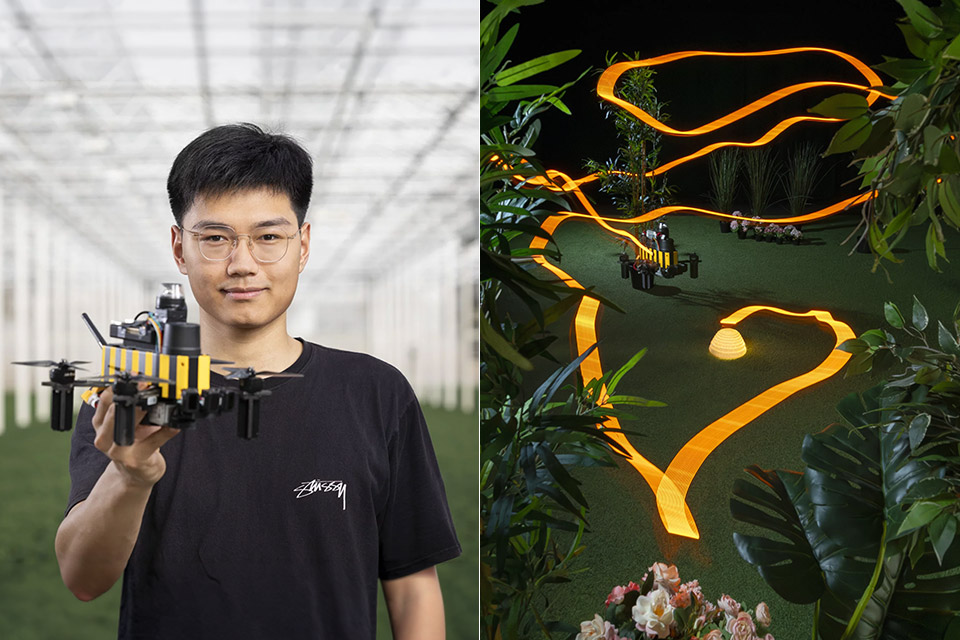
Photo credit: Delft University of Technology | Micro Aerial Vehicles Lab
Researchers at Delft University of Technology have built a navigation method for small drones that copies one of nature’s most efficient routines. Honeybees fly long distances along twisting routes yet still head home with striking accuracy. The new system lets a drone do something similar after just one short practice flight near its base, all while using a learning program small enough to fit in the memory of a basic phone app icon.