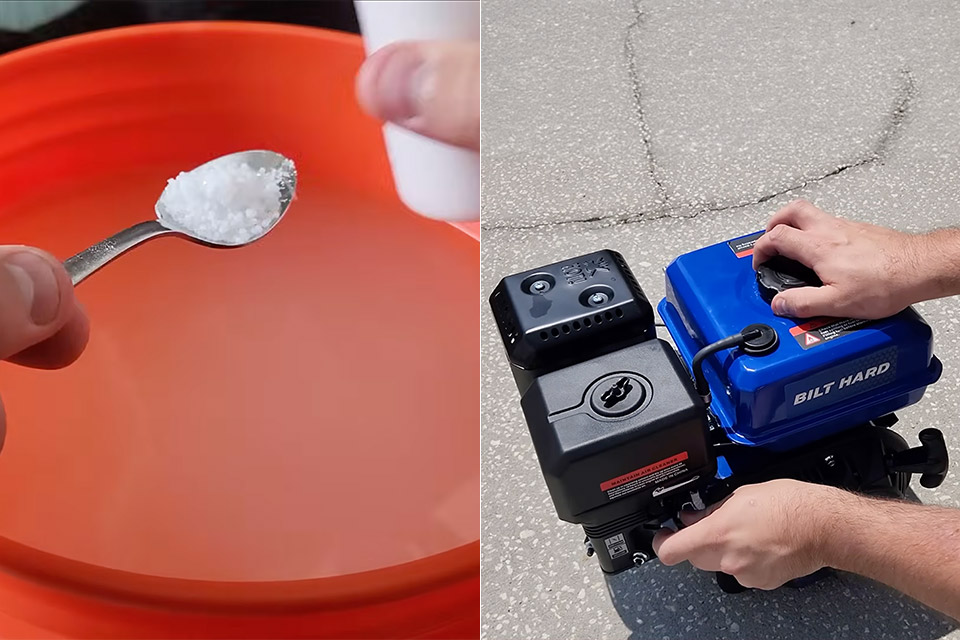
When you put yeast in a sugar solution, the results are rather straightforward. The yeast munches on the sugar in the absence of oxygen and employs enzymes to convert sucrose into basic sugars. Those are subsequently converted into ethanol and carbon dioxide. One common method is to combine table sugar and water to achieve a 20% concentration before adding around 2 grams of baker’s yeast per liter. Before you know it, bubbles appear as CO2 escapes from the airlock. After a week or two, the liquid contains approximately 10-15% ethanol. It turns out that approximately 54% of the sugar you started with is converted into ethanol, while the remainder is expelled as CO2.
However, the concentration levels are insufficient to keep an engine running reliably. To get it to separate from the water it is combined with, we must distill it. The brew is poured into an 8-liter pressure cooker, which resembles a large saucepan with a pipe coming out of it. We just heat it on an electric heating plate, but it does not boil. The main difference is that ethanol vapor rises before water because it boils at 78 degrees and water boils at 100 degrees. To condense it, we use a long copper conduit lined with mesh and allow it to run back around every now and again. Each time, the percentage of ethanol in the ascending vapor increases somewhat. The system’s final step cools the vapor into a liquid, resulting in a hydrometer reading of 93 to 95% ethanol, and a simple flame test reveals that it’s burning properly, with no residue.

- Extended Range: Up to 34 miles with SegRange tech.
- Powerful 800W Motor & Speed Modes: Reach speeds up to 20 mph with smooth acceleration, featuring Eco mode for 34 miles at 9 mph and Sport mode for...
- Rugged Durability: Alloy frame with IPX5 water resistance for reliable performance.
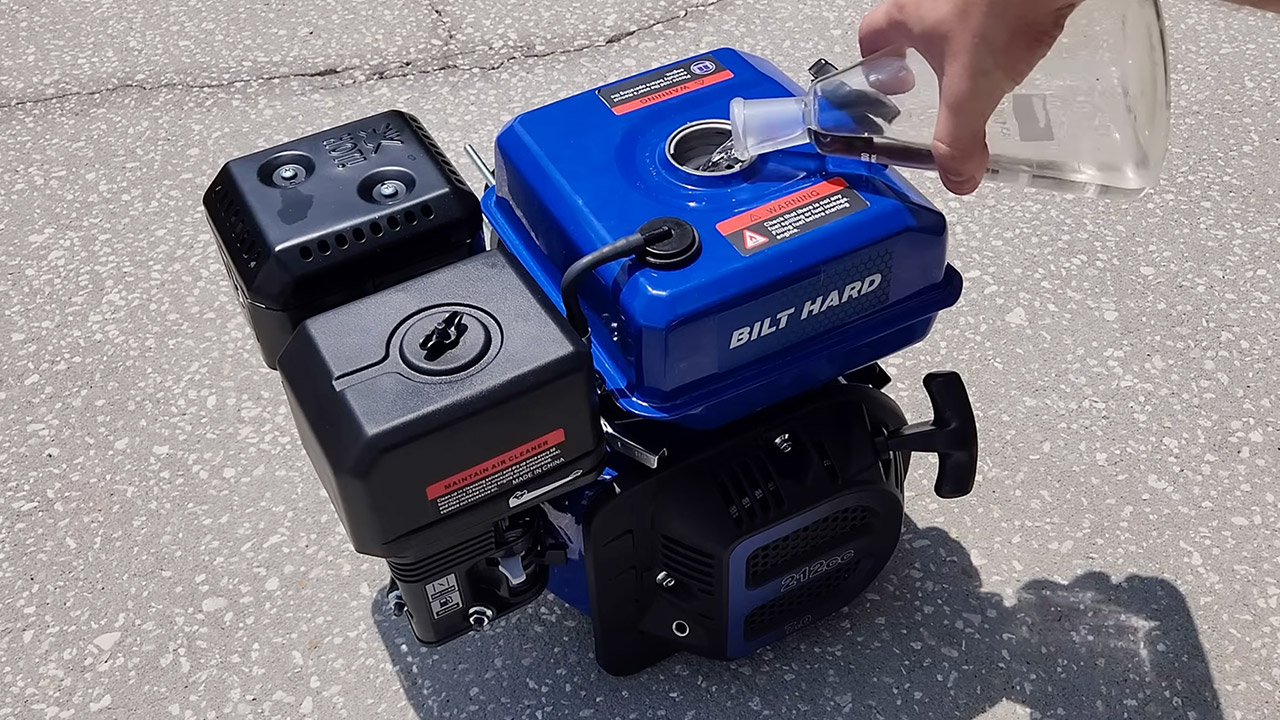
We need to make a few tweaks before the engine will operate on this stuff. The engine used is a 212cc four-stroke with a carburetor, so we’ll need to increase the main jet size by around 20% to accommodate the more concentrated ethanol combination. The rubber seals and gasoline lines will need to be replaced with Teflon and metal ones that can withstand ethanol. Once everything has been replaced, the engine will start on the concentrated ethanol and happily spin the crank, however we may need to adjust the pilot circuit if it is not idling properly.
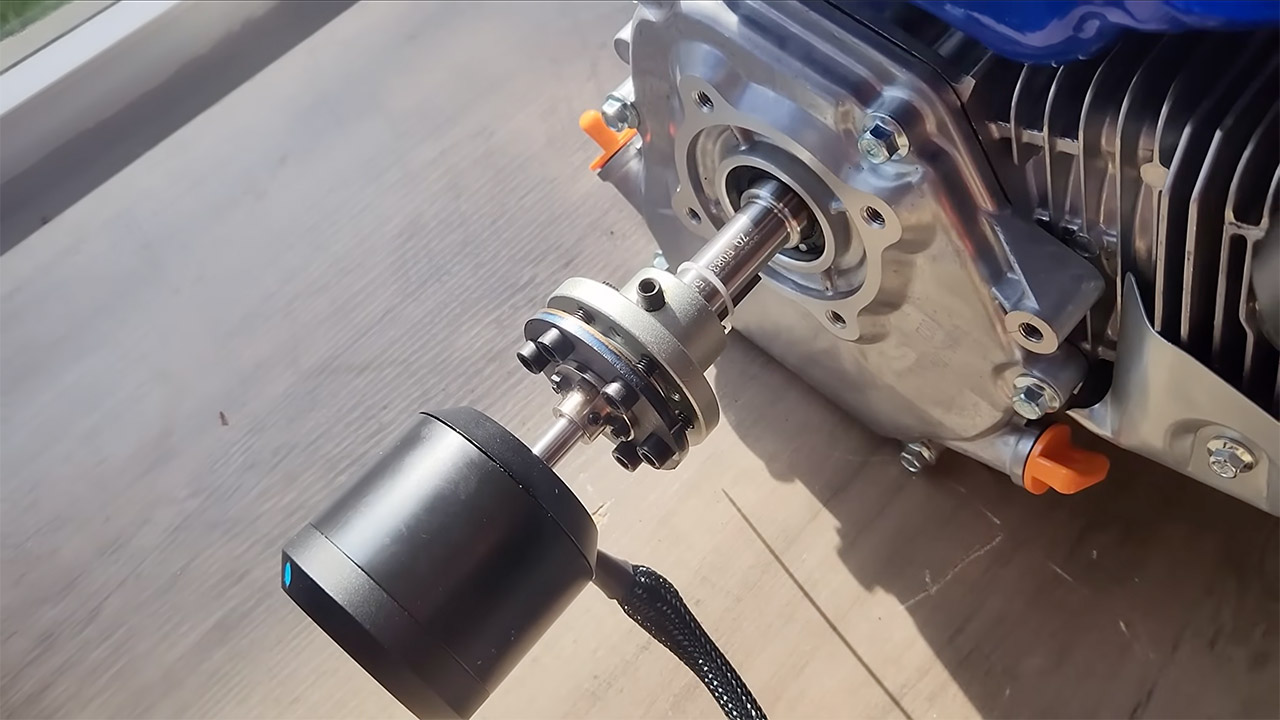
Hyperspace Pirate began by obtaining an old brushless motor that had originally come with an electric skateboard, which it then mounted onto the crankshaft using some adapters and a scrap of metal to secure it. As the crank turns, the motor starts spinning and produces a three-phase alternating current via electromagnetic induction. Next, a bridge rectifier is utilized to convert the AC to the DC required, which is 12-18 volts. Under normal load, the Hyperspace Pirates system generates 780-900 watts, which is quite astounding. If you add a capacitor to smooth out the voltage and an inverter to make it more like standard residential power, you’ll have 120 volts.
[Source]