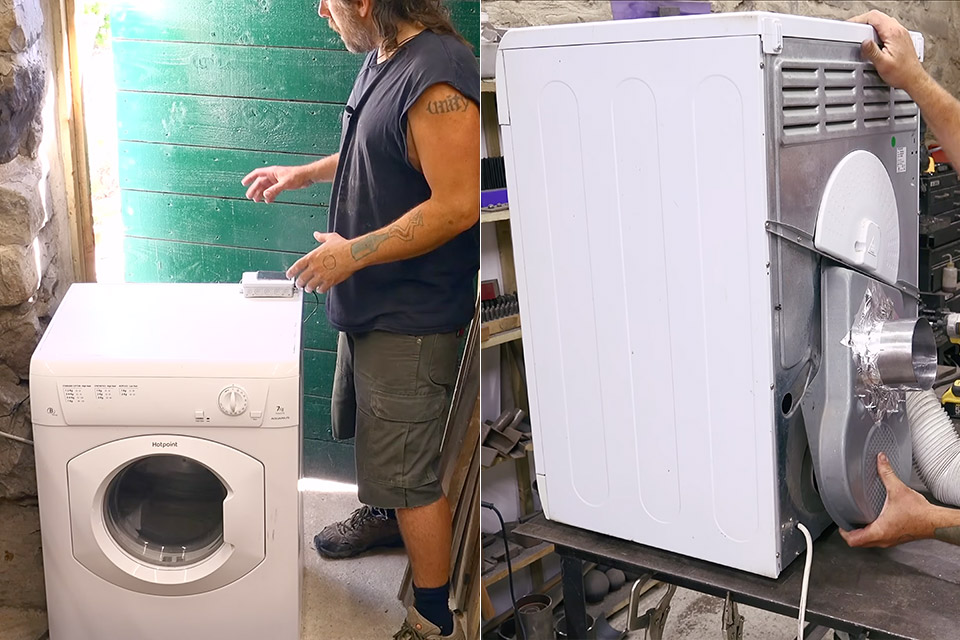
Greenhill Forge wanted to find out whether solar air heating could handle actual laundry drying without relying on a big electric heating element. The short answer from his latest build and test is yes, and the numbers make a strong case for it. He connected an upgraded solar air collector panel directly to a standard clothes dryer. The panel supplies heated air that replaces the usual 2,400-watt electric element. In the real-world trial, a test shirt came out completely dry after one hour. The only electricity consumed during that hour went to spinning the drum. Total draw sat around 155 watts.
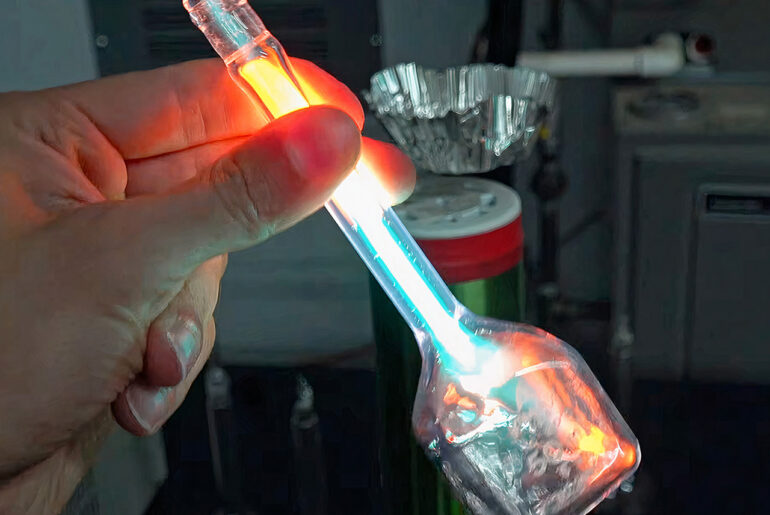
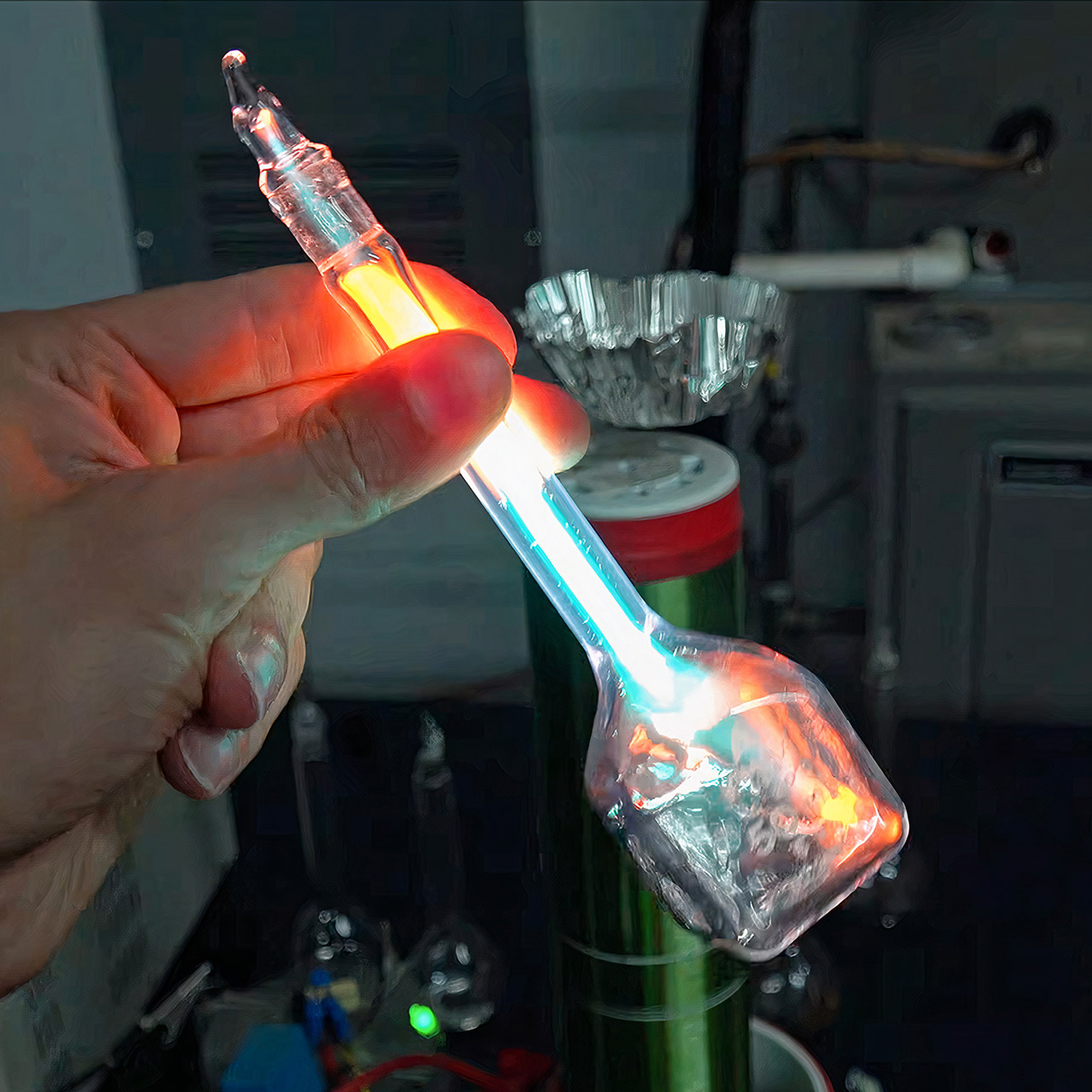
Drake Anthony spends a lot of time in the workshop, continually pushing the boundaries of what you can produce with basic materials. His recent video on the styro pyro 2 channel attempts to replicate a phenomenon discovered over three centuries ago. The ultimate result is a glass flask that emits visible light when shaken, eliminating the need for batteries, wiring, or other external power sources.

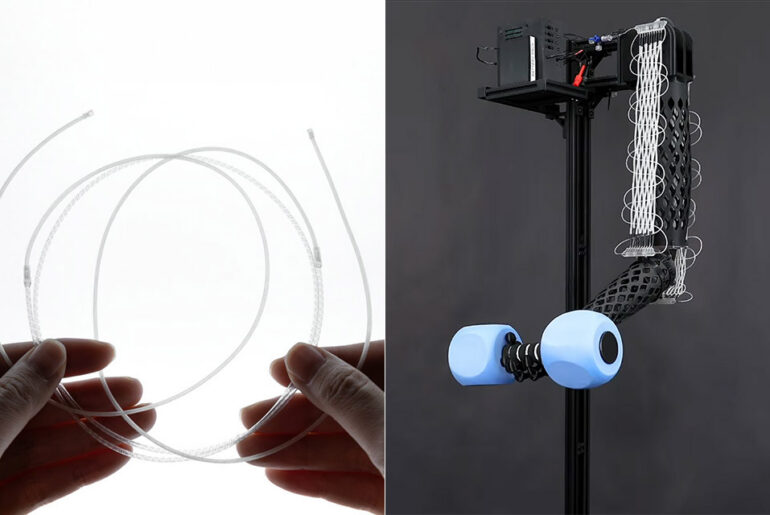
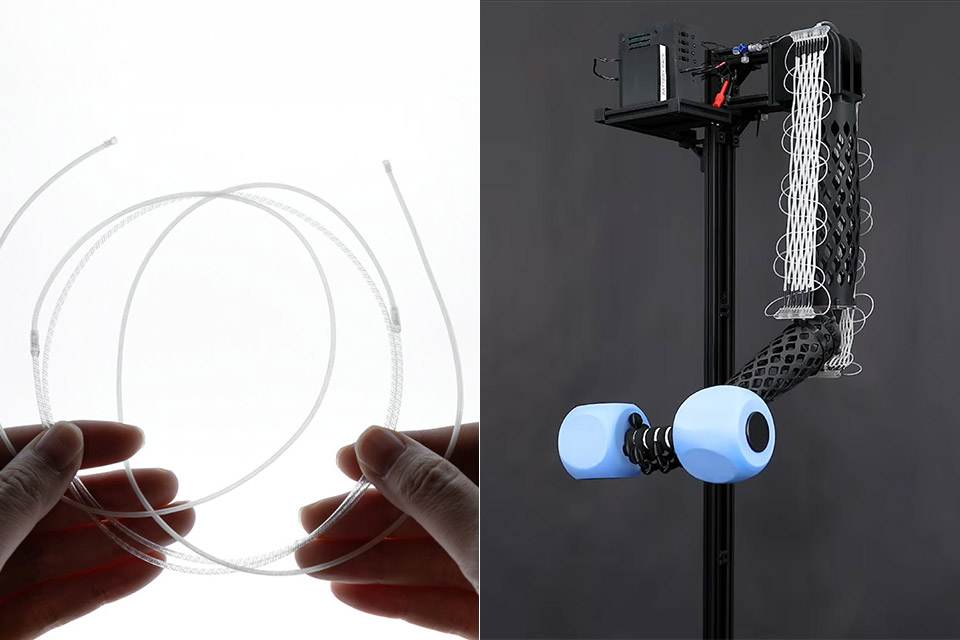
A pair of soft white tubes no thicker than a couple of strands of spaghetti rest in a researcher’s hands. They look almost fragile, yet these fibers can pull with the strength of real muscle, stay completely silent while they work, and run for hours on nothing more than a small battery pack. Researchers at the MIT Media Lab and Politecnico di Bari just published the full details of this system in Science Robotics, and the results feel like a genuine step change for anyone building humanoid robots or wearable machines.

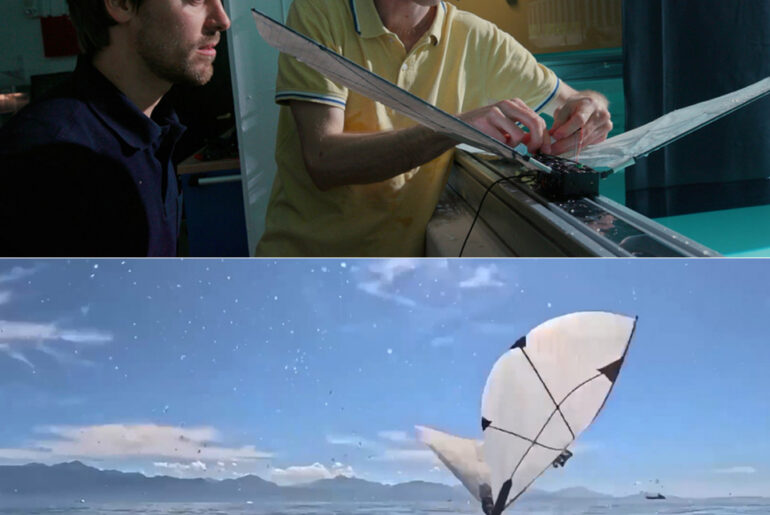
Photo credit: Raphael Zufferey / John Freidah
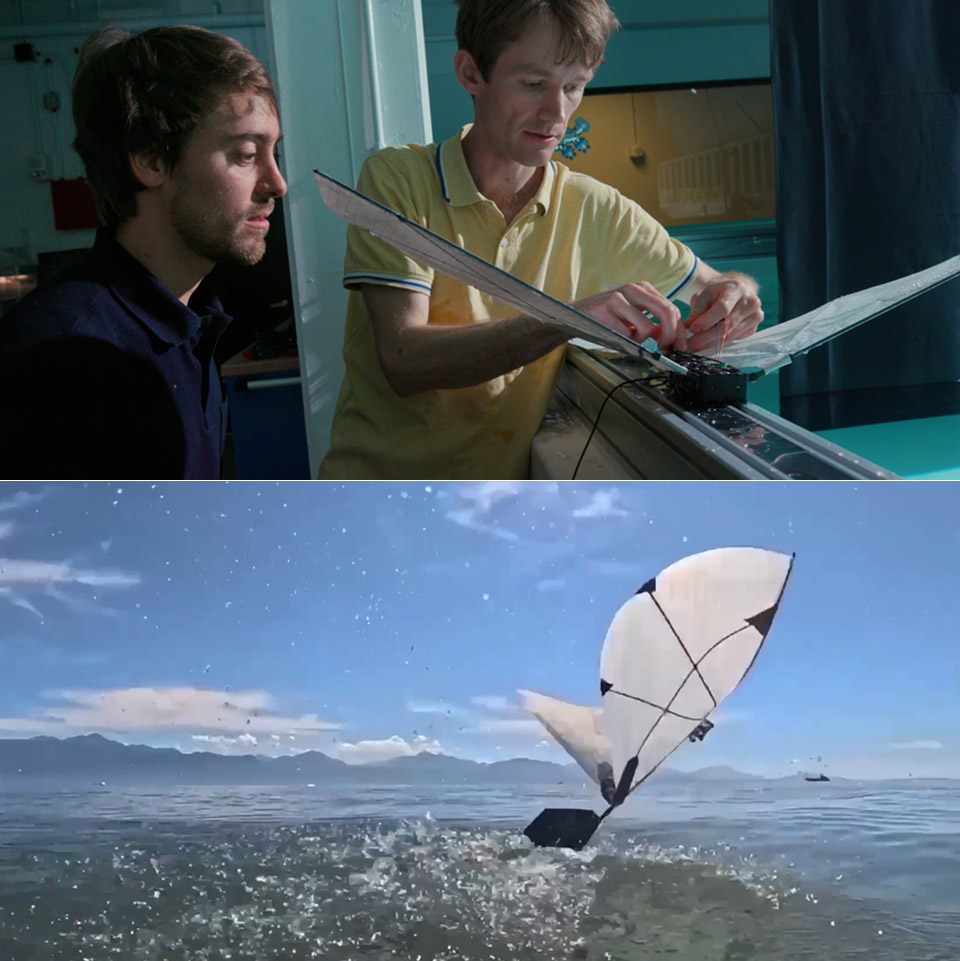
Engineers at MIT have built a compact machine that flaps its wings to travel through air and water with equal capability. The device tips the scales at 250 grams and reaches flight speeds near 6 meters per second while managing almost 1 meter per second when submerged. It also exits the water by angling its body and pushing straight into the air without any paddling or extra propulsion.

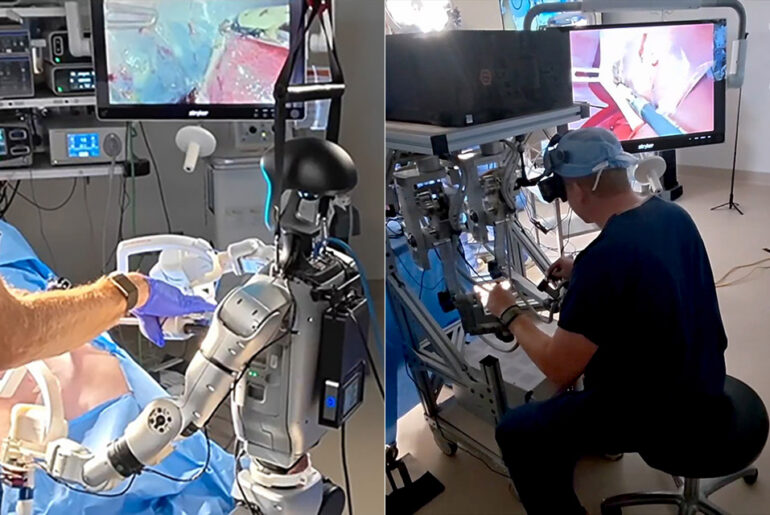
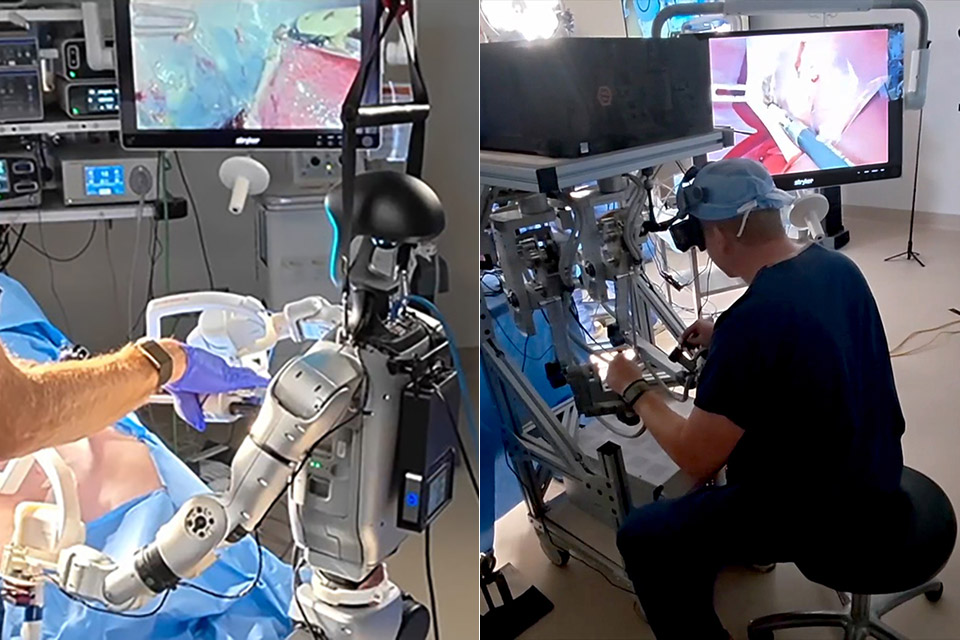
Surgeons and engineers at the University of California San Diego reached a clear milestone this month. A pair of teleoperated humanoid robots finished two separate gallbladder removal operations on large animals during a controlled preclinical trial. One case paired a single robot with a human surgeon who assisted at the table. The second case had both robots work together from start to finish with no human hands directly involved in the procedure itself.

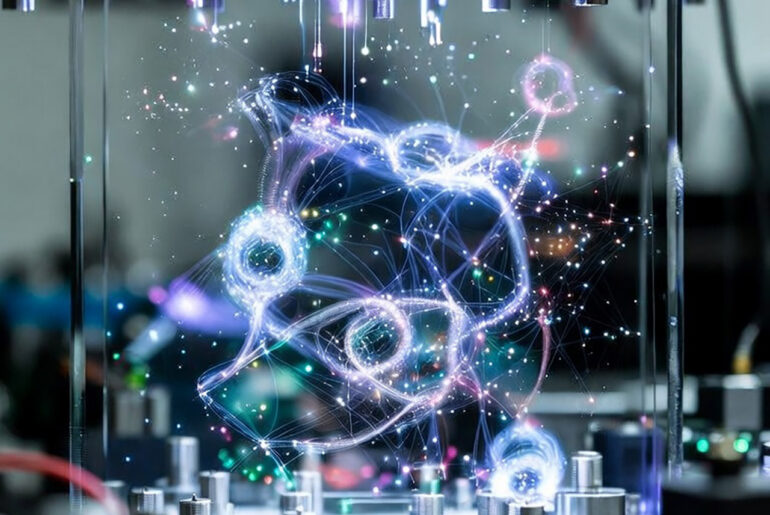
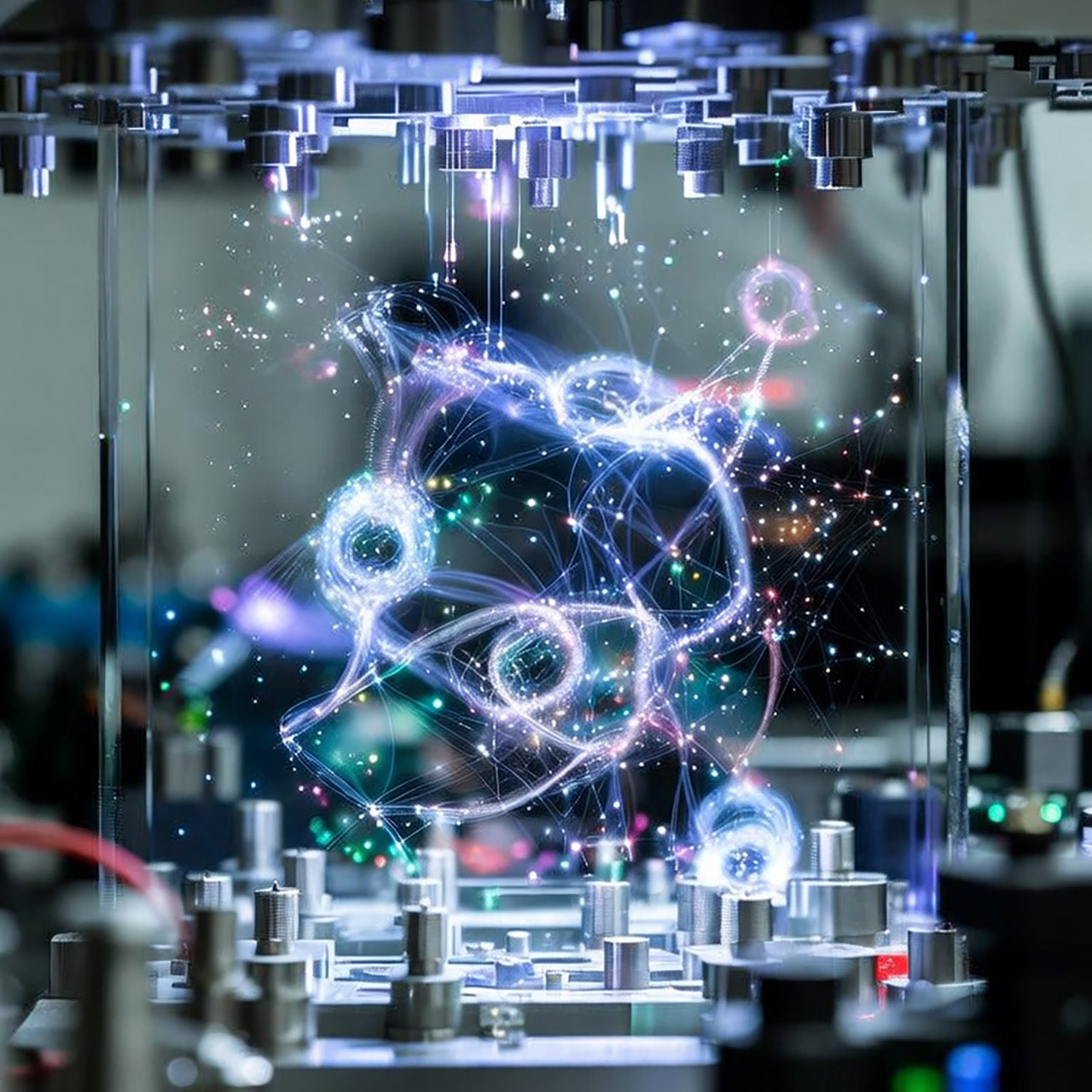
A cloud of 24,000 rubidium atoms, chilled to within a few billionths of a degree above absolute zero, has given researchers their clearest experimental window yet into how time can arise without any external clock keeping track. The work, published in Physical Review Research, shows that a usable form of time, complete with its one-way direction, emerged directly from changes inside an isolated quantum system.

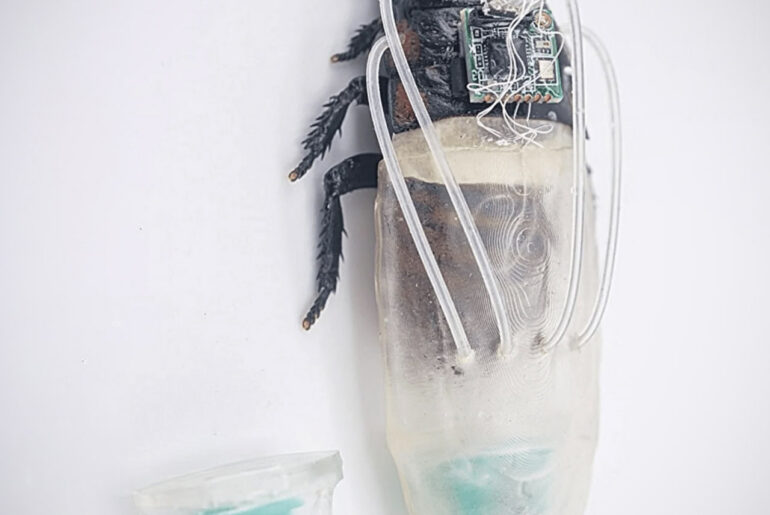
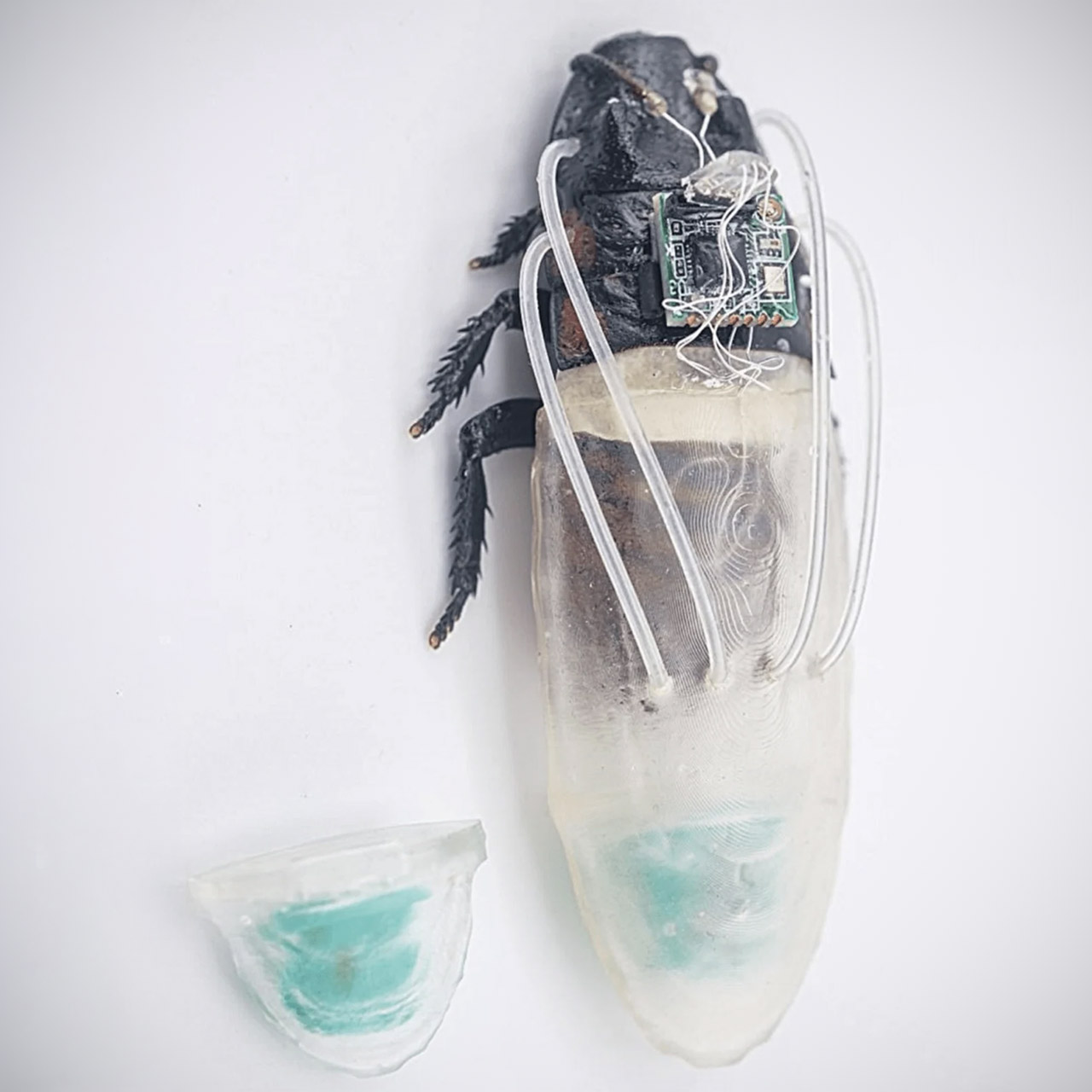
Engineers at Nanyang Technological University in Singapore, working with colleagues at Waseda University in Japan, have added a working underwater capability to remote-controlled cockroaches. The insects already carry small electronic packs that let operators steer them through rubble and tight spaces. A new 3D-printed attachment now supplies oxygen so the same insects can keep moving when those spaces fill with water.

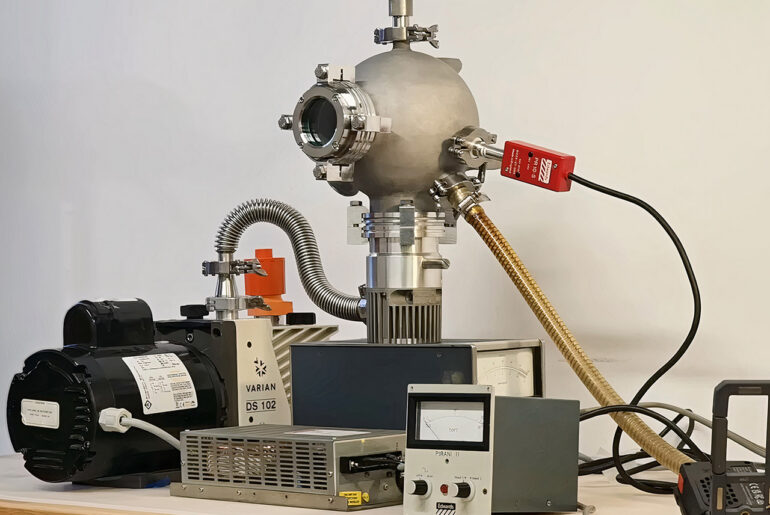
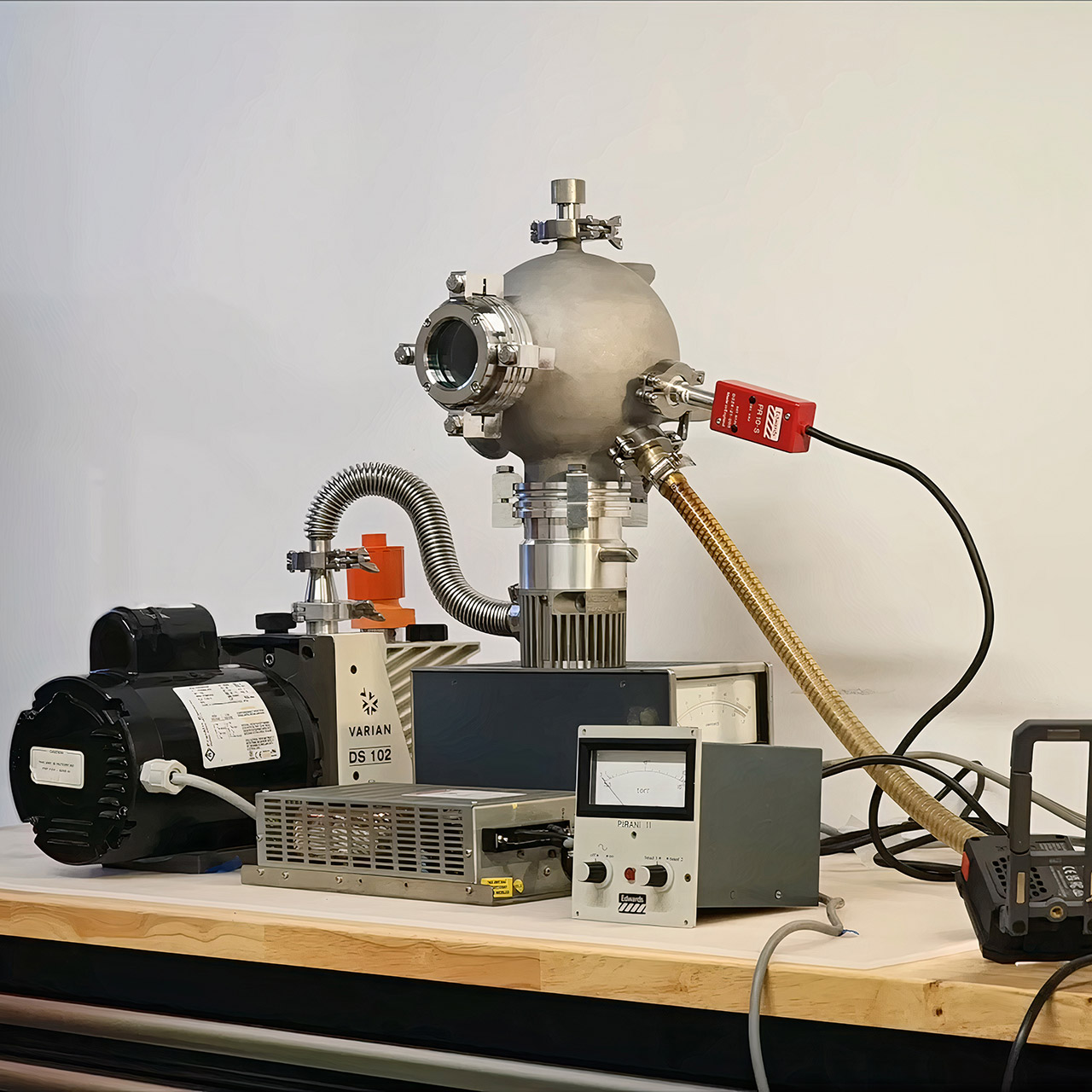
Martin never meant to spend a year and a half building anything nuclear. Another demanding task kept getting pushed aside, and the delay turned into something much larger. What began as avoidance became a complete fusor, a compact device that creates the conditions for atomic nuclei to fuse using straightforward electric fields instead of the enormous machines found in national labs.

Neuralink has taken a clear step toward simpler brain implant surgery. In May a team at University Health Network’s Toronto Western Hospital carried out the company’s first transdural procedure on a clinical trial participant. Within an hour of the operation the person began moving a computer cursor using only thoughts. Recovery followed the expected path with no surprises.

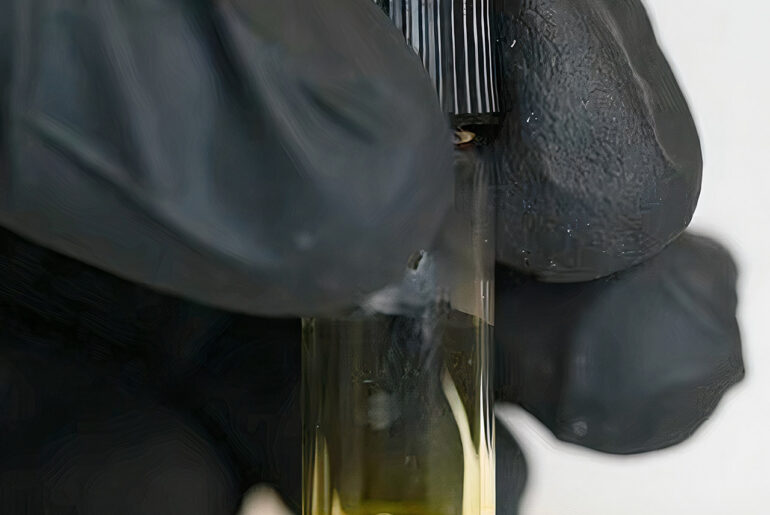
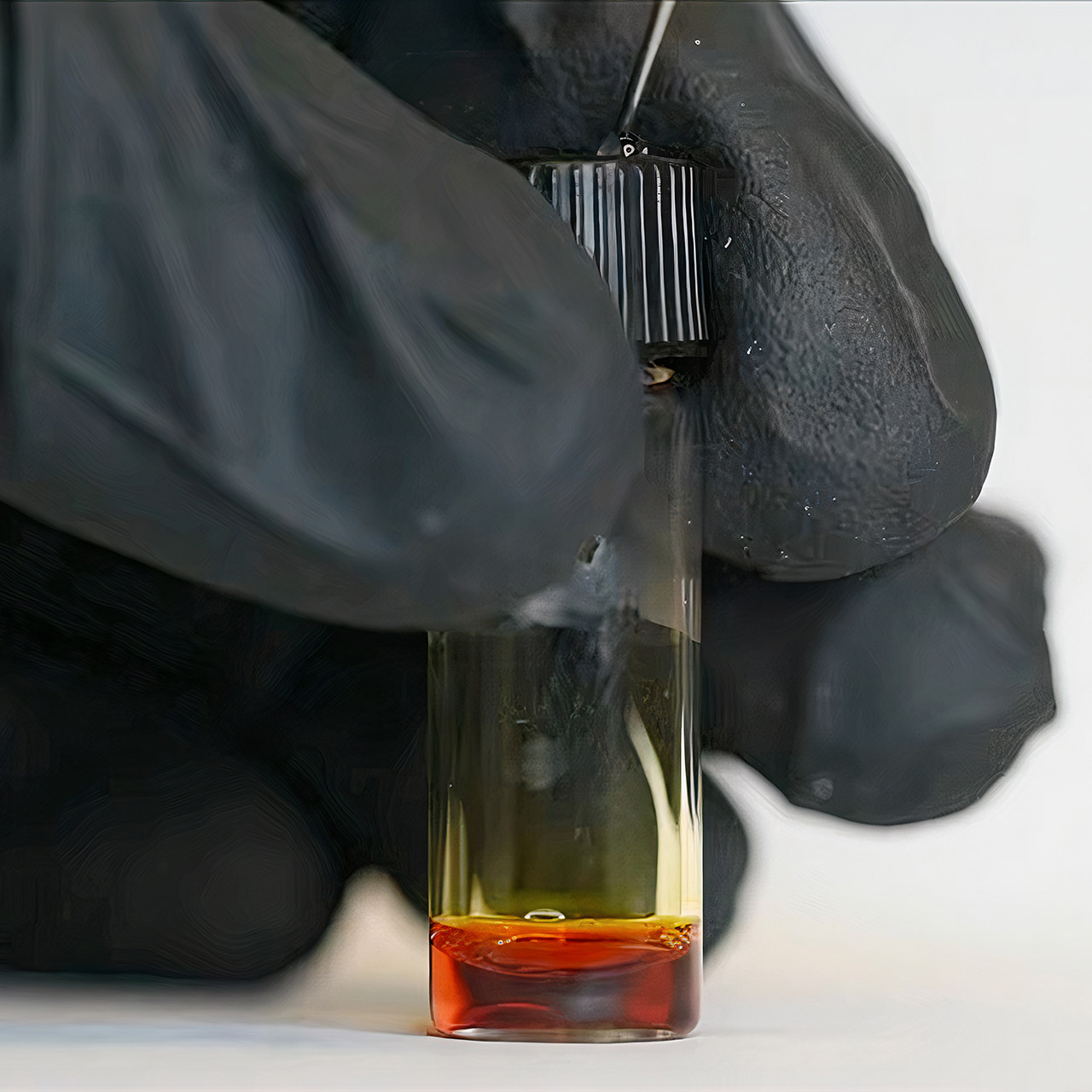
Northwestern University chemists have built a material that begins as an ordinary yellow liquid and rearranges itself into a black gel whenever it absorbs energy. The change locks electrons inside a new structure that can hold them for months when sealed away from air. Open the container later and oxygen triggers the release, powering chemical reactions even in complete darkness.