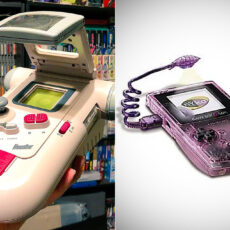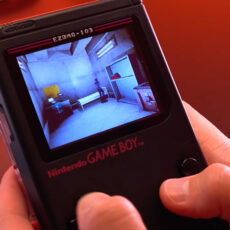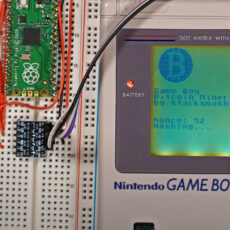
Tito from Macho Nacho Productions recently received one of the first Game Bub units and put it through its paces. The Game Boy-inspired device comes from a small team at Second Bedroom in Cambridge, Massachusetts, and anyone can now preorder an assembled version for $269 through Crowd Supply with shipping expected in early July.
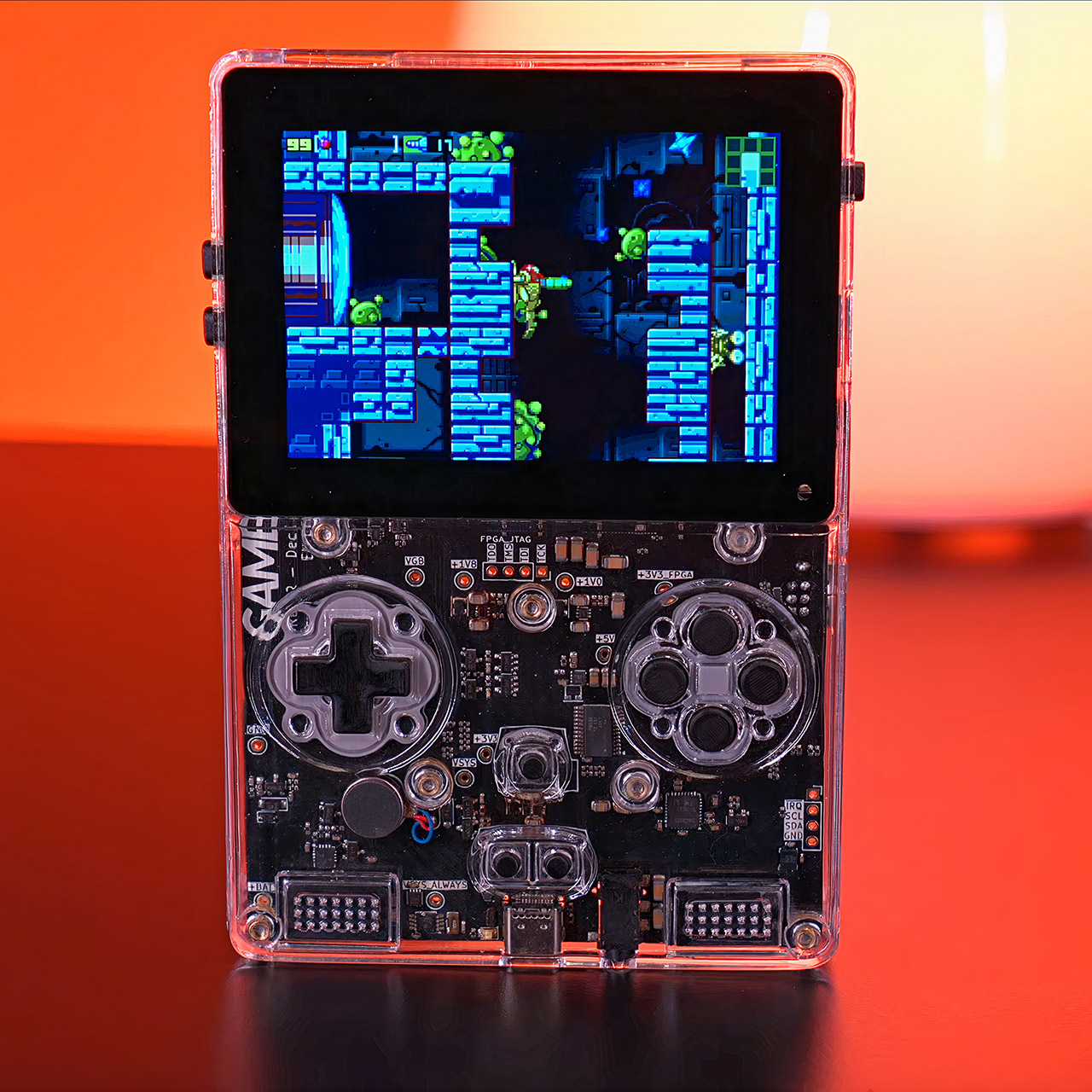
Game Bub, the first fully open source FPGA handheld devoted to Game Boy, Game Boy Color, and Game Boy Advance cartridges, allows users to quickly load an original game and begin playing. There are no menus or settings to modify before the title screen appears. The translucent plastic casing displays the circuit board inside, providing a clear glimpse of the components at work while remaining lightweight and robust at 250 grams.

- R36 Max New System
- 64GB Storage
- Portable Design
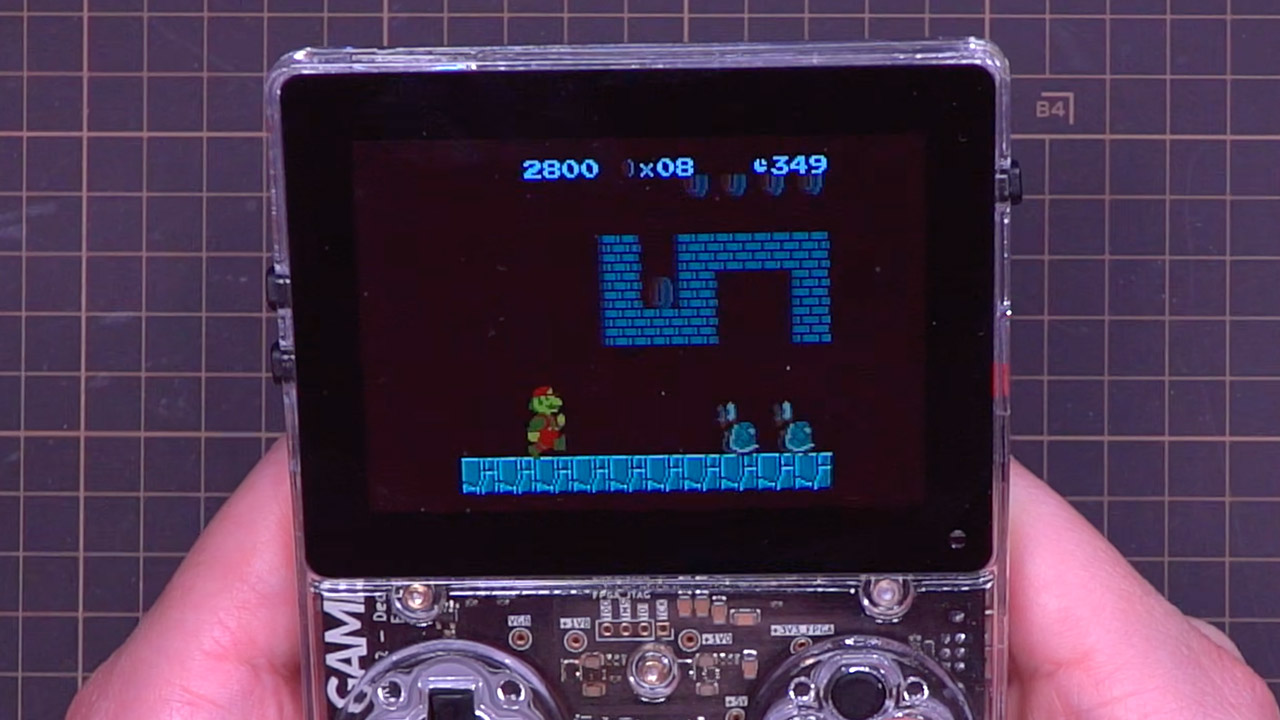
A four-inch IPS screen with a resolution of 720 by 488 pixels and full color illumination lets every pixel stand out. Stereo speakers on either side provide great sound using built-in one-watt drivers, or users can connect headphones via the standard connector on the side. All typical controls are handled by twelve buttons, with a few additional system buttons for rapid access to basic operations.
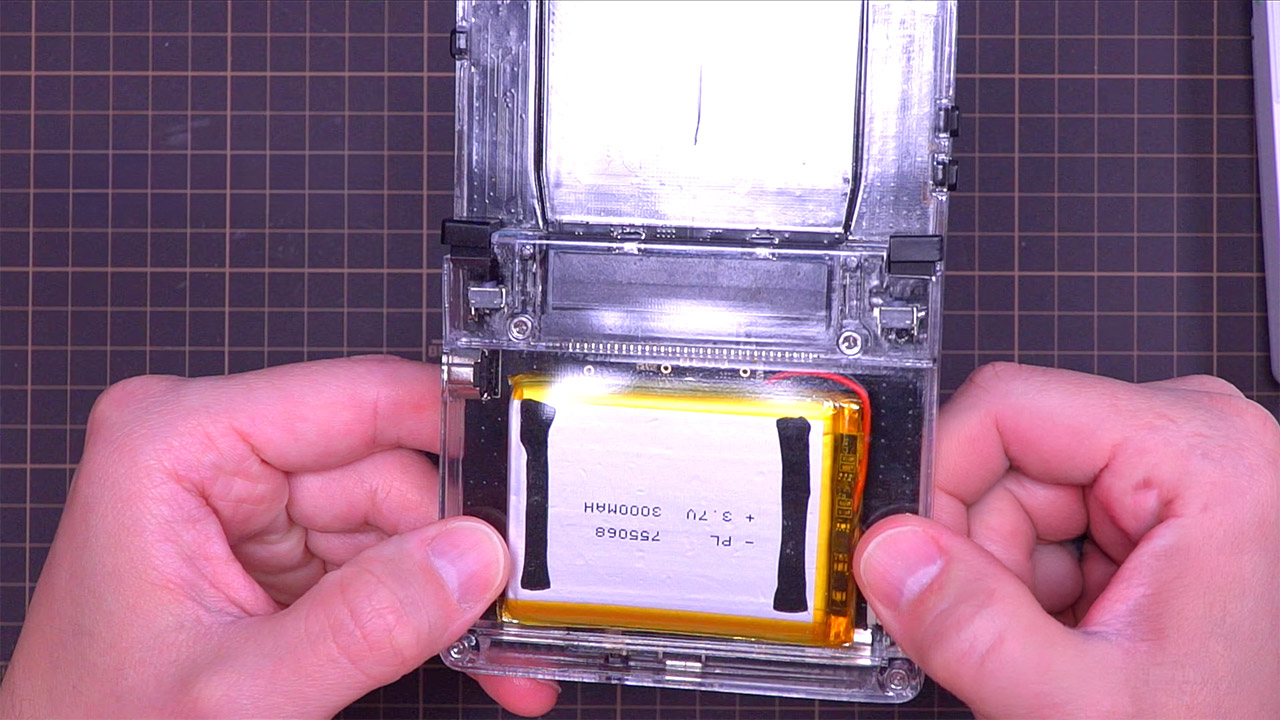
A 3,000mAh battery provides power and charges via USB C. It can last for fourteen hours or more during intense play. Inside, an AMD Artix 7 FPGA with over a hundred thousand logic cells runs proprietary cores designed exclusively for these systems, linked with an ESP32 microcontroller that maintains the user interface, loads files from the microSD card, and handles other functions such as wireless connections. 64 megabytes of SDRAM and additional SRAM keep everything operating smoothly, with no discernible lag between button presses and on-screen activity.
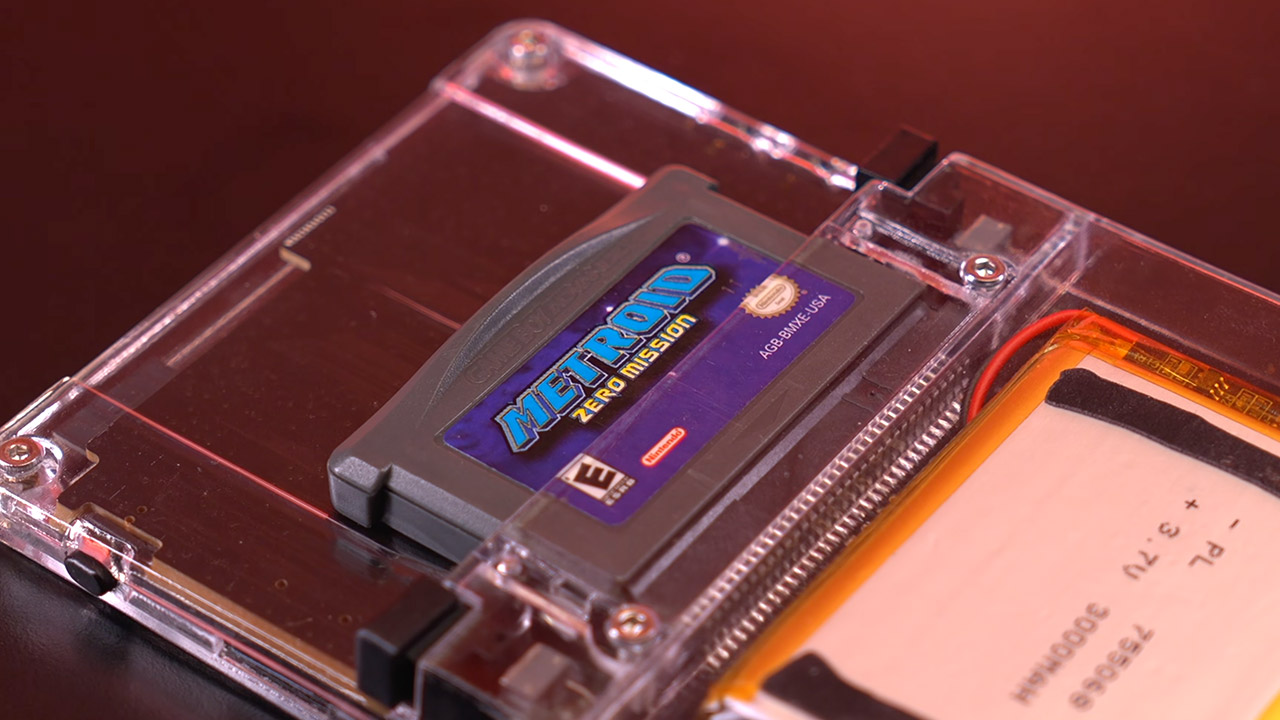
Physical cartridges slide into a slot at the top and function precisely as they did on the originals, with complete support for save features, rumble motors in compatible games, and even built-in sensors such as the accelerometer and gyroscope for titles that require tilting or motion. A separate connection port on the side connects to another Game Bub or the original hardware for multiplayer sessions using regular cords. The microSD slot loads games saved as files directly onto the FPGA, eliminating the need for a separate flash cartridge, and homebrew or modified versions operate alongside official releases.
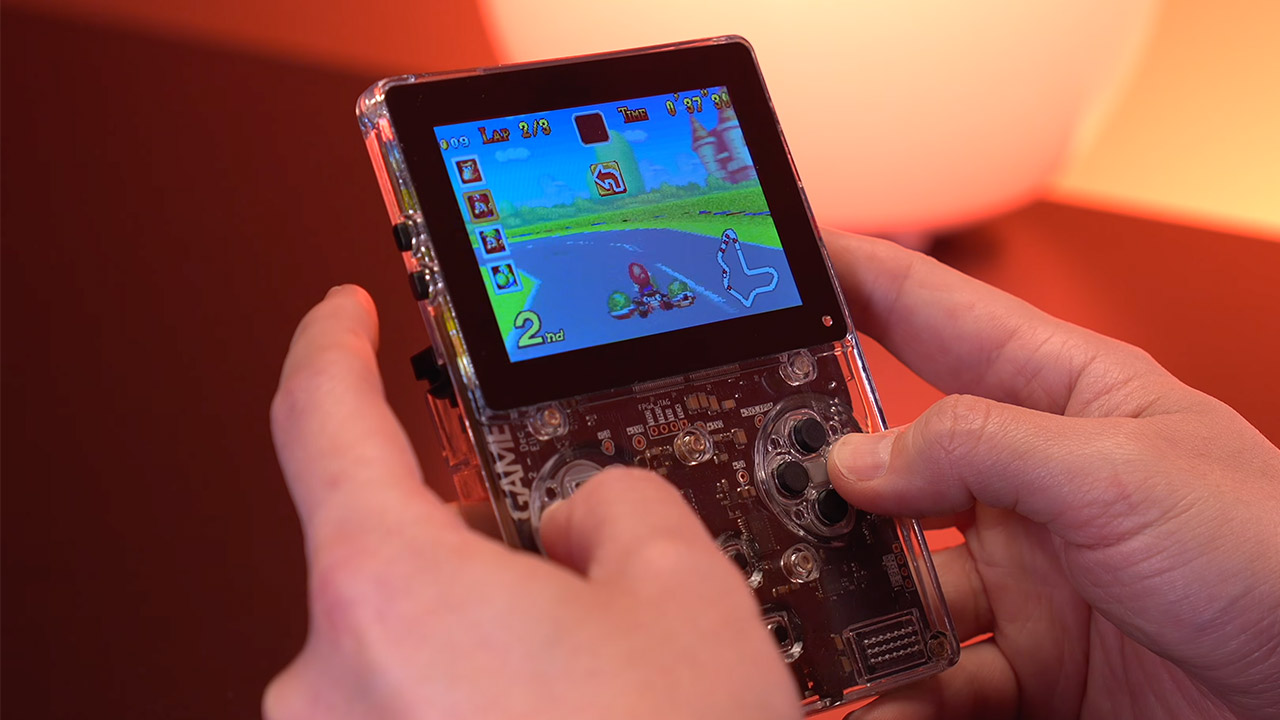
Software upgrades are delivered over the same card, and the entire system remains entirely hackable. All hardware design files, FPGA code written in the Chisel language, and firmware are hosted on a public GitHub repository with open licensing that encourage sharing of improvements. Developers receive access to a PMOD expansion header, built-in Wi-Fi, Bluetooth, and plenty of spare processing power, transforming the handheld into a portable platform for experimenting with new ideas or extra cores later.
An optional dock, available for $65 separately, adds digital video output for playback on a television or monitor and pairs with a variety of Bluetooth controllers from major brands while also charging the unit. Users can also use popular tools such as FlashGBX to back up and copy cartridge contents without leaving the device.