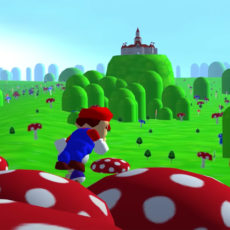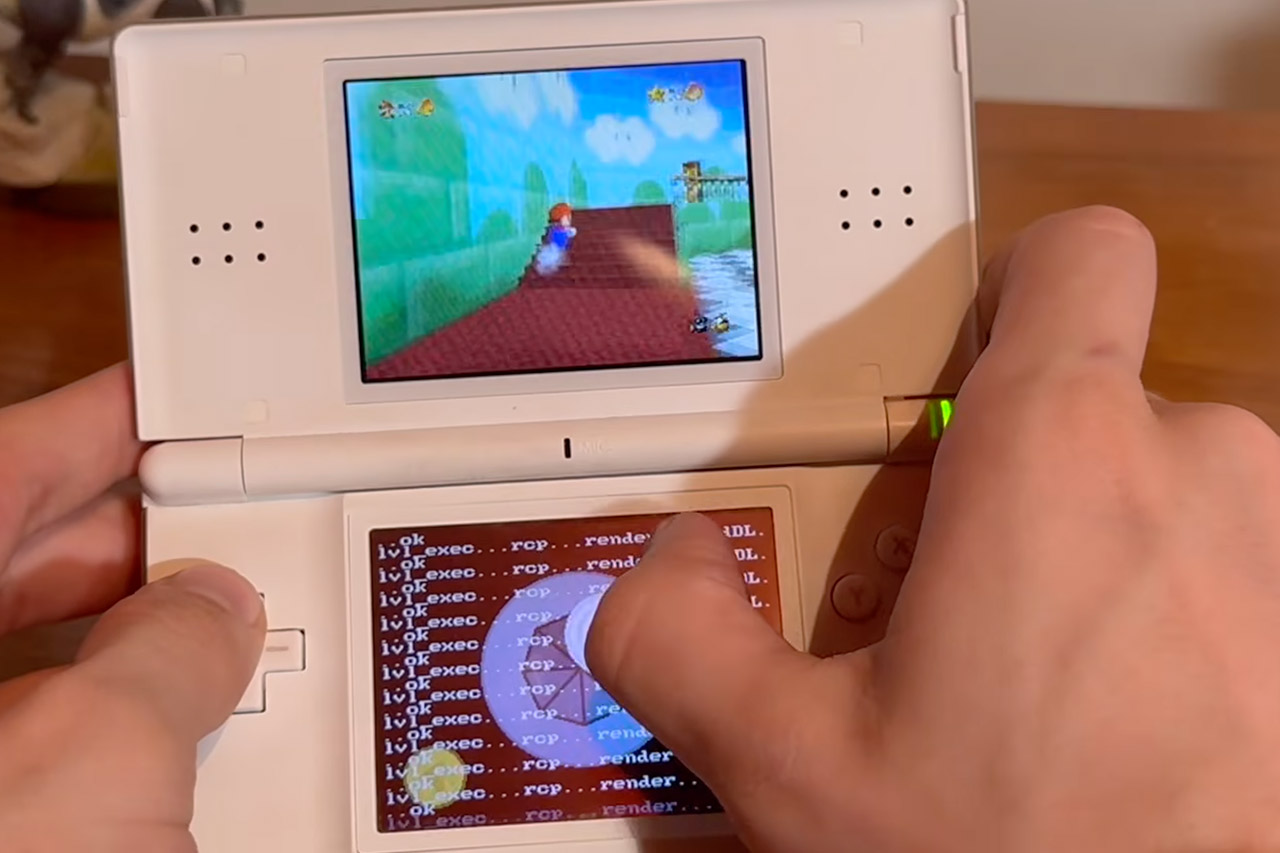
A single coder named Tobi attempted to squeeze the original N64 version of Super Mario 64 into a normal Nintendo DS. You know, the Nintendo DS that came with a copy of the game in 2004, complete with Yoshi and Luigi as playable characters.
Many fans continue to prefer that version due to the additional features and the useful dual-screen arrangement. Tobi, on the other hand, was determined to have the full N64 experience running on a basic DS, the kind that lacks the DSi’s additional RAM.

LEGO Super Mario Game Boy - Retro Building Sets for Adults, Ages 18+ - Gifts for Birthdays - Collectible...
- BUILD AN ICON – Build the ultimate retro gaming display with the LEGO Game Boy (72046) model kit for adults ages 18 and up
- RELIVE THE EXCITEMENT – Remember powering up your Game Boy for the first time? Experience the thrill again with this authentic of the handheld...
- DISCOVER AUTHENTIC DETAILS – The instantly-recognizable Game Boy features classic button layout, contrast dial, and interchangeable Game Pak and...
Original DS models only have 4MB of RAM, which is the same as the N64; DSi versions increase that to 16MB, which is what an earlier port by Hydr8gon used to load the entire game in one go. Tobi began with that code but soon ran into a stumbling block: not only did he not have enough RAM, but the fact that DS carts read data much slower than N64 carts meant he had to start again and recreate the loading system using NitroFS.
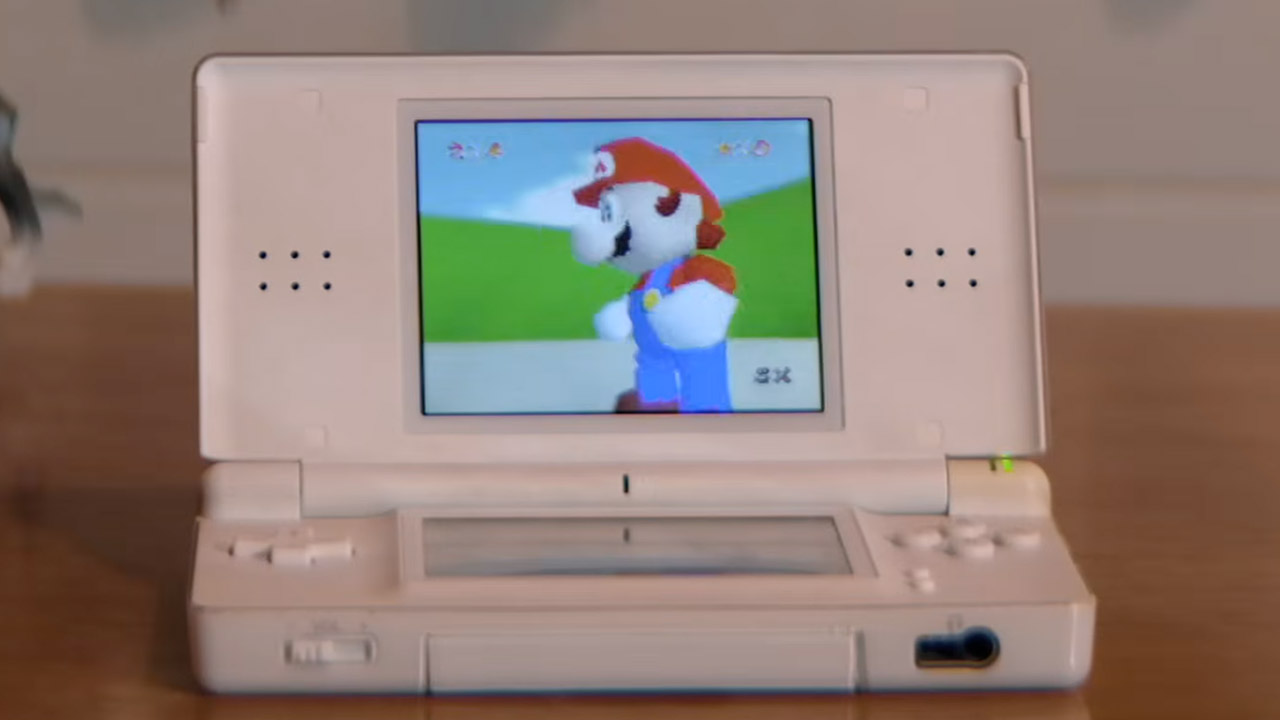
This small utility divides the game into manageable chunks, pulling only what’s needed into memory on the fly, just like the N64 did back in 1996. Tobi runs his tests via a live debug terminal on the DS’s bottom screen. The occasional crash occurs, but he quickly resolves it, followed by the next. Textures occasionally go on strike during mid-level transitions, only to return seconds later, although most regions are currently booting up properly.
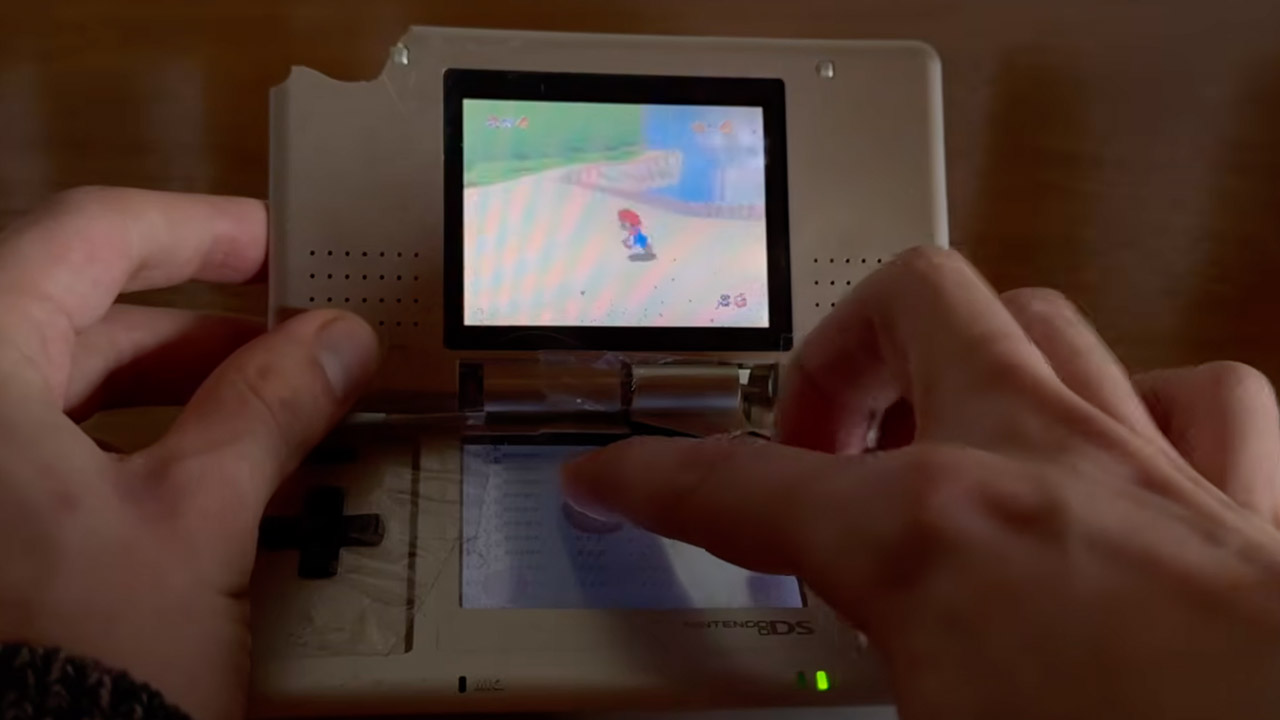
Mario still jumps, spins, and punches as he did on that grey box three decades ago, and he does so without stuttering. The controls have shifted to the DS buttons and touchscreen, replacing the original N64 stick.
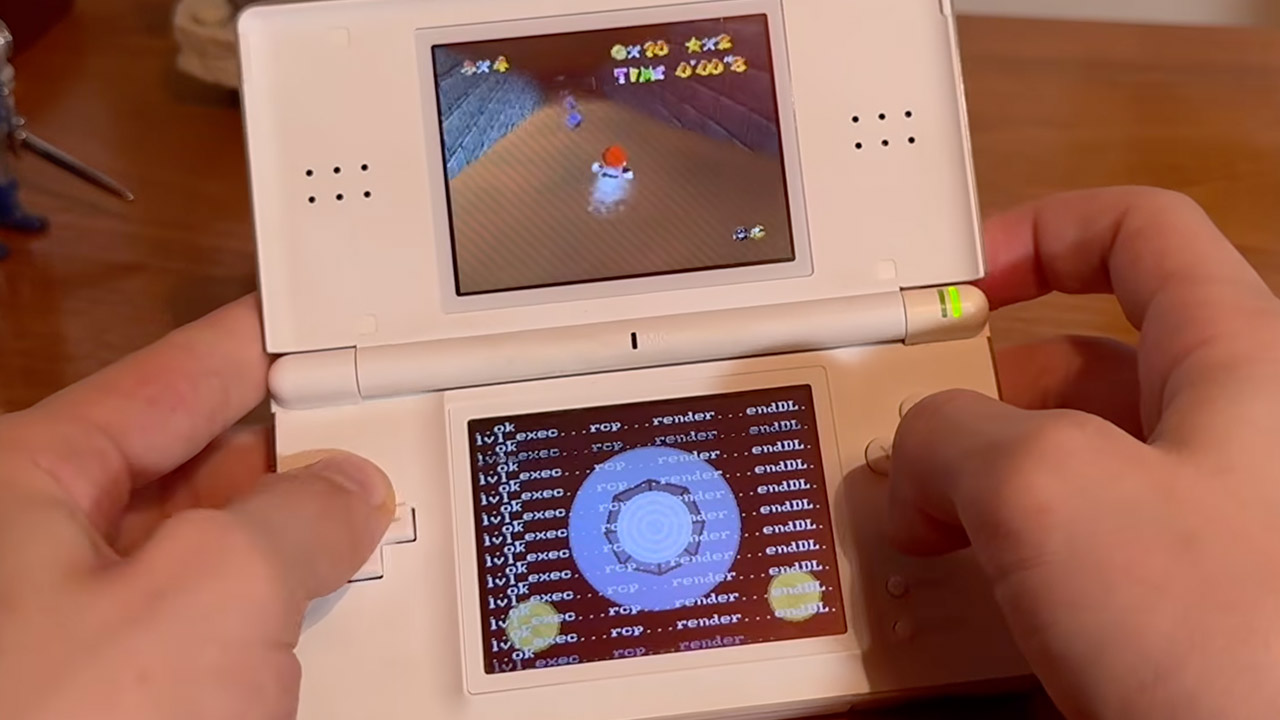
Graphics are straight out of the N64, with no fancy upscaling or filter manipulation involved. The top screen handles the 3D world perfectly, while the bottom screen continues to display the debug overlay for the time being. Tobi is considering reassigning the controls to give you more freedom to play and possibly adding a mini-map. The sound is still a major stumbling block; attempting to get it working causes the entire system to crash due to memory strain. He’s working on it, and once he has a solid build, he promises to publish it on GitHub. When it comes to running this on real hardware, simply use a flash cart and it will work on an original DS or DS Lite.
[Source]