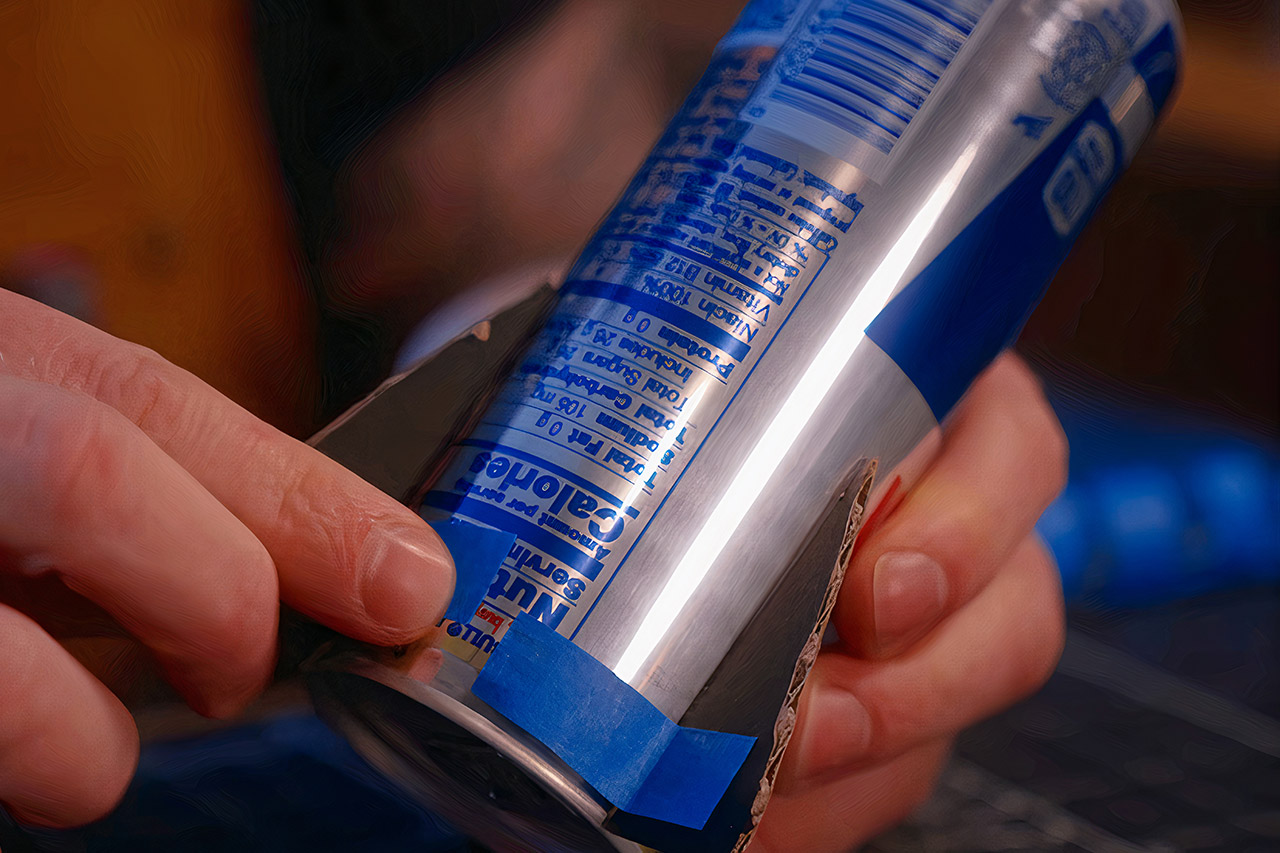
Back in 1991, Toyota offered something in select LiteAce minivans that still catches people off guard decades later. Between the front seats sat a console box that could chill drinks and freeze real ice cubes while the vehicle moved down the road. Most minivans from that era focused on basic space and reliability. This one added a practical touch few competitors matched.

Most people have sat in a go-kart at some point. The seat sits low, the steering feels direct, and the whole thing skitters around with a kind of playful urgency. Very few have ever climbed into one that still carries the shape and branding of a soda machine. A maker known as Mixed Bag set out to close that gap. He bought a used Pepsi vending machine for a hundred dollars on Facebook Marketplace, then spent four months turning it into something that could actually drive.

Japan approached the October 22, 2009 launch of Windows 7 with typical enthusiasm for new technology and a flair for memorable promotions. In select stores, buyers encountered something far more unusual than posters or demo kiosks. A standard roll of toilet paper carried the Windows 7 name and a full rundown of its improvements directly on the sheets.

Japan’s kei car regulations in the early 1990s capped length, width, engine size, and power in ways that pushed engineers toward inventive solutions. Mazda’s short-lived Autozam brand answered with a mid-engined two seater that looked ready to join far larger and more expensive exotics on any road. A 1992 AZ-1 example with roughly 33,400 miles recently changed hands at auction for $23,500. That figure drew attention because the car produces only 63 horsepower. Once the gullwing doors rise, though, the entire package starts to make sense to anyone who values presence over outright speed.

Andy George of the How To Make Everything channel spotted the famous bicycle drawing tucked into Leonardo da Vinci’s Codex Atlanticus and wondered what would happen if someone actually tried to ride one built from ideas scattered across those pages. The drawing itself turns out to be a later addition, not something da Vinci put there, yet the notebooks contain plenty of other mechanical details that could feed into a two-wheeled machine. George set out to combine them and see whether the result could move under its own power centuries before Karl Drais unveiled his push-powered hobby horse in 1817.

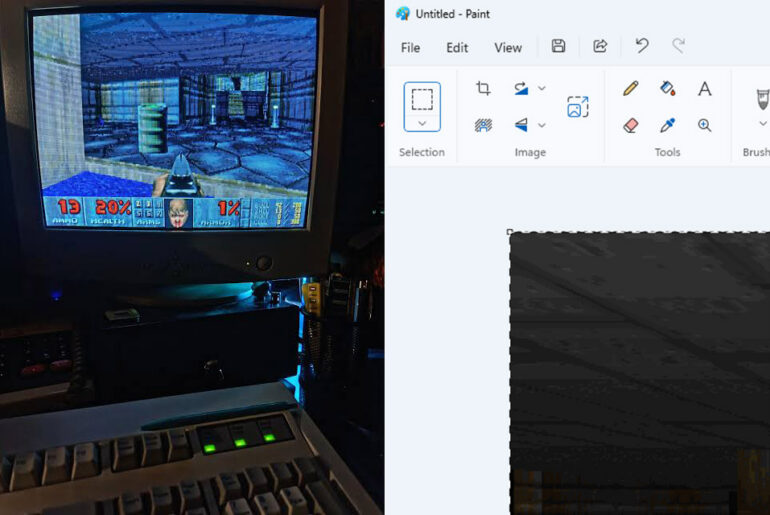
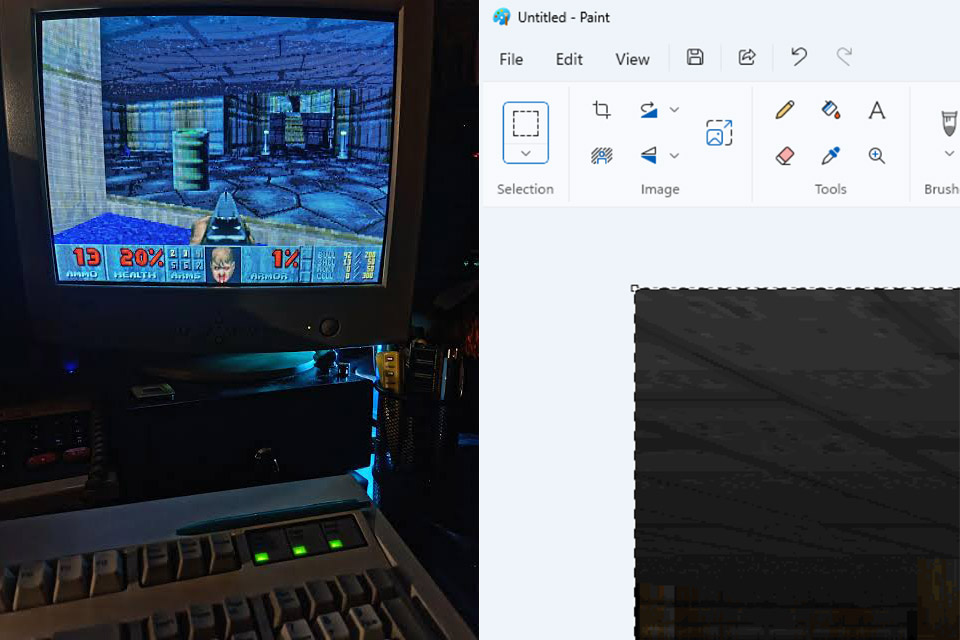
People buy video walkie-talkies to facilitate short-distance communication among children and / or family members. Aaron Christophel recognized an opportunity to bring DOOM onto one of these low-cost gadgets. These devices have small color screens, built-in cameras, microphones, speakers, and rechargeable batteries. Models retail online for between fifteen and twenty euros and rely on the TXW818 system on a chip to function. This chip has processing capacity comparable to some wireless modules and supports external memory, as well as four megabytes of PSRAM.

Compaq once stood as a giant in personal computers. Decades later, the brand lives on through licensing agreements with other companies. One result is the Qtab Pro, an 11-inch Android tablet now available on store shelves. The story behind it mixes history with everyday hardware in ways that keep drawing attention.

Entry to the ‘Las Vegas Bunker House’, also known as the ‘Las Vegas Underground House’, starts in an ordinary garage attached to a two-story house that looks like any other on a quiet street near the Strip. From there stairs take you straight down through solid ground into a completely different realm. Built back in 1978, this place cost ten million dollars to create and has stayed almost untouched since then, its main living areas sealed off from sunlight and weather.

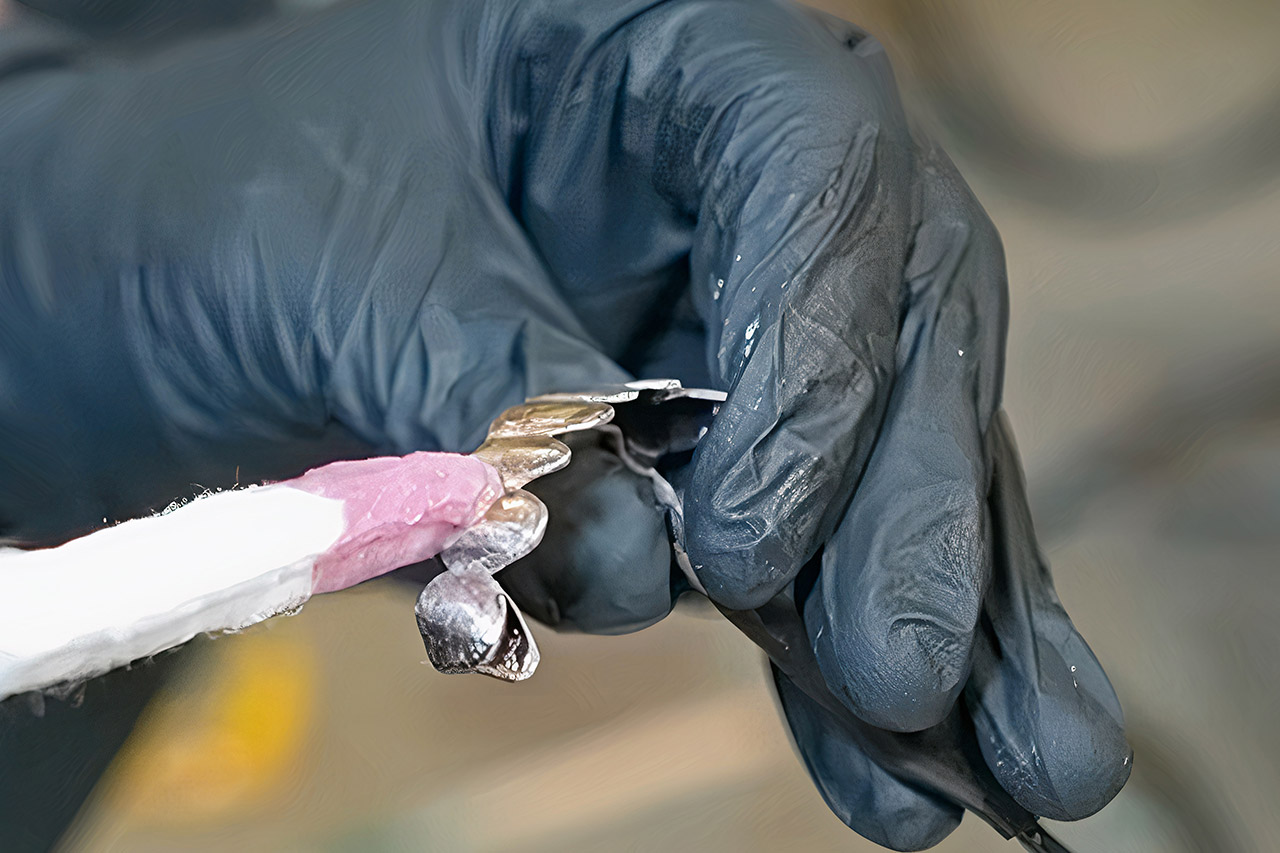
Modern tests have brought new life to a weapon long forgotten from one of history’s famous ships. Crews aboard the Mary Rose carried dozens of giant fire darts among their armaments back in 1545. No one knew exactly how these massive incendiary projectiles worked until a team decided to recreate them and run real world trials. The results show why sailors once dreaded weapons like these on wooden ships packed with gunpowder and canvas.

Smill sat down with a fresh idea and a kit that arrived in the mail. The British YouTuber had already beaten Minecraft on a receipt printer and on a vape, but this time he wanted something older and stranger. He picked a replica of John Logie Baird’s 1925 televisor, the kind of device that came before every modern screen. What followed turned into four attempts spread across hours of careful play, each one revealing just how far the limits could stretch before they snapped back.