

Berkeley Humanoid Lite is an open-source, budget-friendly humanoid robot created by UC Berkeley researchers to make robotics research easier for everyone. It’s a customizable, 3D-printed robot designed for researchers, teachers, and hobbyists. Unlike expensive, closed-source commercial robots (often over $100,000), it costs less than $5,000 by using common parts and desktop 3D printers.
The robot’s motors and body use 3D-printed cycloidal gearboxes, keeping costs low while staying sturdy. You can buy all parts from online stores, and the design works with a 3D printer that has at least a 200 x 200 x 200 mm build space. It’s 80 cm tall, weighs 16 kg, and has 22 cycloidal gear actuators for movement. The frame uses some aluminum for extra strength.

- Resume Printing Function: no worry to the immediate power outage or electric circuit error, Ender 3 has the ability to resume printing even after a...
- Creality Ender 3 3d printer, it is the most basic 3d printer model, more students and beginners can learn the 3d printer by this model, it can help to...
- Advanced Extruder Technology: Ender 3 upgraded extruder greatly reduces plugging risk and bad extrustion; V-shape with POM wheels make it move...
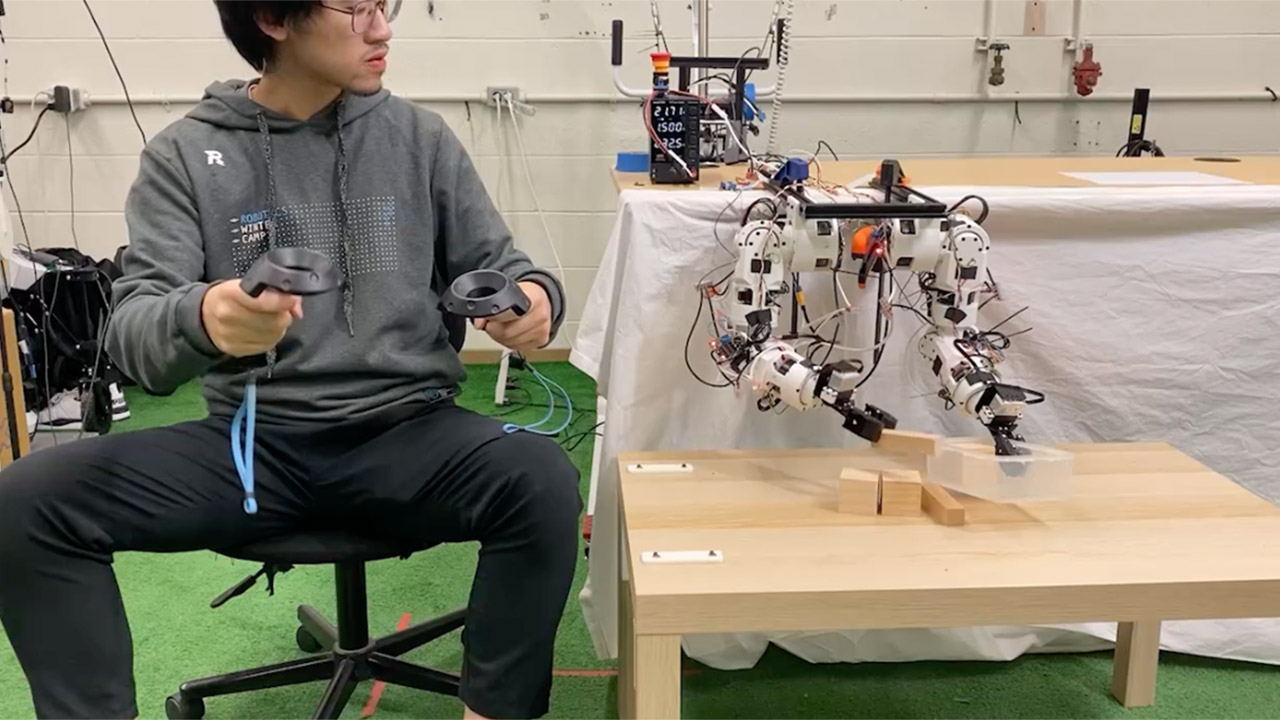
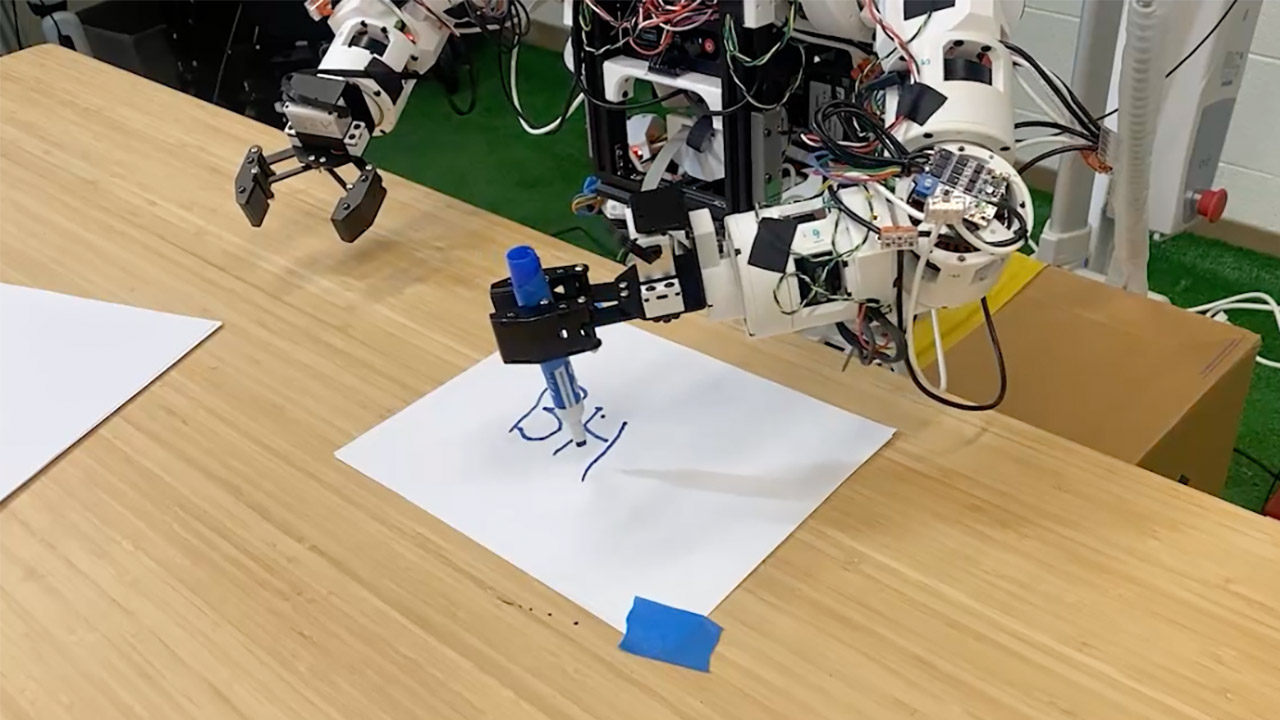
Even though it’s 3D-printed, Berkeley Humanoid Lite can walk, hop, and be controlled remotely for tasks. It uses reinforcement learning for things like moving skills from simulations to real life, performing well in research settings. All hardware designs, CAD files, programming code, and training resources are freely available. The GitHub page has stuff like training policies, motion capture, and basic control code.
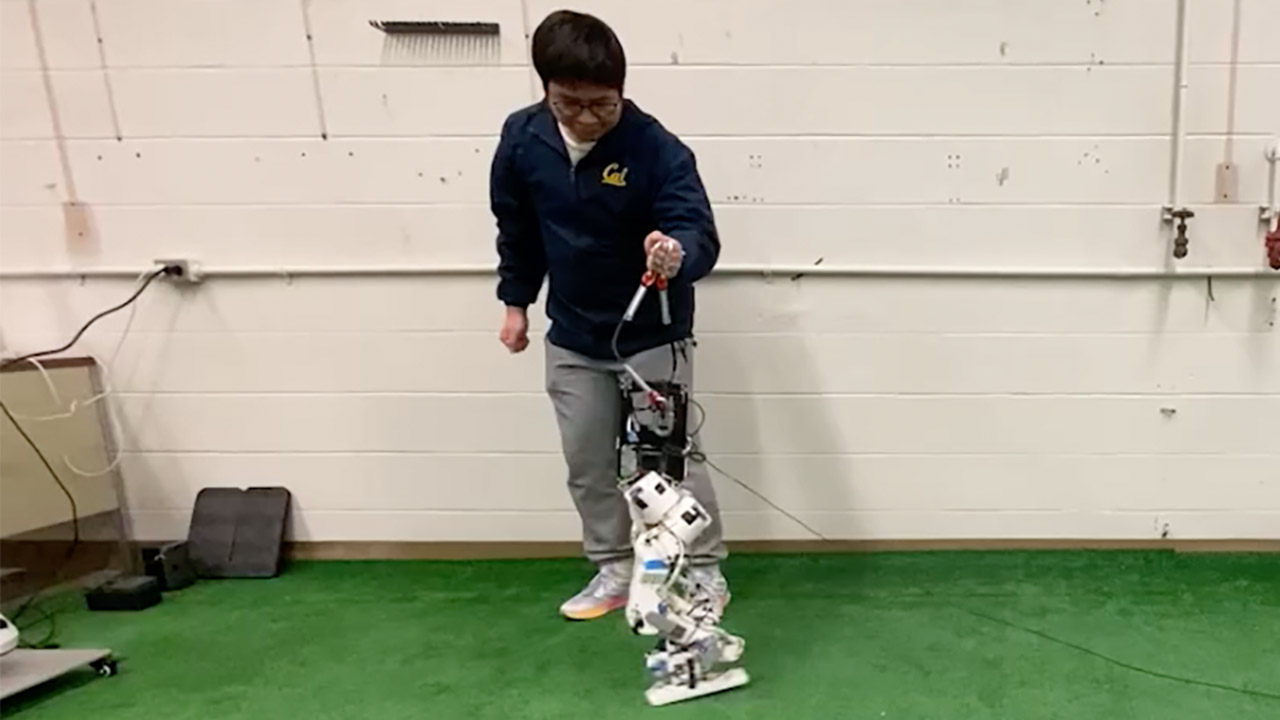
There were hurdles, like using cycloidal gears to handle the lower strength of 3D-printed parts compared to metal, but they were carefully tested to ensure they last. It doesn’t have the fancy sensors of high-end robots, and 3D-printed parts might not hold up under heavy use. For now, it’s great for testing things like reinforcement learning for movement but isn’t made for direct factory work.
By cutting costs and making robotics more open, it challenges the pricey robotics market, possibly pushing companies like Boston Dynamics to rethink their prices. It’s viewed as a step toward a “robotics revolution” for smaller labs and independent creators.
[Source]