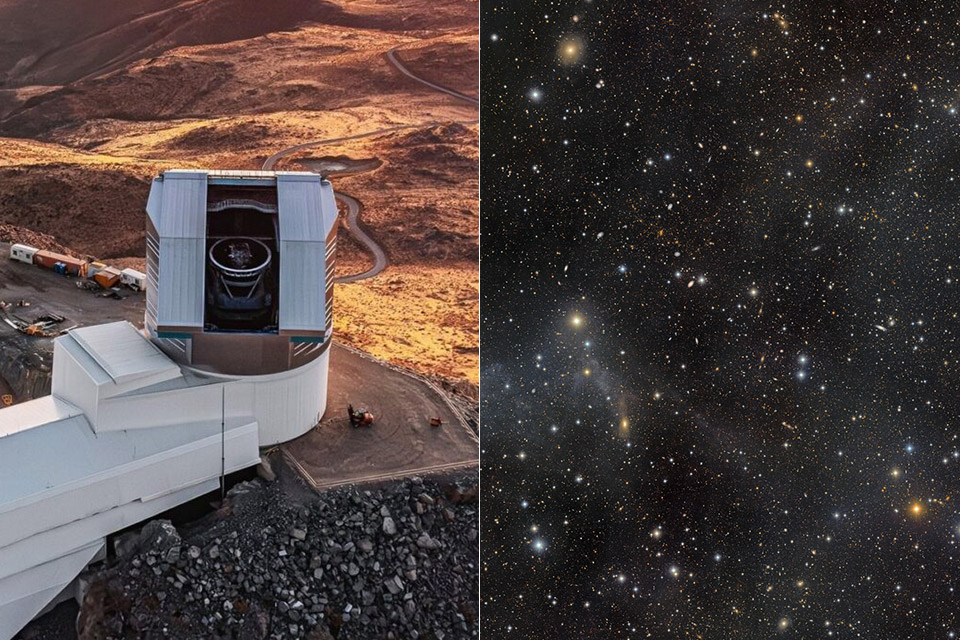
Rubin Observatory just released its first major science image from the LSST Camera, and the frame is dense with distant light. Astronomers stacked hundreds of separate exposures of the COSMOS field and ended up with more than half a million galaxies plus more than 50,000 stars in a single deep view.
COSMOS is located in the constellation Sextans, a patch of sky chosen years ago because it looks almost straight out of the plane of the Milky Way. This orientation keeps us relatively free of nearby stars and dust, allowing us to see galaxies whose light has been traveling light-years for billions of years, and it is this light that we wish to investigate. Hubble ended up looking at the same point of sky in 2003. However, since then, a cascade of telescopes across the electromagnetic spectrum have examined COSMOS, establishing it as the standard reference field in space. Rubin’s new composite provides more reach, depth, and the possibility of multiple trips over the next ten years.

- Superior Optics: 400mm(f/5.7) focal length and 70mm aperture, fully coated optics glass lens with high transmission coatings creates stunning images...
- Magnification: Come with two replaceable eyepieces and one 3x Barlow lens.3x Barlow lens trebles the magnifying power of each eyepiece. 5x24 finder...
- Wireless Remote: This refractor telescope includes one smart phone adapter and one Wireless camera remote to explore the nature of the world easily...
The 3.2-gigapixel LSST camera, which is the largest digital camera ever built for astronomy, captured the light we’re gazing at. It sits atop the 8.4-meter Simonyi Survey Telescope and consists of 189 individual sensors arranged on a focal plane the size of a small vehicle. It can capture a large area of sky in one image, and by layering hundreds of separate shots taken between April 2025 and January 2026, what appeared invisible at first began to emerge.
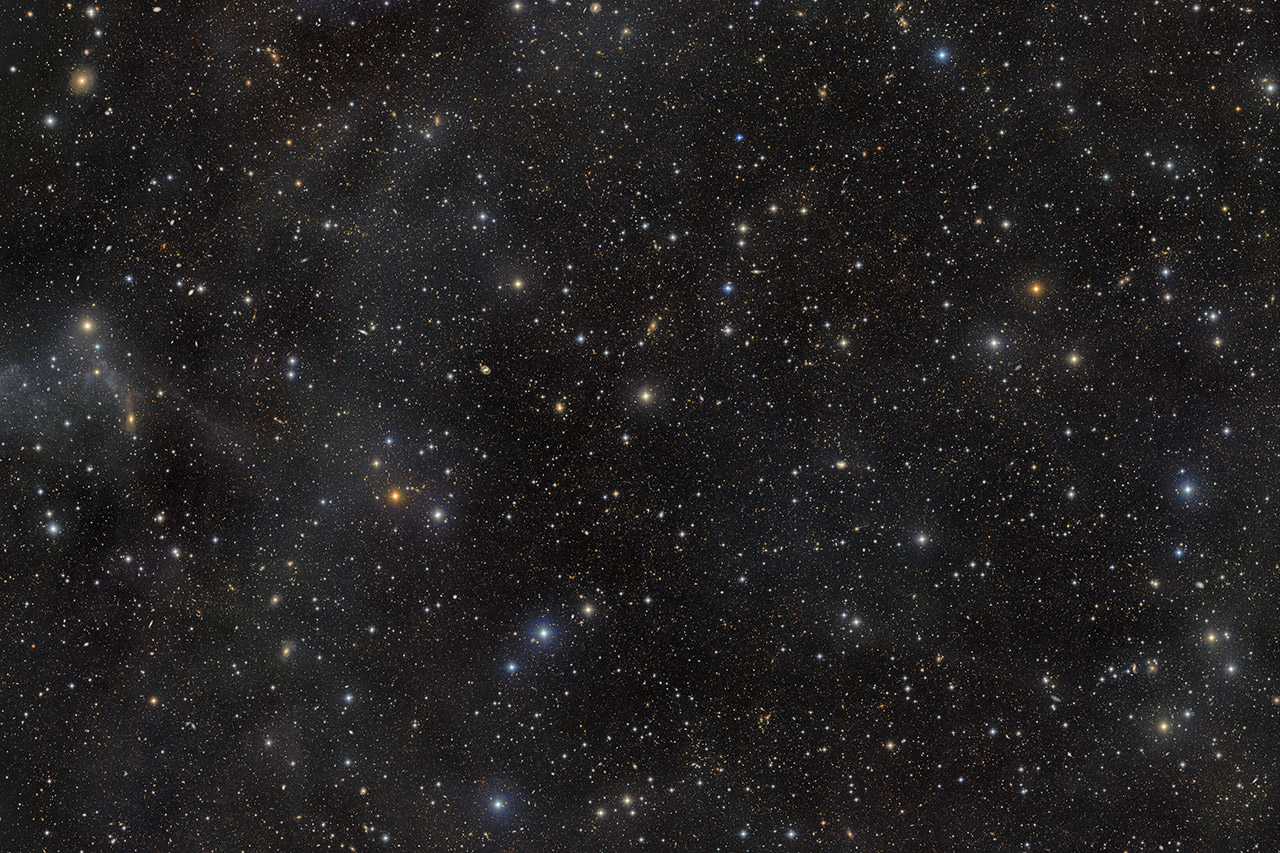
The final image shows spiral galaxies with thin, winding arms, with all the delicate detail visible, smooth ellipticals, pairs of galaxies caught in the middle of a collision, and a smattering of very red galaxies that are so far away that the light we’re seeing has been on its way since the universe was young. There are a few bright foreground stars from our galaxy visible here and there, as well as soft wisps of interstellar dust known as galactic cirrus.
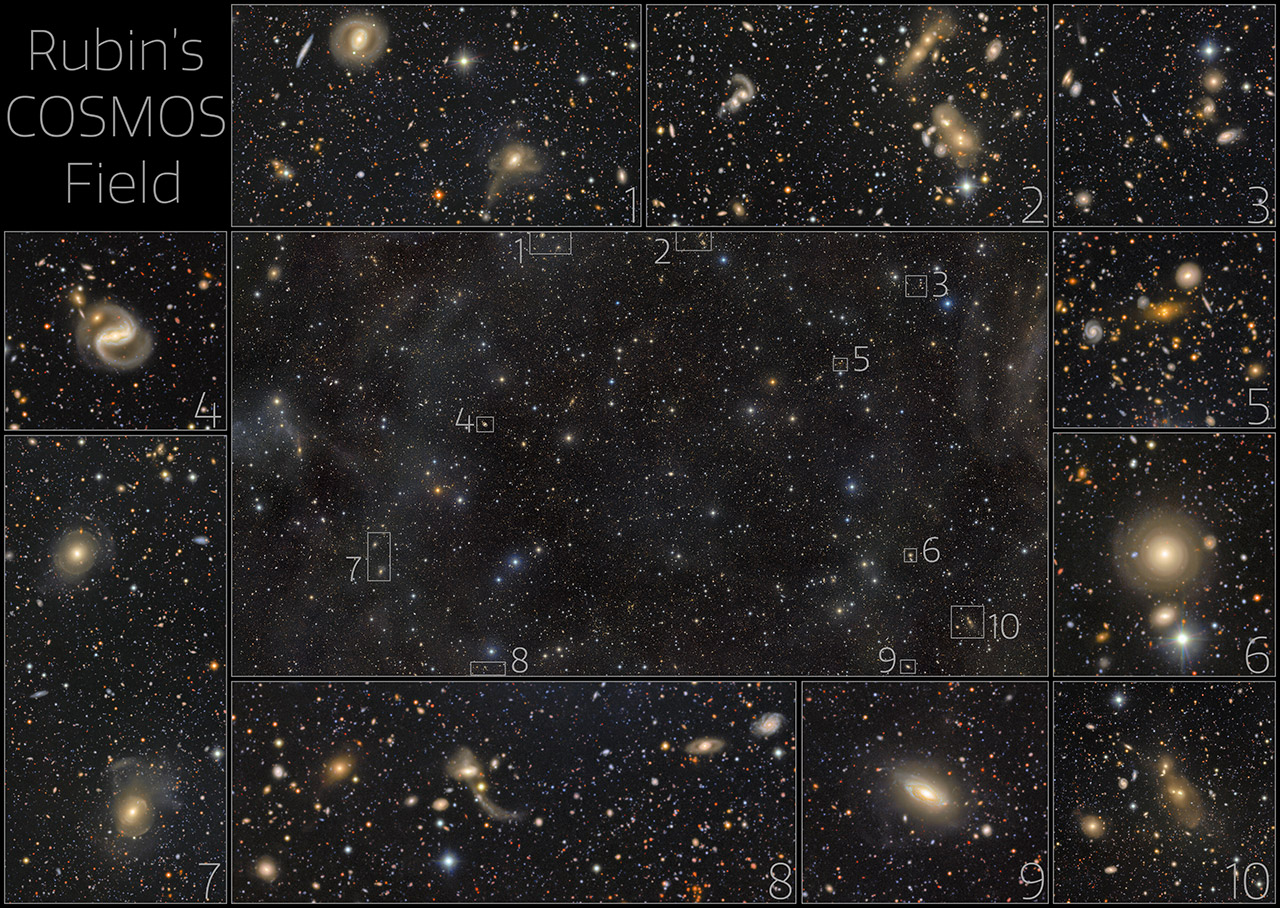
This is the second release, with the first catalogue and image based on LSST Camera observations. The whole set covers approximately 3,000 square degrees, or nearly one-sixth of what we can see in the southern sky from the Chilean mountain site where it is located. COSMOS is one of the sites Rubin will return to more than usual. They should be able to gain even more depth by making additional visits, exposing fainter galaxies and better detail, as well as perhaps catching things like supernovae as they happen, which are all temporary.
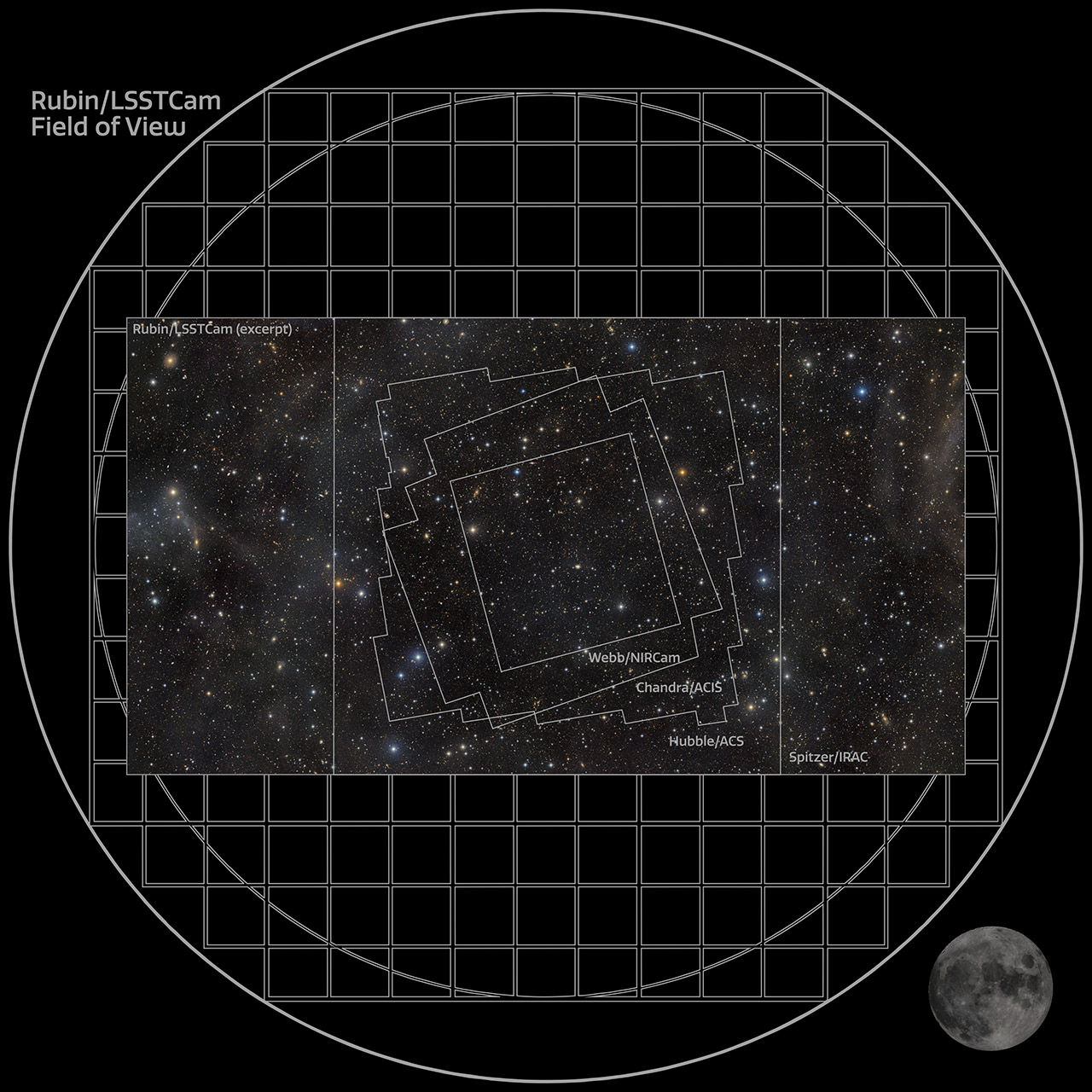
Bob Blum, director of Rubin Observatory at NSF NOIRLab, noted that the deep image is only the start for this field. Repeated observations over the next several years are expected to deliver large numbers of transient and variable objects for the community to study. Phil Marshall, deputy director at SLAC, emphasized that the long history of prior data on COSMOS makes the field an especially useful testing ground as scientists prepare to work with the full survey stream.