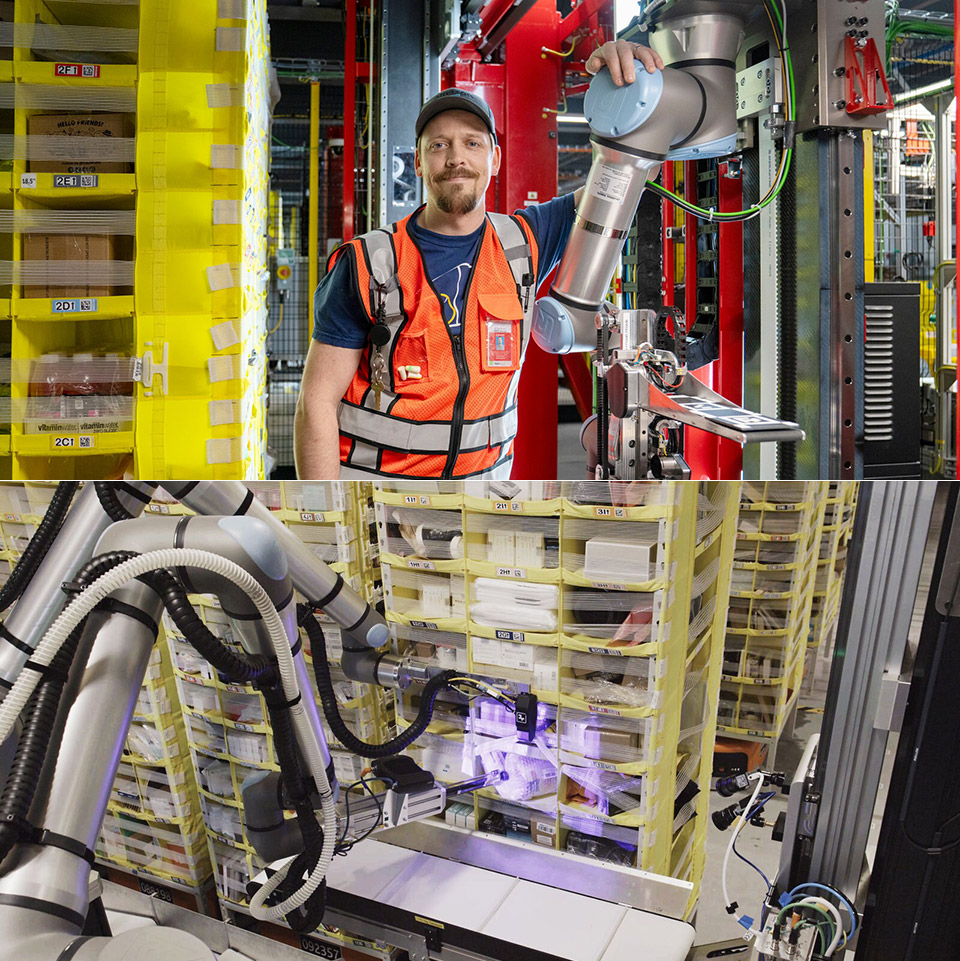
Photo credit: Amazon
Amazon’s Vulcan is the company’s first robot with a sense of touch, thanks to force feedback sensors and AI-powered sensors on its arm and gripping tool that detect pressure and twist. This lets it “feel” objects, using just the right amount of strength to pick up or move items without breaking them.
It can manage about 75% of the millions of products in Amazon’s warehouses, from tiny gadgets to bulkier items, at speeds similar to human workers. Vulcan is built to place items on shelving units (called pods), cutting down on the need for people to climb ladders or bend repeatedly.

- ELEGOO Smart Robot Car: An educational STEM kit beginners (kids) to get hands-on experience about programming, electronics assembling and robotics...
- Complete Package: Contains 24 kinds of module parts including obstacle avoidance, line tracing module, infrared remote control and also you can...
- Easy to Assemble: All the module interface has been modified with XH2. 54 ports as to make it much easier and convenient to assemble the car and...
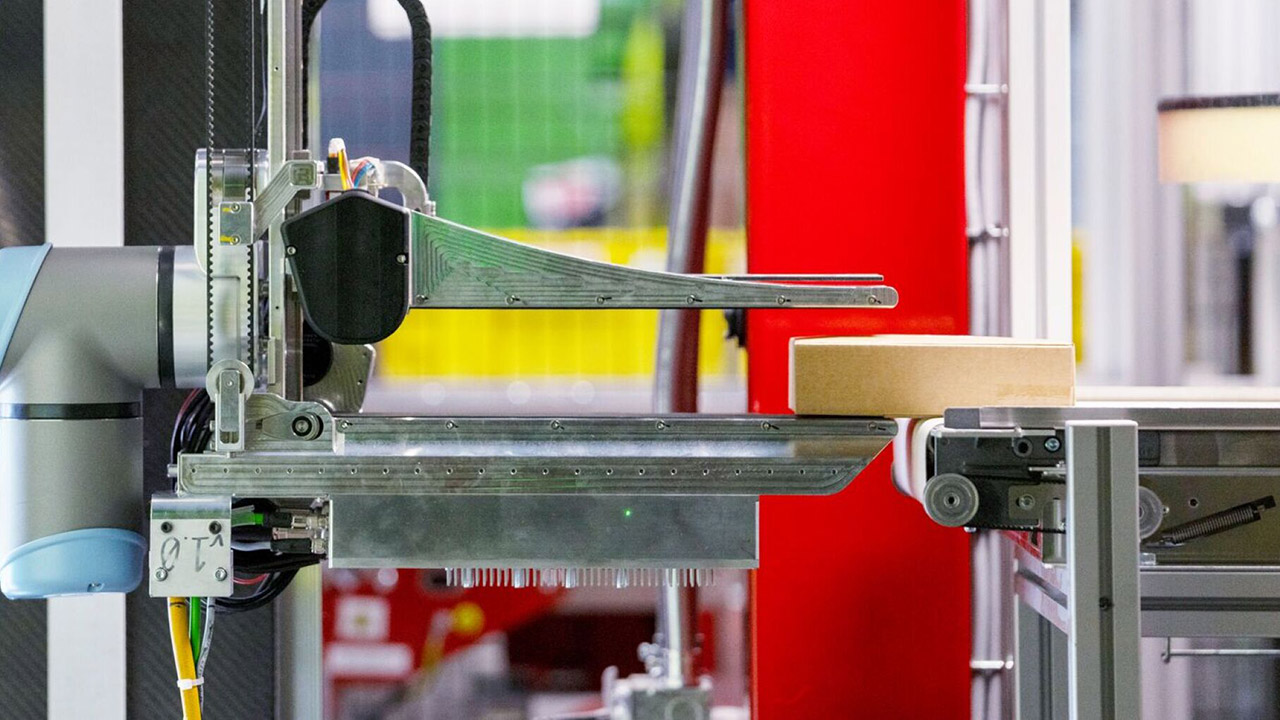
The robot’s “end-of-arm tooling” looks like a ruler on a hair straightener, with sensors that track how much force it’s using. Combined with physical AI, this helps Vulcan move through messy spaces and adjust its grip on the fly.
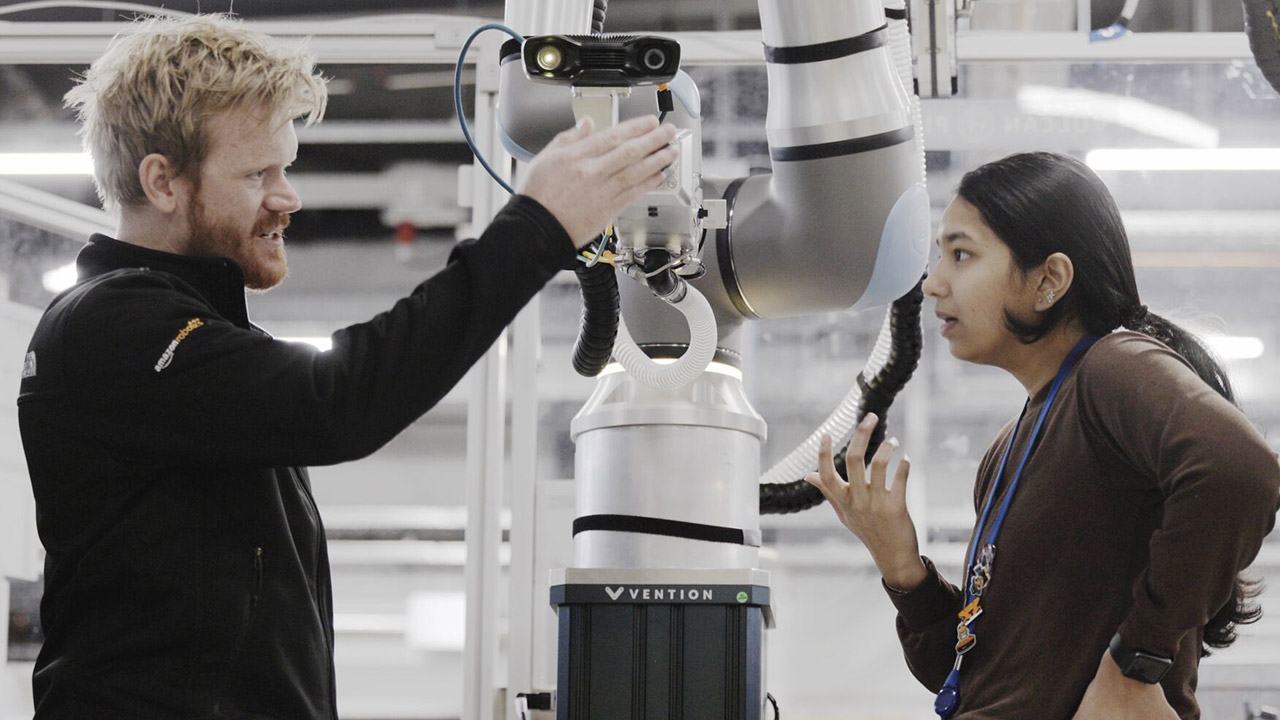
Vulcan is already being tested in two Amazon warehouses and was shown off at an event in Dortmund, Germany. Amazon plans to bring it to warehouses across Europe and the U.S. in the next couple of years.
It works behind a fence to keep accidents low and is made to team up with human workers, not take their jobs. Amazon says people will always be needed for tasks that need common sense and supervision. The robot also aims to lower workplace injuries by handling repetitive, tough physical tasks.
Vulcan works alongside our employees, and the combination is better than either on their own. Our vision is to scale this technology across our network, enhancing operational efficiency, improving workplace safety, and supporting our employees by reducing physically demanding tasks,” said Aaron Parness, Amazon director, applied science.
[Source]