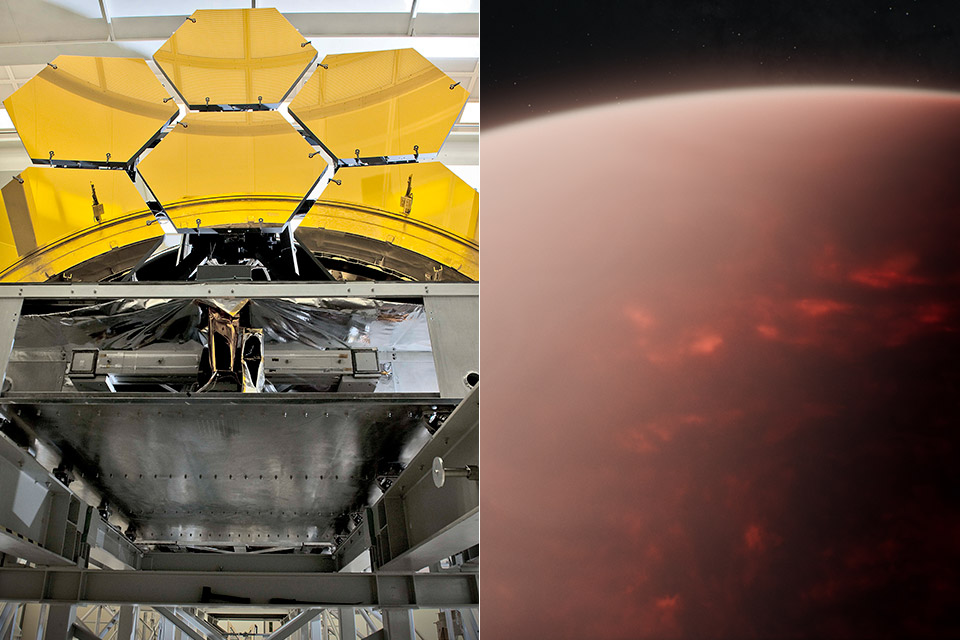
Astronomers have discovered a super-Earth located 280 light-years away in the Sextans constellation. Called TOI-561 b, a day there lasts only 11 hours because it is so close to its star. That said, you would expect the surface to be a giant ball of heat, yet it is still maintaining a thick layer of gas around itself.
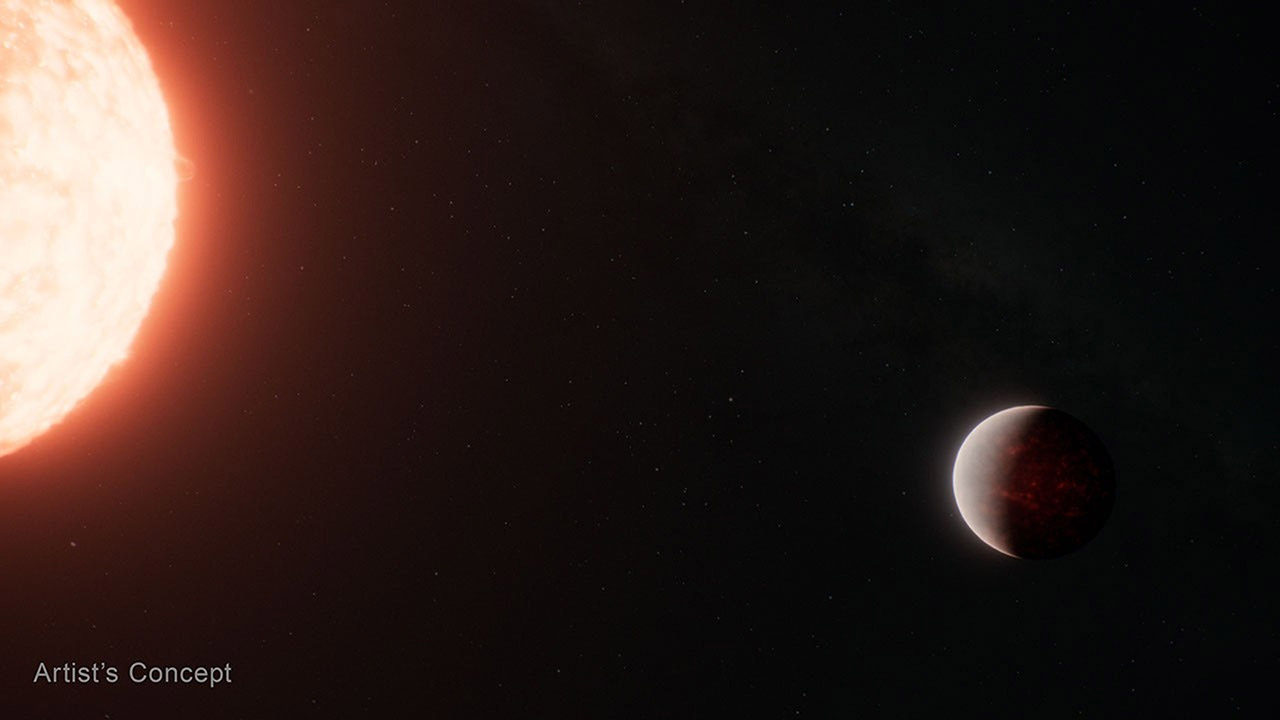
The planet first came to astronomers’ attention in 2020, when the Transiting Exoplanet Survey Satellite (TESS) identified it as the innermost of four siblings orbiting TOI-561. Initially, people established its presence by observing the dimming of its star’s brightness, but then things got very fascinating. Since then, more observations have been made using the Webb telescope to get a better look at the system, and in May 2024, capturing four full cycles of the planet’s orbit over 37 hours or so. They were particularly interested in what happens when TOI-561 b slips behind its star. This is the point at which you can calculate how much heat the planet emits, and they discovered that the side of the planet facing the star was a scorching 3200 degrees Fahrenheit, which is quite significant because without an atmosphere to help even out the heat, it should be a scorching 4900 degrees Fahrenheit or so.

- 3 LEGO space toys in 1 box – Boys and girls ages 9 and up who love space can build and rebuild 3 different sets using the same set of bricks with...
- Endless space play possibilities – Kids can play out daring stories among the stars with 3 different space playsets: an astronaut figure, a space...
- Posable space figures – The astronaut toy has posable legs, feet, arms and fingers, and the space dog has a posable tail and legs so kids can choose...
Its star, TOI-561, is a long-lived G-type star that has been lighting up the sky for 10 billion years, more than twice as long as our Sun. It’s somewhat smaller and cooler than our star, but around 80% the size, making it fairly typical of the type of star you’d find squeezed into the Milky Way’s thick disk, where all the aging stars live. TOI-561 is a lightweight, low in iron planet that originated a long time ago when the galaxy was still in its infancy. As a result, its planets, including TOI-561 b, were created from a fairly modest collection of ingredients. While the star is rather stable, its gravitational attraction on TOI-561 b is responsible for all of the system’s extremes.
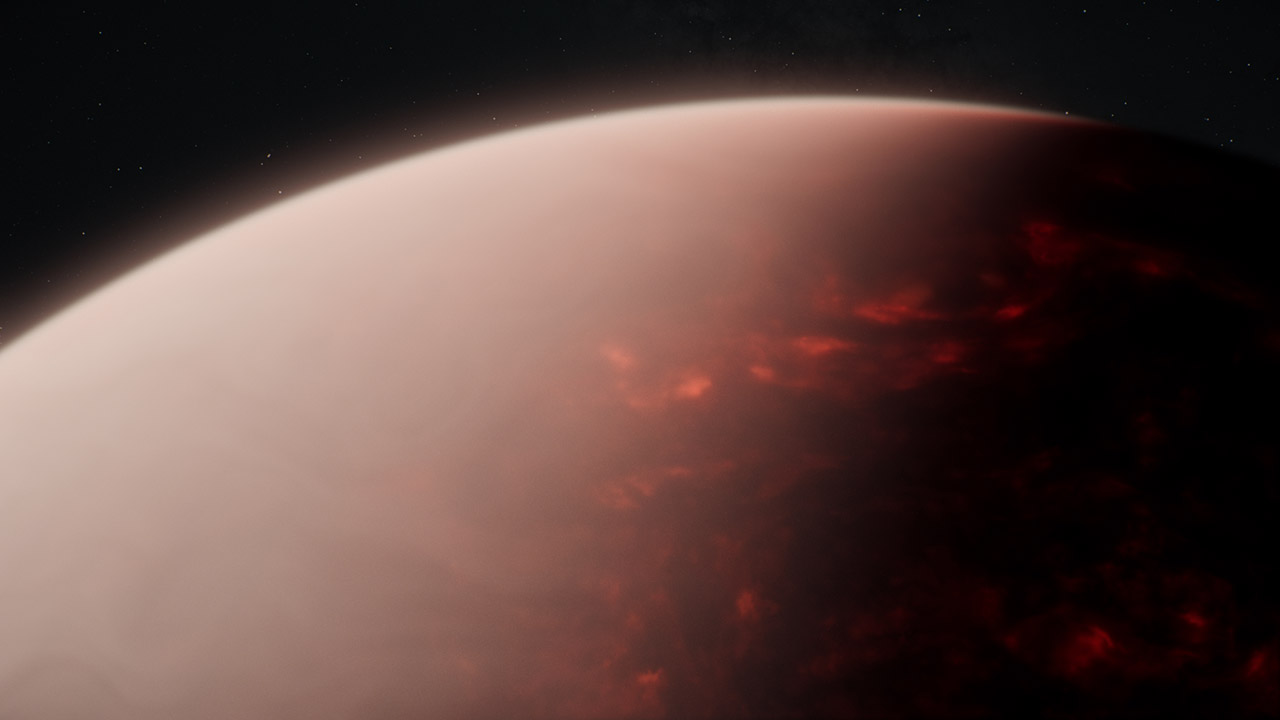
TOI-561 b, an ultra-short period planet orbiting a mere million miles from its star, is putting a lot of pressure on its star. In other words, tidal locking occurs, resulting in one side of the planet receiving constant sunlight while the other side remains in complete darkness. Then there’s the dayside, where radiation is pouring down at a pace 5,100 times that of Earth, essentially ensuring a sea of molten rock. As all of that heat rises from the molten rock and condenses or cycles back down, you have this delicate balance act going on. To make matters worse, strong winds in the sky are most likely just carrying heat from warmer to cooler areas, keeping even the coldest sites liquid.
But the density measurements tell a completely different tale, with TOI-561 b weighing in at a relatively light 3 to 5.5 grams per cubic centimeter. This is really a little lighter than you would anticipate from a planet made entirely of rock. Early models predicted a small iron core with a healthy dosage of the normal mantle material, but the low figure suggests the opposite: this planet has a considerably more diversified composition. Volatiles such as water, carbon dioxide, and oxygen may be at blame, blowing out the planet’s profile and making it appear less compact than it really is. Some of the most recent models even propose a steam-filled envelope, in which dissolving ices from a water-rich past create clouds of silicates that help deflect light around the globe.
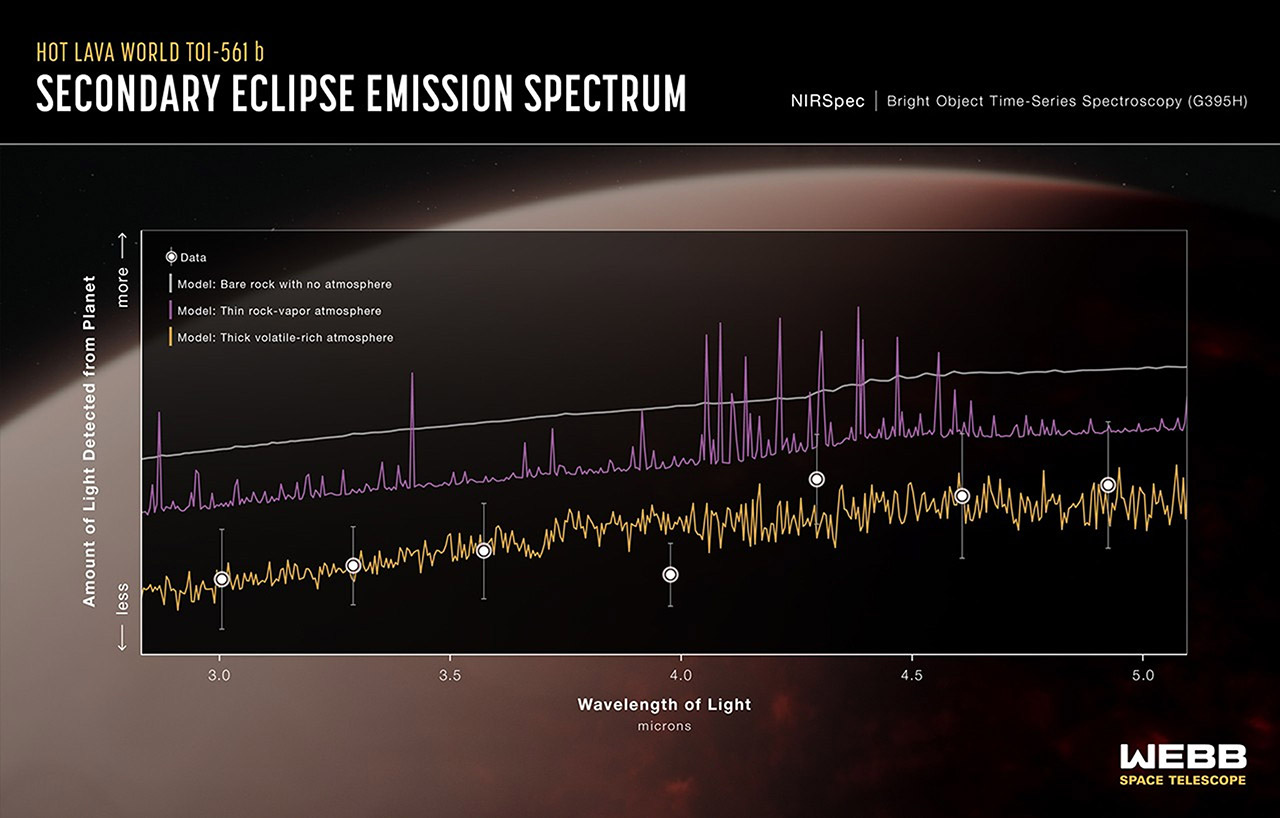
Johanna Teske, lead author on the new study and a staff scientist at Carnegie Science’s Earth and Planets Laboratory, calls the density the standout clue. “What really sets this planet apart is its anomalously low density,” she notes. “It is less dense than you would expect if it had an Earth-like composition.”
[Source]