Gaming headsets with UV-reactive strips are one thing, actual wood that glows in the dark is another. Researchers from the Swiss Federal Laboratories for Materials Science and Technology have created just that with the help of a fungus.
The discovery happened after the fungus and wood were incubated together for three months in a very moist environment. This caused the balsa wood to absorb up to eight times its weight in water. As for the glow, it begins when the wood is exposed to oxygen, at which point, the enzyme luciferase begins the reaction that results in emission of a green glow.
No products found.
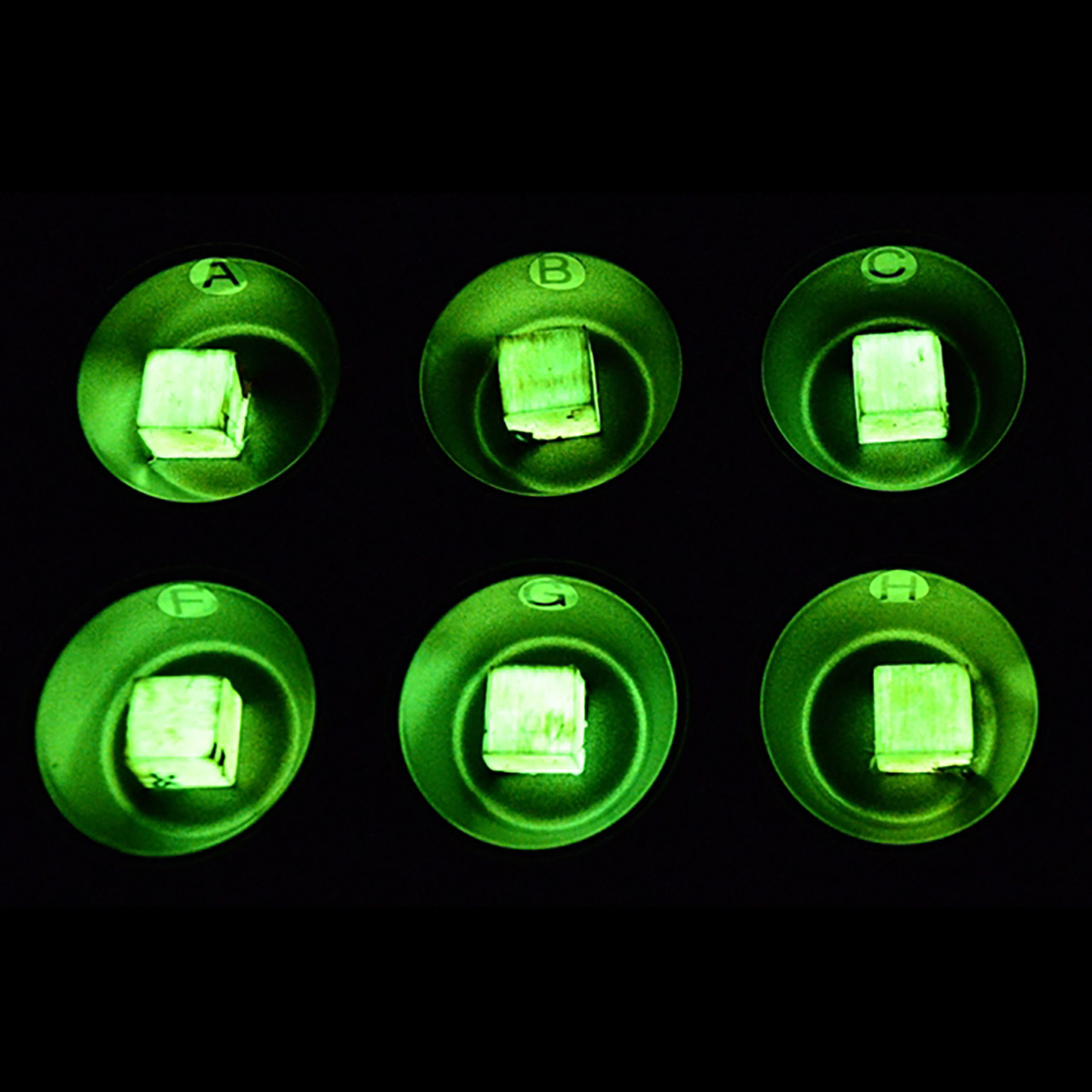
Naturally luminous wood was first described around 2,400 years ago by the Greek philosopher Aristotle. Artificially produced composite materials of this kind would be interesting for many types of application,” said Francis Schwarze, fungal researcher from Empa’s Cellulose & Wood Materials lab in St. Gallen.
[Source]