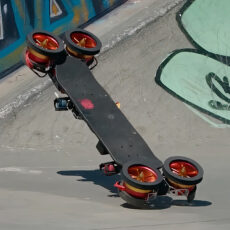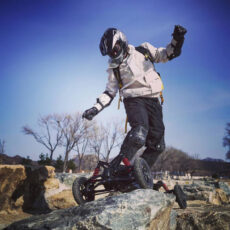
Ivan Miranda wanted to re-imagine the OneWheel, a single-wheeled electric skateboard that’s both fun and dangerous. He wanted to improve the OneWheel’s lean-to-steer mechanism by adding a second wheel. Miranda’s journey to make this two-wheeled contraption using a 3D printer, aluminum extrusions and a deadline ,is a story of creativity, chaos as well as a few near misses.
Miranda got the idea after talking to Wren from Corridor Digital, a OneWheel pro, at OpenSauce 2024. The OneWheel is alluring: lean forward to go faster, backward to slow down, all powered by a motor and sensors that detect your movements. But Miranda noticed a problem. Push the board too far and the motor will struggle to keep up and you’ll tumble when it hits the ground. His solution was a two-wheeled board that maintains the lean-to-steer interface and adds stability with a second wheel.
- 👍Improved Motor: The 350W motor provides high torque but maintains a low power consumption. The e scooter reaches a top speed of 19mph and can...
- 👍Enhanced Battery: A high-capacity battery, our adult electric scooter offer an extended travel range of 15 miles on a single charge. With a quick...
- 👍Easy to Store & Carry: With the quick folding system, this e-scooter can be easily folded in 1 second to store in the trunk; The scooter is light...
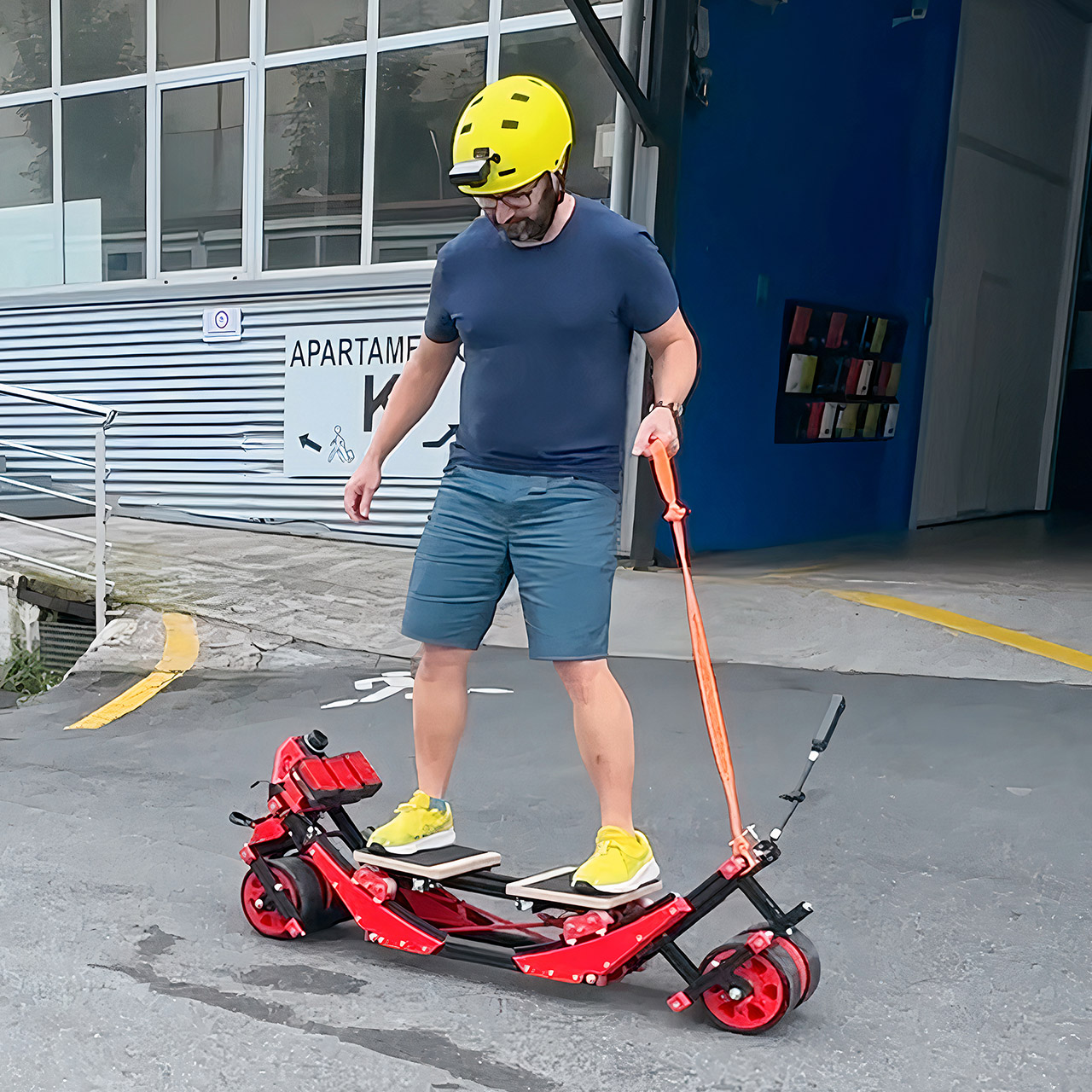
Miranda chose 3030 aluminum extrusions for the frame because they are strong, easy to cut and quick to build. He created a square base by connecting the extrusions with 3D printed brackets, a hallmark of his design. The goal was to design a platform that tilted to control the board while keeping the rider’s center of gravity low. His first attempt was a complex four-bar linkage that was time consuming and failed. Miranda, sleepless and frustrated, woke up around 2:30am with a better idea: a platform that slid on curved rails, like a seesaw but without the height. He couldn’t afford a pipe bender so he used an MDF jig and heavy duty clamps to bend the extrusions. The end result was a pair of curved rails attached with 3D printed pieces and screws to create the backbone of his tilting mechanism.
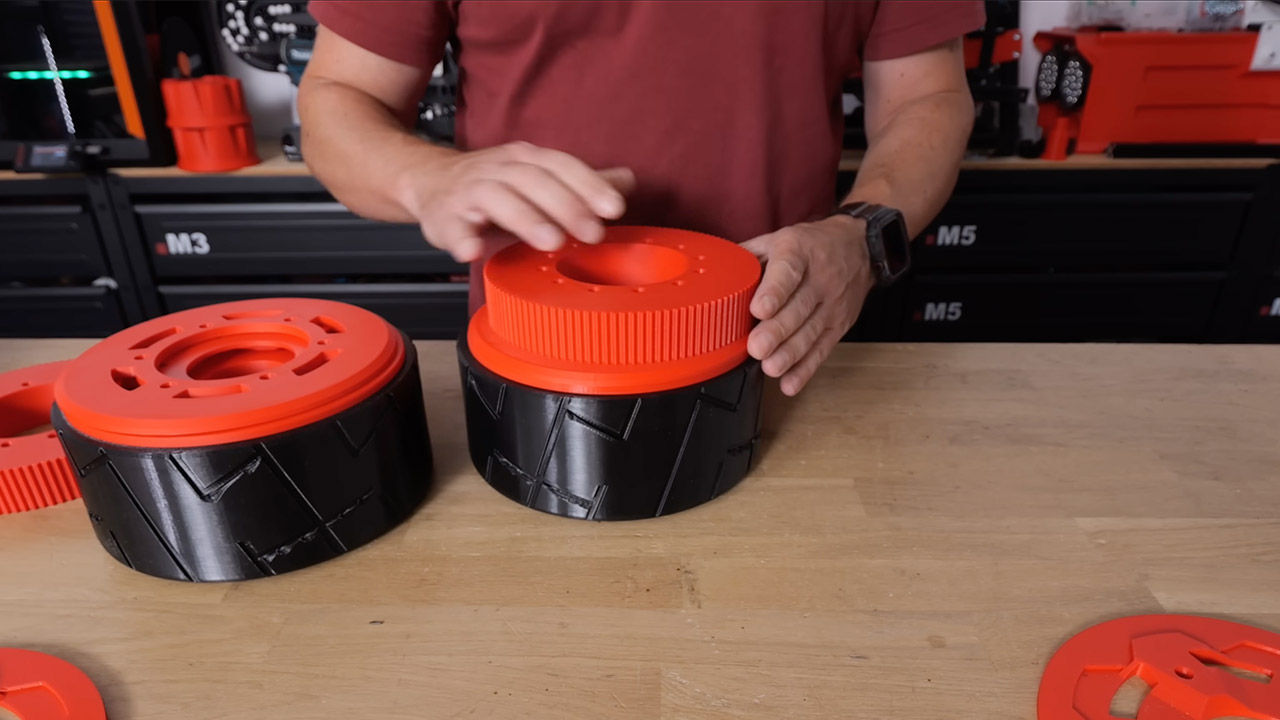
Miranda built the wheels in parts to max out his 3D printers and distribute the workload across multiple machines. Each wheel was two halves with a pulley for a toothed belt and a brushless DC motor on one side for propulsion. Nylon wheels printed on a Prusa XL slid over the curved rails so the platform would tilt easily. Miranda added aluminum end stops to prevent the platform from falling off and then upgraded to PCBWay stainless steel springs for durability under a rider’s weight. The whole thing was powered by three 18v power tool batteries wired in series for over 60v with a safety cutoff switch.
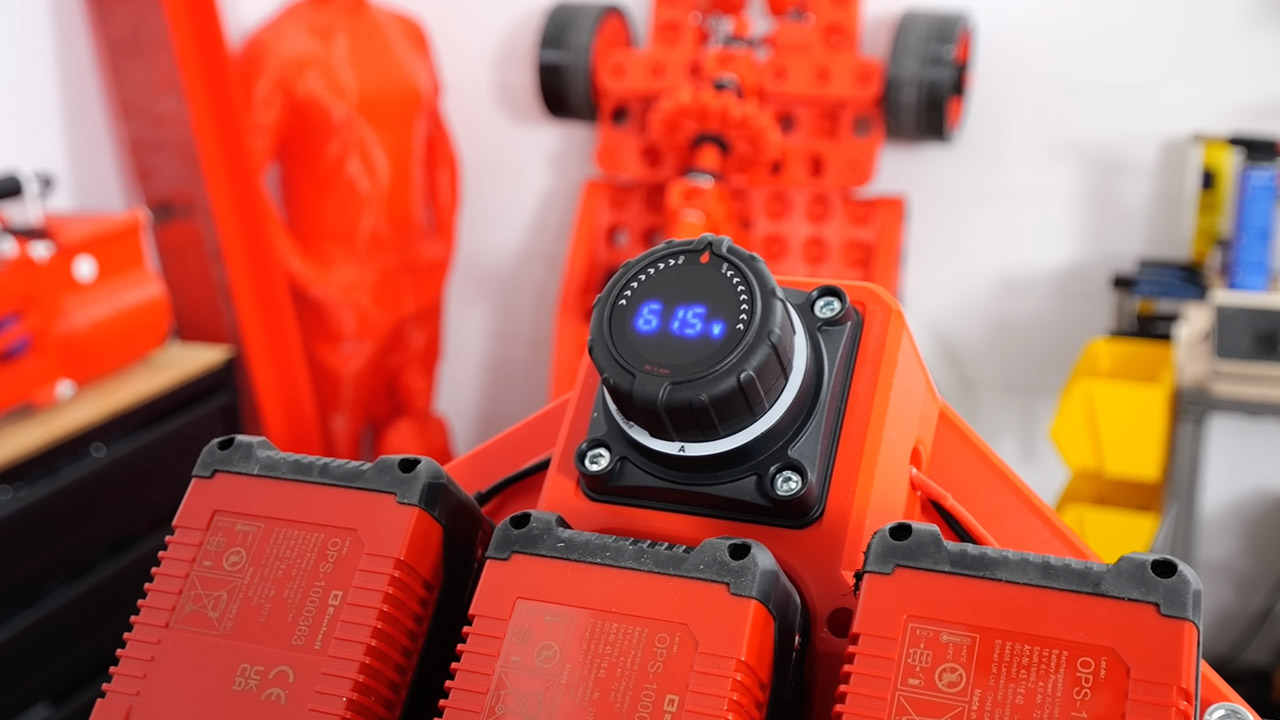
Electronics brought it all together, an Arduino Due with an MPU6050 IMU that sensed the board’s tilt and sent commands to a speed controller that drove the motor to balance the rider. Springs under the platform would detect when someone stepped off, in theory stopping the board from running away. But theory and reality diverged. At OpenSauce, Miranda called it a “death trap”. The motor made terrible noises, the board would move as soon as someone stepped on it and it wouldn’t always stop when they stepped off. A community of creators stepped in, changed code and recommended fixes like changing PID values but the board was still wonky. Wren tested it, almost crashed, but gave it a thumbs up.
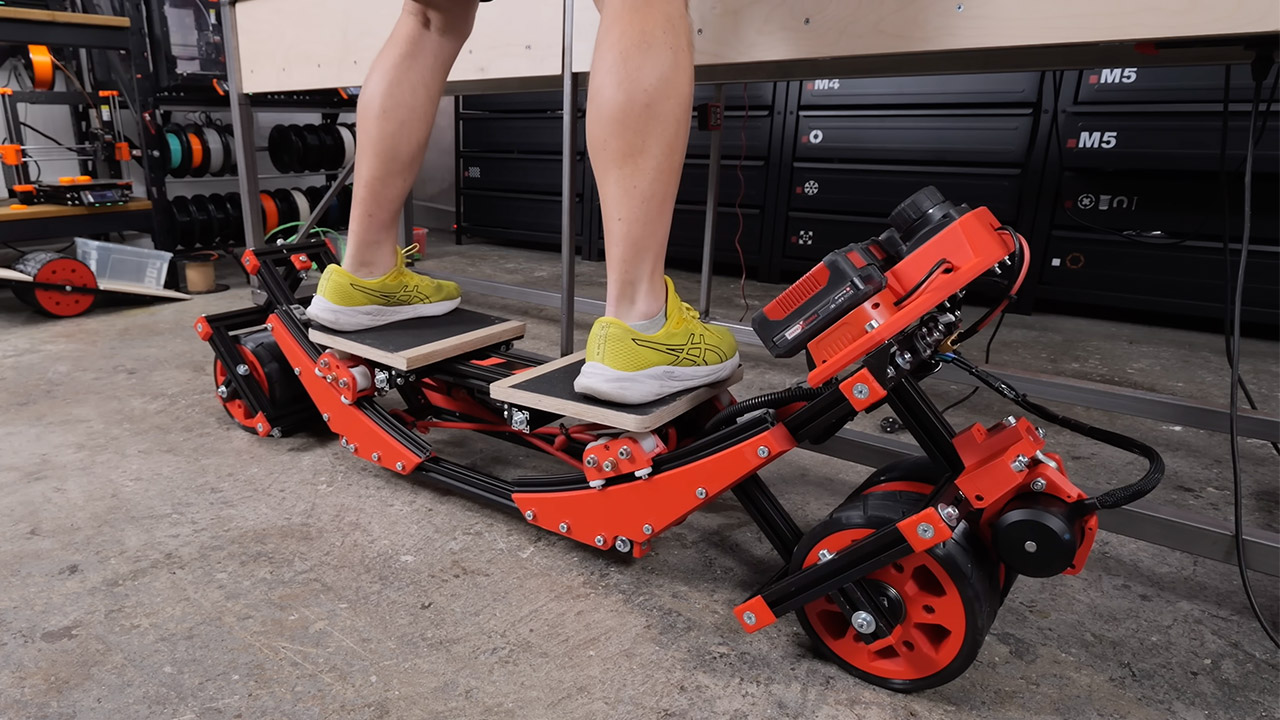
Miranda went back to his shop and diagnosed the problems, which included motor noises from the batteries’ MOSFETs cutting current too aggressively and interfering with the controller. Using one battery or connecting them in parallel fixed the issue and made the power smoother. He also replaced the MPU6050 with a BMI160 IMU, mounted it directly to the board and ran a reflow package to improve balance control. After hours of tweaking the board was rideable, but slow and tense.
Despite the injuries, Miranda calls it a proof of concept success. The board moves, responds to leans and even carries a rider – sort of. Wren and others have identified areas for improvement including better motor control, more sensors and a less harsh Ascertain.
[Source]