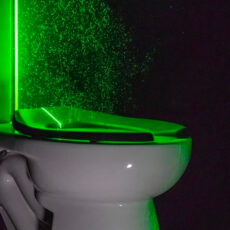
Photo credit: NASA/Maurice Cross
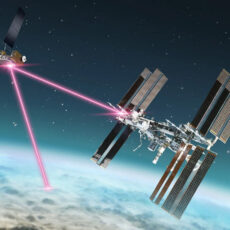
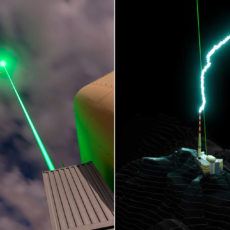
Believe it or not, NASA is actually using lasers to conduct 3D wind measurements. More specifically, the advanced 3D Doppler wind LiDAR instrument called the Aerosol Wind Profiler (AWP) to measure wind speed and direction.
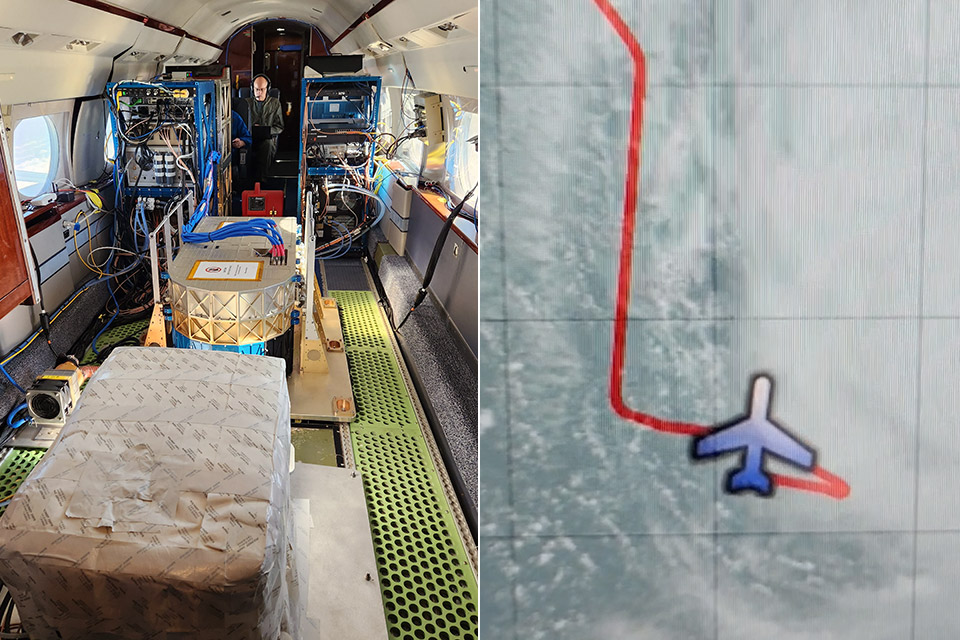
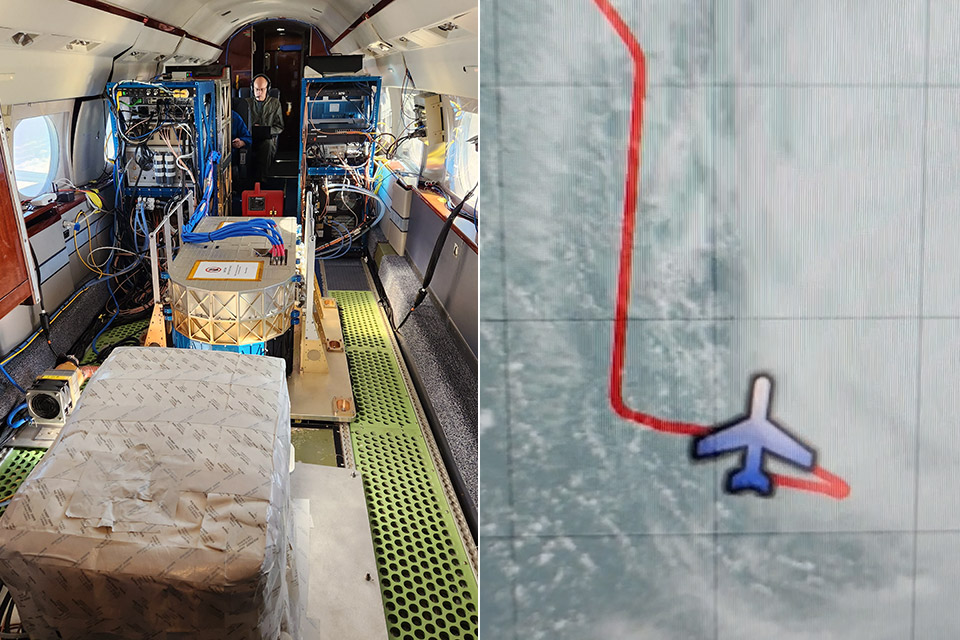
It works by sending pulses of infrared laser light into the atmosphere. A telescope then collects the light reflected by atmospheric aerosols (like dust or sea salt). By tracking the motion of these particles, the instrument measures wind speed and direction in three dimensions. Since last fall, NASA scientists have flown the AWP on a DC-8 aircraft across the U.S., collecting nearly 100 hours of data over diverse regions, from the Upper Midwest to the Southeast and Mid-South. These flights track wind patterns at various altitudes, even in rough weather like thunderstorms. These flights track wind patterns at various altitudes, even in rough weather like thunderstorms.

- Interactive model – Inspire kids to build a representation of the Earth, Sun and Moon in orbit with this LEGO Technic Planet Earth and Moon in Orbit...
- Educational space toy – Kids can turn the crank to see how the Earth and the Moon orbit around the Sun
- Includes months and moon phases – This solar system toy includes printed details, like the month and moon phases to help kids see how the Earth’s...
This work builds on 30 years of progress, including the Doppler Aerosol Wind (DAWN) tool used in missions like the 2010 GRIP campaign to study hurricanes. Recent updates have made it even more accurate.
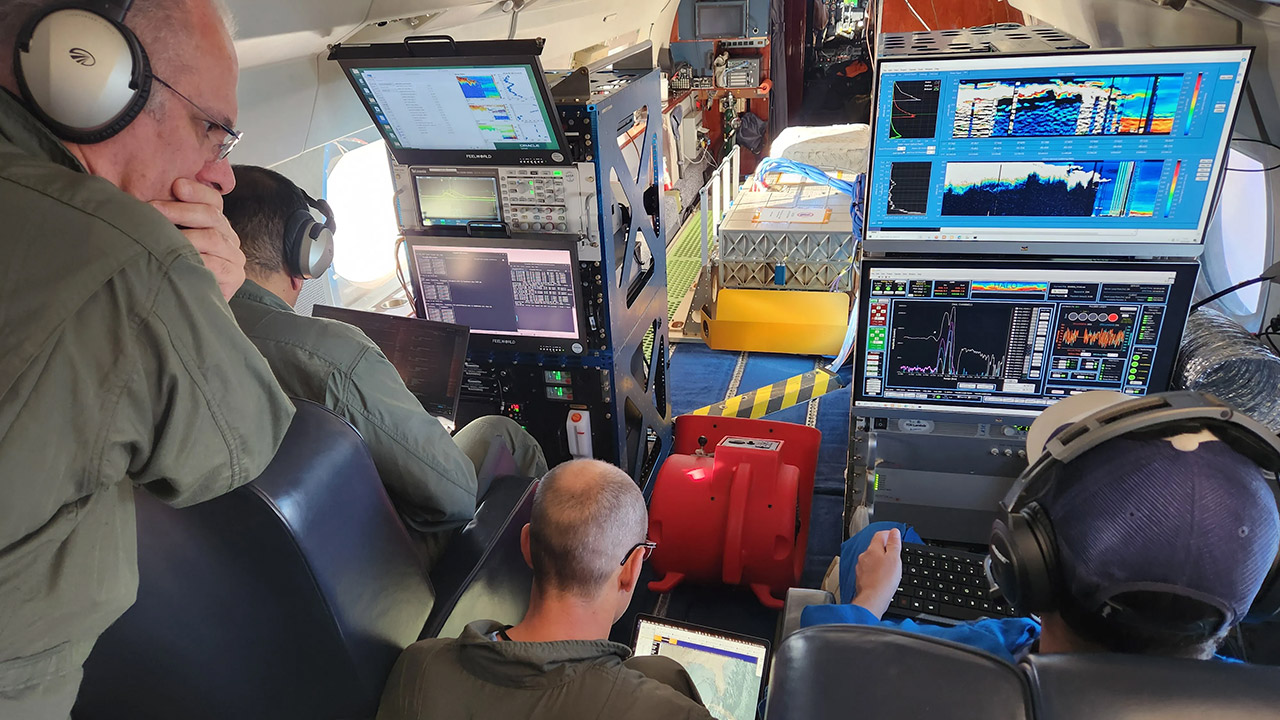
With our instrument package on board small, affordable-to-operate aircraft, we have a very powerful capability. The combination of AWP and HALO is NASA’s next-generation airborne weather remote sensing package, which we hope to also fly aboard satellites to benefit everyone across the globe,” said Kris Bedka, the AWP principal investigator at NASA’s Langley Research Center in Hampton, Virginia.