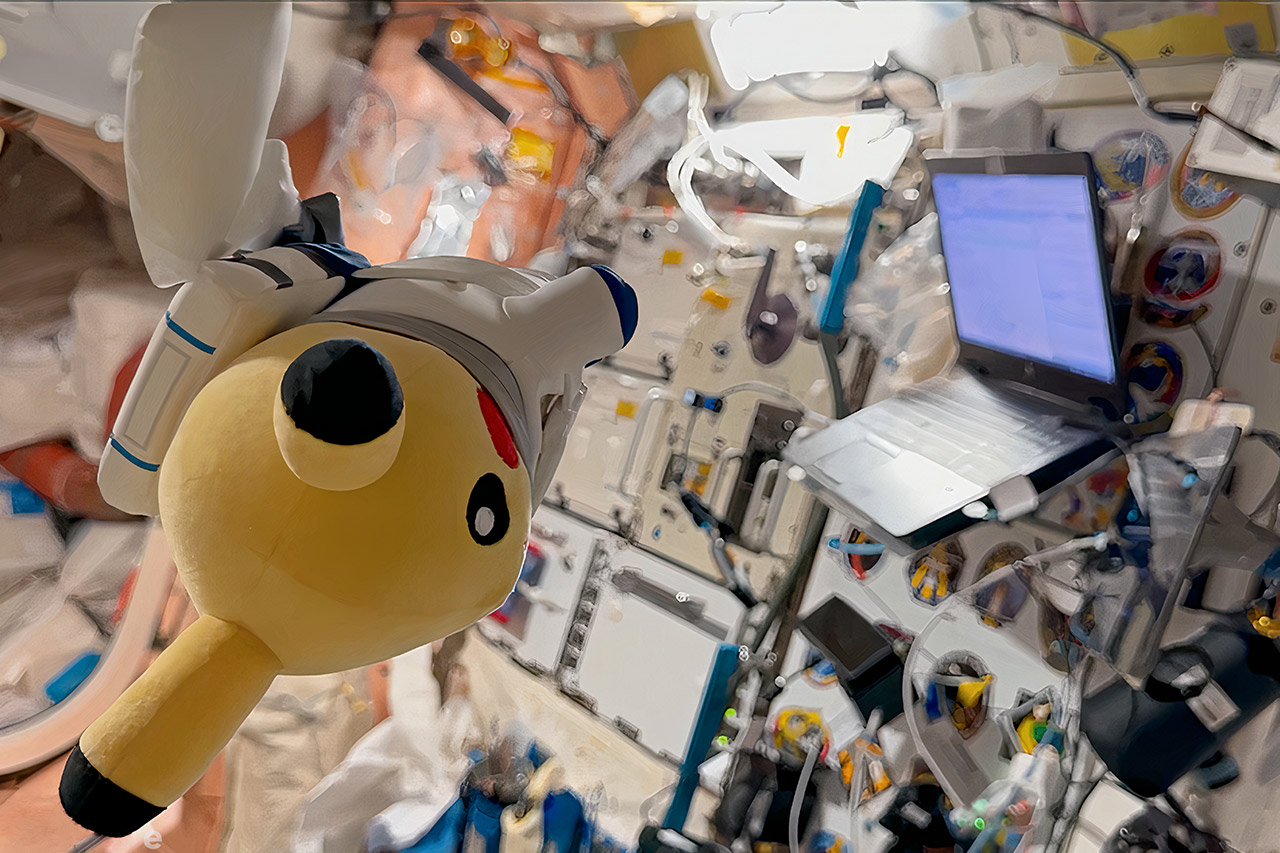
A stuffed Pikachu in a custom white suit spent 67 days aboard the International Space Station this spring, riding a cargo ship up on April 11 and coming home on another cargo ship on June 17. In that stretch the plush completed about 1,040 loops around Earth, a full circuit every 90 minutes or so, the same pace the station keeps. ESA and The Pokémon Company International kept the flight quiet until September 19, then used the yellow visitor as the opening note for World Space Week.
Sophie Adenot, a French ESA astronaut, was already aboard the station when an unexpected surprise arrived: a cuddly toy intended to accompany her on the Epsilon mission. The only problem was that it arrived several months after she had already departed the comfort of Florida’s launchpad, launching on February 13. The mission was a record-breaker, lasting 237 days, 5 hours, and 18 minutes in orbit, the longest time a European had remained in space. Pikachu slipped in the middle of that span unnoticed, having been carried to the station by Northrop Grumman’s Cygnus freighter a few months before Adenot herself returned to Earth via a SpaceX Dragon. For good measure, she conducted a few extra experiments and three spacewalks outside the station, totaling 19 hours and 42 minutes.

- BUILD AN ICONIC POKÉMON MODEL – The LEGO Pokémon Pikachu and Poké Ball (72152) building kit for adults ages 18 and up assembles into a detailed...
- POSABLE PIKACHU FIGURE – The Pikachu figure has posable ears and limbs so it can be posed leaping from the opened Poké Ball in a battle stance, or...
- DETAILS FANS WILL LOVE – The display base features the number "25" formed from LEGO studs as a nod to Pikachu's Pokédex number, with a lightning...
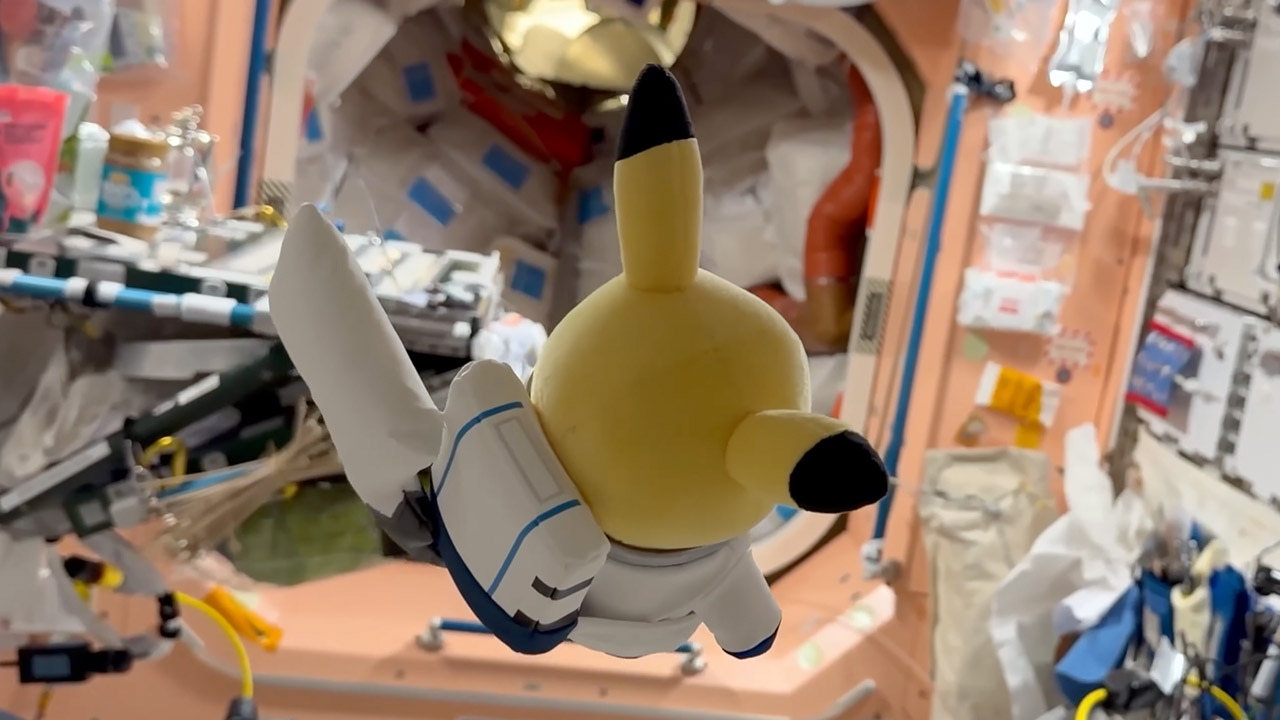
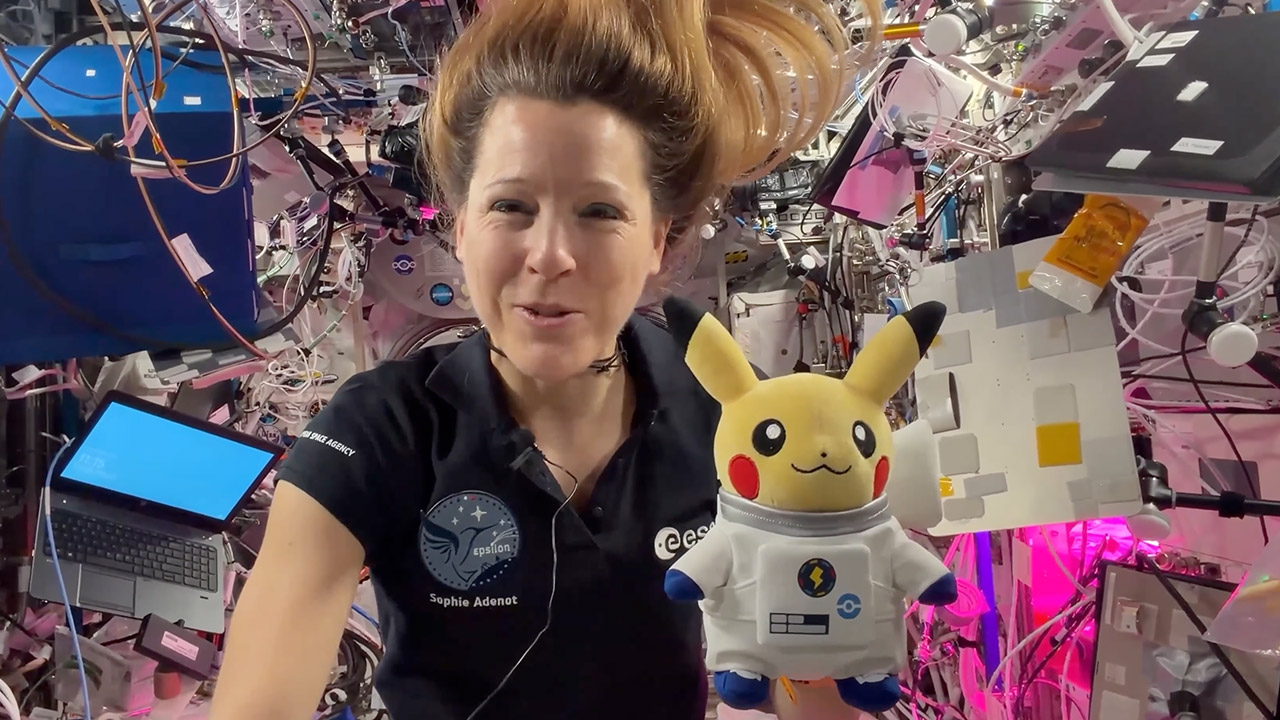
Crews have long kept a light object handy as a zero-gravity indicator. When the object starts to drift on its own, everyone can see that the ship has reached weightlessness. This time, the zero-gravity sign was a bit more unusual: a cuddly Pikachu dressed up in a space suit, with a mission patch and a small cover to keep it from getting caught in the station’s handrails. Photos show the little person drifting about the Cupola, which is a large windowed module where the crew can watch Earth go by.
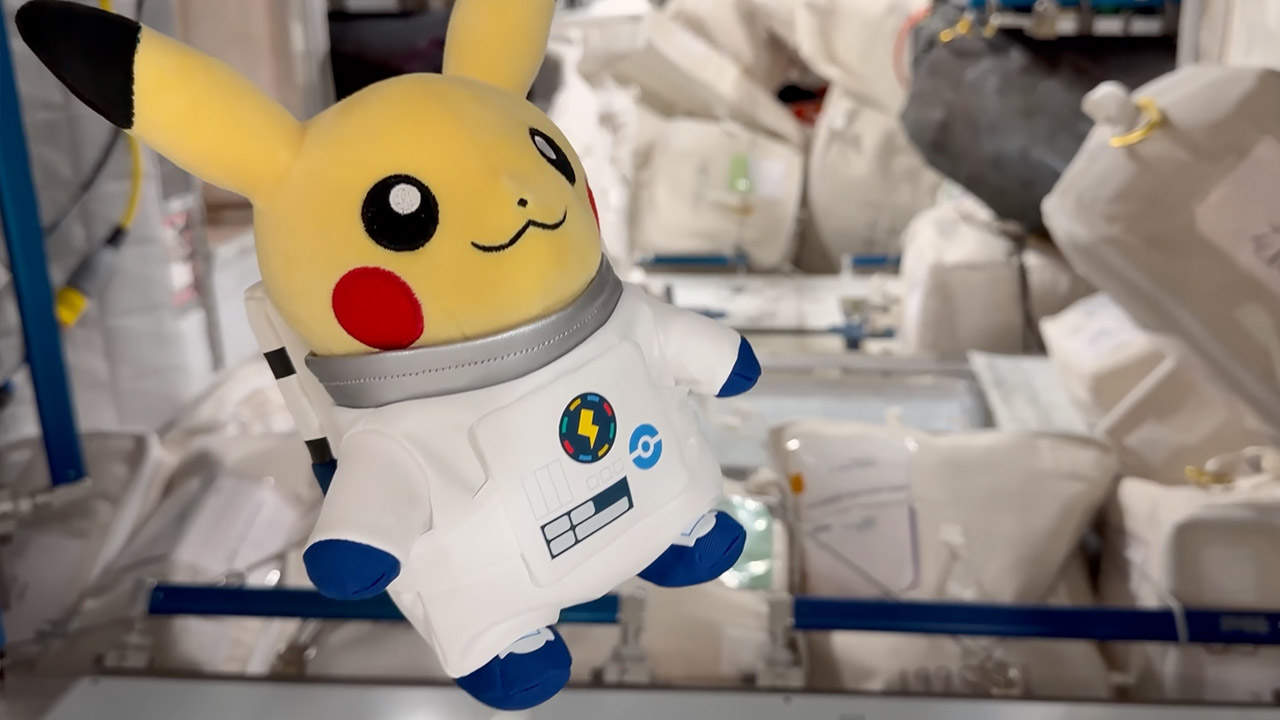
A video released this week shows Pikachu on a gentle drift across Nodes 1 and 2, with Adenot chattering away and pointing out various parts of the station. She shows out the water recycling system, which recycles 98% of what the crew uses, even urine. We also get a tour of the lab freezers, which are kept at -98 degrees Celsius and are ideal for storing blood samples and other experimental materials. Pikachu, in course, is unconcerned about anything and prefers to float around. By the time the film was released, the small fellow had been back on Earth for several months, serving as a mascot for the ESA while Adenot was still in orbit.
Pikachu’s traveling display will have a mix of European mission technology, photos of the sun, information about living on the station, and views of the Solar System, along with some charming Pokémon figures created on some of the boards. The initial part of it was open to the public for two days in Paris at the end of September, before moving on to Rome, Noordwijk, Darmstadt, and a few more cities over the next month. Things are getting serious now, as the show travels to museums and science centers in London, Toulouse, Valencia, Nuremberg, Transinne, Lucca, and Noordwijk, where it will stay until April 2027.
From October 4, 2026 to April 30, 2027, Pokémon GO players who visit participating science and space museums around Europe will be able to participate in one-star raids and other fun pieces starring Astronaut Pikachu. Things get a little more exciting during World Space Week (October 4 – 10), with new jobs and research bits to complete, as well as higher spawn rates (whatever that means) for some of the Pikachu encounters. ESA Director Josef Aschbacher thought this was a terrific approach to get people interested in space operations, and perhaps even get the next generation of space fans enthused about how a station stays aloft.