In the summer of 1997, Apple was running out of time. Cash on hand covered maybe ninety days of payroll. The company had burned through nearly two billion dollars in losses over the previous two years. Market share had collapsed. Talent was walking out the door. Rivals openly suggested shutting the whole thing down and returning the remaining money to shareholders. Steve Jobs had just returned after a twelve-year exile and the place he came back to felt exhausted.
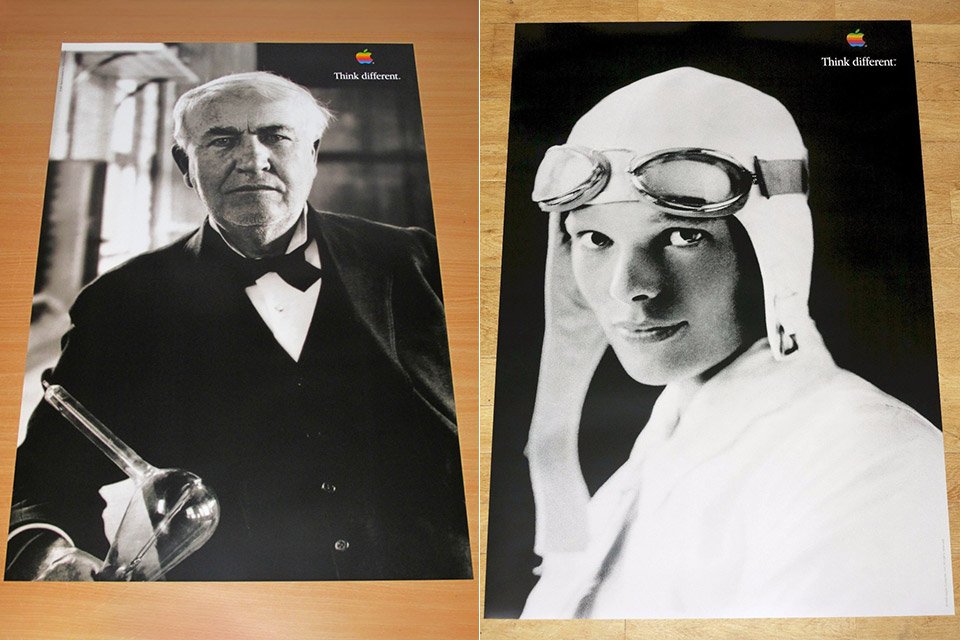
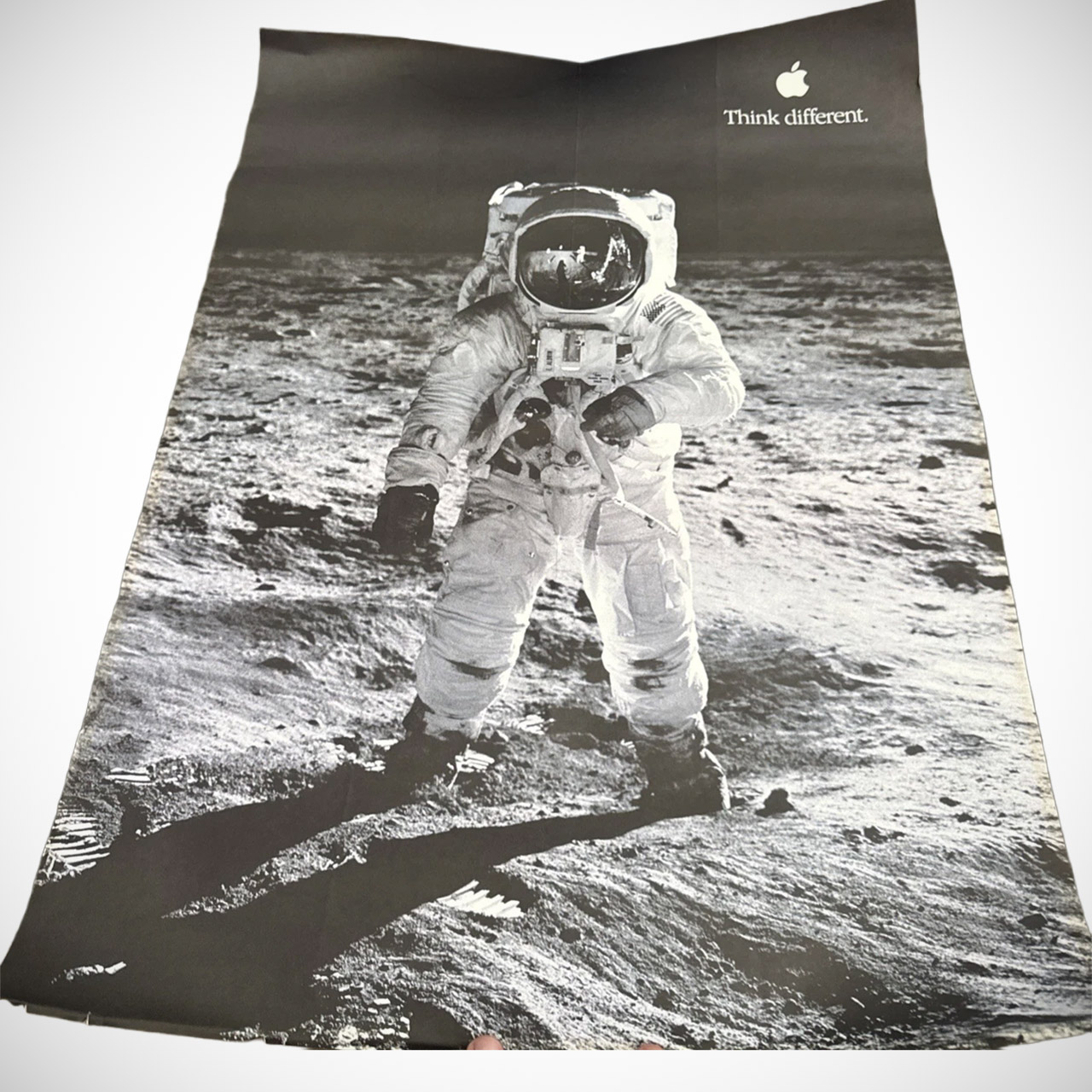
He needed more than just cost cuts to salvage Apple; he wanted people within and outside the company to remember what made Apple so special back then. That required creating a new advertising campaign, and the agency that received the contract was TBWA Chiat/Day, yes, the same team that created the iconic 1984 advertisement back in the 1980s. One of the copywriters, Craig Tanimoto, took a close look at IBM’s long-running “Think” slogan and turned it on its head. He suggested using “Think Different.”

- WORLD’S BEST IN-EAR ACTIVE NOISE CANCELLATION — Removes up to 2x more unwanted noise than AirPods Pro 2* so you can stay fully immersed in the...
- BREAKTHROUGH AUDIO PERFORMANCE — Experience breathtaking, three-dimensional audio with AirPods Pro 3. A new acoustic architecture delivers...
- HEART RATE SENSING — Built-in heart rate sensing lets you track your heart rate and calories burned for up to 50 different workout types.* With...
English instructors would have had a fit about that. “Think differently” technically follows the criteria, but Jobs and the rest of the creative team were aware of the correct version and deliberately rejected it. Jobs later stated his thinking in a simple manner. He explained that the company was not pushing consumers to think differently. No, they were encouraging people to consider something different, to value and celebrate the unusual. The shorter, grammar-bending version worked better since it conveyed the point more effectively.
The first television commercial aired on September 28, 1997, during the opening of Toy Story. The television screen displayed black-and-white footage of prominent people such as Albert Einstein, Martin Luther King Jr., Amelia Earhart, and Pablo Picasso. You could see they were all restless spirits. Meanwhile, Richard Dreyfuss was reading a touching tribute to those odd types, misfits, rebels, and visionaries who see things differently than others. The Apple logo only appeared at the final end. It wasn’t long until Apple reported its first profitable quarter in years, and the stock price soared. Inside the company, morale was also very high. The ad went on to win an Emmy, becoming the first TV ad to do so.
Even when the crisis was over, that same casual disregard for grammar standards persisted. When Jobs, and subsequently Tim Cook, discussed new devices, they never said “the iPhone” or “the iPad”. Instead, they’d say “iPhone does this” or “iPad enables that”. That construction may sound strange to non-techies, as if you’re referring to people or places rather than devices. Of all, you wouldn’t go about shouting “the Steve Jobs” or “the California.” No, simply use the person’s or place’s name. Apple has done this with their hardware for many years, as well as in keynote speeches, news releases, and websites.
Critics found it unsettling, while fans barely noticed it. In either scenario, the result was the same: your typical modern technology no longer sounded like a plastic box with flashing lights. Instead, it started sounding like it had its own personality. Writers who investigated this anomaly later concluded that it was not a mistake, but rather a deliberate effort by Apple to name its technology in the same way that we classify humans. By removing the normal articles, Apple emphasized that its products are one-of-a-kind, unique, and deserving of respect, just as you would treat a human being. When combined with the previous “Think Different” campaign, it created a cohesive tone that felt personal rather than corporate. Technology started to sound like something practical.
[Source]