
Photo credit: Daniel Korpai
Apple has relied on OLED screens for years, including iPhones, Apple Watches, current iPad Pro models, and even the Vision Pro headset. Now, the company is expanding the option to include even more everyday devices. According to recent supply chain leaks, Apple has a clear strategy for five more of its devices to switch from LCD or mini-LED to OLED panels between 2026 and 2028.
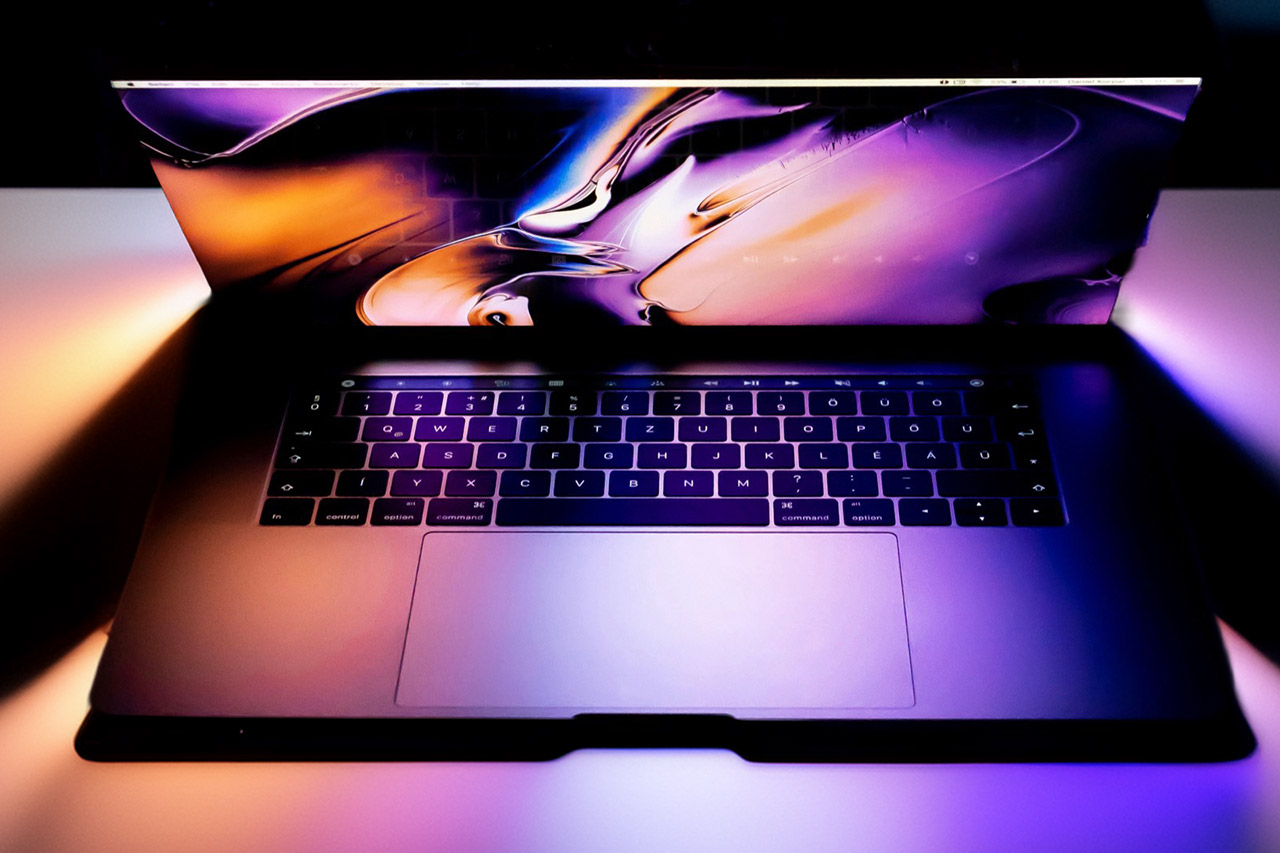
Production is already underway on what is widely regarded as the most anticipated improvement. Samsung Display has begun manufacturing the unique OLED panels for the forthcoming MacBook Pro; the new ones have two stacked layers for increased brightness, a longer lifespan, and less concern about picture retention. These panels will go into mass production this month, indicating that the updated MacBook Pro is on its way, with a projected late 2026 or early 2027 release date. Expect a completely redesigned MacBook Pro, with a noticeably slimmer and lighter shell, reduced screen margins, and a small pinhole camera replacing the current notch. For the first time, a Mac laptop’s display will accept touch input. When combined with the anticipated M6 chip family, this combination is predicted to result in a significant improvement in both what you see and how you interact with it.

- SPEED OF LIGHTNESS — MacBook Air with the M4 chip blazes through work, homework, and creative projects. With Apple Intelligence,* up to 18 hours of...
- SUPERCHARGED BY M4 — The Apple M4 chip delivers even more speed and fluidity across apps, making multitasking and creative workflows smooth and...
- BUILT FOR APPLE INTELLIGENCE — Apple Intelligence is the personal intelligence system that helps you write, create, and express yourself—all with...
The smallest tablet, the iPad mini, appears to be joining the change much sooner, with an expected release date of 2026. With an OLED screen, users will gain all of the benefits that bigger iPad Pro customers already have: perfect blacks for reading in dimly lit environments, brilliant HDR playback, and overall improved efficiency, which will significantly extend battery life.
The iPad Air will be released a year later, in 2027, but first there will be a small break, with the LCD in the iPad Air being refreshed this year. The succeeding iteration will be the first to use OLED. That makes sense, given we’ve seen Apple pull premium display technology down to mid-range handsets as supply chains stabilize and costs fall.
The desktop side is also seeing some action. A new 24-inch iMac with OLED is already under development and is expected to debut in 2027 or 2028. However, with such a large screen, OLED’s contrast and color accuracy will make a significant impact, particularly for creatives or anyone who will just use the iMac to watch movies or other media content on a fixed setup.
MacBook Air owners are expected to wait the longest for the upgrade, with rumors indicating that the OLED upgrade will be available in 2028. By then, technology is likely to have advanced even further, allowing the lightweight laptop to become even thinner while maintaining its distinctive extended battery life. Apple will source the panels from established manufacturers such as Samsung and LG, and there is even speculation that BOE would join forces for volume production. The new tandem structure significantly improves on previous OLED worries regarding brightness restrictions and lifespan, making the technology appropriate even for laptops and desktops that display brilliant content for extended periods of time.
[Source]