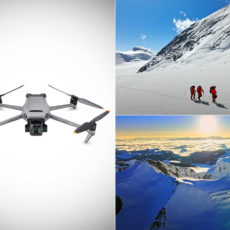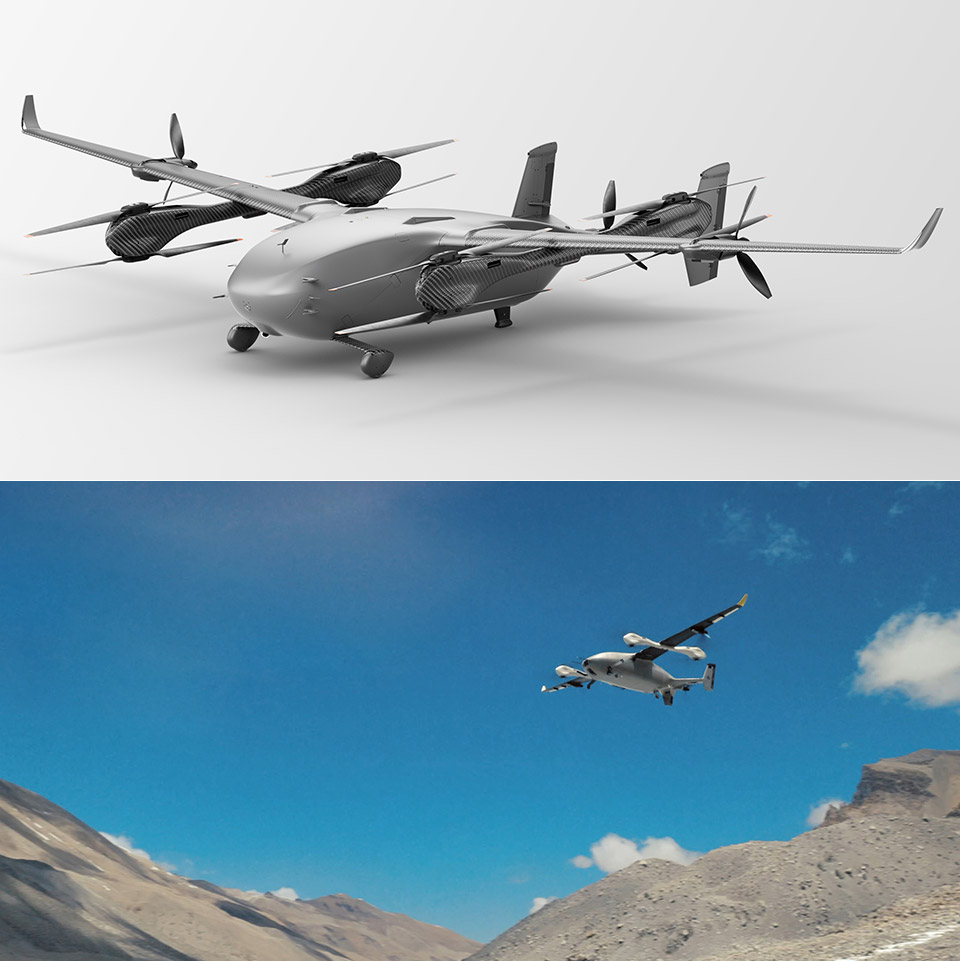
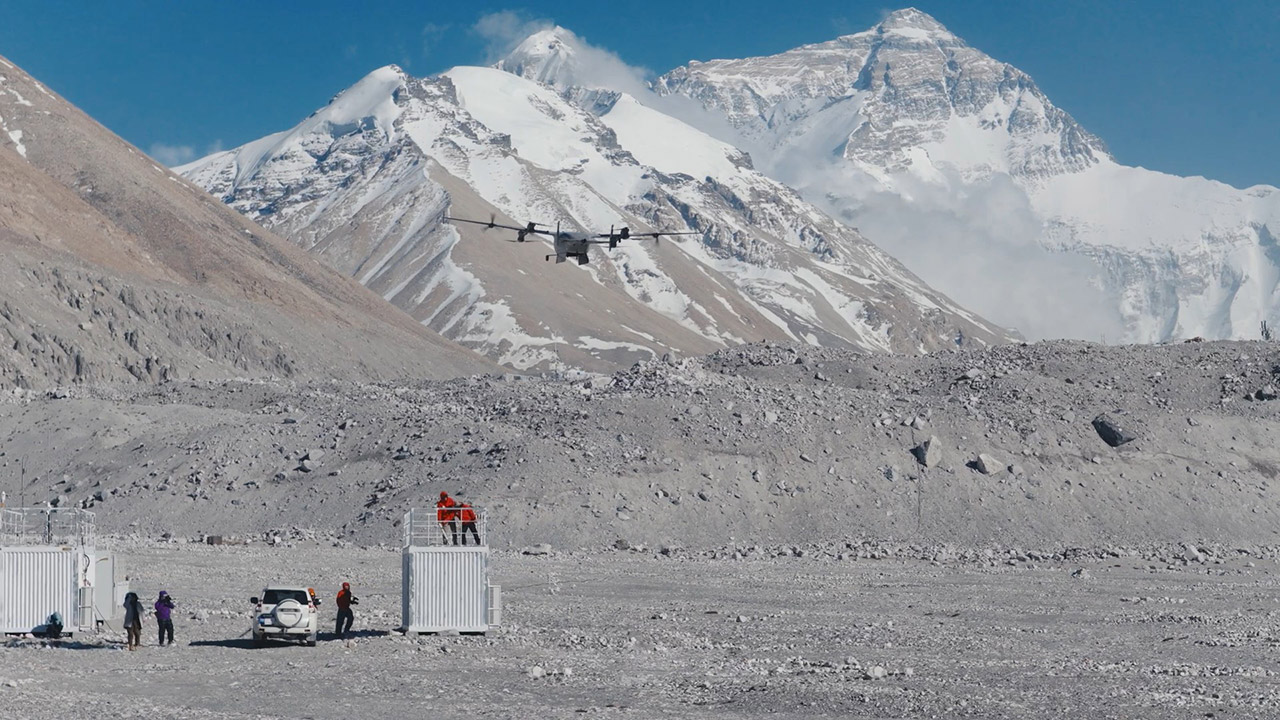
Engineers at DJI selected the north side of Mount Everest as the proving ground for their newest aircraft. The EV50 completed multiple flights that carried research equipment well above the famous peak during the spring 2026 climbing season.
DJI has just introduced the EV50, its first fixed-wing eVTOL cargo drone. A total of eight rotors enable the device to lift off and land vertically from a rough stretch of ground or a tight position. When it has enough lift to switch to classic wing-borne flight, three little propellers at the back engage to propel it forward. All of this suggests that the drone can make deliveries deep in the jungle before staying aloft for extended periods of time to cover longer distances. The cargo hold can take up to 50 kg and is a suitable 270-liter size. Without a load, it can fly for up to 150 kilometers at speeds exceeding 160 kilometers per hour, which is rather fast for a drone of its size, and because the batteries are duplicated, four in total, you have some wiggle room if something goes wrong.

- Due to platform compatibility issue, the DJI Fly app has been removed from Google Play. DJI Neo must be activated in the DJI Fly App, to ensure a...
- Lightweight and Regulation Friendly - At just 135g, this drone with camera for adults 4K may be even lighter than your phone and does not require FAA...
- Palm Takeoff & Landing, Go Controller-Free [1] - Neo takes off from your hand with just a push of a button. The safe and easy operation of this drone...
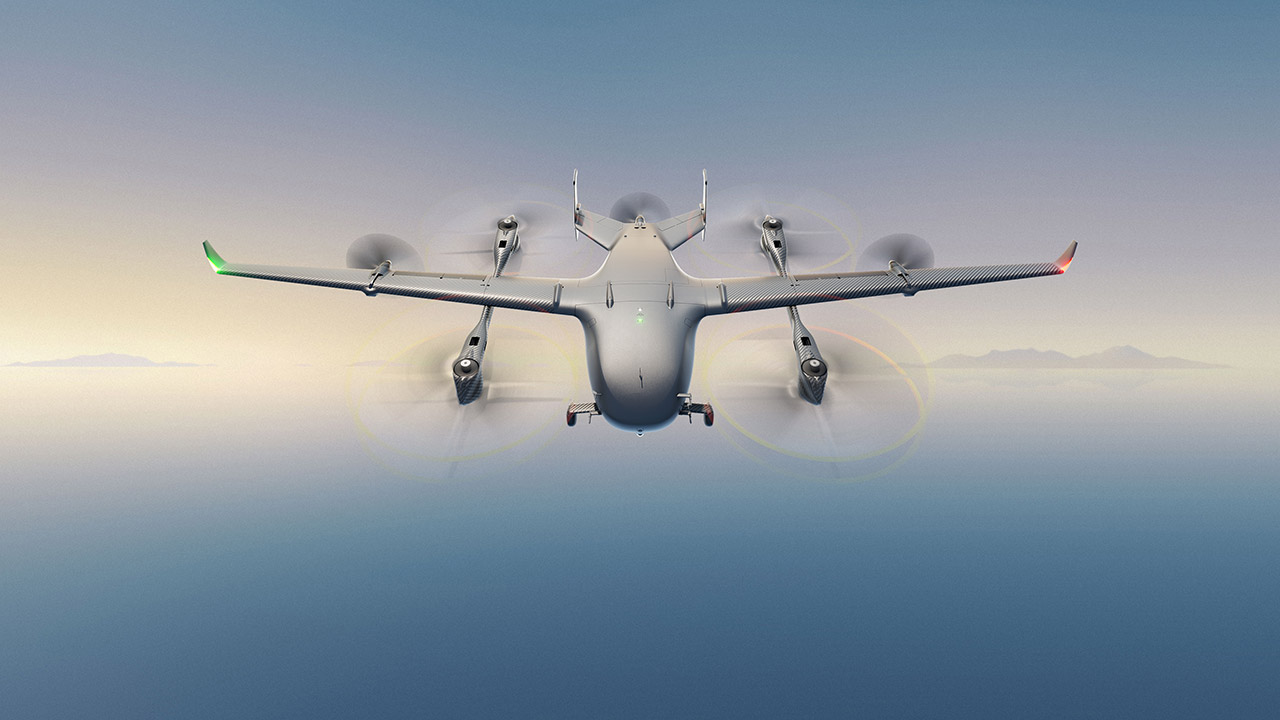
They tested the drone in the Himalayas, where it flew twelve transport flights over a twelve-day period from a base camp roughly 5,200 meters high. It soared an incredible 3,730 meters in one go, reaching a peak of 8,861 meters before leaping approximately twelve meters past Everest’s summit. A Peking University research team used the EV50 to collect atmospheric samples. They attached an ozone detector to the drone and sent it on many return journeys. Flying in a spiral and then retracing allowed them to collect some useful data despite the fluctuating winds and poor oxygen levels at those altitudes. It is worth noting that this was the first time a university team conducted continuous observations with a drone in that zone.
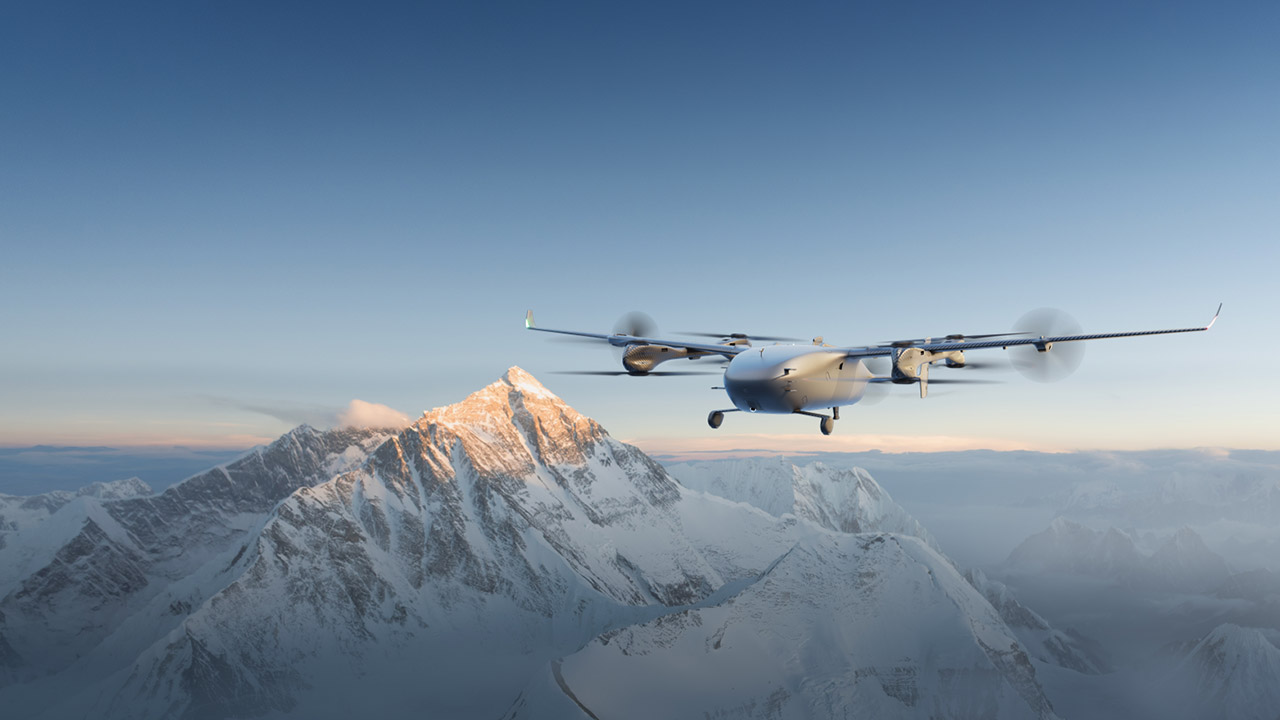
Flying high up is exceedingly challenging, with thin air reducing lift and severe mountain winds creating turbulence left, right, and center. However, the EV50 handled it all with astonishing ease, flying steady and true even when the winds were howling, and because it’s all electric propulsion, there’s no need to worry about fuel systems or weather balloons in such a remote location, which is a game changer.
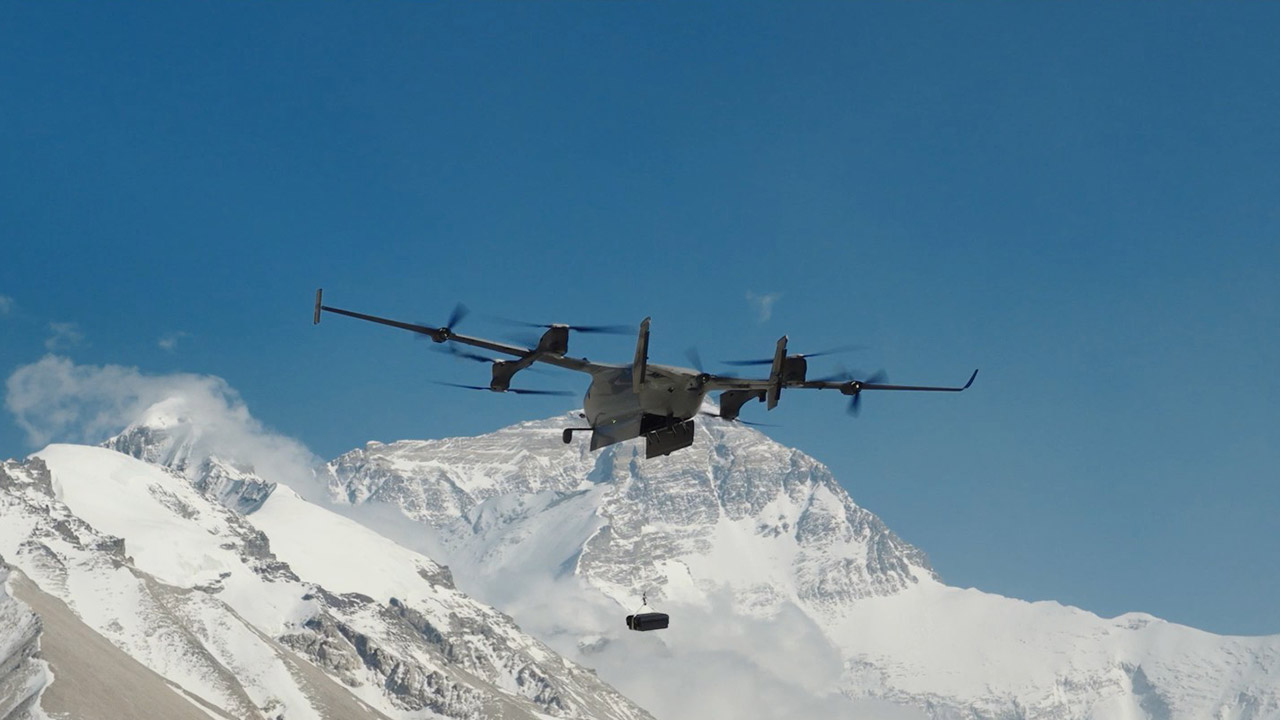
DJI has already used multirotor models for shorter deliveries on Everest, so this is not the first time they have been involved in drone activities there. The EV50 is the next step in that adventure, allowing you to fly longer and higher. If the most recent high-altitude testing are any indication, they show what is possible when you genuinely push the boundaries of what drones can do. The EV50 is already gaining traction, promising a slew of new applications in mountain logistics, disaster relief supply distribution, and continuous environmental monitoring.
When it comes to locations without proper roads or runways, the possibilities are endless, since there is now a new way to get products in and out that human planes or ground workers simply cannot match. DJI released the EV50 the day after the high-altitude trials ended, and it’s clear that the EV50 has some serious power. The trials clearly show that it is capable of accomplishing things that others find challenging. The main question now is, what’s next for this type of technology?