
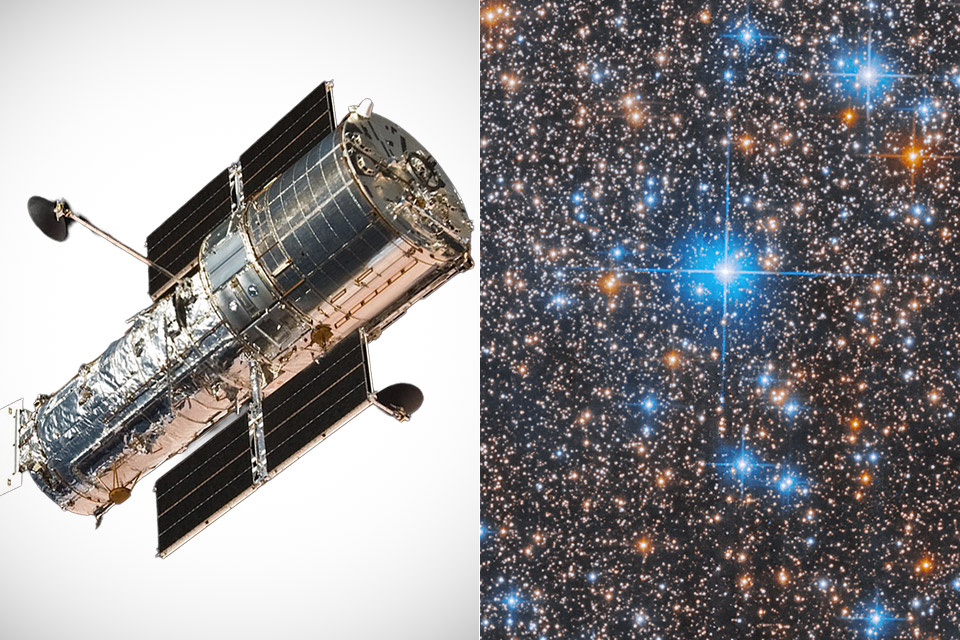
An expanse of stars fills these new Hubble Space Telescope frames, packed so tightly that individual points of light crowd nearly every corner of the view. The shots target a slice of sky aimed toward the galactic bulge, the rounded concentration of stars that wraps around the center of the Milky Way’s disk. Astronomers turned the telescope there specifically so the resulting catalog of stars can sit ready when the Nancy Grace Roman Space Telescope begins its own repeated looks at the same neighborhood.
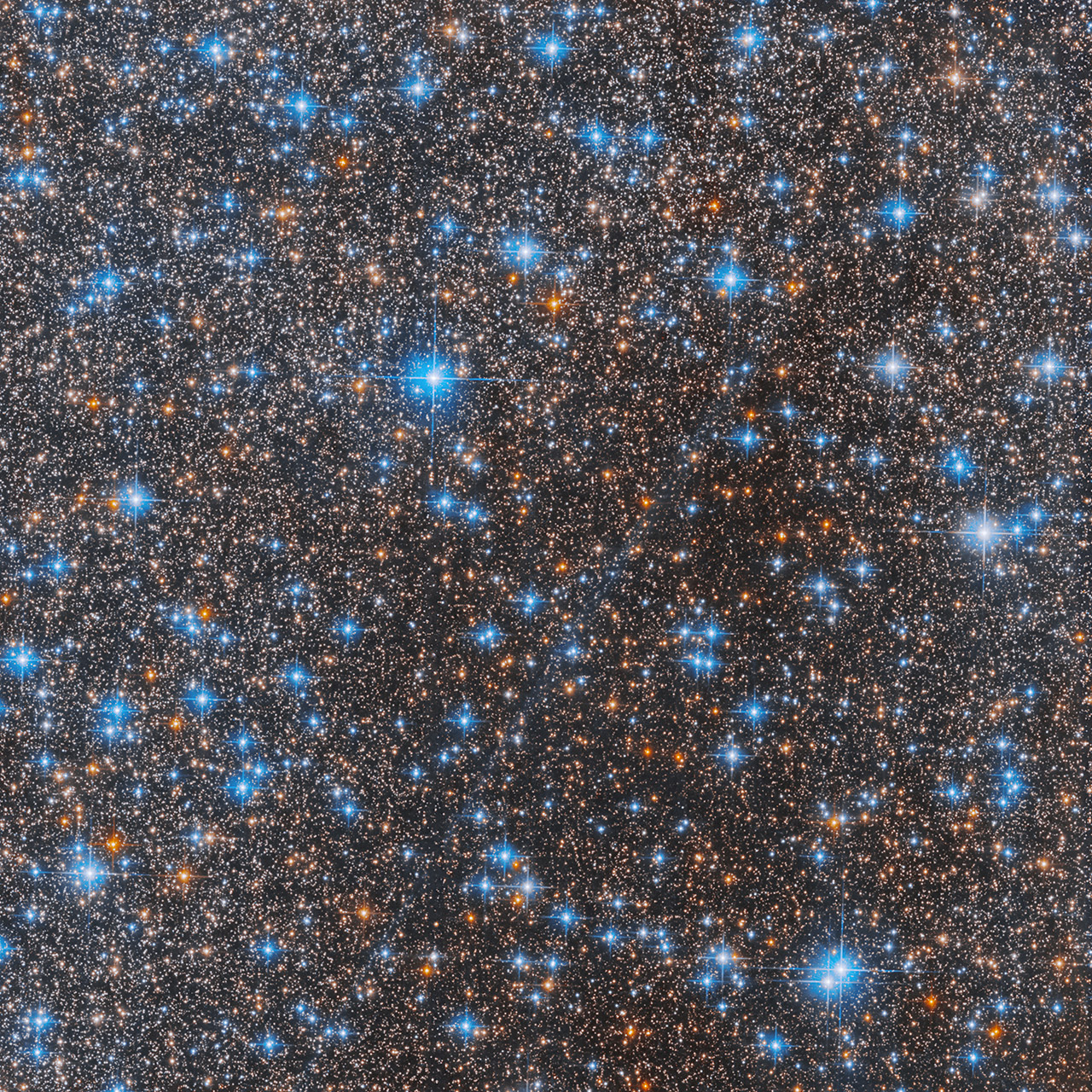
Almost a fourth of all the stars in our galaxy are condensed into that central bulge. Because it is so close to other galaxies, we can see individual stars rather than a large hazy blob. However, as with many locations in space, much of it is buried in dust, making it difficult to view with visible light, so Hubble captured the picture in the longer wavelengths that Roman can also capture. This should make things much easier when Roman starts giving back bigger images and we can compare the two, since it will be like having a roadmap in there.

- EXPLORE THE HUBBLE SPACE TELESCOPE – Celebrate one of humanity’s greatest scientific feats while enjoying a relaxing building experience with the...
- REPLICA SPACE MODEL – Recreate the legendary space-based telescope with posable solar arrays and antennas, an opening aperture door and a detailed...
- AUTHENTIC DETAILS – Remove the exterior panels to reveal a detailed instrument bay, which features gyroscopes alongside primary and secondary...
Roman’s Galactic Bulge Time-Domain Survey will return to nearly the same piece of sky every 12 minutes, similar to an exceedingly detailed long-exposure shot, for vast portions of the year. That’s a cadence designed precisely to capture the fleeting glints of light that appear when a foreground star or planet passes directly in front of a more distant one. When this alignment occurs, the light bends, and for a few hours to a few days, we may see planets orbiting far away from their stars, as well as free floating worlds, neutron stars, and so on.
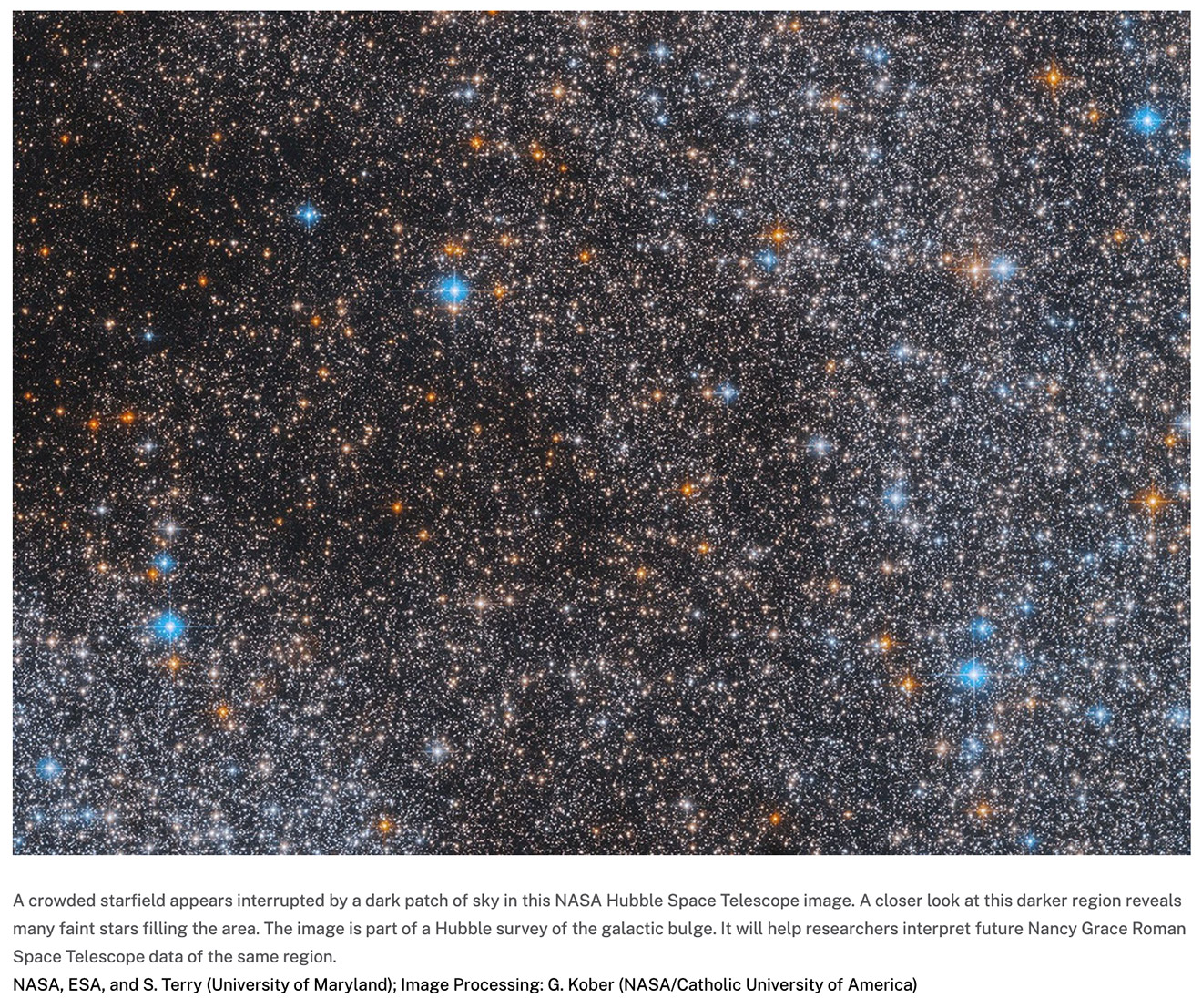
This is conceivable because Hubble has already acquired a high-resolution image of the same patch of sky. Sean Terry and his team built the Hubble program, 17776, specifically to facilitate such discoveries. They needed to capture a decent baseline image, so they looked at the same bulge with Hubble’s Advanced Camera for Surveys earlier, as well as 180,000 stars in total. They knew this location was a hotspot for identifying planets like this from their previous work with the Sagittarius Window Eclipsing Extrasolar Planet Search.
This time, Hubble has obtained even better photos, having examined a greater portion of the area Roman will someday cover, and they estimate to end out with a catalog including anything from 20 to 30 million stars. Roman will be able to extend it much further, to between 200 and 300 million point sources. They anticipate to see some of the finest photographs of a specific area of the sky.
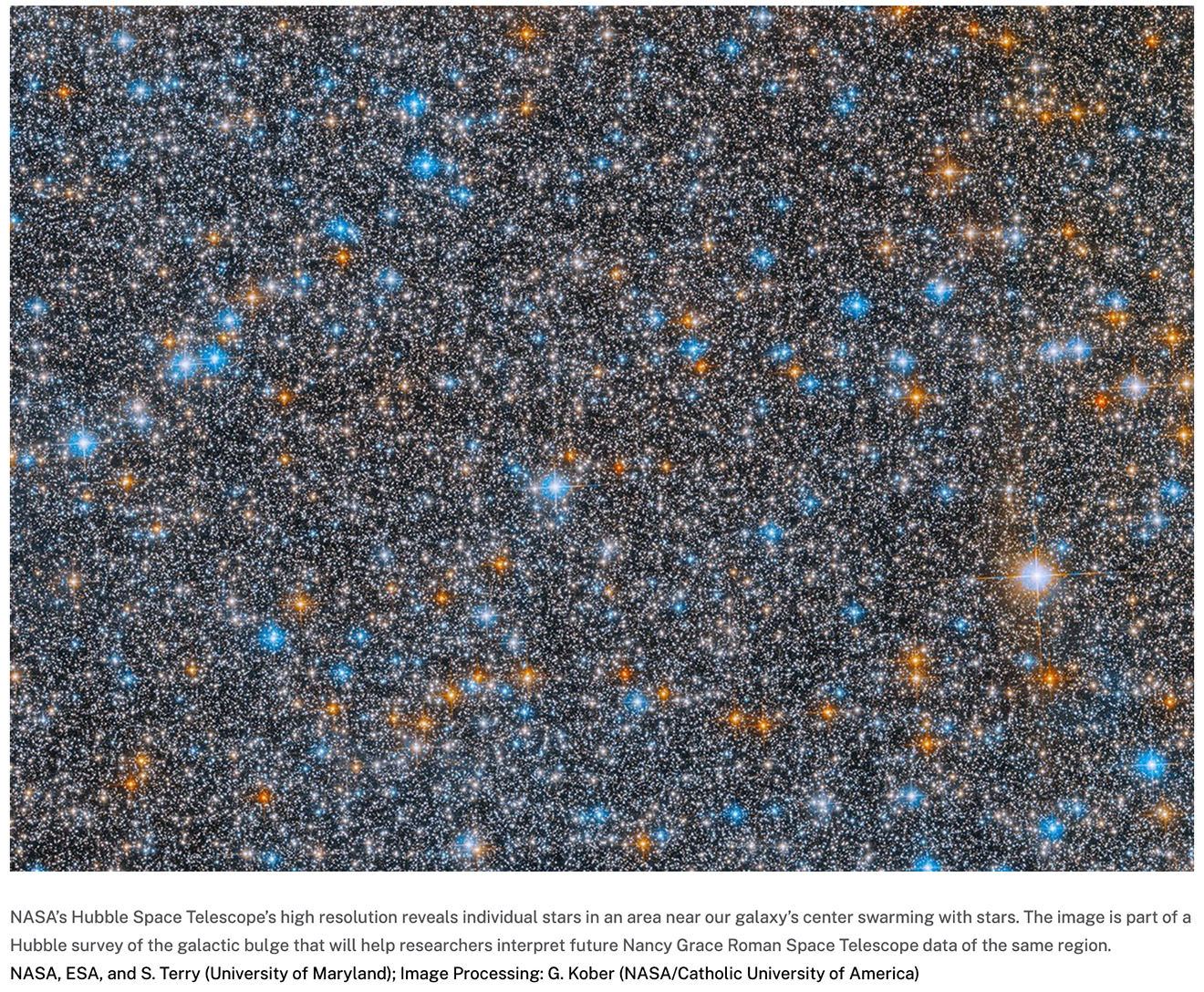
As soon as Roman begins sending us images, they will be combined with Hubble images, allowing us to track the movement of the stars over time, see how a bit of dust affects the brightness of the stars, and even get a better idea of the actual mass of some of the objects causing the microlensing events. Essentially, we can use this to estimate a planet’s mass. Previously, we could only tell how much it was relative to its sun. Now, we can give a more accurate number based on what we know about the host star from earlier images.