
You’ve seen the Jack-o’-Lantern Nebula, now check out Hubble’s image of NGC 1333, which some astronomers consider a festive Halloween-like stellar cauldron. It’s located approximately 960 light-years away, near the edge of the Perseus molecular cloud, the latter of which is a young region of cold hydrogen embedded with a firestorm of star-birth.
Hubble had to peer through a veil of dust on the edge of a giant cloud of cold molecular hydrogen, or the raw material for fabricating new stars and planets under the relentless pull of gravity, to. capture this image. This image shows exactly why star formation is a messy process in our rambunctious universe.

- NASA rocket model kit – Launch into a creative project with the LEGO Icons NASA Artemis Space Launch System model building project for adult space...
- What’s in the box? – This creative building set includes everything you need to craft a multistage rocket with 2 solid-fuel boosters, an Orion...
- Features and Functions – This NASA-themed rocket model features retractable launch tower umbilicals, rocket support and crew bridge, detachable...
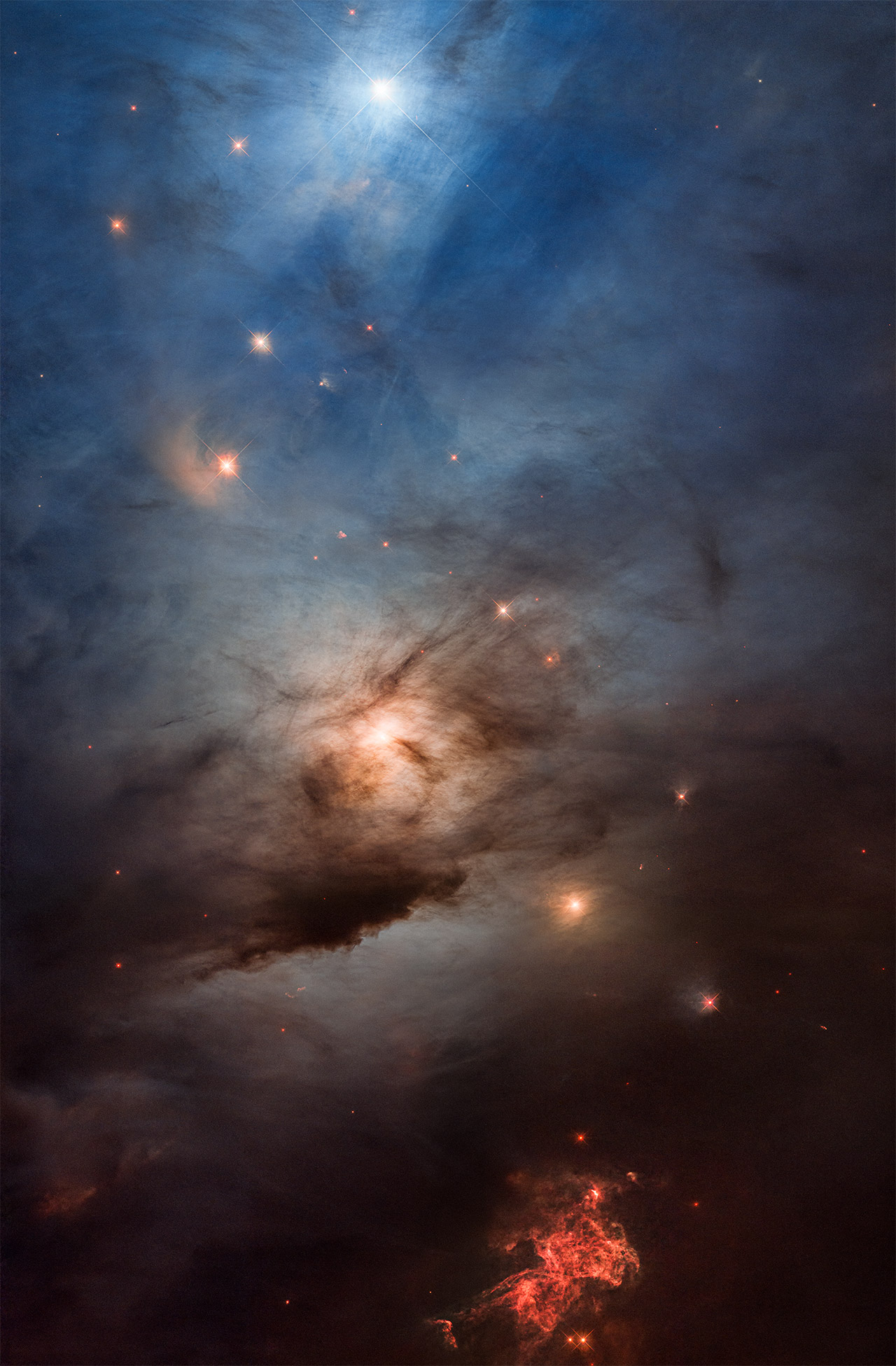
This view offers an example of the time when our Sun and planets formed inside such a dusty molecular cloud, 4.6 billion years ago. Our Sun didn’t form in isolation but was instead embedded inside a mosh pit of frantic stellar birth, perhaps even more energetic and massive than NGC 1333,” said the ESA.