
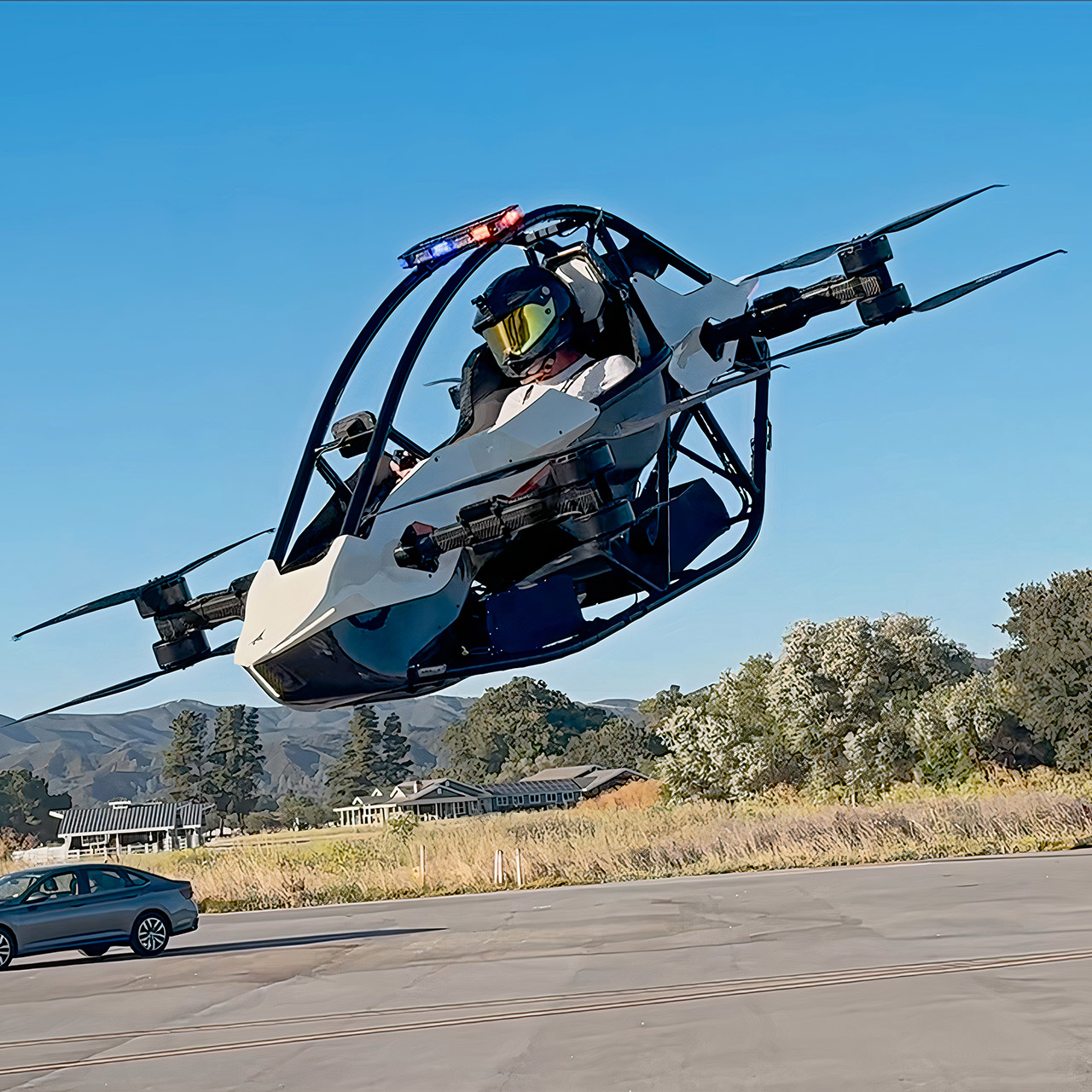
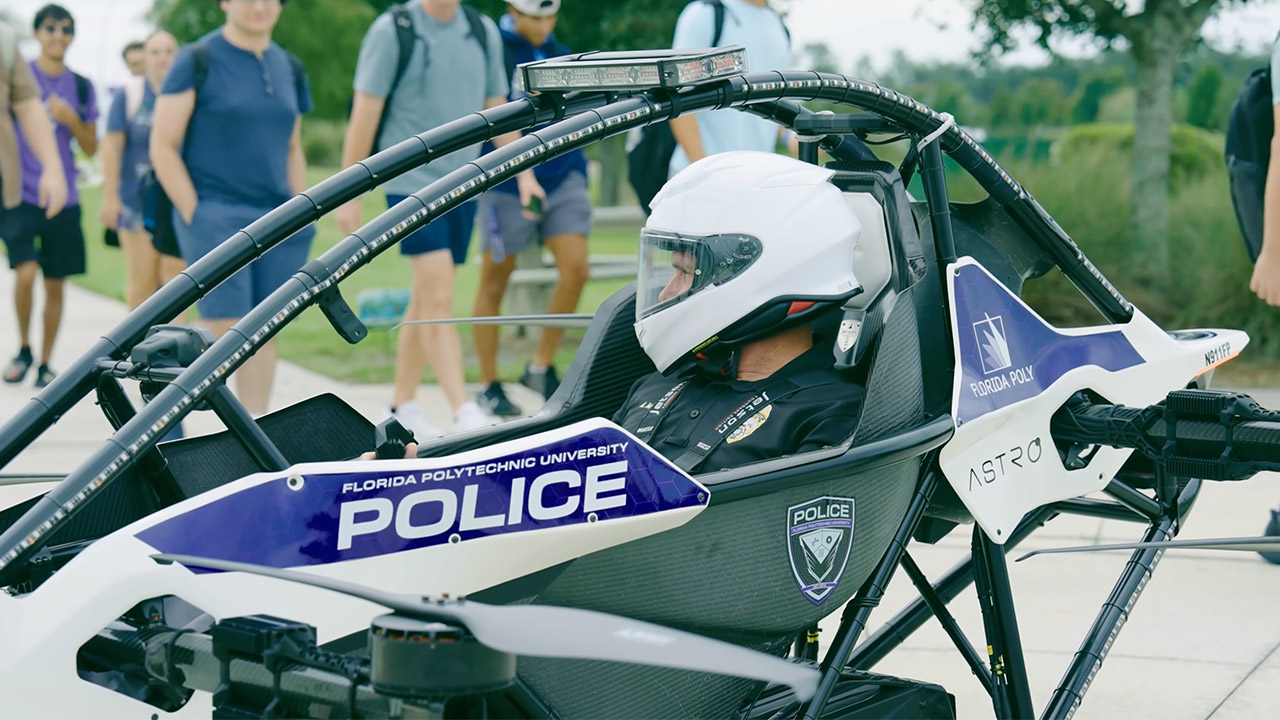
Florida Polytechnic University’s police department took delivery of a single-seat electric aircraft this summer and painted it in school colors with “Police” markings along the frame. Officers, including Chief Aaron Murray, completed training on the machine, which carries the registration N911FP and the nickname Astro. The name nods both to astronomy and to the dog that flew around in the old Jetsons cartoons.
Jetson, the California-based company behind the aircraft, moved Florida Poly to the top of a three-year waiting list for their Jetson One ultralight because the school is a science and engineering powerhouse, and the department wanted to put the thing through its paces in a real-world public safety scenario. Jetson’s CEO, Stéphan D’haene, notes that the firm has been seeking for methods to put their aircraft to work beyond the typical weekend flying hobby, and this project was a no-brainer in that aspect.

- No Registration Needed - Under 249 g, this drone with camera for adults 4K does not require FAA registration or Remote ID for recreational use. Visit...
- 4K Ultra HD & 3-Axis Gimbal for Cinematic Quality Shooting - Capture stunning moments in any light—sunrises, sunsets, and night scenes with...
- 38kph (Level 5) Wind Resistant - This drone for adults has a stable flight even in Level 5 winds. Brushless motors enhance power and allow takeoff at...
The Astro is a Jetson One, a superlight aircraft that takes off and lands vertically using eight electric engines and propellers. Jetson claims a top speed of 63 mph, albeit this is limited by software, and a flight time of approximately 20 minutes each charge. It weighs about 253 pounds with the batteries fitted and can carry a pilot weighing up to 210 pounds. A ballistic parachute, the capacity to stay aloft even if one motor fails, and an autonomous landing mode are all standard safety features. Florida Poly paid slightly under $150,000 for the thing.
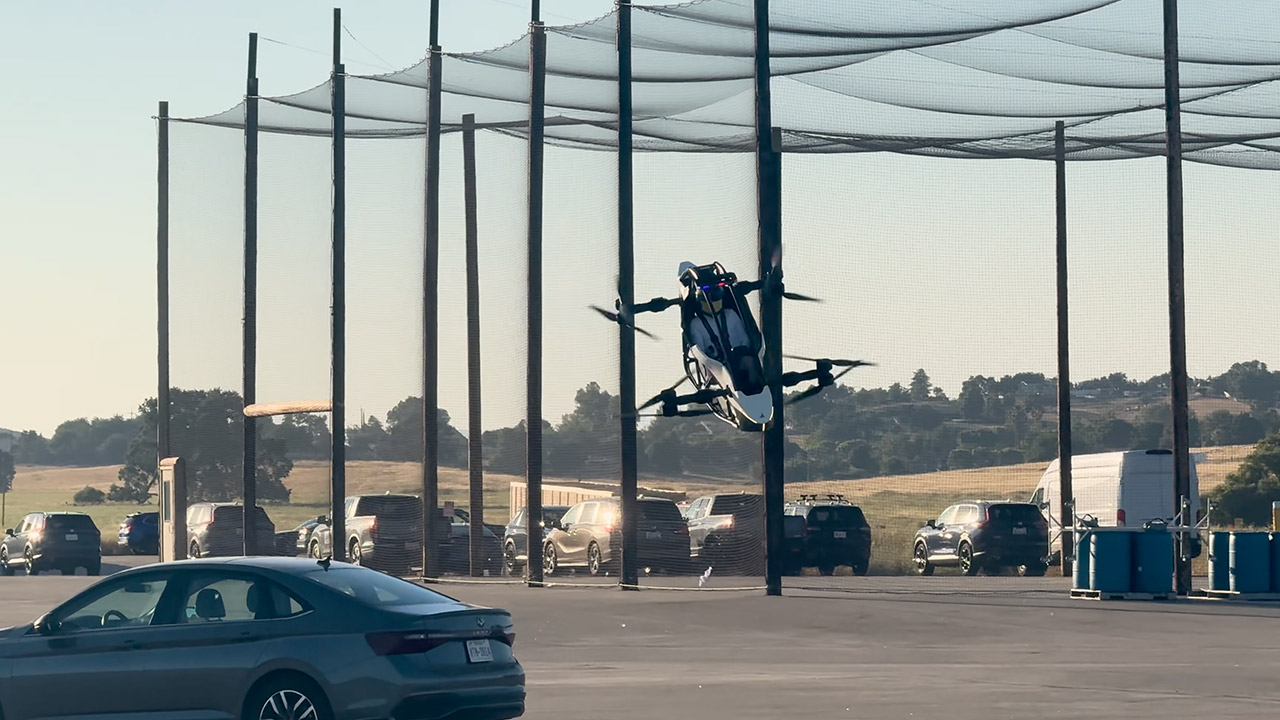
The goal is to use it for campus security checks, tracking down missing people, and transporting supplies after bad weather causes road closures. They also want to share it with other local authorities so that they can work on bigger disaster response issues. Captain Murray says they’re trying to learn from this item how it may improve public safety, and possibly airspace safety, rather than waiting for the technology to become widely available.
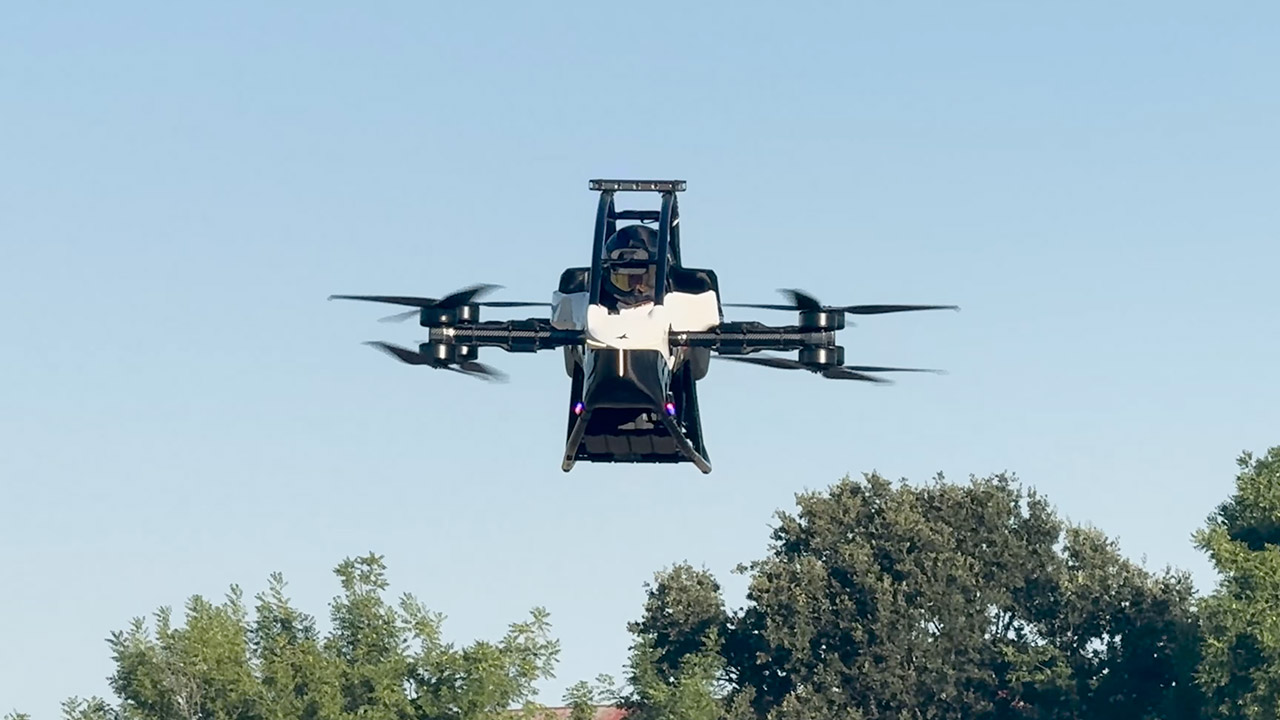
The FAA still needs to clear Astro for regular police use, and Florida Poly is currently trying to get the additional license required to run it as part of their official operations. Speaking of which, there is a designated test track for such aircraft just up the road at the SunTrax facility in Auburndale, and Florida is part of a larger federal program attempting to determine how these things can coexist safely with existing air traffic.
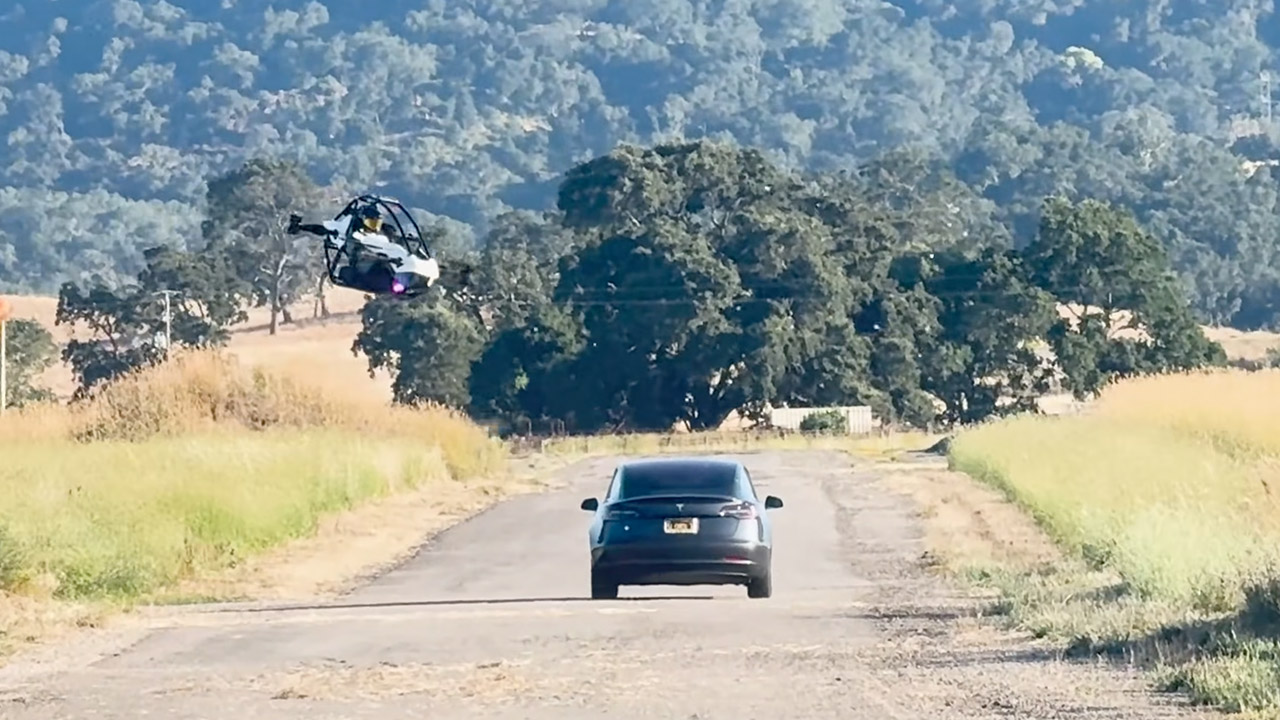
Then there’s the university’s new aerospace engineering program, which will provide students with access to all of the Astro’s flight data for their research projects and senior design work, giving them real-world numbers on how an electric aircraft behaves over campus rather than relying solely on lab simulations.
Jetson has already trained over 125 pilots and deployed aircraft to operators across four continents. Palmer Luckey and several of its early clients have been flying their own Jetsons for more than a year. The Florida Poly order is significant because it is one of the first times a governmental organization has elected to put a personal electric aircraft through its paces in a true emergency response situation, rather than just for casual leisure flight.