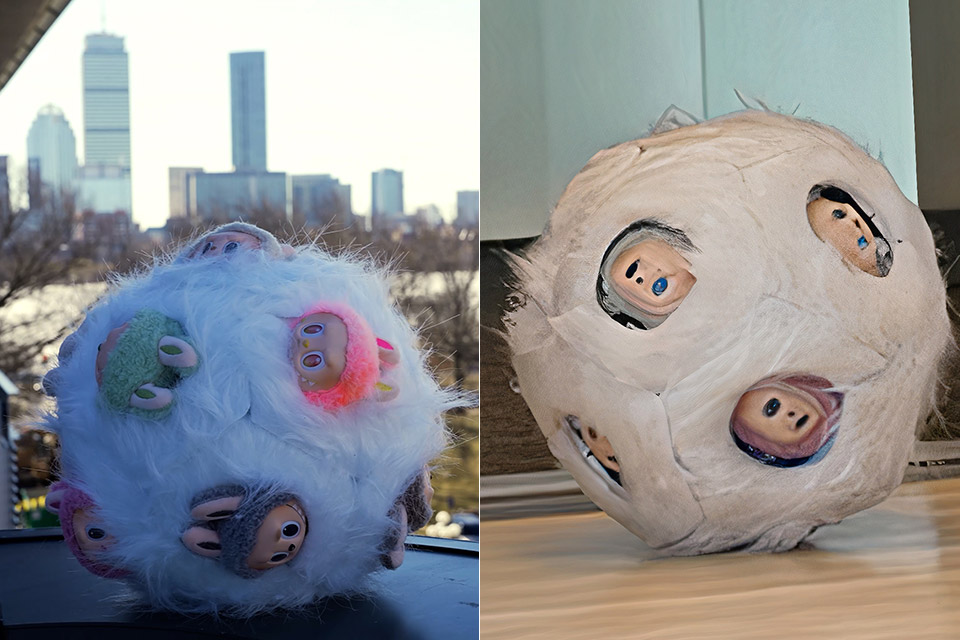
A dozen toothy grins stare out from every direction on a sphere the size of a beach ball. Soft fabric covers the outer shell while the heads shift and turn in coordinated waves. Labububot glides across flat surfaces, changes direction with a gentle tilt, and draws people closer just by moving.
Miranda Li, a graduate student in the Personal Robots group at the MIT Media Lab, spearheaded the research alongside Jake Read and Dimitar Dimitrov, both graduate students at the Center for Bits and Atoms. During a research residence in Shenzhen, China, all three of them collaborated. The goal was to create a robot that threw a wrench in our daily expectations about social robots and the types of things designers typically look for when creating them.

- POP MART THE MONSTERS Big into Energy Series-Vinyl Face Plush Blind Box: The blind box contains a random figure from a specific series. Each blind box...
- Random Design: Blind boxes are fully random and we cannot accept requests for specific items. There chances of getting the secret edition are usually...
- Ideal Gift Choice: These figures are the perfect gift for any occasion, be it Children's Day, Christmas, Halloween, Thanksgiving, or New Years. A...
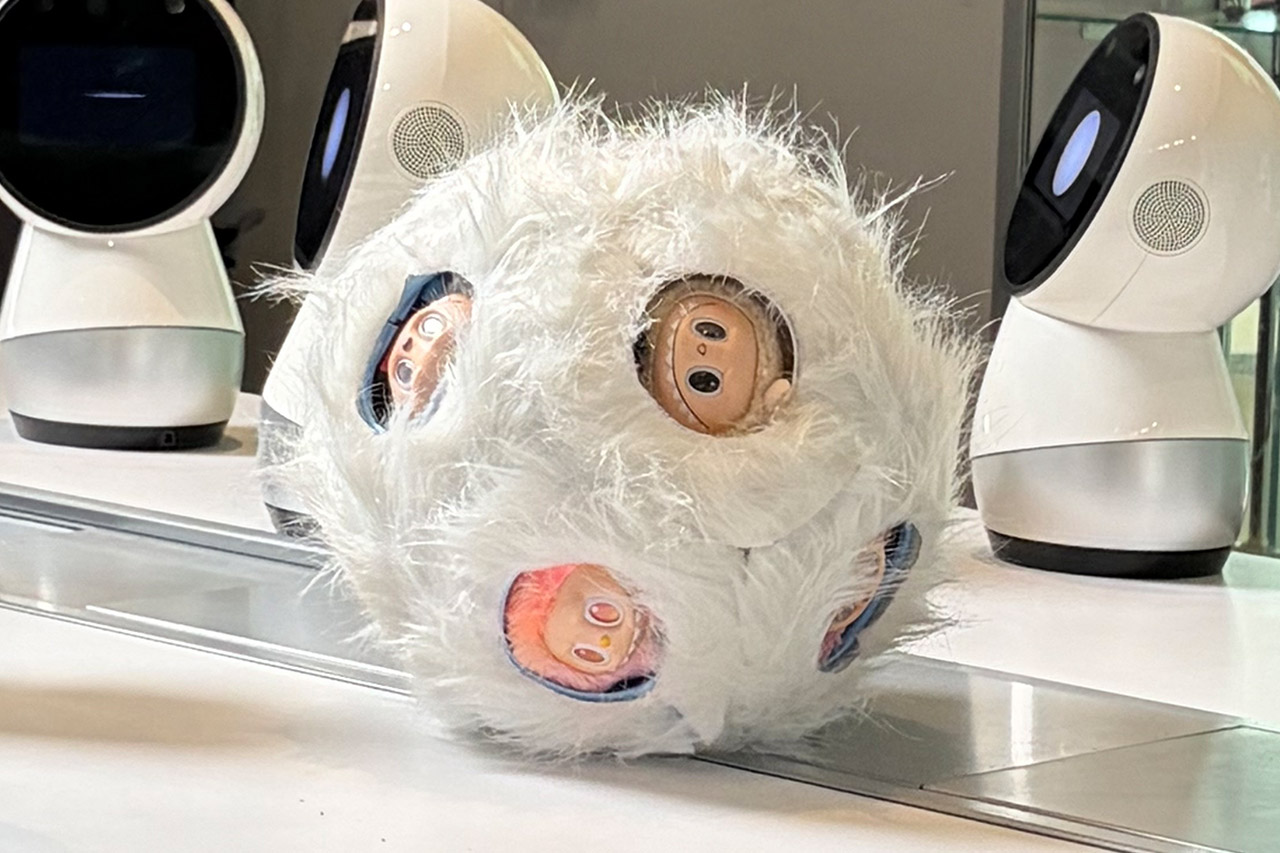
Labubu dolls happened to be the source of the parts. As it happens, they already have large eyes and pointy teeth in one face. The researchers removed the heads from a dozen of them and simply kept them, putting each on a short arm powered by its own servo motor. Two clamshell sections then cover the motors, cables, and other electronics, ensuring that there is adequate room for the arms to swing freely. The heads are then locked in place at the correct angle using hot glue and precise screws, ensuring that all of the ears and expressions line up perfectly.
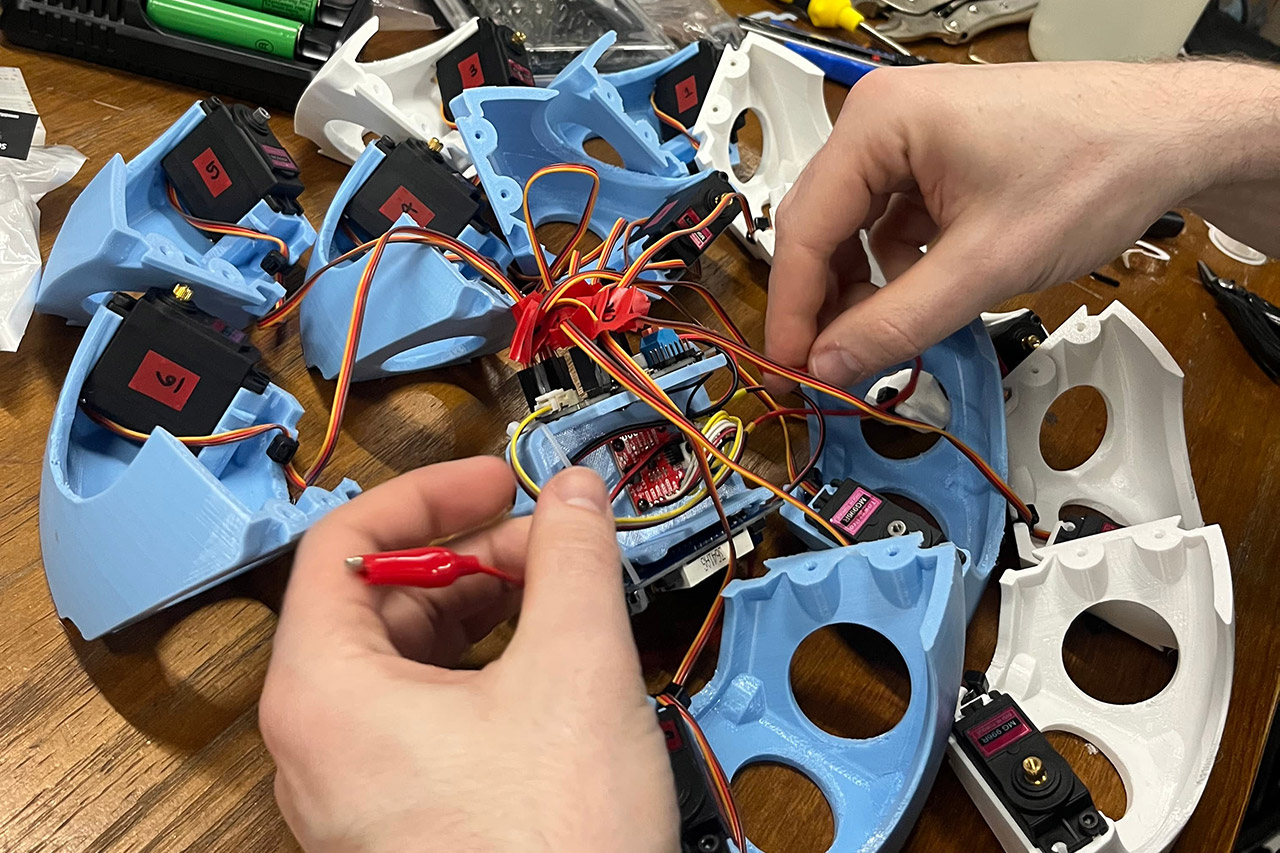
Coordinated servo movement keeps the entire robot moving while the twelve arms extend or retract in patterns that spin, turn, or come to a complete halt. All while keeping an eye on its orientation, the robot is constantly assessing its tilt, rotation, and direction using an inbuilt sensor.Commands are transmitted wirelessly via a phone or laptop, and a web page may be used as a control panel, allowing users to trigger precise head motions or let the robot roam freely.
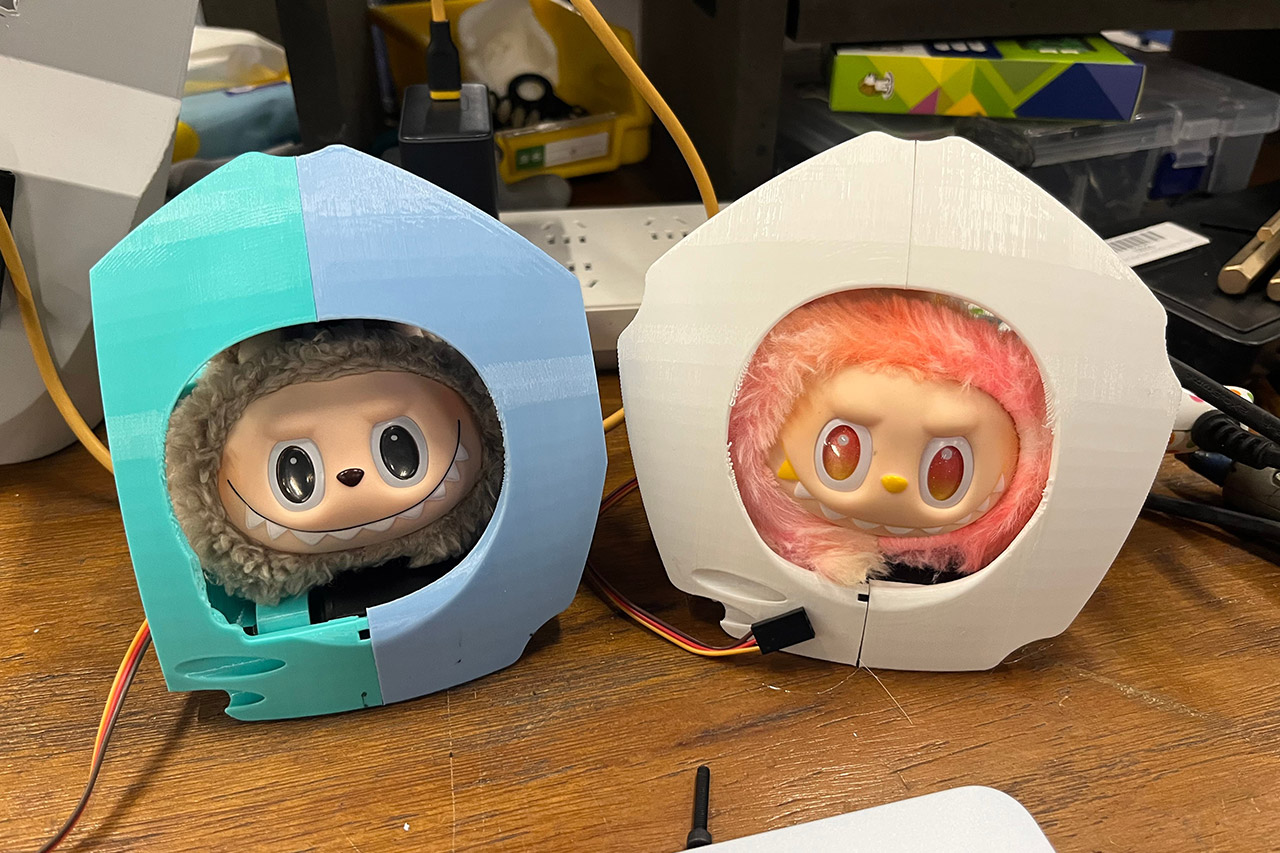
Inside the clamshell, an ESP32 board handles all of the day-to-day functions. However, it is the other board, the driver board, that sends all of the accurate signals to the 12 servos at the same time, followed by the sensor, which sends over all of the motion data in real time. The battery power keeps everything running for as long as you need it to. The code installed onto the board handles sensor readings, motor timing, and wireless signals, ensuring that the entire system reacts quickly and smoothly.