Lockheed’s Skunk Works has always worked in the shadows, creating aircraft that change the skies. The Vectis drone is their latest announcement, a sleek, pilotless device that was developed over decades of secret innovation and internal funding.
Skunk Works didn’t wait for the government to approve it, the company that built the SR-71 Blackbird and the U-2 spy plane, invested its own money in Vectis. By the end of 2027, the first flight is imminent, teams are building components and parts have already been ordered. The division’s general manager and VP OJ Sanchez calls it more than just hardware, a new air power strategy that leverages the company’s experience in autonomous flight and fighter design. Timelines that used to take decades are now 2 years from concept to flight in this fast paced development environment.

- Due to platform compatibility issue, the DJI Fly app has been removed from Google Play. DJI Neo must be activated in the DJI Fly App, to ensure a...
- Lightweight and Regulation Friendly - At just 135g, this drone with camera for adults 4K may be even lighter than your phone and does not require FAA...
- Palm Takeoff & Landing, Go Controller-Free [1] - Neo takes off from your hand with just a push of a button. The safe and easy operation of this drone...
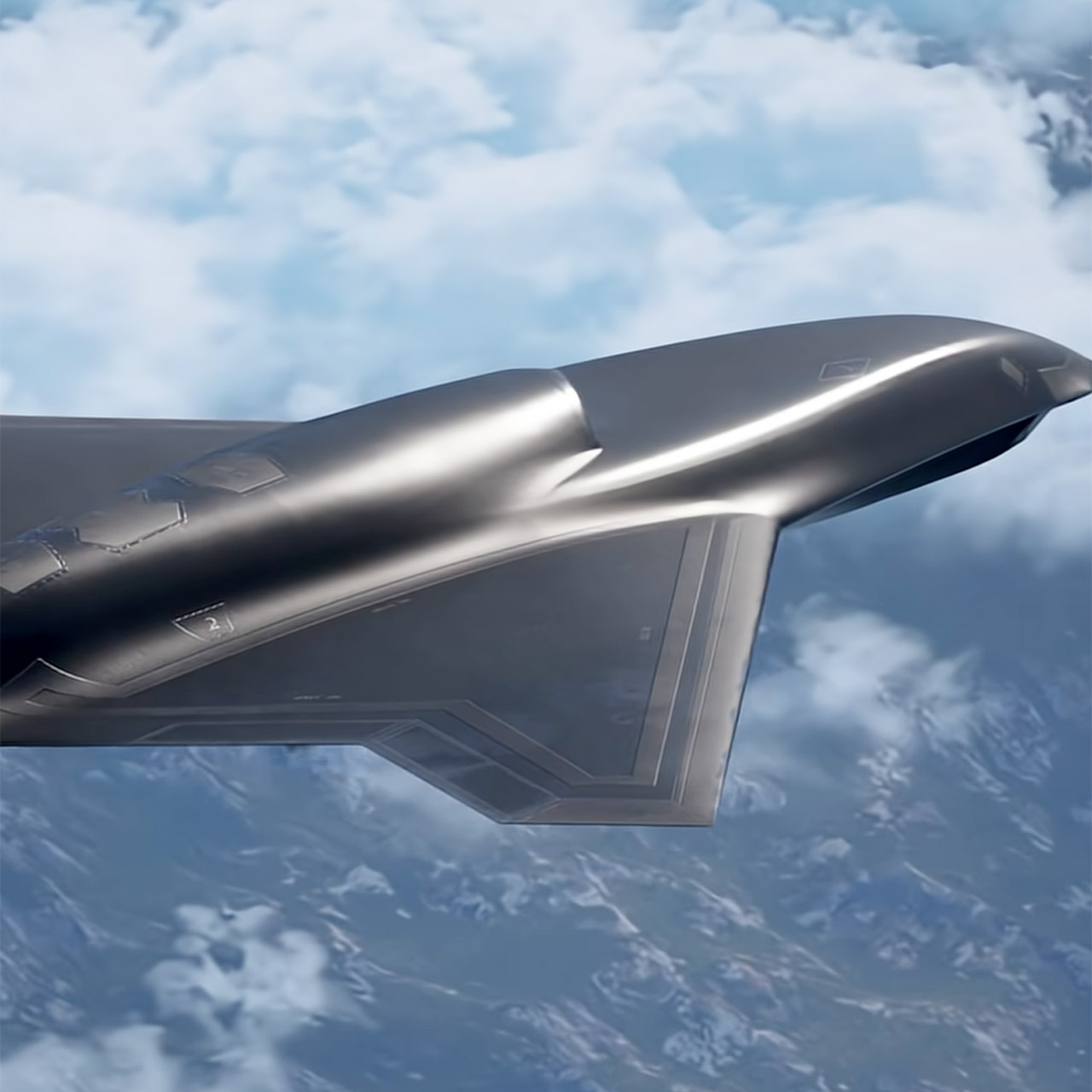
Vectis threads the needle between well known benchmarks in size. Almost 8 feet long it’s bigger than the Common Multi-Mission Truck drone which has a missile like design, but small enough to fit under an F-16 fighter jet’s 48 foot wingspan. It weighs over 1,320 pounds at takeoff and flies over 18,000 feet, high enough to avoid most land threats and keep up with modern jets. The DoD has classified it as a Group 5 unmanned vehicle. Forward fuselage chines even out airflow and conceal radar fingerprints, renderings show a tailless lambda wing slicing through the air. Engine inlets crown the top of the frame and exhaust upwards to conceal heat trails. It’s a low profile design that begs for stealth.
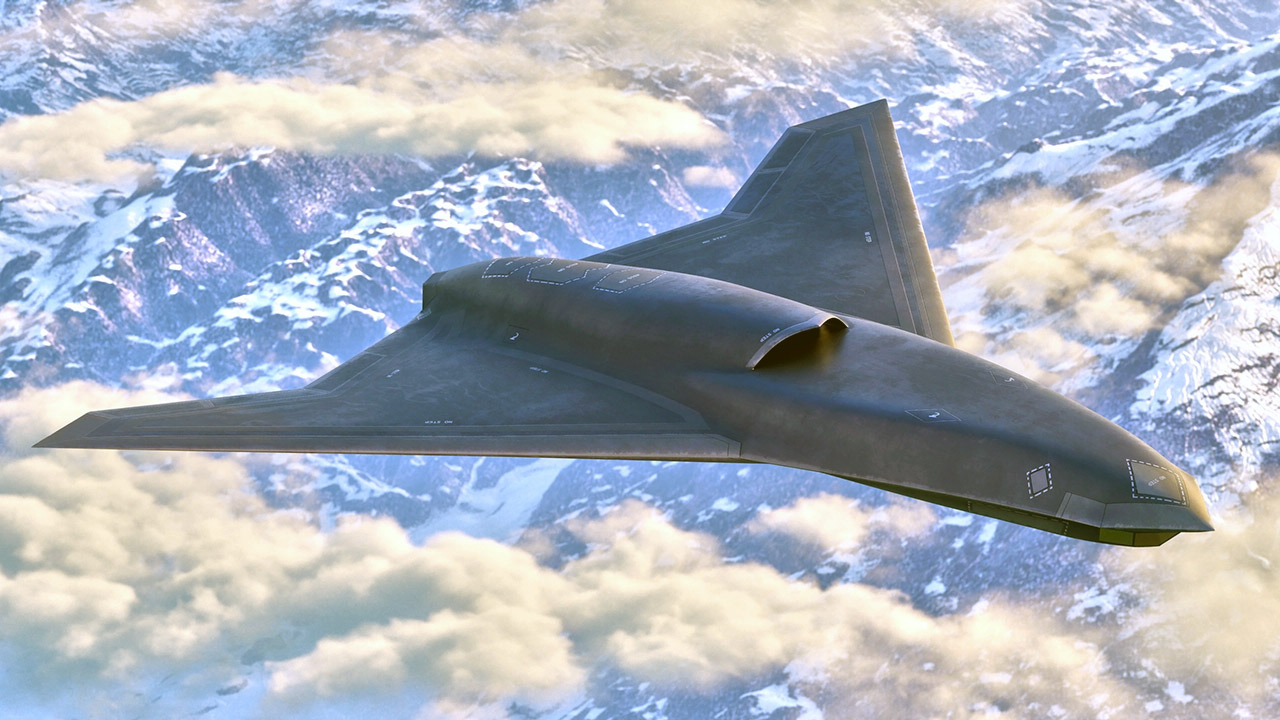
Vectis is stealthy, drawing on lessons from the F-117 Nighthawk and other aircraft. Wrapped in materials and shapes honed over centuries to evade sensors, Lockheed says it’s the most survivable in its class. Analysis shows subsonic is enough for its mission, so supersonic dashes aren’t on the horizon. But it keeps up with the F-35 and maneuvers through contested airspace with ease. The design is robust and simple—durable panels, quick access internal components for field repairs and a structure that can withstand rough handling in far forward bases—but for now runway takeoffs and landings are simple.
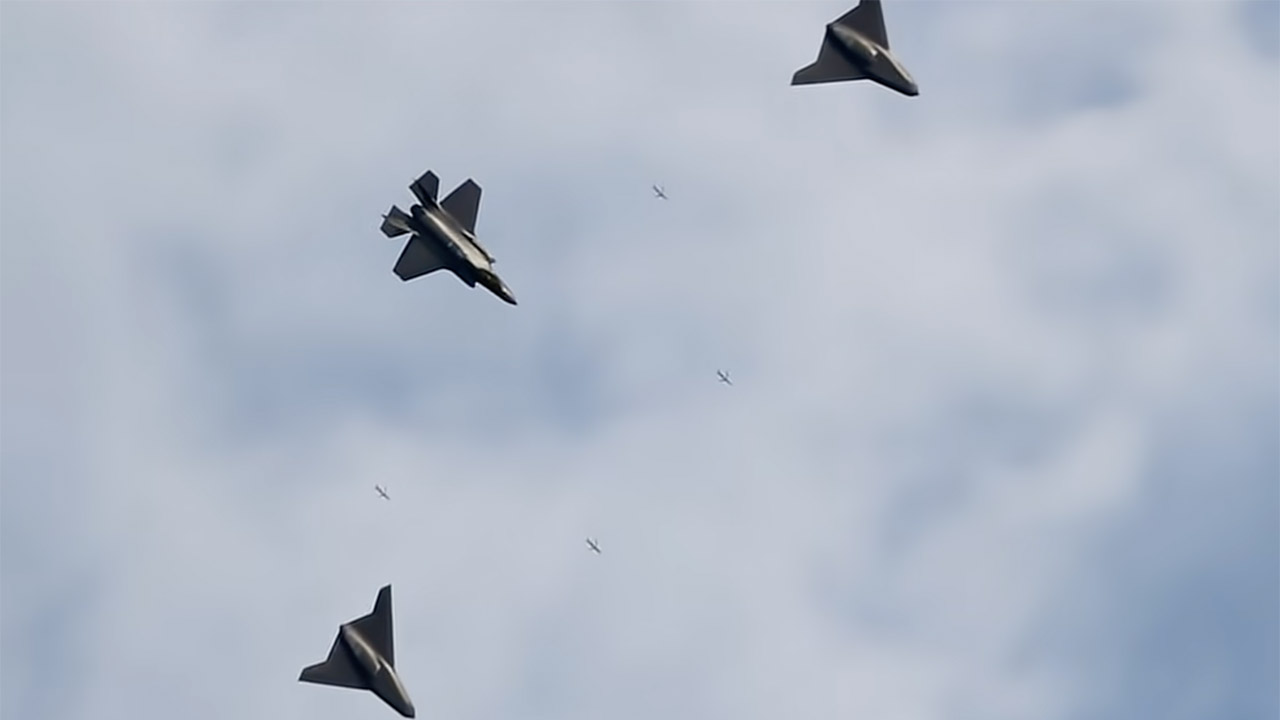
As it scouts or jams signals, pilots in F-35s or F-22s can cue it up as a wingman and send it real-time data. On its own it can eavesdrop on enemy conversations, deliver bombs guided by lasers, switch between air-to-air dogfights and ground strikes as needed. Sensor pods that mimic the F-35’s electro-optical targeting system and conformal antennas for cross-domain comms are hinted at in the renders. Although the exact payloads are unknown, missiles like the AGM-88 HARM anti-radiation seeker are swallowed by an internal bay. Endurance goes where manned planes don’t, across huge theaters like Central Command, the Indo-Pacific, and Europe’s borders.
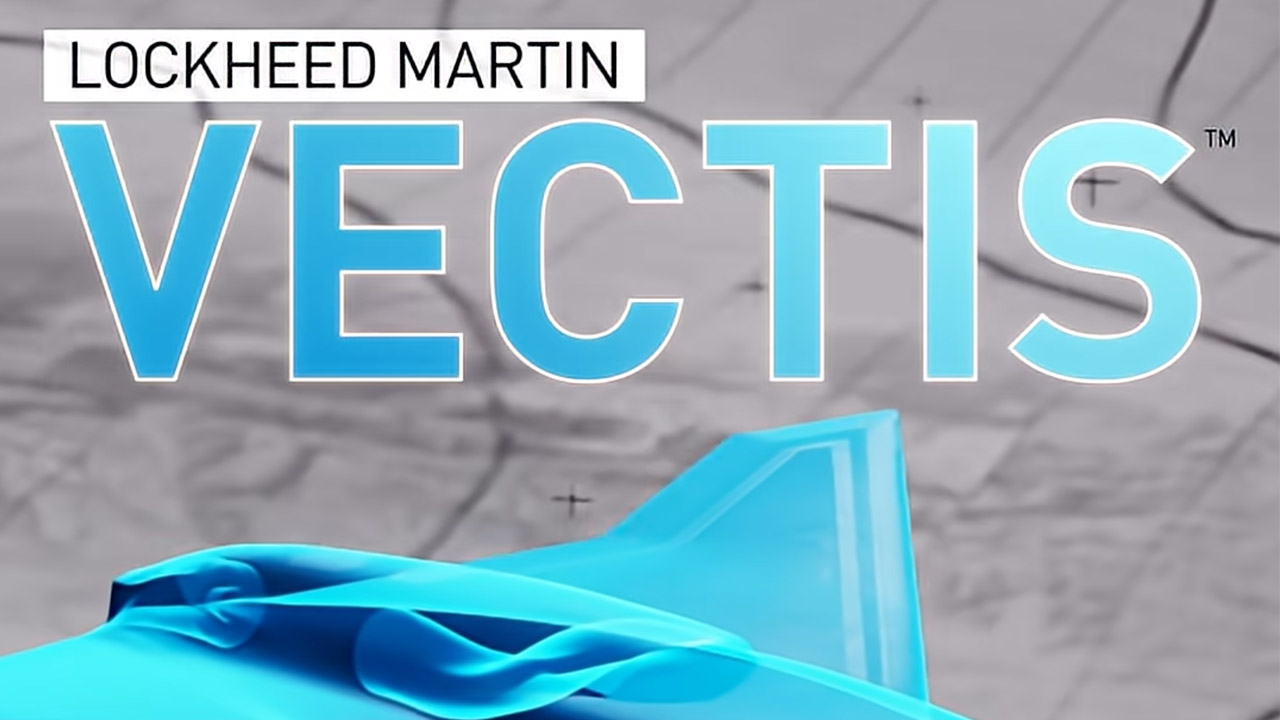
Vectis stands out for its endurance thanks to its open architecture which avoids the pitfalls of proprietary tech by using modular controls like the Mission Domain Control eXperience system that works with equipment from any manufacturer. The structure can be configured for daily training with squadrons or packed tight for surge deployments and governments can swap out sensors or software without having to start from scratch. Costs were reduced through automation and simulation-driven tuning resulting in a price that attracts fleets not one-offs which Sanchez calls the payoff of digital engineering.
It’s already been paired in simulations with 5th and 6th gen jets where the drone explores the blind spots miles ahead while a remote F-22 quarterback calls the plays. It can react in seconds through autonomy, detecting threats through battlespace fog and making adjustments without continuous human input. As the glue in a “family of systems” this performer amplifies manned jets and absorbs damage that no pilot should ever take. Lockheed used stealth sentinels like the RQ-170 Sentinel and tailless testbeds like the X-44 MANTA, along with new autonomous demos, to make Vectis a quick study for allies around the world.