Midjourney, the San Francisco crew famous for their artsy AI image tools, just stepped into video with the V1 Video Model. This image-to-video setup turns still pics into short, dreamy clips, throwing them into the ring with big names like Google’s Veo 3, OpenAI’s Sora, and Kling AI.
V1 plays to Midjourney’s strength in making images, so you start with a still—either one whipped up by their V7 model or a pic you upload yourself. Hit “Animate” on the web page, and it spits out four five-second clips at 480p and 24 frames per second. You can stretch those out in four-second chunks, up to 21 seconds max, giving a little room for a story to unfold. “Today’s Video workflow will be called ‘Image-to-Video’,” says Midjourney CEO David Holz in a blog post. “This means that you still make images in Midjourney, as normal, but now you can press ‘Animate’ to make them move.”

- NO WIRES, MORE FUN — Break free from cords. Game, play, exercise and explore immersive worlds — untethered and without limits.
- 2X GRAPHICAL PROCESSING POWER — Enjoy lightning-fast load times and next-gen graphics for smooth gaming powered by the SnapdragonTM XR2 Gen 2...
- EXPERIENCE VIRTUAL REALITY — Take gaming to a new level and blend virtual objects with your physical space to experience two worlds at once.
Users get two animation vibes to play with: automatic, which cooks up a “motion prompt” for random action, or manual, where you type out specific moves like “a character dancing in rain” or “camera panning across a cityscape.” Motion settings let you tweak the feel—go with “low motion” for quiet scenes like leaves fluttering or a character blinking, or ramp it to “high motion” for big camera swings or lively subjects, though that can sometimes glitch out visually. Holz calls it “fun, easy, beautiful, and affordable,” aiming to keep it fun and doable for creative types.
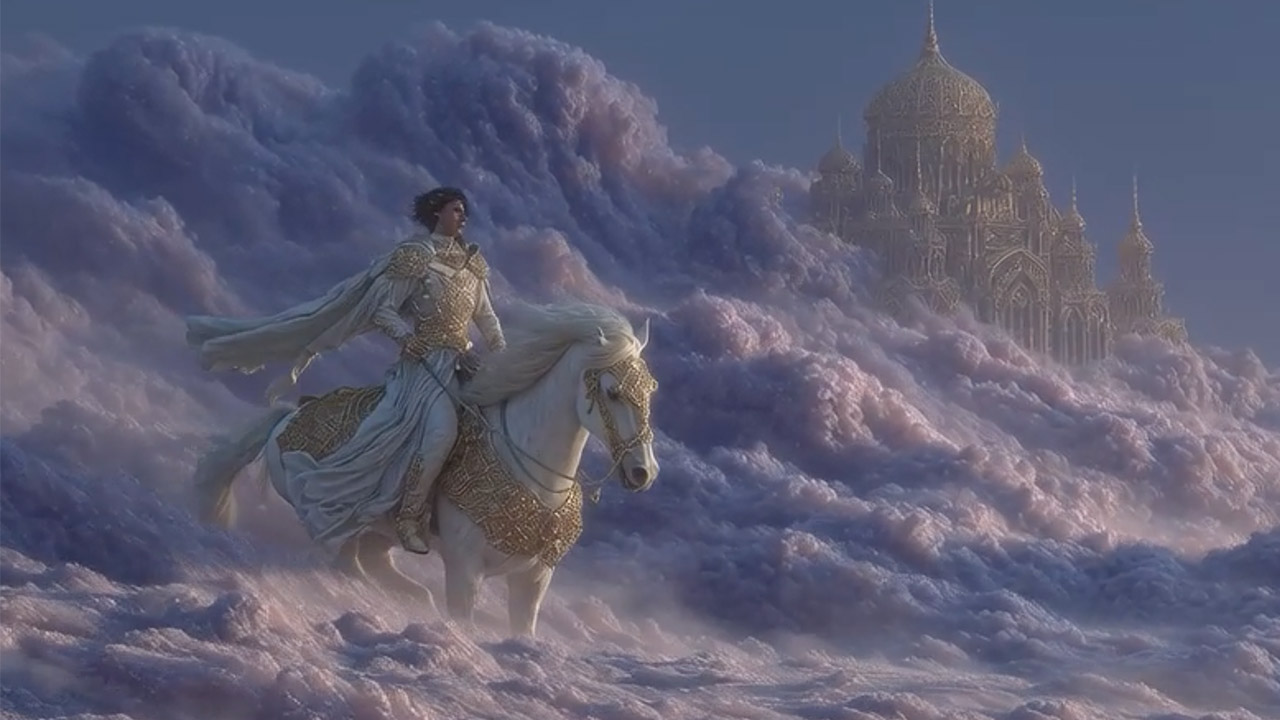
Right now, V1’s only on Midjourney’s web platform at launch, fitting snugly into their existing subscription plans, starting at $10 a month for the Basic tier. Video jobs cost more, though—each one gobbles up eight times the credits of an image job, about one credit per second of video. Midjourney boasts it’s “about 25 times cheaper” than the competition, showing off its budget-friendly vibe. For Pro and Mega plan folks ($60 and $120 monthly), there’s a “Video Relax Mode” that lines up jobs for a slower pace, saving those quick-minute slots. Holz admits the pricing’s a bit tricky, saying, “The actual costs to produce these models and the prices we charge for them are challenging to predict. We’ll adjust everything to ensure that we’re operating a sustainable business.”
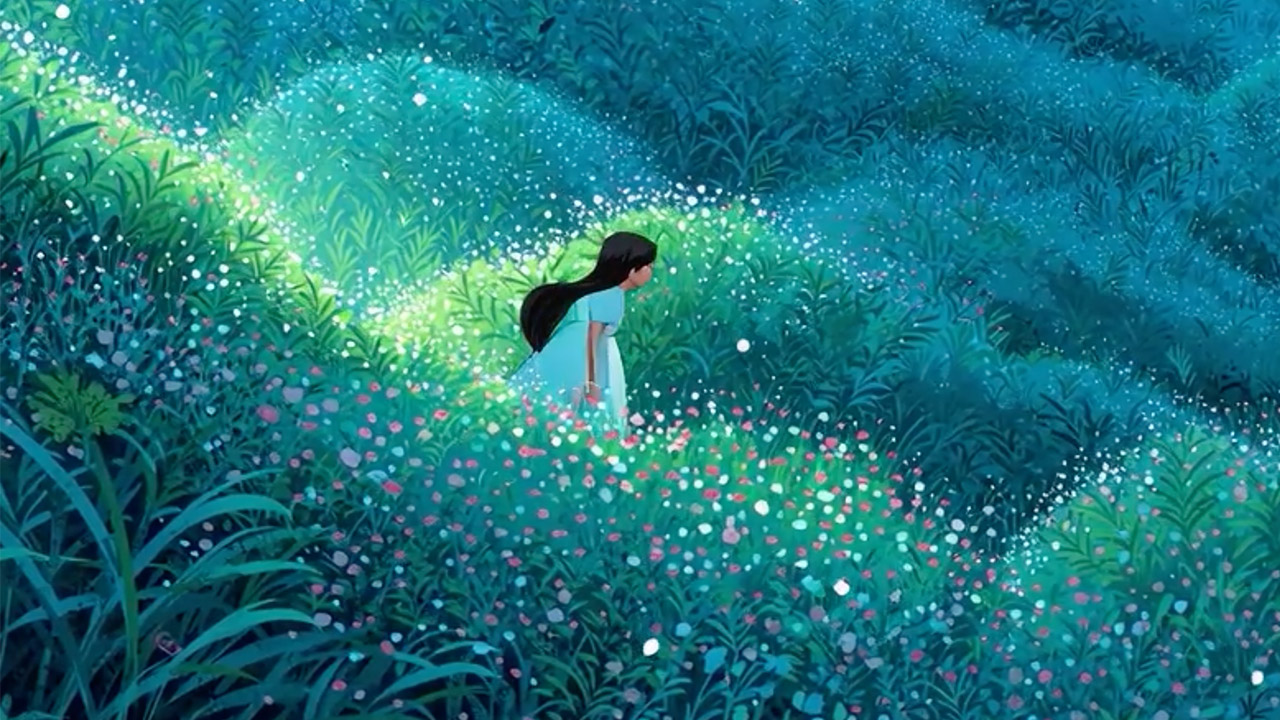
You can toss in your own images as “start frames” and steer the motion with text hints, opening up neat ways to animate your own sketches or old snapshots. That said, V1 skips audio, so you’ll need to add tunes later, and it doesn’t do straight text-to-video—a trick Veo 3 pulls off well.
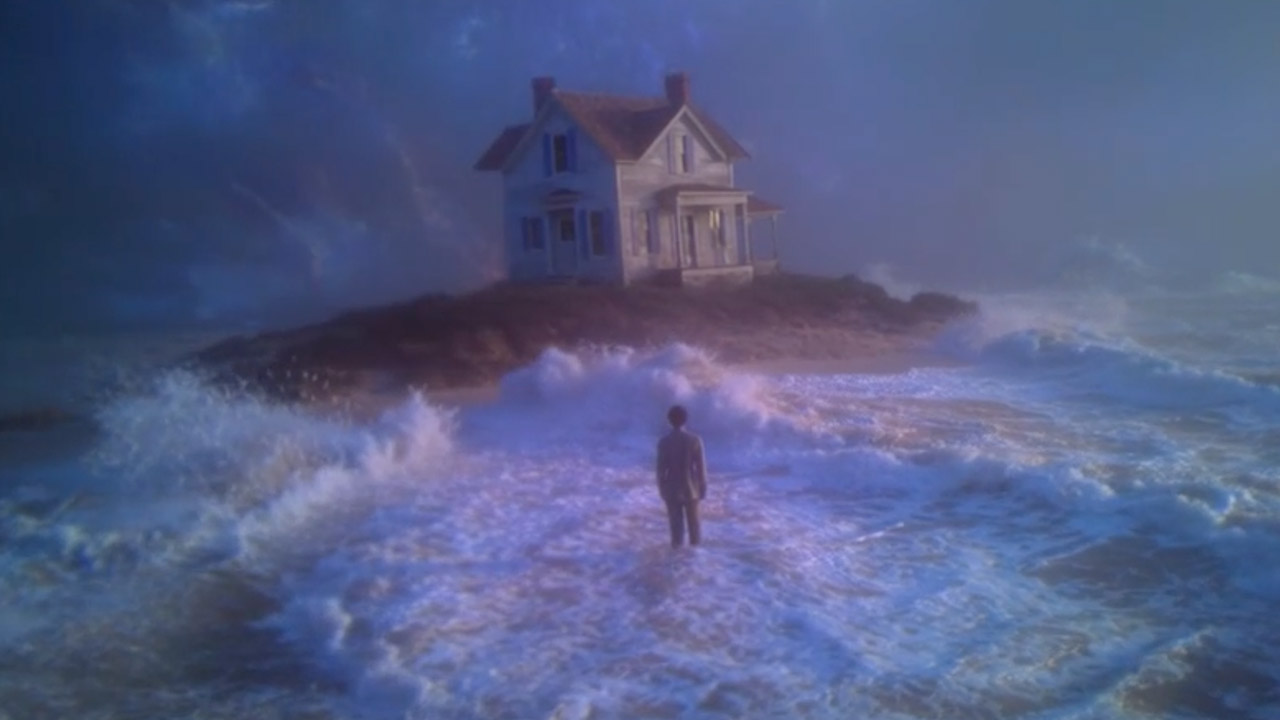
V1’s diving into a tough crowd. Google’s Veo 3 churns out videos from text with sound effects and crisper resolution. OpenAI’s Sora and Runway’s Gen 4 focus on giving pros tight control, while Kling 2 nails physics-smart motion. Midjourney’s image-to-video limit does lag a bit in flexibility, as Tom’s Guide notes: “It does put Midjourney a few steps behind the likes of Sora and Kling 2.” Still, its low price and arty feel carve out a sweet spot for hobbyists and artists.