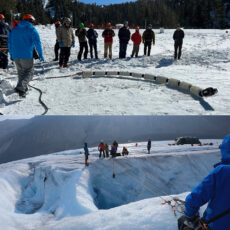

NASA’s Jet Propulsion Laboratory (JPL) has successfully tested IceNode, their autonomous underwater robot in Beaufort Sea north of Alaska. Engineers hope that one day IceNode will be able to venture beneath Antarctic ice shelves to gather data that would help scientists calculate how rapidly the ice shelves there are melting.
During this Arctic field test, IceNode descended around 330 feet into the ocean on a tether, where its instruments gathered salinity, temperature, and flow data. Additional tests were conducted to determine adjustments that would enable them to take the robot off-tether for autonomous operation. These 8-foot-long robots boast three-legged “landing gear” that pops out from one end to attach it to the underside of the ice. AI algorithms based on models of ocean currents would enable IceNode to be released from a borehole or a vessel in the open ocean and ride them on a long journey beneath an ice shelf.

- NASA rocket model kit – Launch into a creative project with the LEGO Icons NASA Artemis Space Launch System model building project for adult space...
- What’s in the box? – This creative building set includes everything you need to craft a multistage rocket with 2 solid-fuel boosters, an Orion...
- Features and Functions – This NASA-themed rocket model features retractable launch tower umbilicals, rocket support and crew bridge, detachable...
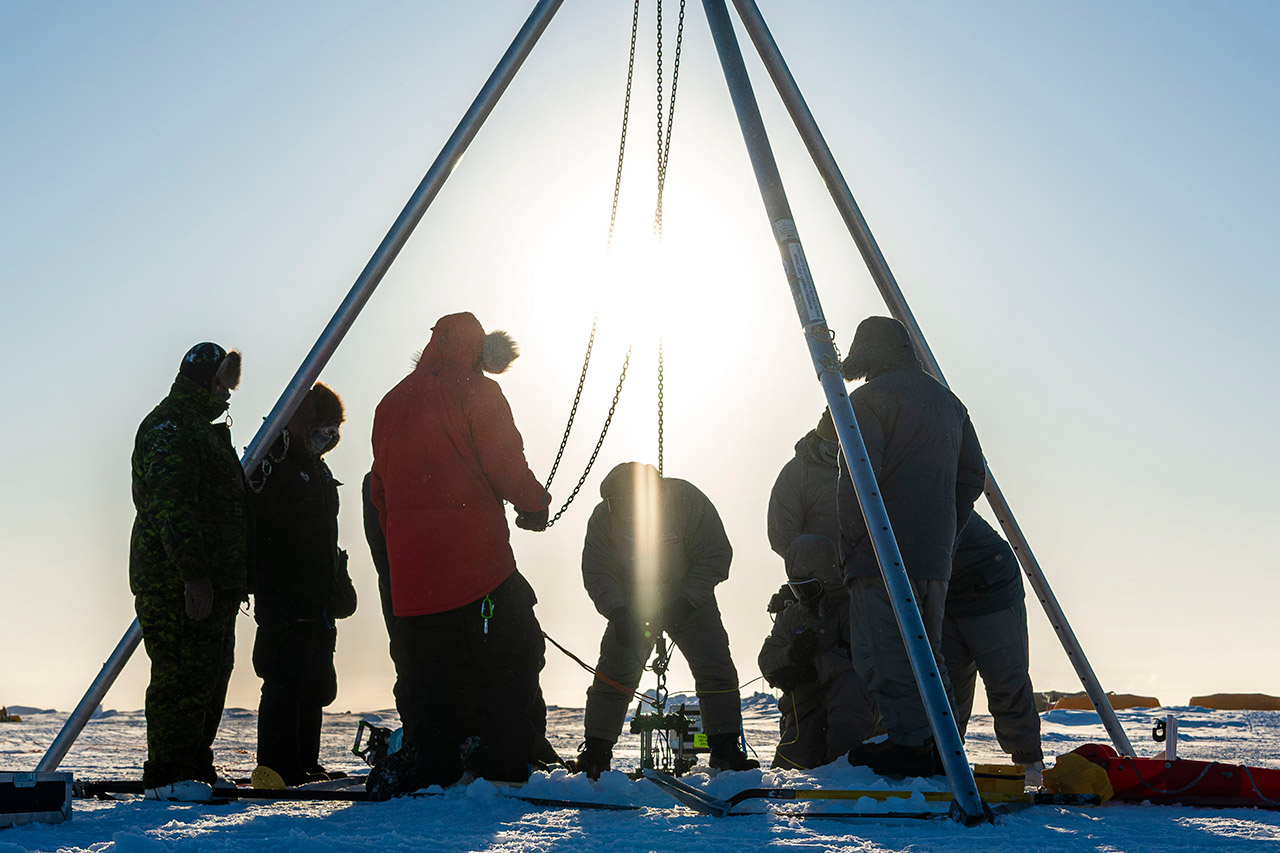
This test was conducted through the U.S. Navy Arctic Submarine Laboratory’s biennial Ice Camp, a three-week operation that provides researchers a temporary base camp from which to conduct field work in the harsh Arctic environment,” said JPL.