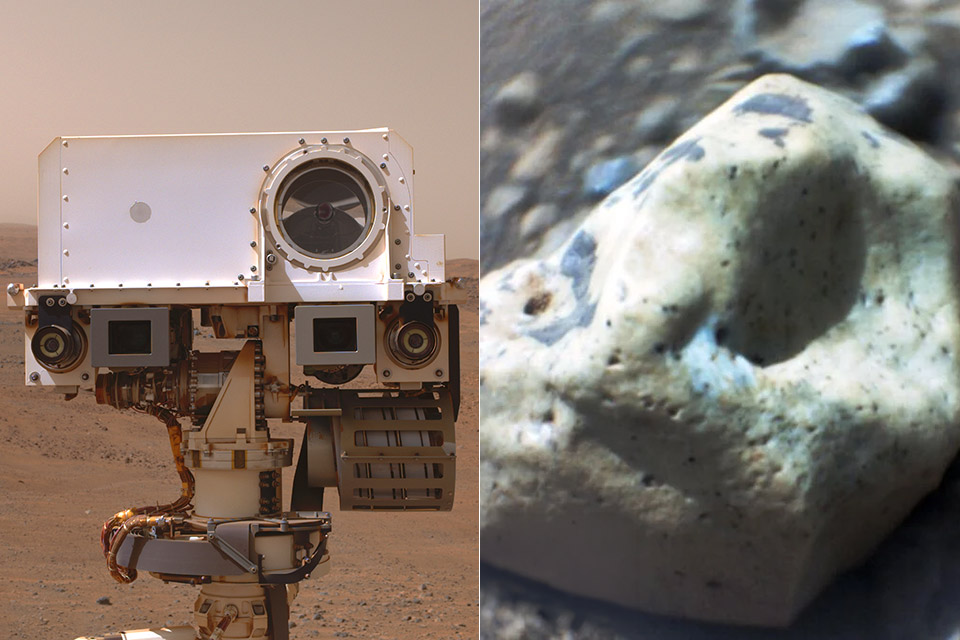
NASA’s Perseverance aimed its SuperCam laser at ordinary looking pale rocks scattered along the rim of Jezero Crater and the returning light carried a clear signature of something never confirmed on Mars before. Chromium bearing corundum showed up in the data, the same crystalline aluminum oxide that forms rubies and sapphires on Earth.
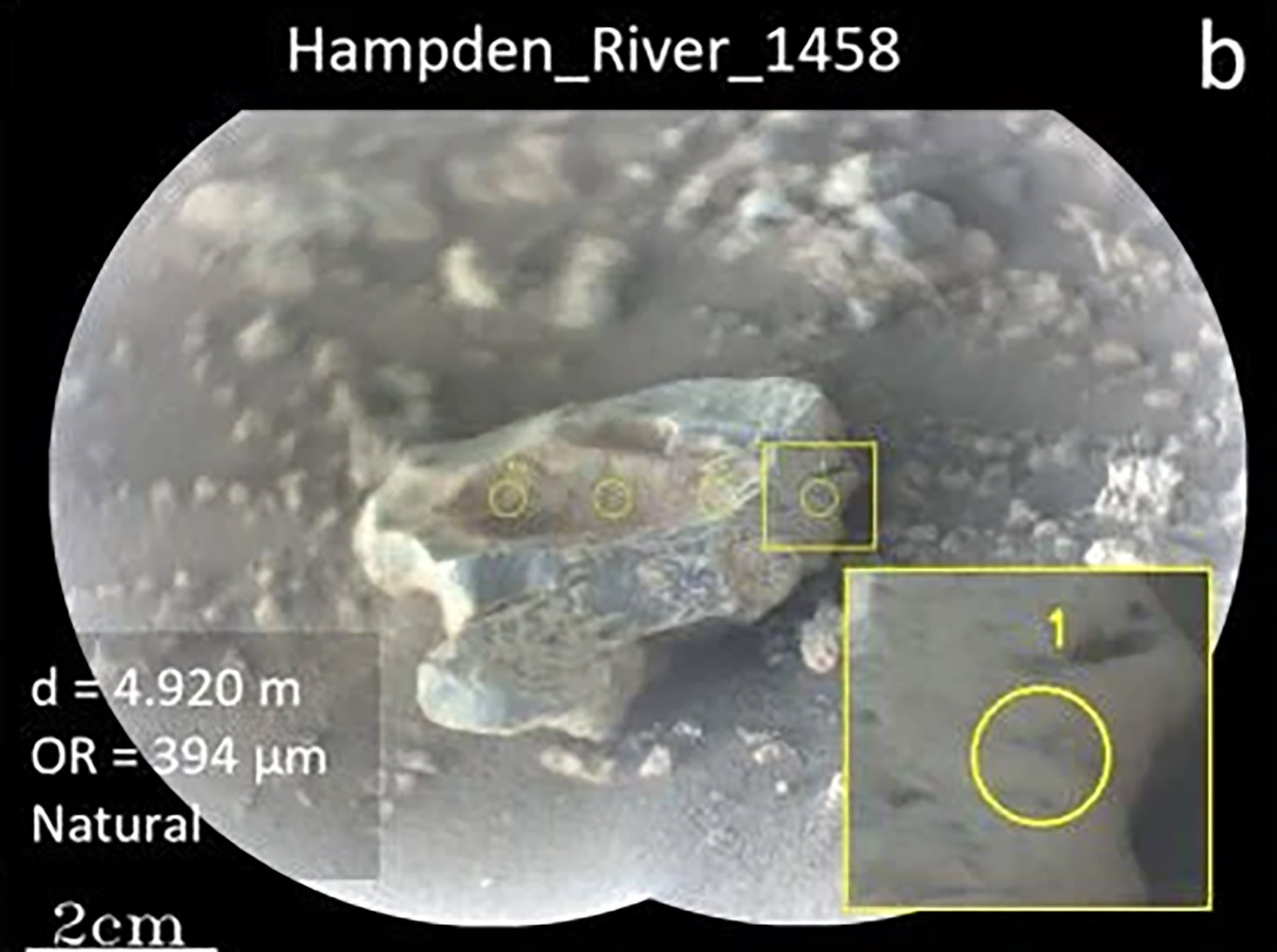
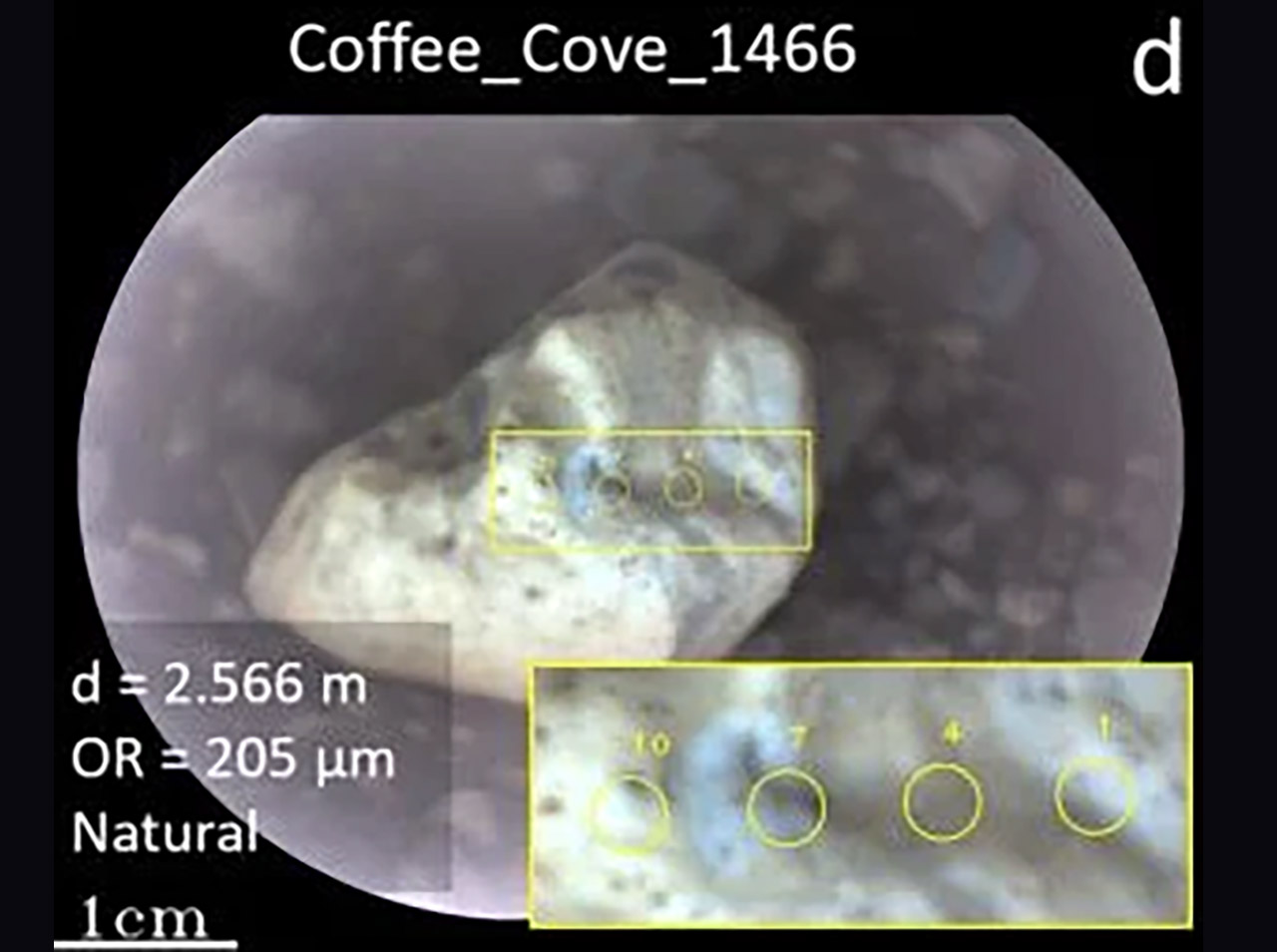
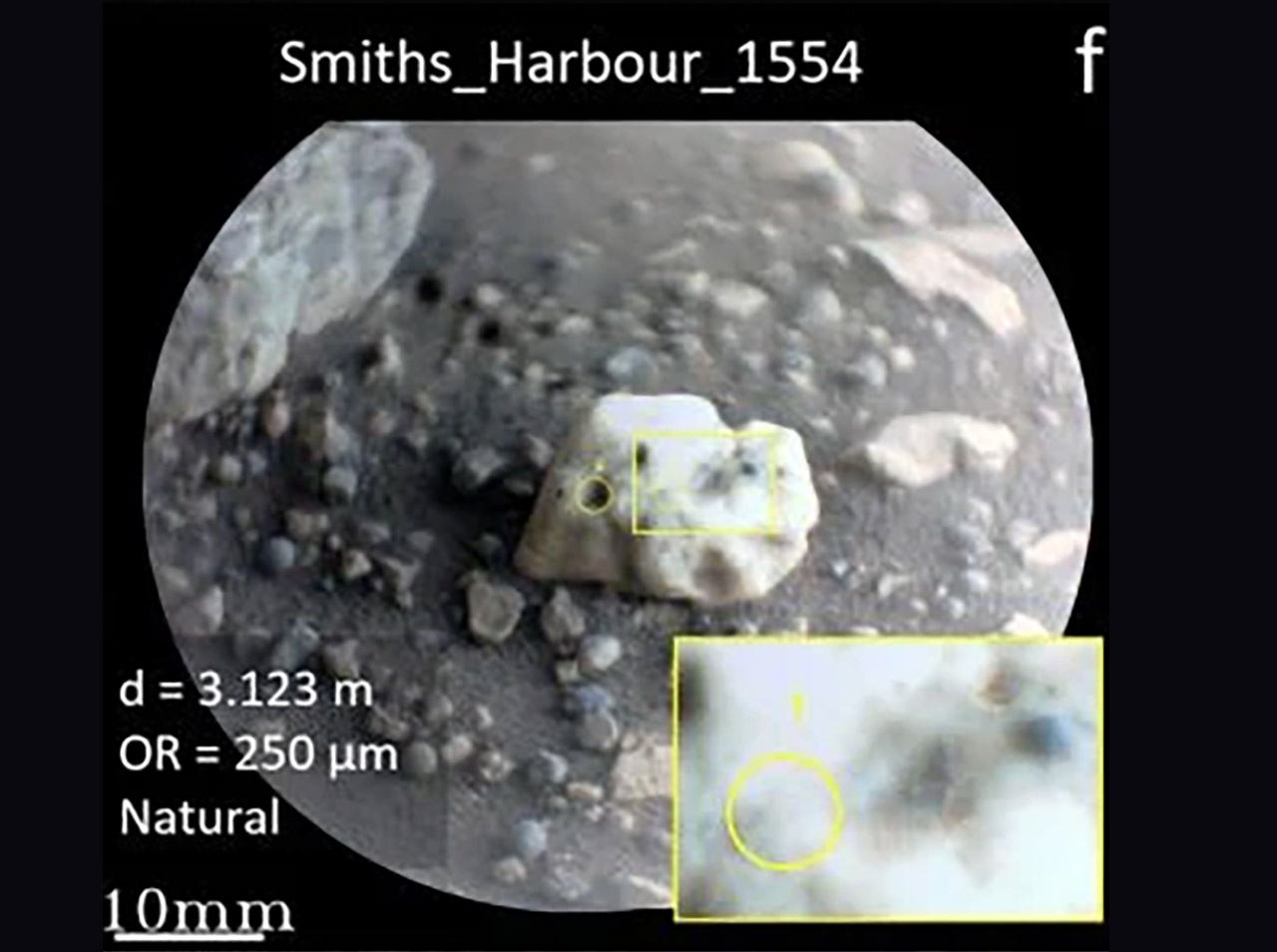
The signal was transmitted by three little rock fragments, dubbed Hampden River, Coffee Cove, and Smiths Harbor, and each measured approximately a centimeter. They were only loose on the surface, not attached to the bedrock beneath. They turned up during the rover’s 2025 visit to the crater rim, and the rover acquired many crucial laser measurements over the course of a few sols between March, April, and July of that year. SuperCam fired a green laser in time-resolved luminescence mode to excite the minerals, causing them to light up at specific wavelengths. Two distinct peaks appeared at 692.7 and 694.1 nanometers, which are the same as those seen in terrestrial chromium-doped corundum, and they all lasted a few milliseconds, which is exactly what was expected.

- Feed a passion for science and technology – Kids can learn more about the challenges of space exploration with this LEGO Technic NASA Mars Rover...
- Conduct a test flight – This advanced building kit for kids ages 10 and up includes a buildable toy version of NASA’s Ingenuity helicopter, which...
- AR brings the mission to life – The accompanying augmented reality app experience lets kids dive into the details of the rover and its mission
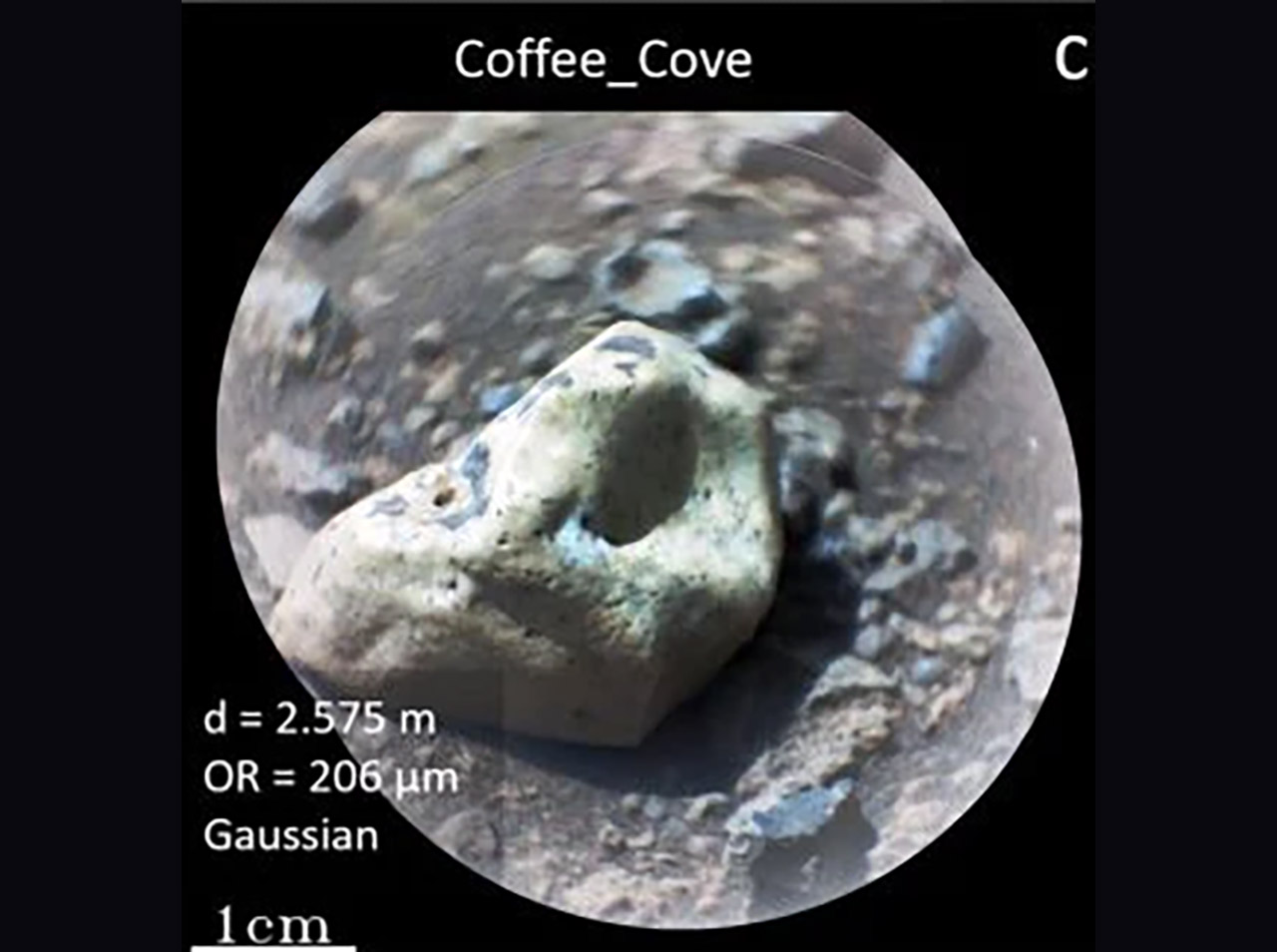
However, there are no noteworthy gemstones to be found. The mineral grains are too small, less than 0.2 mm across, for the rover’s cameras to recognize as individual crystals. Because corundum is only present in small amounts, the laser-induced breakdown spectroscopy mode detected no more aluminum or chromium. The majority of these light stones are composed of plagioclase feldspar, a silicate that typically competes with corundum for aluminum atoms. The science team was shocked to discover corundum combined with that chemical. Corundum occurs in conditions rich in aluminum but low in silicon, which can only exist under high pressure or heat.
The analysis was led by Ann Ollila of the Los Alamos National Laboratory, who described it as extremely surprising in the conference abstract. Back on Earth, this material is formed by tectonic processes deep within the crust or by certain metamorphic events. Mars lacks clear plate tectonics, so the team looks to the enormous impact that formed Jezero Crater three billion years ago. The shockwaves from the impact may have created the pressure and temperature required to melt and re-mix elements into fine-grained corundum, which became trapped within the breccias. Hydrothermal fluids that cycled throughout the fissures later may have helped strip off the silicon and concentrate the aluminum in isolated chunks. Nearby evidence of clays and other changed minerals supports the assumption that water once moved thru the rocks.
The results were first made public at the Lunar and Planetary Science Conference in March 2026. Later that year, a comprehensive report was published in Geophysical Research Letters, confirming the spectrum matches while ruling out more common minerals capable of producing comparable but less exact light signatures. They also discovered some other lines in the spectra, and the millisecond scale decay periods confirmed the identification of chrome ions within the aluminum oxide lattice. Chrome is what transforms regular corundum into the red variation known as ruby. Researchers are hesitant to claim they discovered true gem-quality stones because they are unable to obtain a physical sample to examine under a microscope on Earth. However, the data still represent the first solid detection of this mineral on the planet.
[Source]