It’s 4:27 a.m. on Mars, the sky is murky before dawn, and NASA’s Perseverance rover points its camera up to catch a quick view of Deimos, the smaller of Mars’ two moons, shining softly like a faint light in the black sky. The image, snapped on March 1, 2025, during the rover’s 1,433rd Martian day (or sol), isn’t just a pretty picture—it’s a technical marvel and a haunting reminder of how alien yet familiar the Red Planet’s skies can feel.
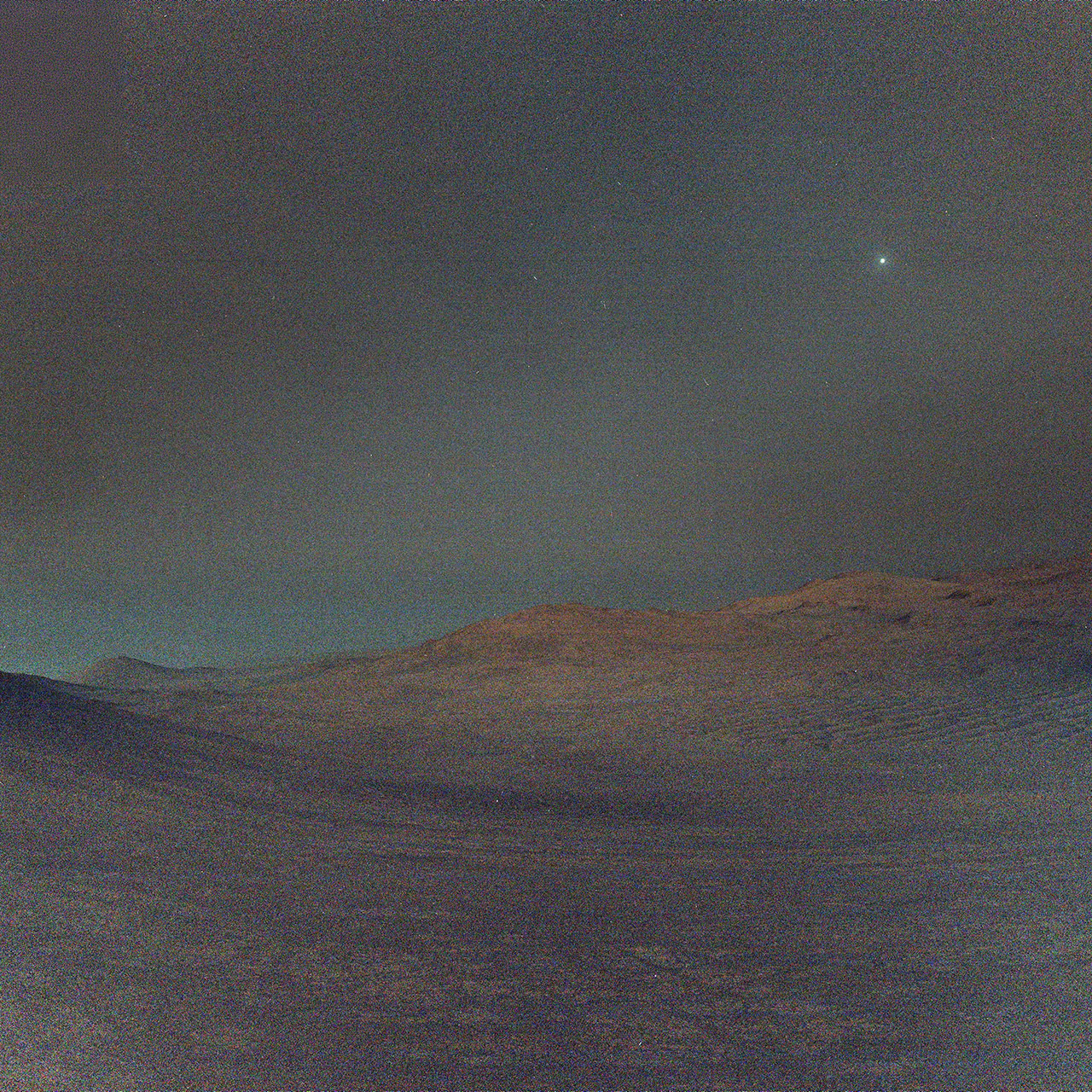
This isn’t Earth’s Moon, plump and poetic, dominating the night. Deimos is a scrappy, potato-shaped rock, just 7.5 miles wide, orbiting 23,460 kilometers away from Mars’ rusty surface. Yet, in this long-exposure shot, it shines with a quiet intensity that demands attention. Let’s break down why this image, shared by NASA, is such a big deal.

- Feed a passion for science and technology – Kids can learn more about the challenges of space exploration with this LEGO Technic NASA Mars Rover...
- Conduct a test flight – This advanced building kit for kids ages 10 and up includes a buildable toy version of NASA’s Ingenuity helicopter, which...
- AR brings the mission to life – The accompanying augmented reality app experience lets kids dive into the details of the rover and its mission
Perseverance’s left navigation camera, one of its many high-tech eyes, pulled off this feat with a series of 16 individual shots, each exposed for a maximum of 3.28 seconds. That’s a total exposure time of about 52 seconds, stitched together onboard the rover into a single, dreamy image before being beamed back to Earth.
The long exposure is why the image has that hazy, almost painterly quality—digital noise creeps in, speckling the sky with what could be cosmic rays or just the camera’s own artifacts. It’s not a crystal-clear Hubble snap, but that’s the point: this is raw, real, and captured from the surface of another world. The low light and extended exposure amplify Deimos’ faint glow, making it stand out against the Martian predawn, even if the image feels more like a lo-fi album cover than a glossy postcard.
The navigation camera, typically used to help Perseverance trundle across Mars’ rocky terrain, isn’t designed for stargazing. That it can pull double duty as an astrophotographer is a testament to the rover’s versatility. Unlike Earth-based telescopes or even orbiters like the Mars Reconnaissance Orbiter, which grabbed color-enhanced views of Deimos back in 2009, this shot comes straight from the Martian surface—a perspective that feels intimate, like standing on Mars yourself and squinting at the sky.