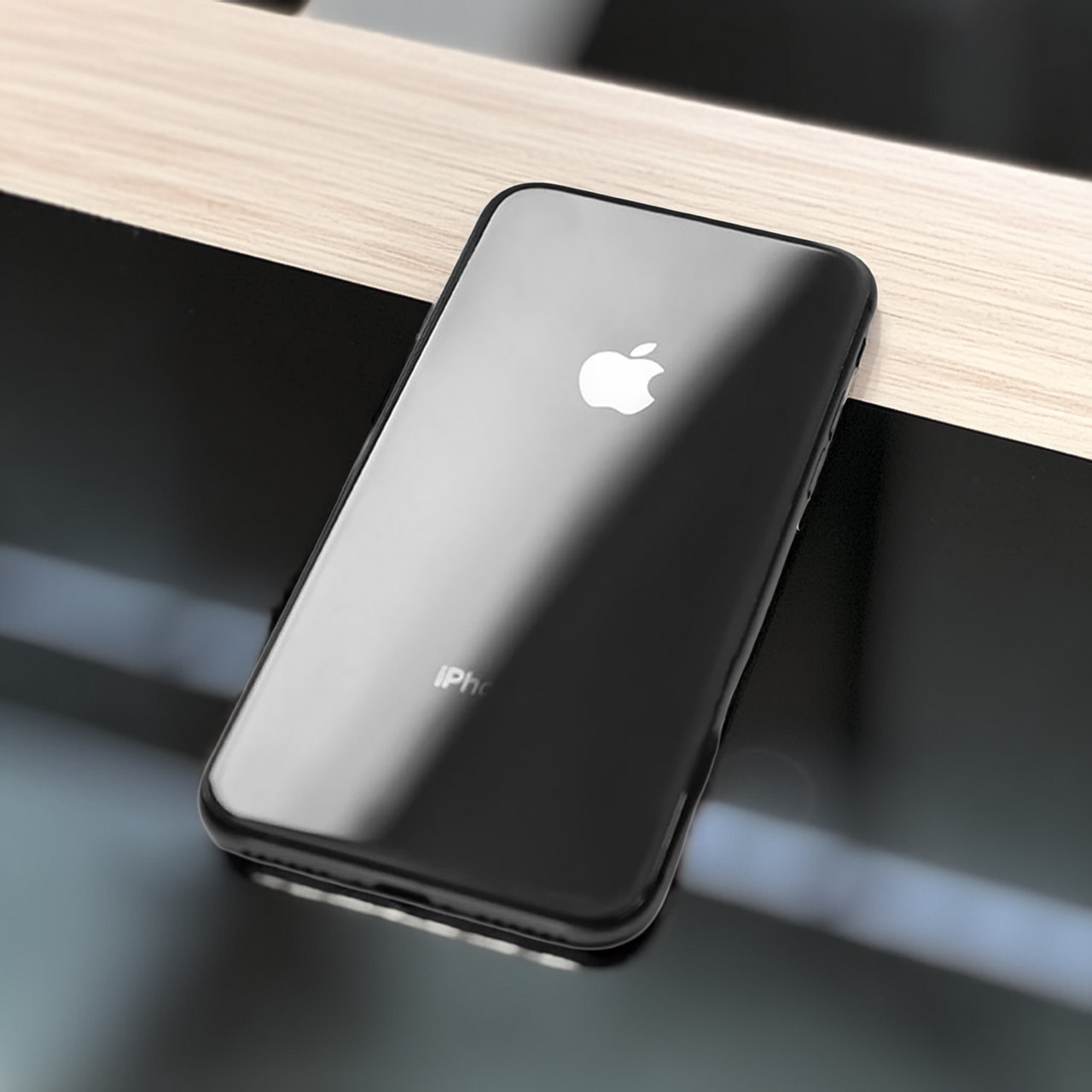
You may not know this, but these camera-less iPhones have been around for over a decade. It’s a basic conflict: constant connectivity vs perfect concealment. For some professions, especially government agencies, you need a perfect blend of both.
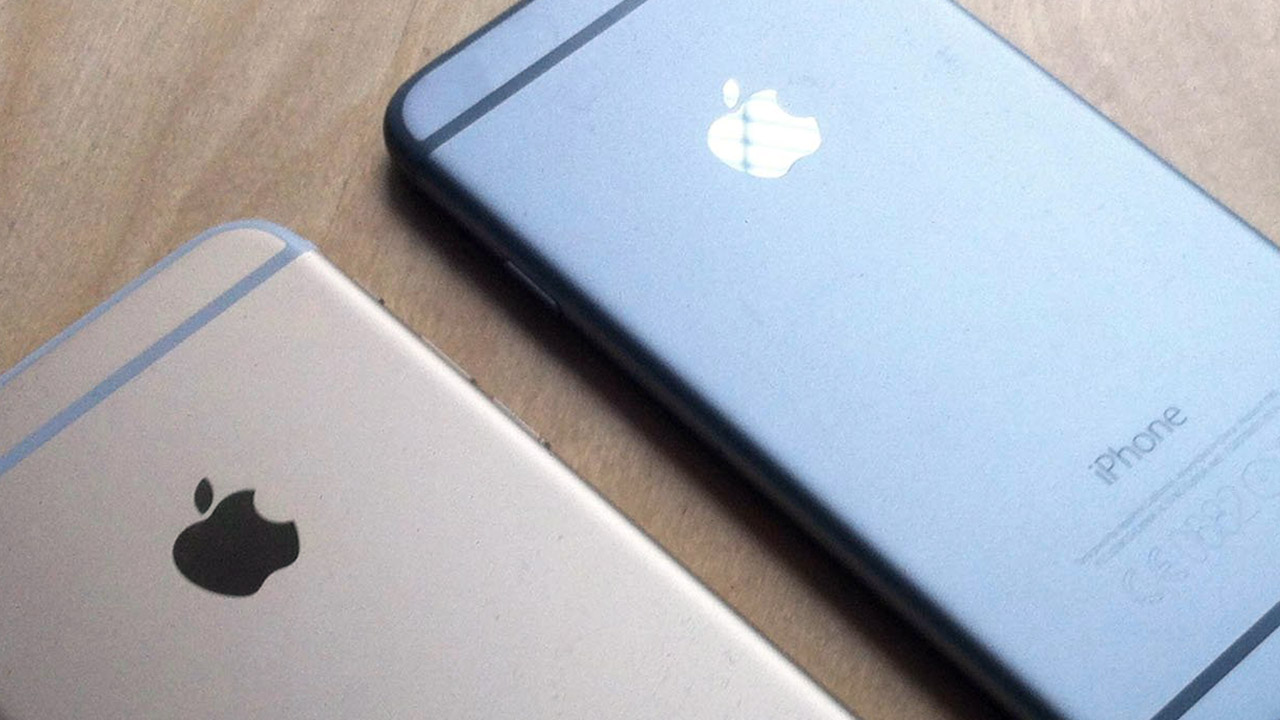
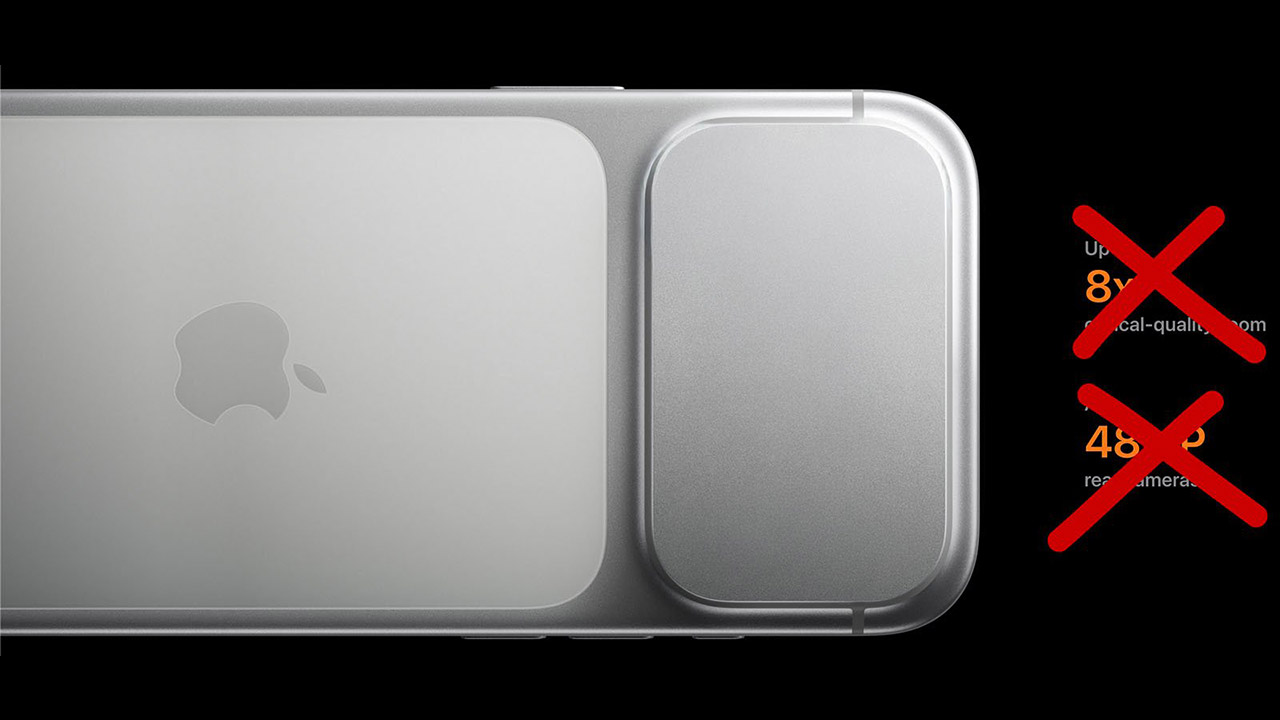
The process starts with a regular iPhone bought off the shelf. Technicians then open the case, disconnect the sensitive cables and pull out each camera module – front and back. On other models the hardware is connected to other parts via a thin flex cable so they can slice and dice while leaving no trace of functionality behind. The empty gaps are then filled with red epoxy which forms a solid red plug.
Sale

Baseus Picogo Magsafe Portable Charger, Qi2 15W 0.5" Ultra Slim 10000mAh Wireless Power Bank, 27W Fast...
- 🛡️【Ultra-Slim and Portable】Measuring just 4.0 x 2.67 x 0.5 inches, this QI2 Magsafe Power Bank is incredibly slim yet packs a powerful...
- ⚡️【Fast QI2 Wireless 15W & 27W Wired Charging】Experience the convenience of QI2 15W wireless charging and 27W wired output, making this...
- 🔍【Super-Strong Magnetic Charging, Easy to Use】Designed with 11N ultra-strong magnets, this Magsafe Battery securely attaches to your iPhone...
NonCam is a Singapore-based outfit that has been doing this since 2011. They have ready made versions based on older but reliable models like the 2022 iPhone SE, 2020 SE, 8, 5S and even the 4S. Prices are high – $1,130 for a base SE, up to $1,680 for a more powerful 8 with extra storage and color options. NonCam sells kits containing $140 to $250 worth of tools and instructions to do it yourself.
Nuclear power plants are at the top of the list, with massive facilities that have protocols built into each shift. Workers there work with enriched uranium and control rods in conditions restricted by rules such as the Atomic Energy Act of 1954, which still bans recording anything linked to reactors. Plants respond by issuing camera-less iPhones, which eliminate the need for daily inspections or sticker-covered lenses. Shipyards follow suit, with docks lined with vessels transporting state secrets in steel. Welders and engineers, phones in pocket, document repairs with notes and sketches rather than photos. Military facilities require the same, notably during required duty in nations like South Korea or Israel, when young recruits switch in their full-featured phones for these camera-less ones to prevent breaching base security.
Beyond the big guys, oil rigs in the Gulf and refineries around the coast necessitate equal vigilance. Espionage lurks in every competitor’s shadow; a photograph of a new drilling rig could alert rivals to breakthroughs. Labs dealing with biotech or chemicals keep their doors metaphorically fastened as well, issuing gadgets that allow teams to coordinate without the need of a shutter. Even some government departments, mired in classified briefings, opt for the change to ensure smooth processes. Front cameras are also gone, but forcing passcode unlocks rather than face scans is a small price to pay for entry.
[Source]