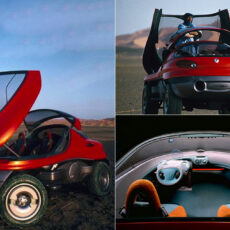
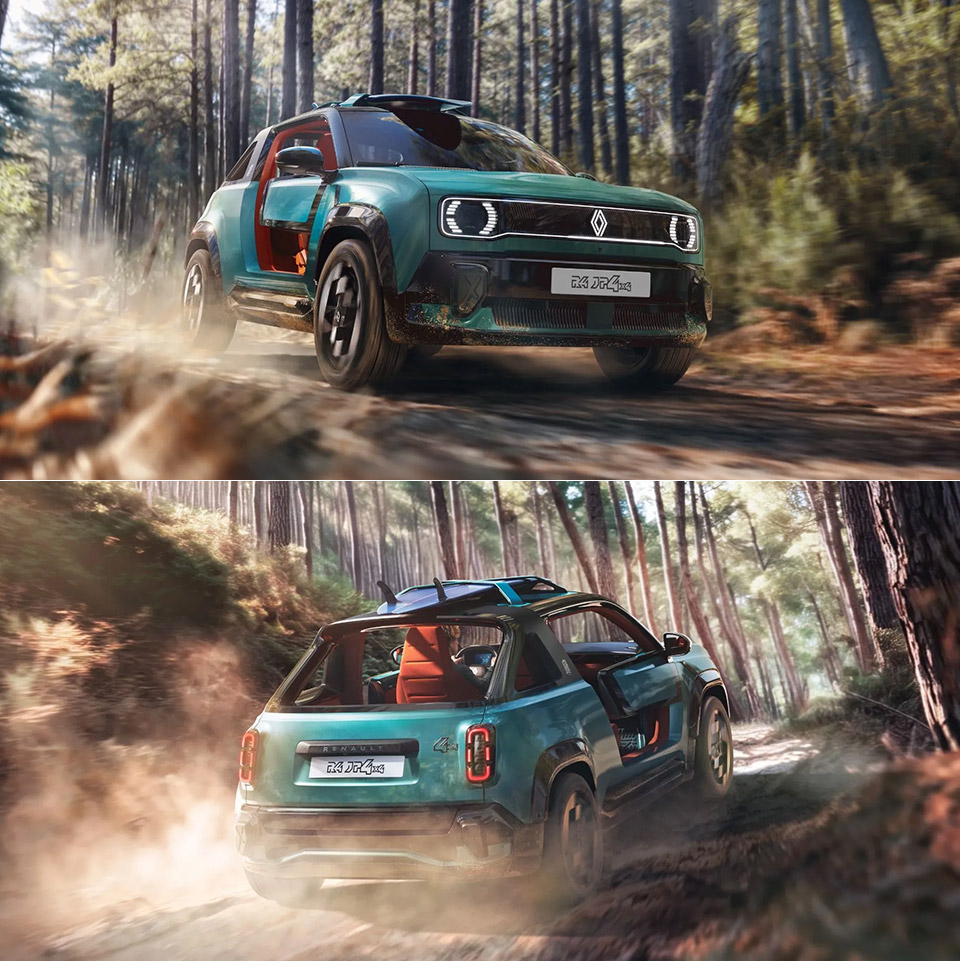
The JP4x4 is a new take on two of the original Renault 4s: the Plein Air version, built in 1969 for open-air fun, and the JP4 from 1981, which seemed to channel carefree days by the sea. The name JP4 is derived from Journée à la Plage, which translates to “a day at the beach.” The new name JP4x4 incorporates the four-wheel drive feature, which is self-explanatory.
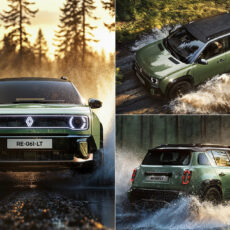
On May 18, visitors to the 2026 Roland-Garros French Open will get their first look at the vehicle, which joins three previous concepts built on the same electric Renault 4 E-Tech platform, each of which explored new ways to use the compact hatchback. The most recent version focuses squarely on leisure and light adventure. The vehicle joins three previous prototypes based on the same electric Renault 4 E-Tech chassis, each exploring new ways to use the compact hatchback. This most recent edition focuses solely on leisure and minor adventure. Emerald green paint covers the bodywork in a somewhat iridescent tint that resembles the colors offered on the classic 4L in the 1970s. Bright orange fills the interior, creating a sharp, cheerful contrast that draws the eye from all sides. Half-doors replace the traditional five-door layout, stopping just short of the B-pillar enabling simple entry and departure. There are no side windows or a canvas roof, so the hut is always open to the breeze.

- Detailed LEGO replica of Ayrton Senna's legendary 1988 F1 race car
- A calming, meditative building experience for ages 18+
- Features functional steering, rod suspension, adjustable rear wing
The openwork roof is made up of a cross-shaped structure that provides enough stiffness while allowing plenty of sky to be visible. The same frame supports a surfboard strapped securely on top. At the back, the tailgate folds flat like the side of a pickup truck, transforming the cargo area into a simple loading platform. Skateboards fit nicely into the free area behind the seats, ready for whatever happens next.
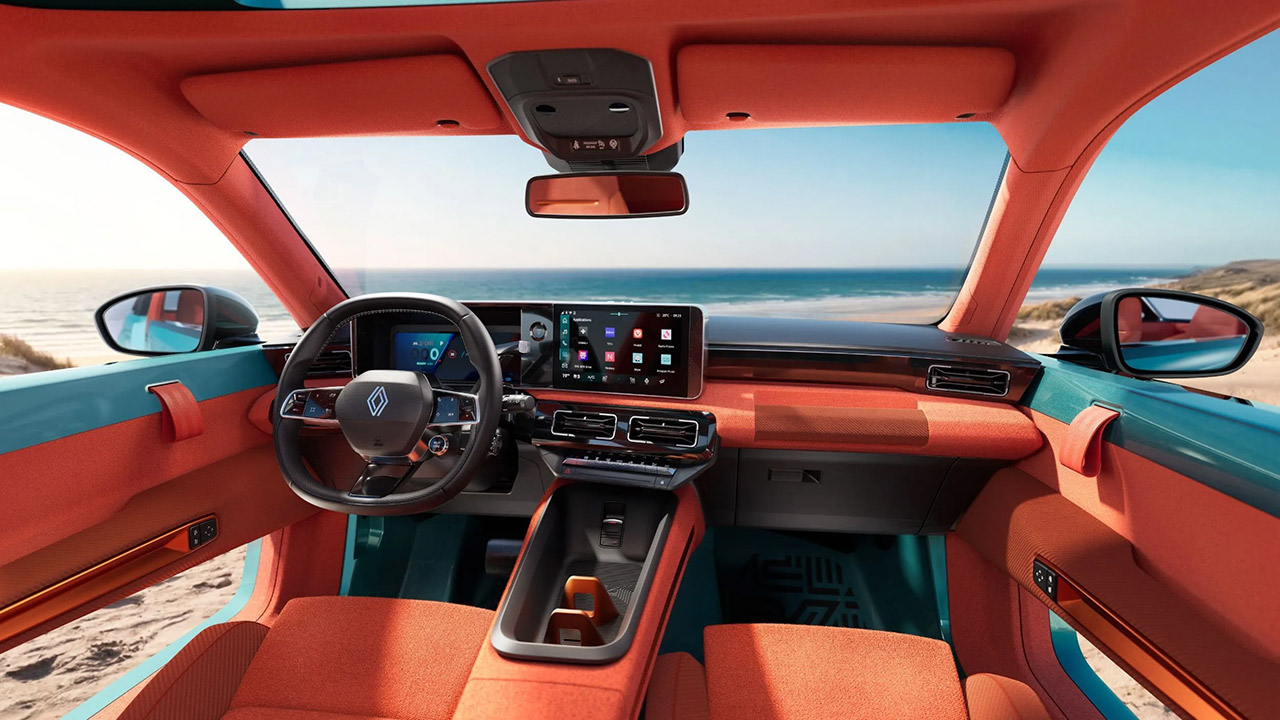
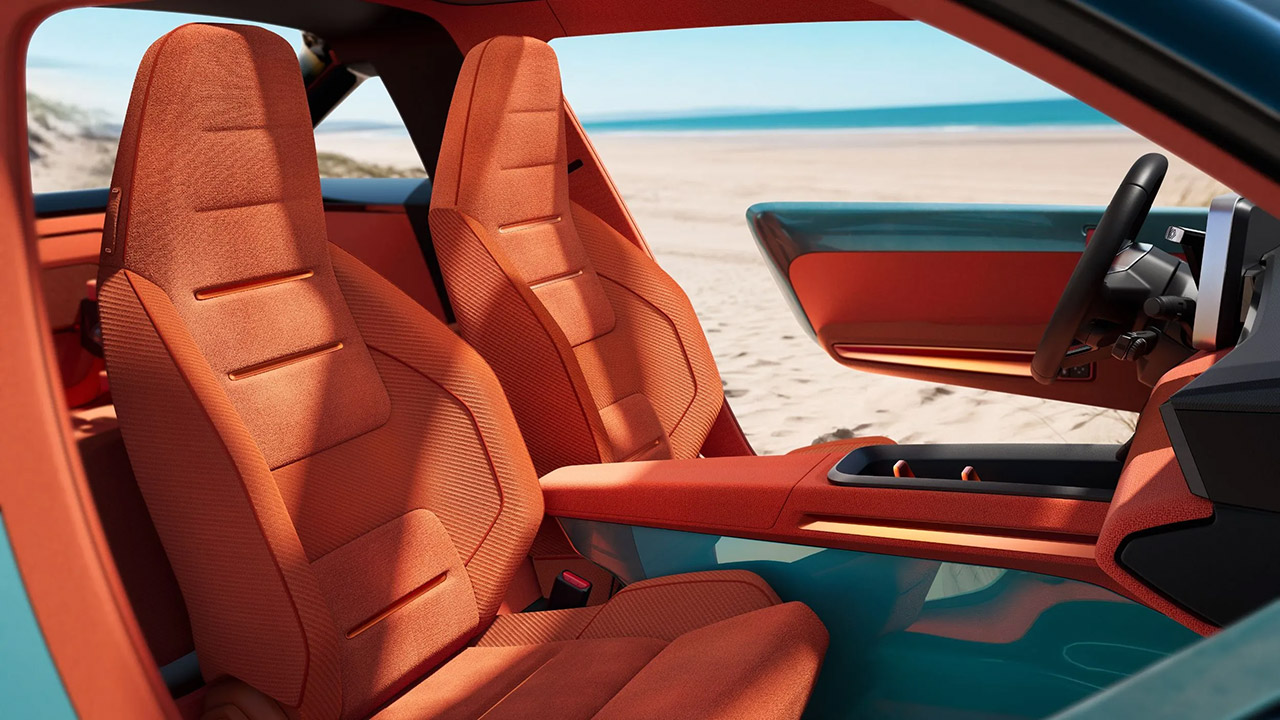
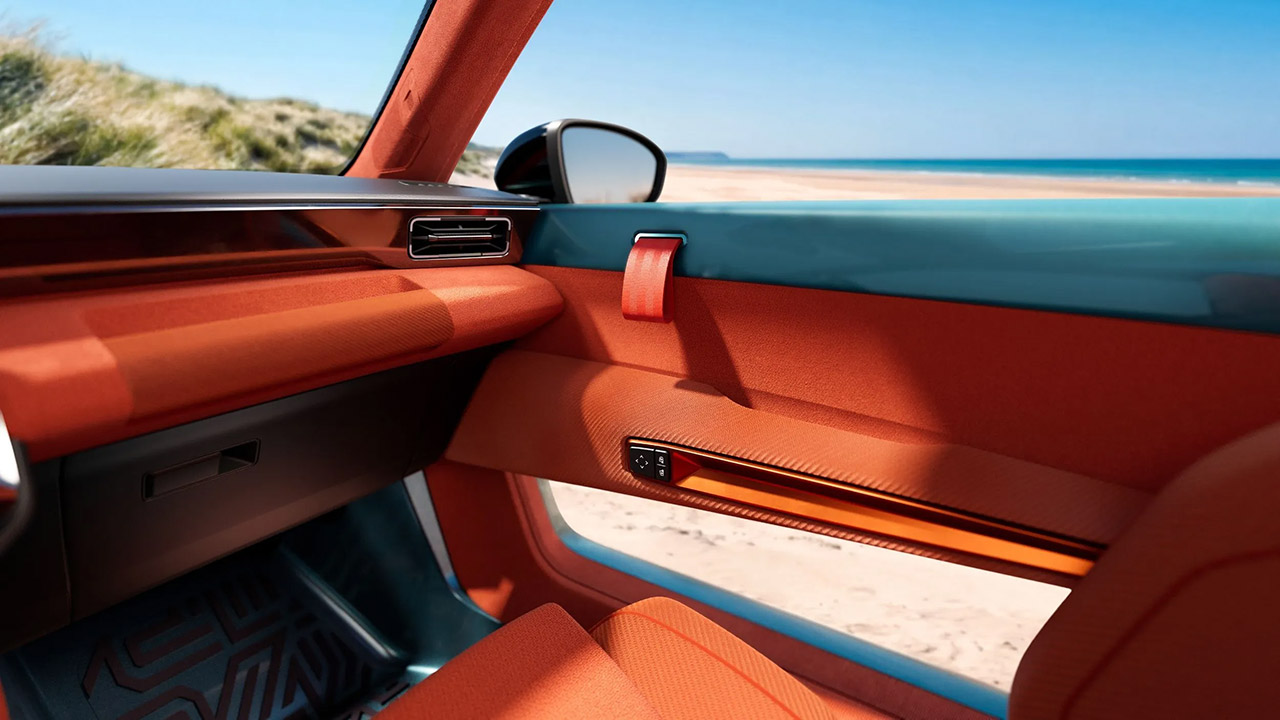
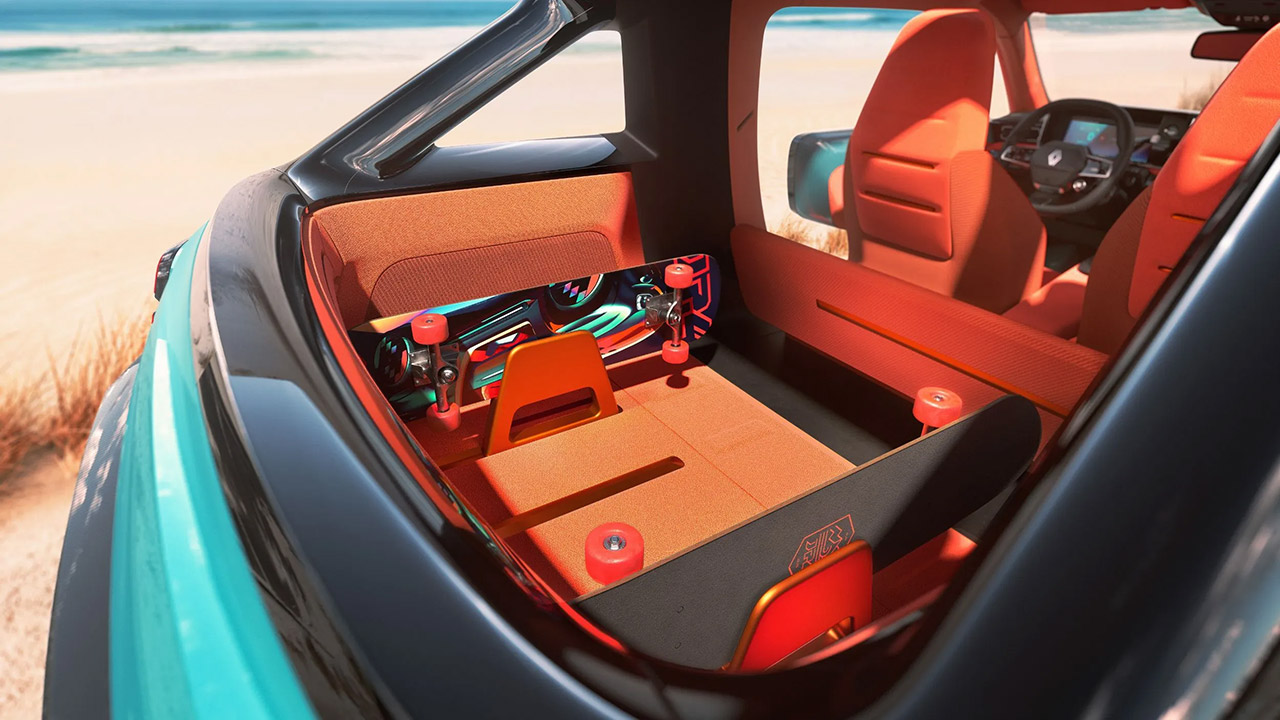
The dashboard and digital screens are carried over from the production car, but Renault added a passenger grab handle for rougher terrain and a floating center console to keep the space airy. Inside, the seats replicate the distinctive bucket style of 1970s Renault models, complete with integrated headrests that resemble wrapped Egyptian mummies. The seats are covered in mixed fabrics, combining a crepe base with diagonal mesh sections for a sporty yet comfortable feel. Orange accents appear. They are covered in a mix of fabrics, including a crepe base and diagonal mesh parts for a sporty yet comfortable feel. The dashboard and digital panels are carried over from the production car, but Renault has added a passenger grasp hold for rougher terrain and a floating center console to keep the area open. Orange accents emerge on the door panels and surrounding the console, bringing everything together.
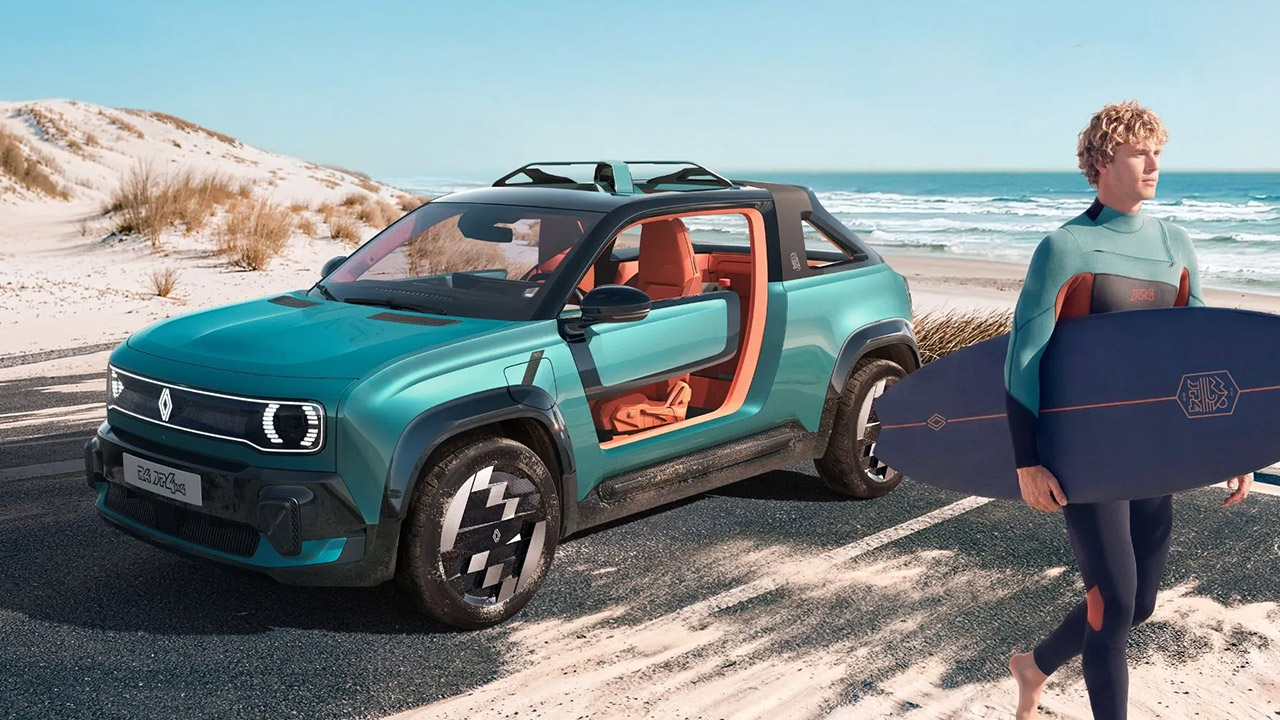
The JP4x4 is mechanically similar to last year’s Savane 4×4 concept, with a second electric motor driving the rear wheels, giving the vehicle permanent all-wheel drive instead of the front-wheel-drive setup found on the standard Renault 4 E-Tech. The ground clearance rises by 15 millimeters, and each track widens by 10 millimeters for better stability. The 18-inch wheels wear a fresh design inspired by the original JP4, wrapped in Goodyear UltraGrip Performan A second electric motor powers the back wheels, providing the vehicle permanent all-wheel drive rather than the front-wheel-drive system seen on the ordinary Renault 4 E-Tech. The ground clearance increases by 15 millimeters, and each track expands by 10 millimeters to improve stability. The 18-inch wheels feature a new design inspired by the original JP4, as well as Goodyear UltraGrip Performance+ tires in the 225/55 size. The wheelbase remains at 2,624 millimeters, as it was on the production vehicle.
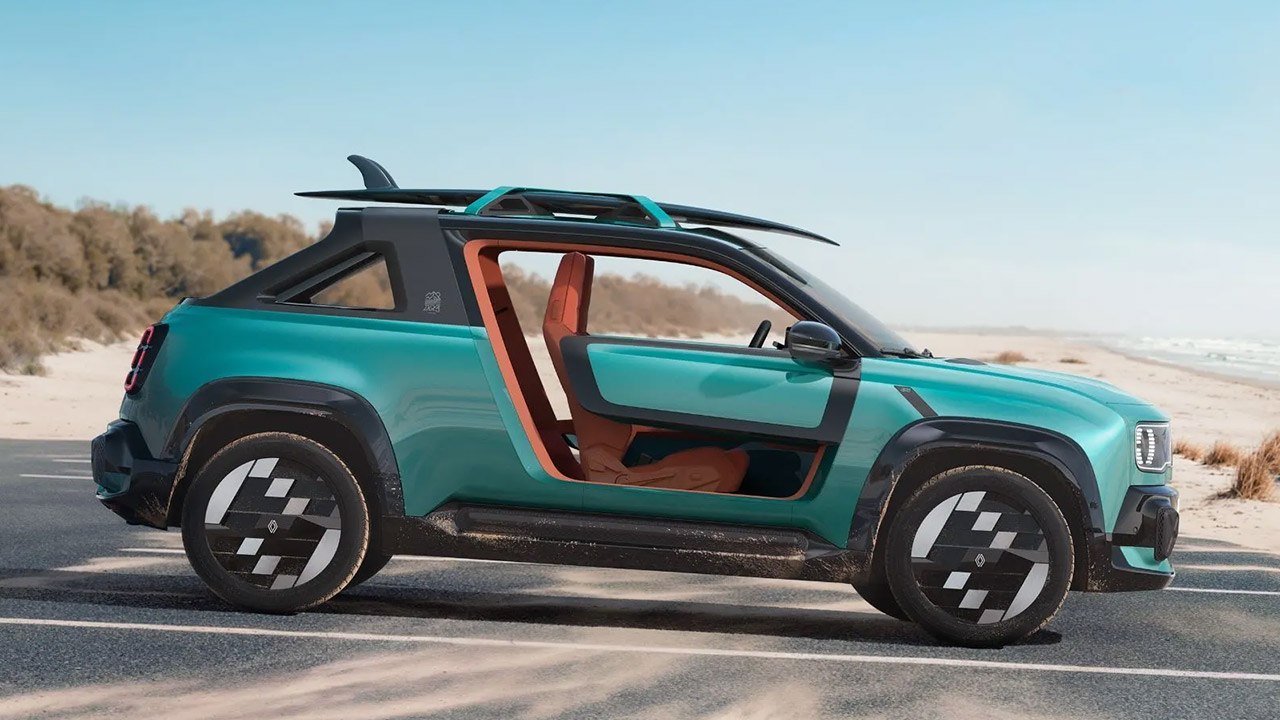
Renault built the entire package for sandy beaches, stony pathways, and unpaved treks where extra traction is critical. The combination of raised height, wider stance, and all-wheel drive gives the car a capable feel without making it a serious off-road vehicle. Nobody expects this particular vehicle to hit showrooms. Instead, it serves as a showcase for the electric Renault 4 platform’s versatility.