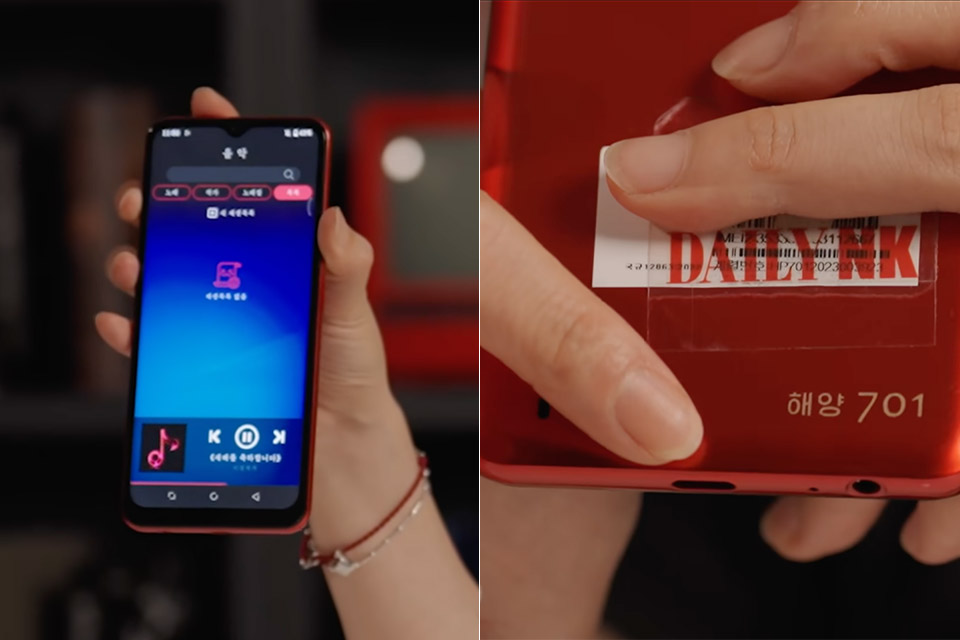
Daily NK, a Seoul newsroom that reports on the North, handed Wall Street Journal reporter Dasl Yoon a mid-tier smartphone carried out of the country in 2023. The device is a Hyang 701, built that same year, and it looks like any other Android phone until you start tapping. It handles voice calls, texts, and a full set of apps. It will not reach the open internet. Wi-Fi stays locked. The only network available is the state-run intranet.
When you open your home screen, you’ll see the usual suspects, such as music and documentaries, as well as a game whose logo looks suspiciously similar to NBC. One of the apps resembles China’s Alipay in that it allows you to scan a QR code to send or receive money in your local currency or USD, as well as call a taxi directly from the same page. As a shopper, you can browse stores, watch approved TV and movies, and play games. One of the games let you to run around as Lionel Messi in a soccer title. The country list is also quite long, with a variety of countries represented, however for some reason, the United States and South Korea are missing.

- MULTIPLE TASKS WITH ONE ASK: Streamline your day with an assistant that gets you. Ask it to Google search for a pet-friendly vegan restaurant nearby...
- START THE DAY SMARTER: Stay one step ahead with a phone that gives you the info you need before you even know you need it with Now Brief.²
- REDUCE THE NOISE. REVEAL THE MAGIC: AI Camera with Audio Eraser lets you capture vibrant videos in low light and minimize unwanted noises so you can...
Ryu, a former North Korean soldier who crossed across to the other side, recognized the layout right away, having purchased one of these phones on the illicit market. It cost him about $250, which is a lot when you consider that a military officer’s monthly salary is only slightly more than a dollar. So only the richest 10 percent of the population can afford one of these pricey phones.
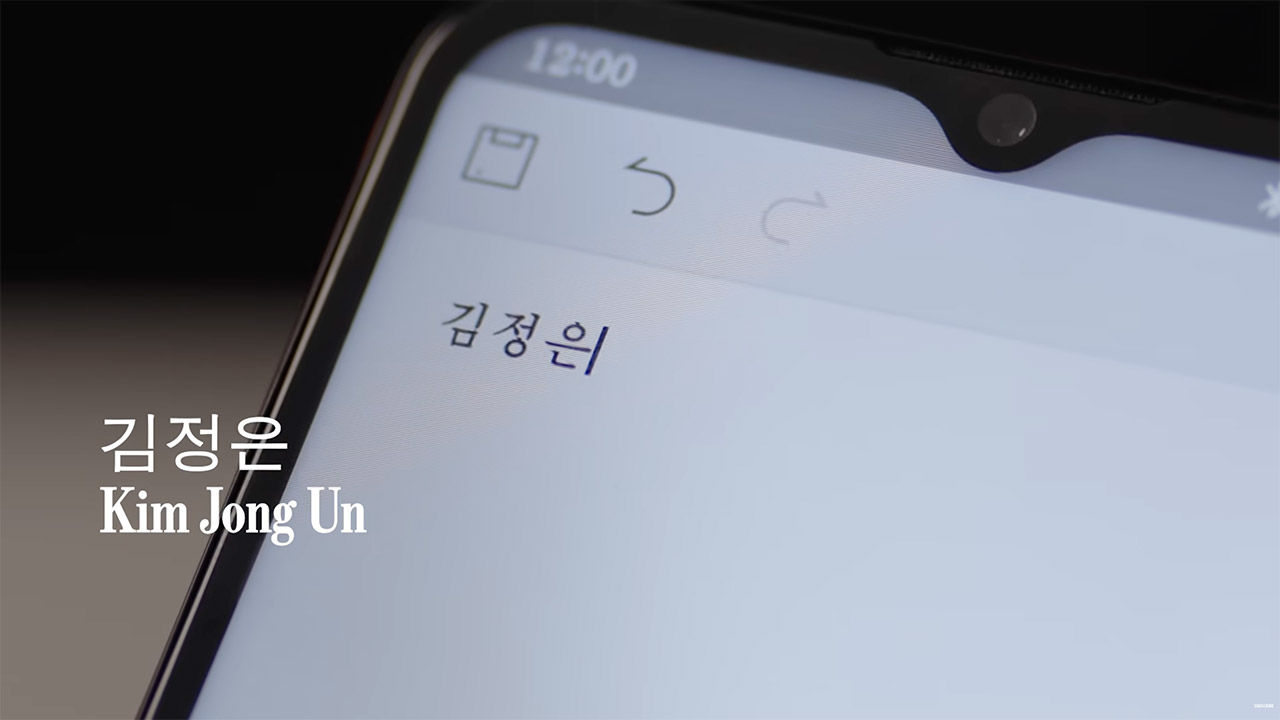
If you type Kim Jong Un into the search bar, the letters become bold; however, if you type the South Korean phrase for South, a warning flash will appear, stating ‘banned’. Trying to enter the South Korean slang for boyfriend, which is popular in K-dramas, will have auto-correct replacing it with the more innocent phrase “male buddy”. It’s all part of the regime’s efforts to prevent foreign culture, particularly that from across the border, from taking root.
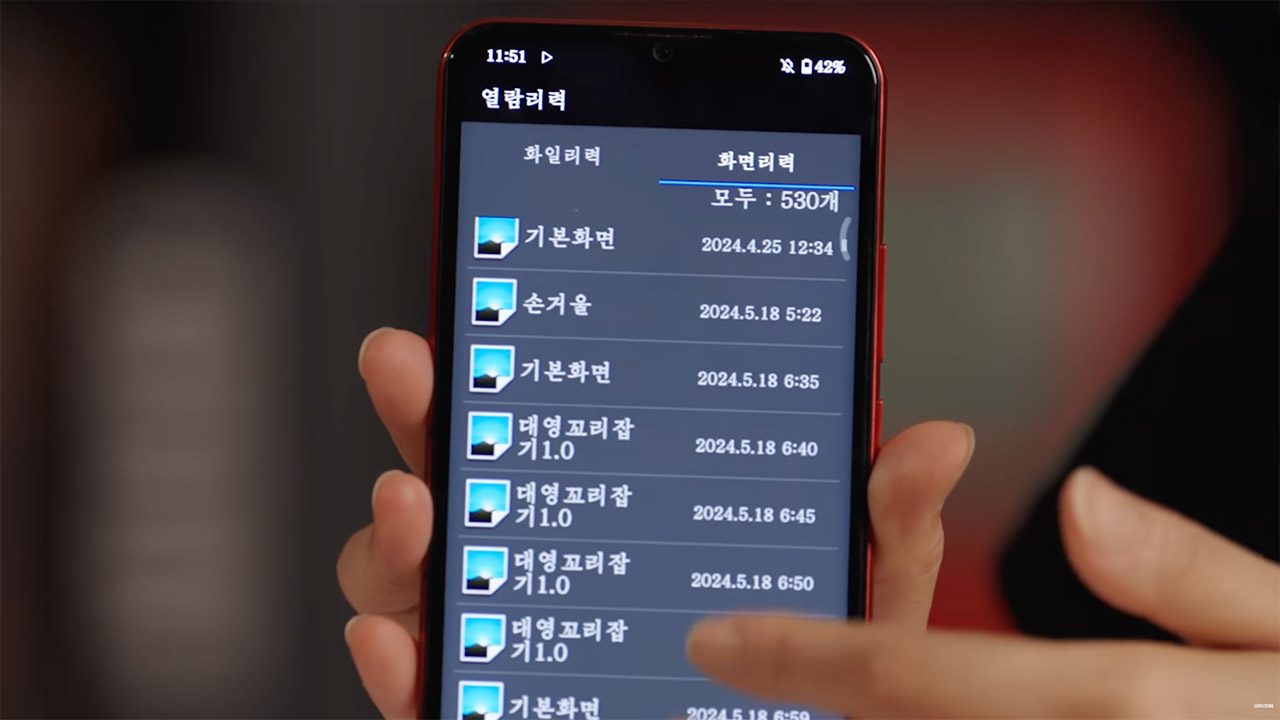
Ryu stated he never watched any American or South Korean films on his phone, which may not sound like a big deal, but according to the law back home, that carries a five-year prison term. Anyone caught distributing the files would be executed, and he had strong reason to be cautious. On his phone, there is a folder called ‘watch history’ that automatically fills up with screenshots of everything you are viewing. The strangest element is that the captures happen at random, and you can’t even uninstall the files or the software itself, as if the state had its talons around you. Officials can just return later to evaluate all of the pages you visited.
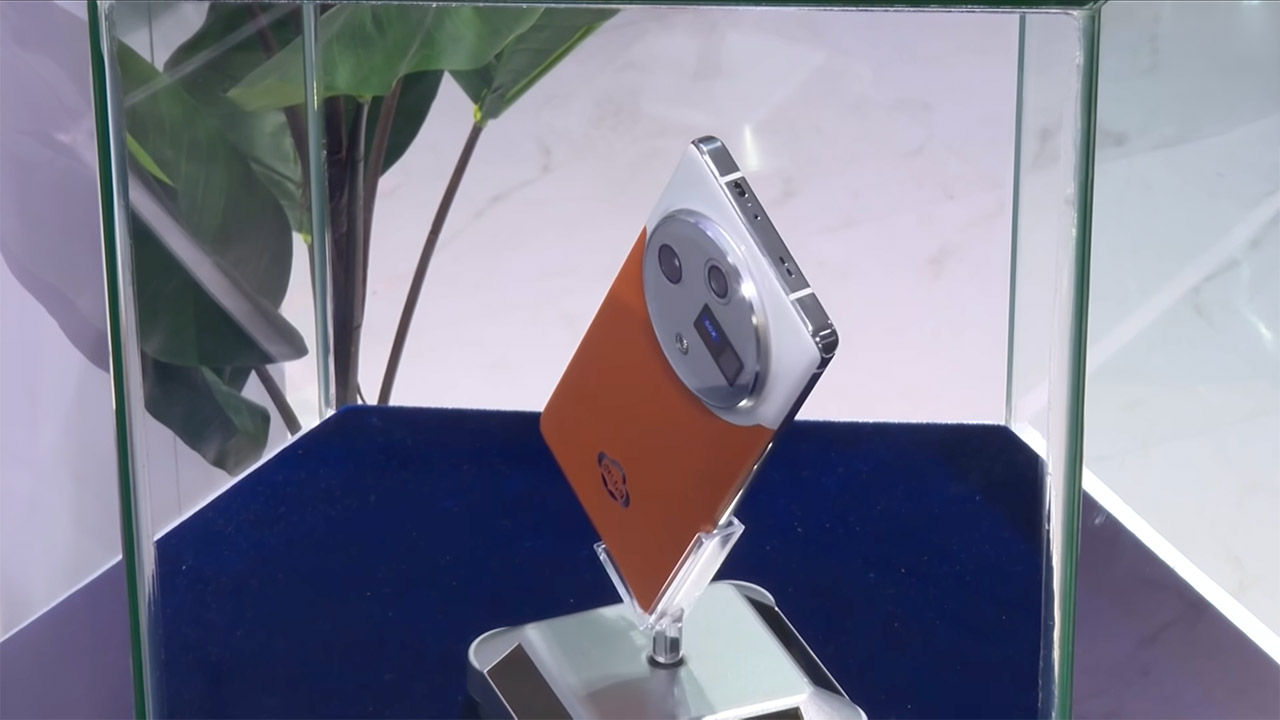
Smartphone use has expanded far beyond Pyongyang, but the more things change, the more they remain the same, since every convenience comes with a cost, and the phone continues to monitor what you’re doing and who you’re talking to, as well as police the words you’re permitted to type.
[Source]