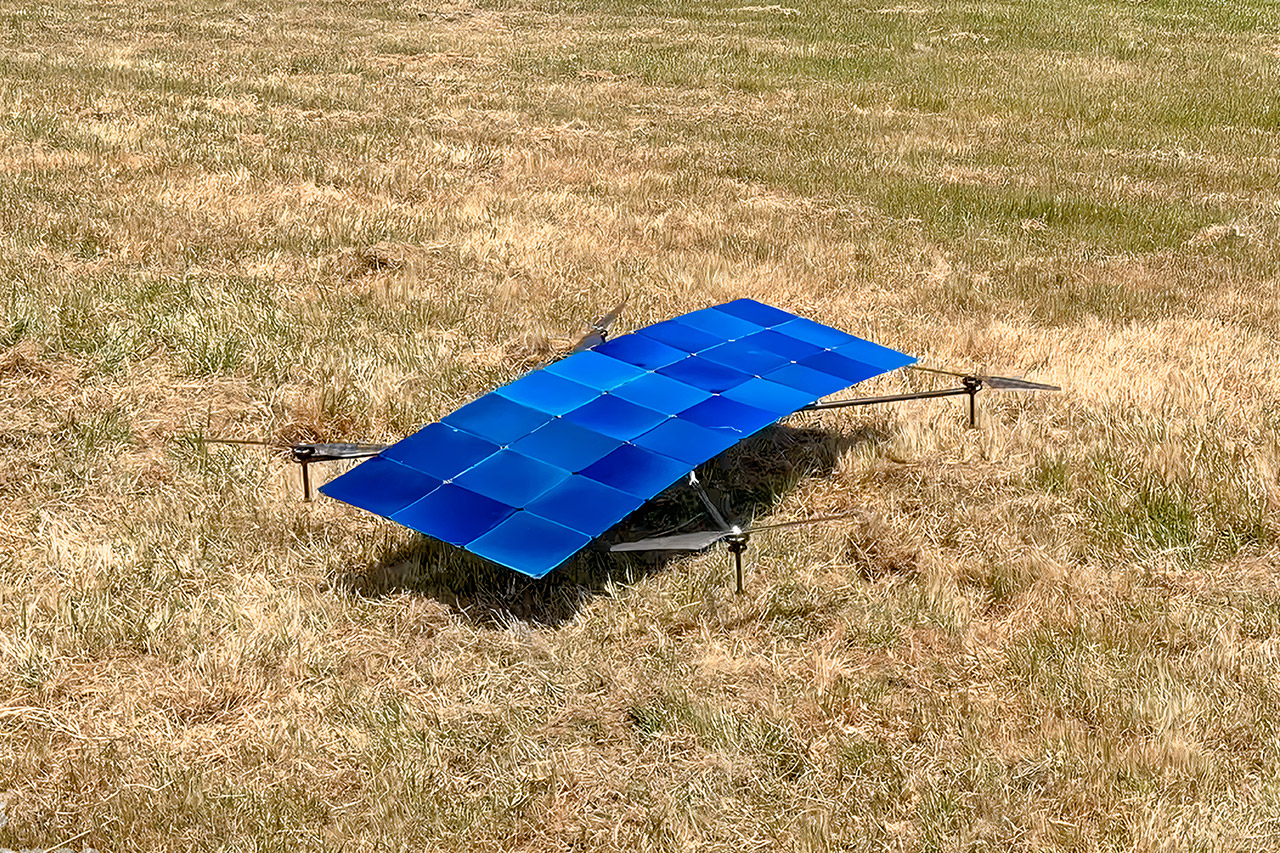
Luke Maximo Bell had been wondering for years whether a drone could fly indefinitely under the sun. He decided to build one to find out, a device that can fly without a battery and draws all of its power from the solar panels on its back.
Bell broke the project into two clear stages. First he built a drone frame that wasted no energy. Second he wired solar cells to feed it. Only after both parts worked did he join them. Efficiency was the rule. He chose T-Motor Antigravity MN4004 motors at 300kv for their light weight and low draw. 18-inch carbon fiber propellers from the same company spin slowly to push air with minimal power. Carbon fiber tubes form the arms, kept slim at 14mm. Custom 3D printed clamps in PA6-CF filament lock motors to tubes without extra bulk. A central hub overlaps the arms and bolts them tight. Extended motor mounts double as landing legs, saving grams that would otherwise drag the craft down.

- Due to platform compatibility issue, the DJI Fly app has been removed from Google Play. DJI Neo must be activated in the DJI Fly App, to ensure a...
- Lightweight and Regulation Friendly - At just 135g, this drone with camera for adults 4K may be even lighter than your phone and does not require FAA...
- Palm Takeoff & Landing, Go Controller-Free [1] - Neo takes off from your hand with just a push of a button. The safe and easy operation of this drone...
At takeoff, the motors generate 17 grams of lift per watt. Bell’s record-breaking drone achieves 0.7 grams per watt in comparison. This new design is 24 times more efficient. Tethered experiments on a beach field began hard, with oscillations necessitating lower gains and longer lines. Once calibrated, the drone hovered steadily and almost silently. Solar cells were next, and they needed to be treated cautiously. Bell ordered 100 bare panels, which were lightweight yet prone to cracking.
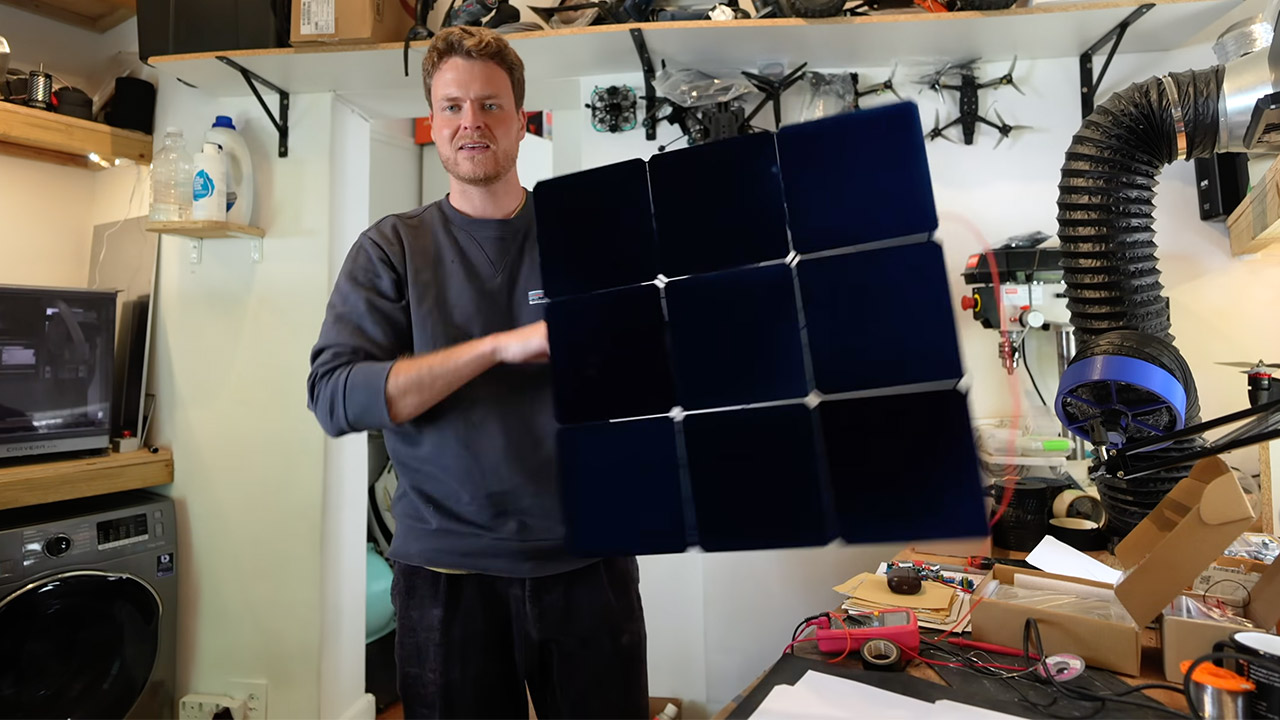
He wired them into arrays on a frame made of 3mm carbon tubes connected by flexible TPU printing. A 3×3 test grid generated 5 watts per cell in full sunlight. Even though the heat increased, scaling to 27 panels in series yielded 97 watts at 24 volts. Standoffs tilt the array 10 degrees, allowing forward flight to aim the panels directly toward the sun.
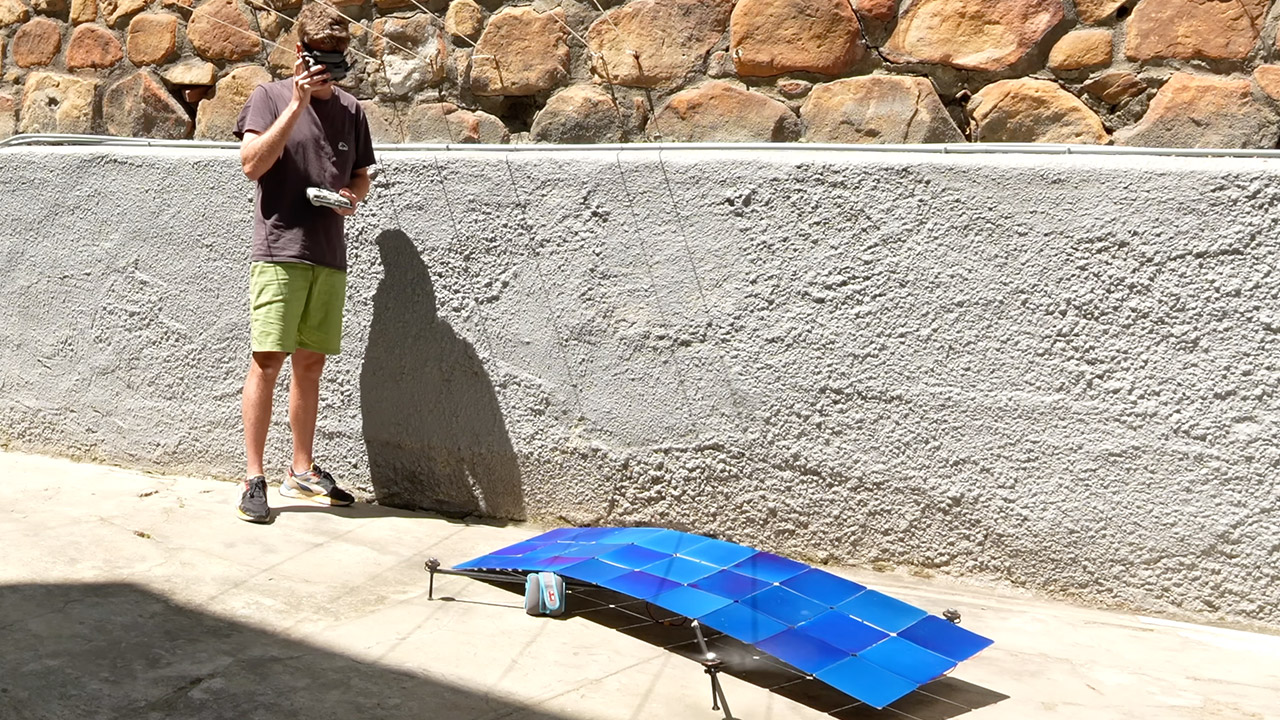
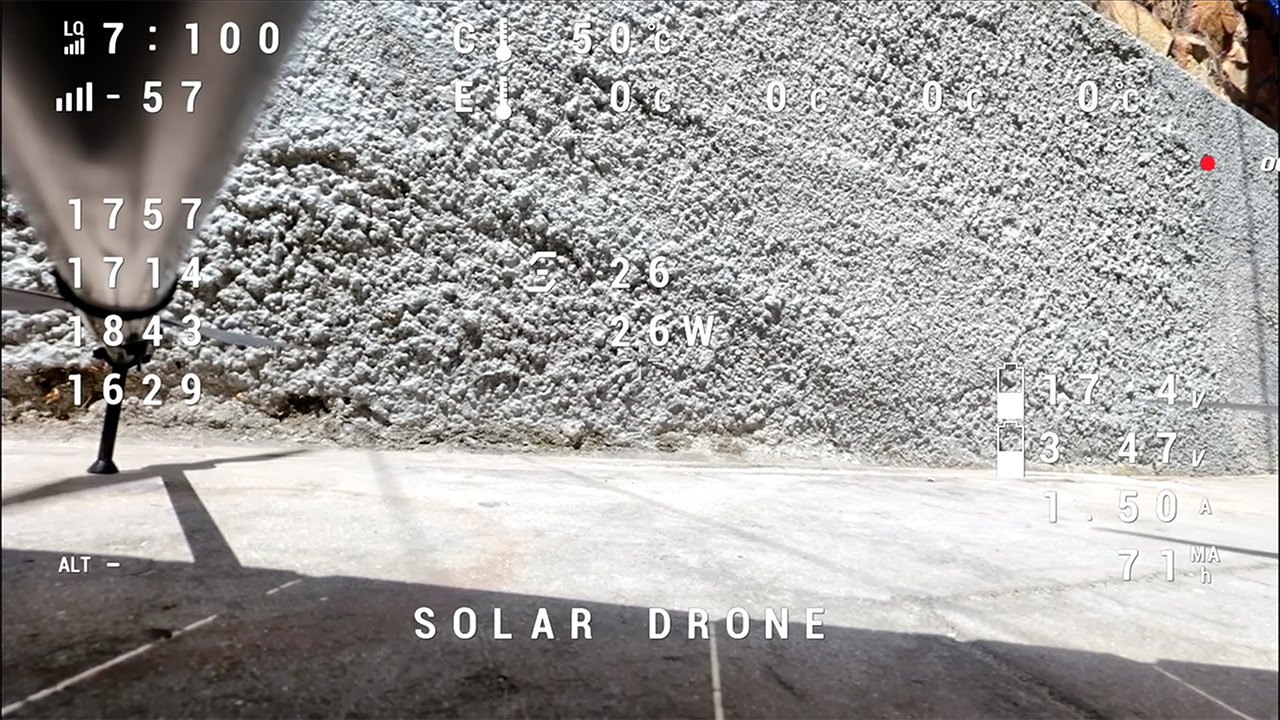
Assembly transformed the drone into a flying wing made of glass. The panels sagged at first, but the reinforcements held. Ground runs without a battery demonstrated promise. As the craft strained against its tethers, power increased to 150 watts. The drone flew without a battery or capacitors, relying solely on sunshine to power its motors and electronics. A tiny breeze shook it, yet the machine climbed and circled.
The total weight of the panels exceeded what any typical battery drone could carry, yet thrust margins allowed for control. Bell has already planned part two: additional panels, GPS, and autonomous code to break the record for the longest drone flight.