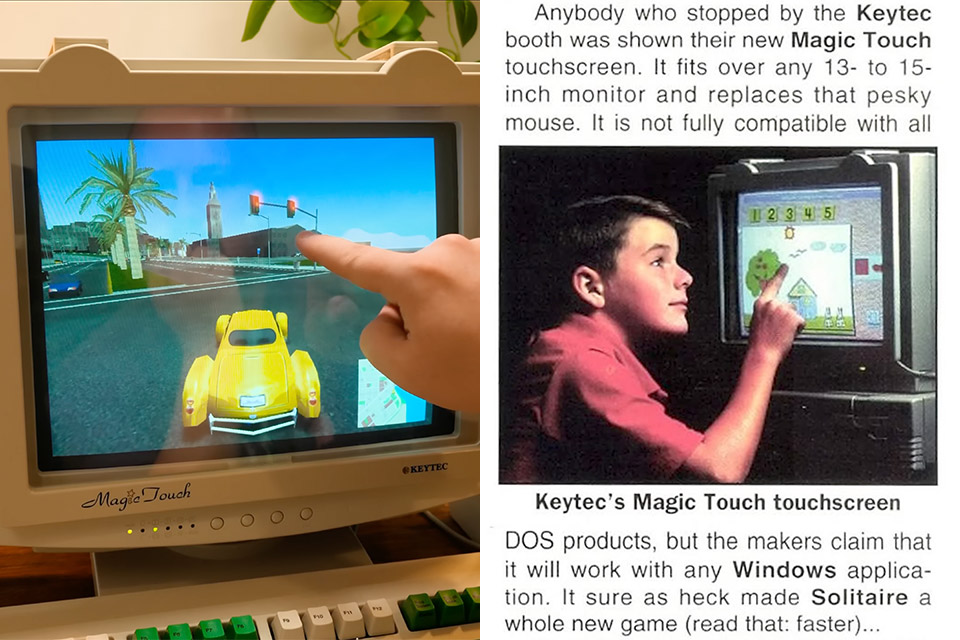
Keytec brought the Magic Touch to the 1994 Summer Consumer Electronics Show in Chicago. The Texas company, founded in 1987, offered a straightforward way to give standard CRT monitors and notebook screens touch input without replacing the entire display. At a moment when keyboards and mice defined personal computing, the idea of pressing a finger directly on the glass stood out as genuinely forward-looking.
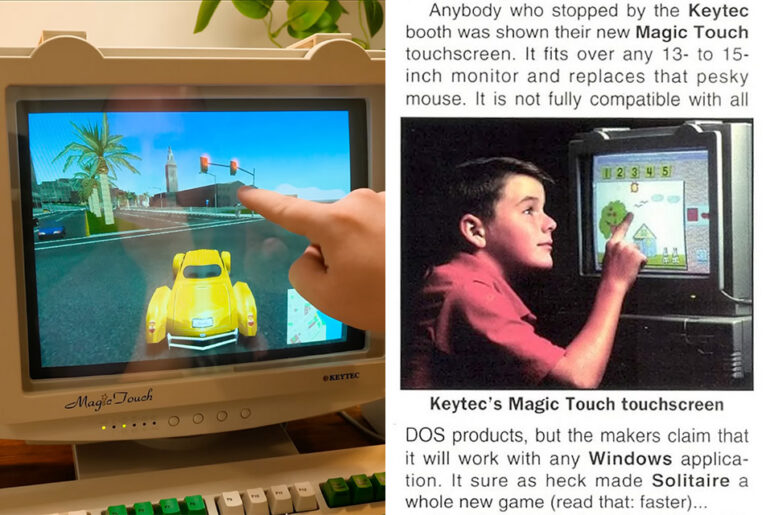
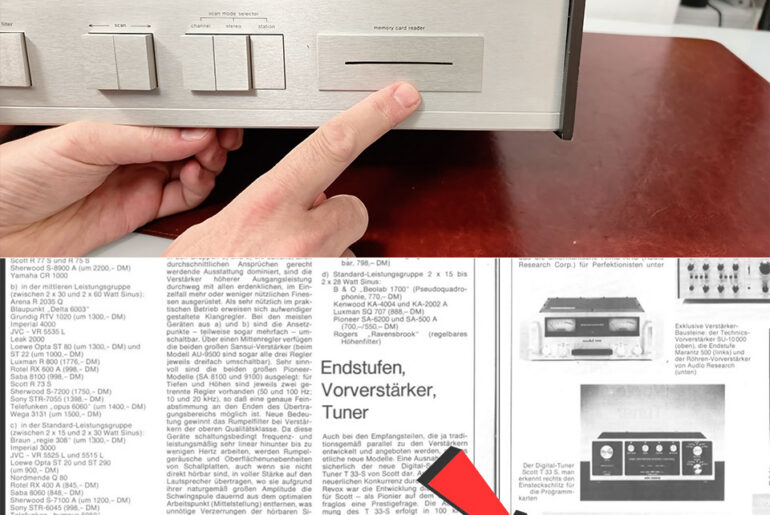
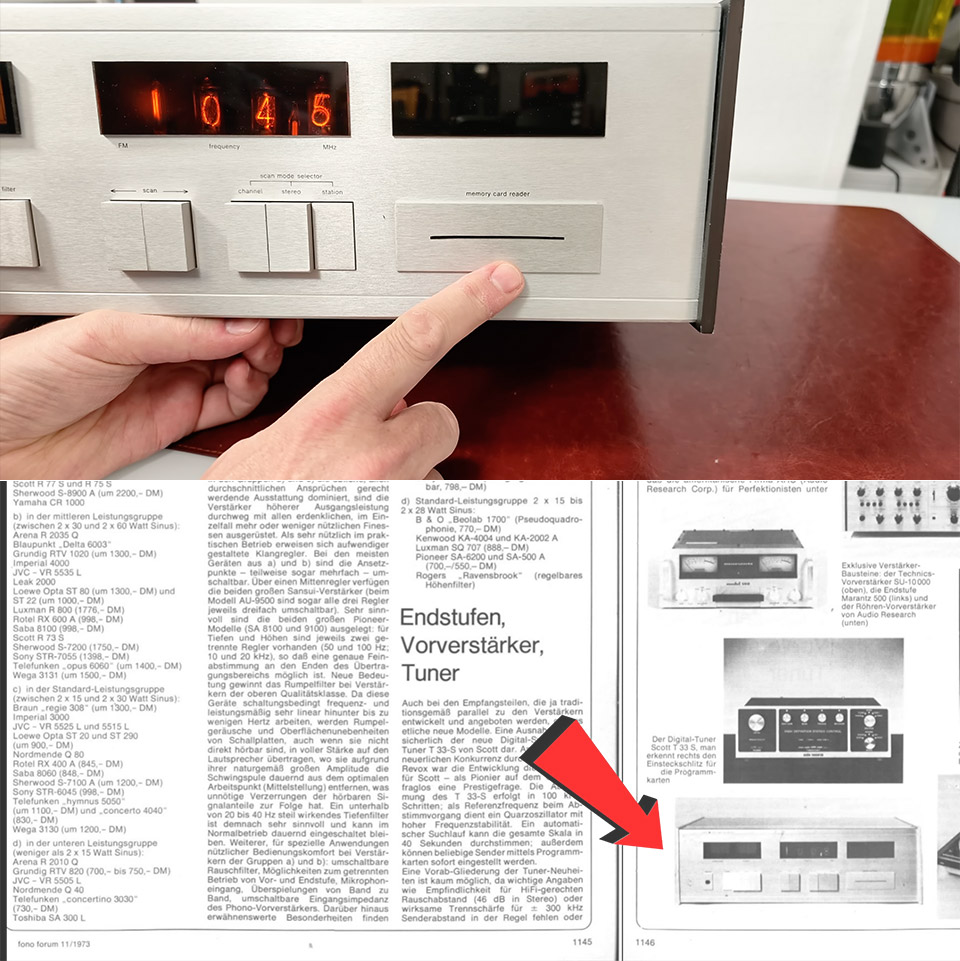
Most people who chase vintage audio gear talk about tubes, transformers, or the way certain tuners pull distant stations out of the noise. Few ever bring up an FM tuner whose most memorable feature was a thin slot on the front panel that accepted little cards punched with holes. The Scott T-33S, made between 1975 and 1977 in Maynard, Massachusetts, is one of those rare pieces. It arrived as the refined successor to the earlier Stereomaster 433, carrying forward a frequency synthesizer and Nixie-tube display while refining the one system that still feels almost alien today: station memory stored on physical punch cards.

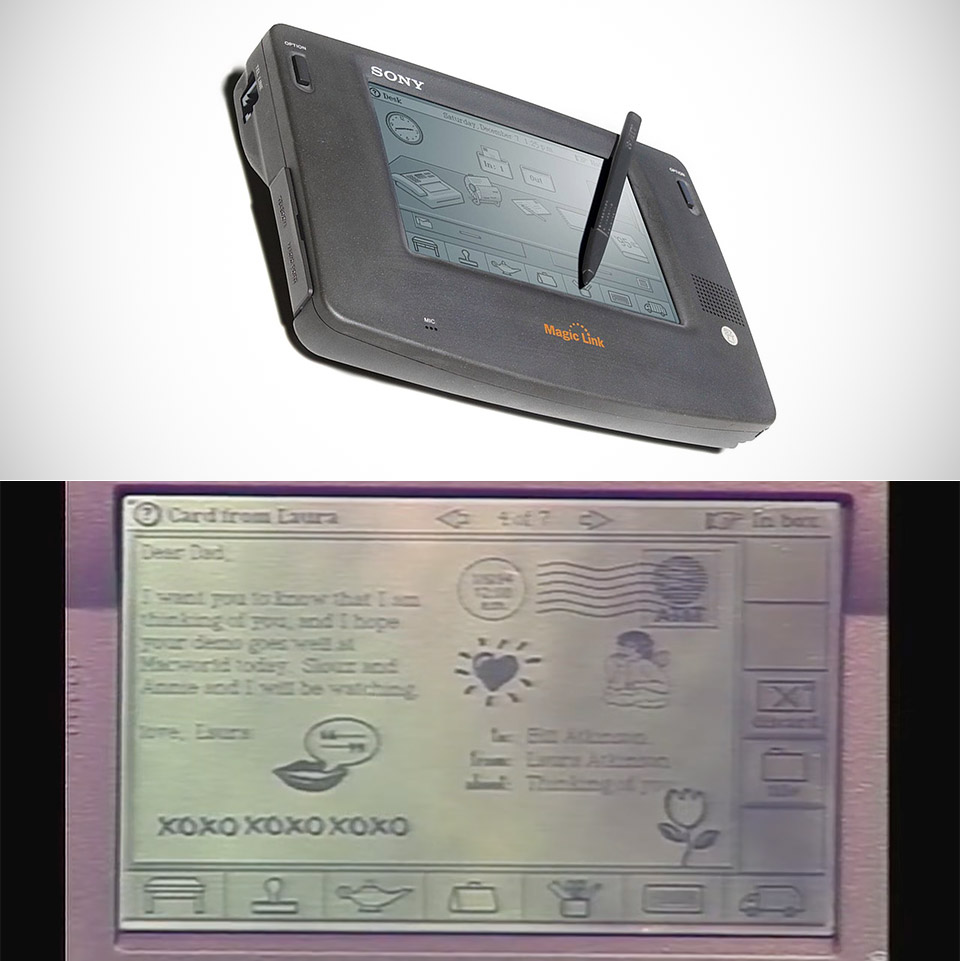
Marc Porat sat with a red notebook in 1989, drawing what no one else could see. A little rectangular piece of glass with a touch screen, phone, fax, messages, video, games, ticket purchases, and apps delivered over the air. He named it the Pocket Crystal. It would feel like a piece of jewelry you carried every day, something with the comfort of a seashell and the pull of a crystal. At Apple, where he worked, the idea landed with John Sculley. Resources stayed scarce. So in May 1990 the project left Cupertino and became its own company. Bill Atkinson and Andy Hertzfeld, two of the original Macintosh wizards, signed on. General Magic was born.

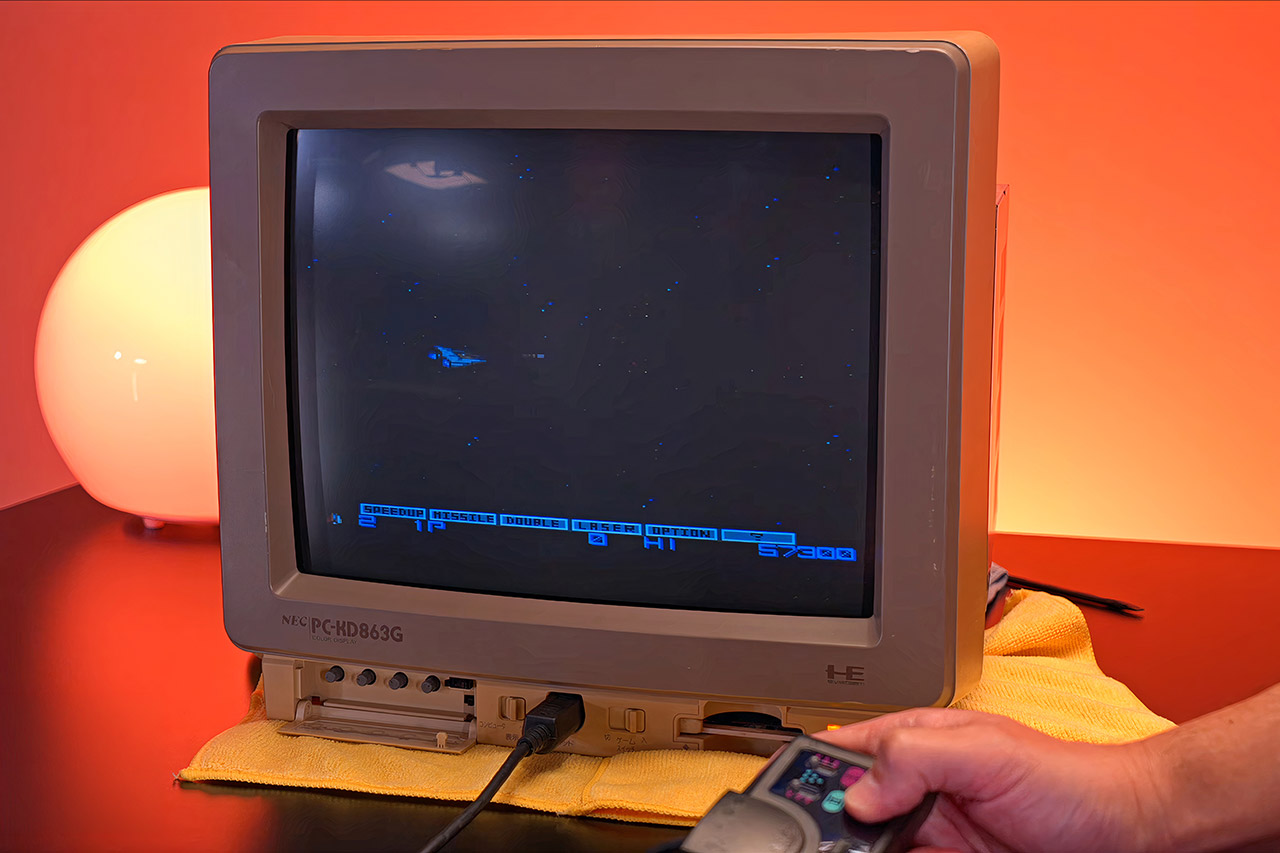
Back in 1988 most people bought a television and a game console as two separate purchases. NEC tried something different. The company released a 15-inch color CRT monitor that already contained a complete PC Engine console built into its lower section. Called the PC-KD863G, it launched on September 27 for 138,000 yen, a serious sum at the time that placed it well above the cost of a regular PC Engine plus a decent television.

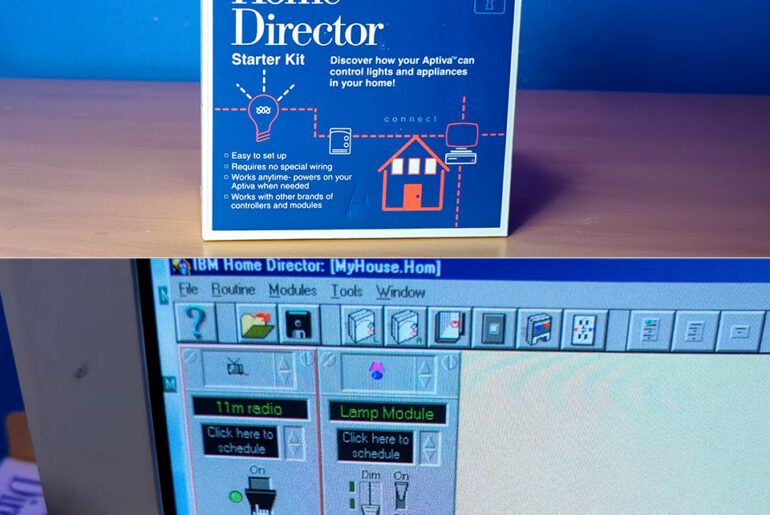
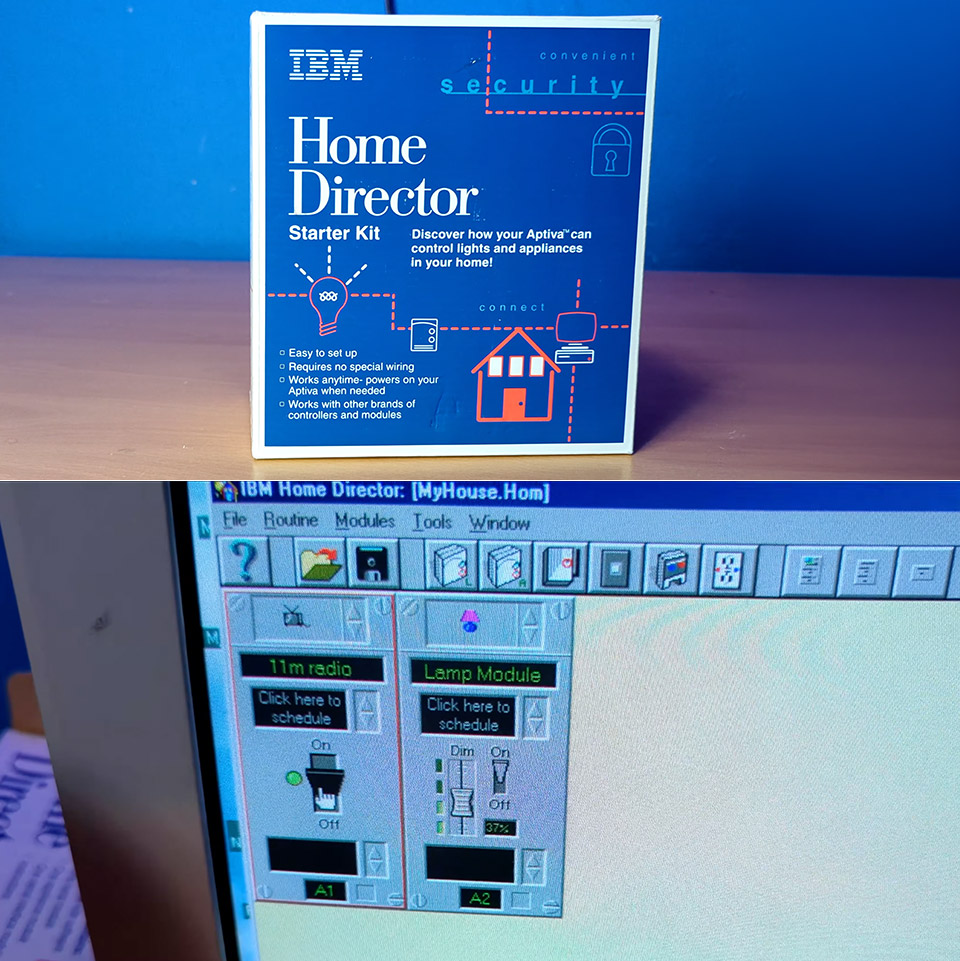
Personal computers had begun appearing in more homes by the middle of the 1990s. Most still served for work, games, or early internet browsing. IBM saw a chance to give those machines another job. The company introduced Home Director as a way for an Aptiva desktop to handle lights, appliances, and basic security routines without new wiring or professional help.

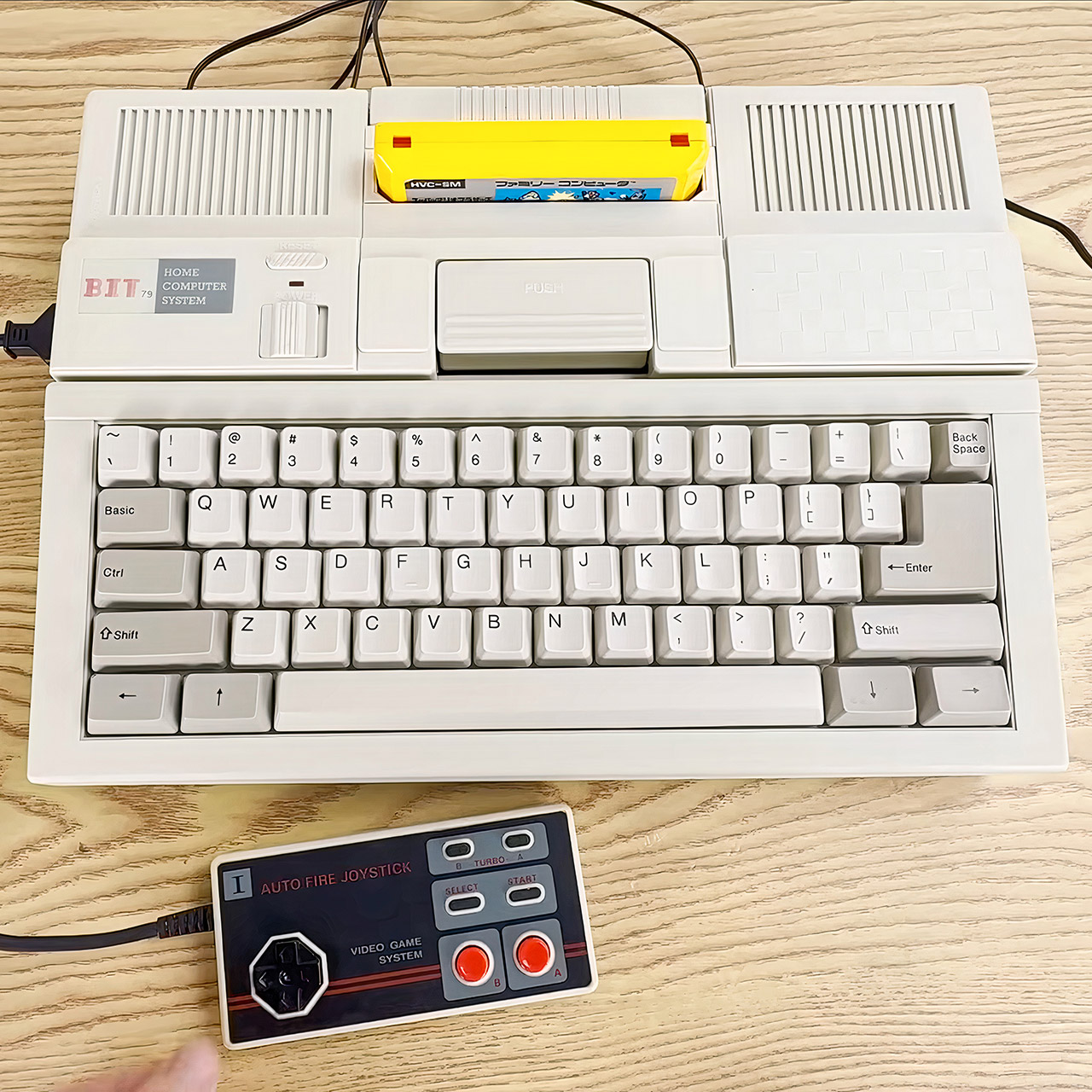
Bit Corporation released the Bit79 in 1989 as a machine that looked ready for serious work. The beige wedge-shaped case held a full keyboard across the front, a cartridge slot sat on top, and vents ran along the sides. Power and reset switches sat near the left edge. A person could sit down, flip the power on, and face a choice between typing programs or playing games.

Photo credit: Bot Junkie
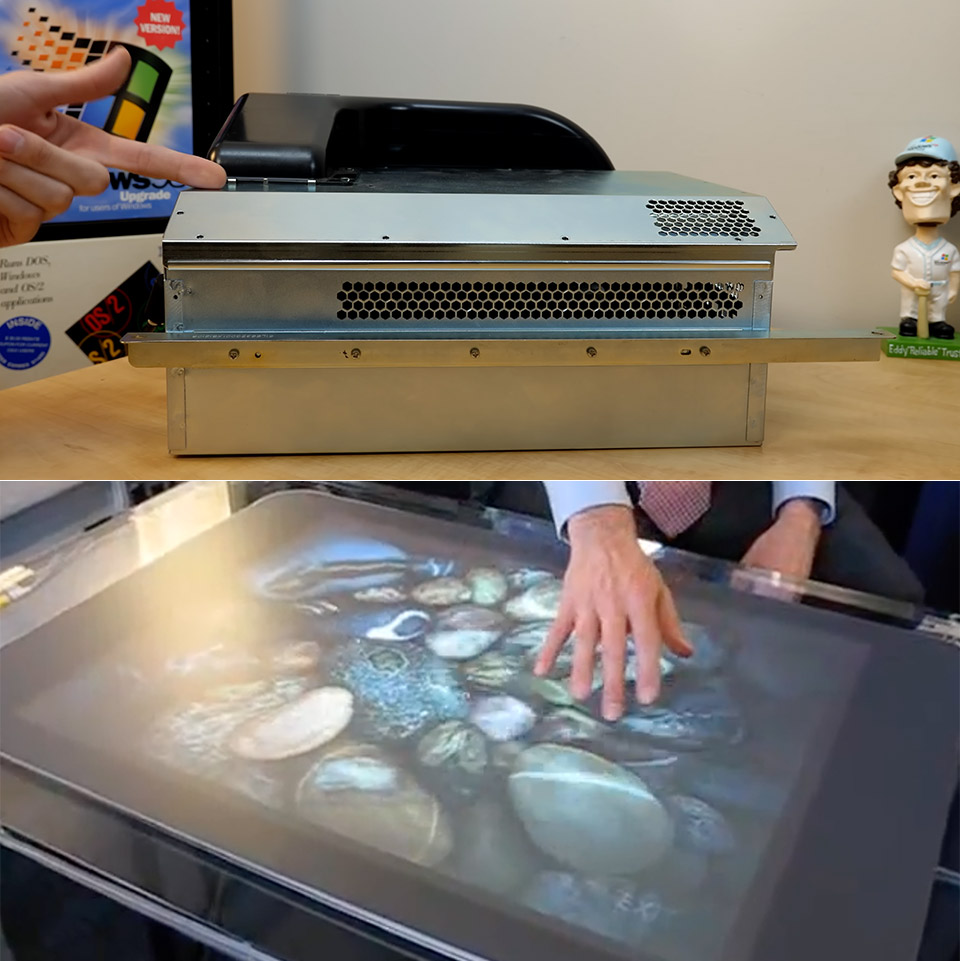
Michael MJD recently tracked down something most people never knew existed. Back in 2008 Microsoft released a giant touch table called Surface. It weighed close to 200 pounds, cost around $10,000, and turned an ordinary tabletop into a shared computer screen. The public saw the glowing surface and the wild multi-touch demos. What stayed hidden was the actual computer that made the whole thing work.

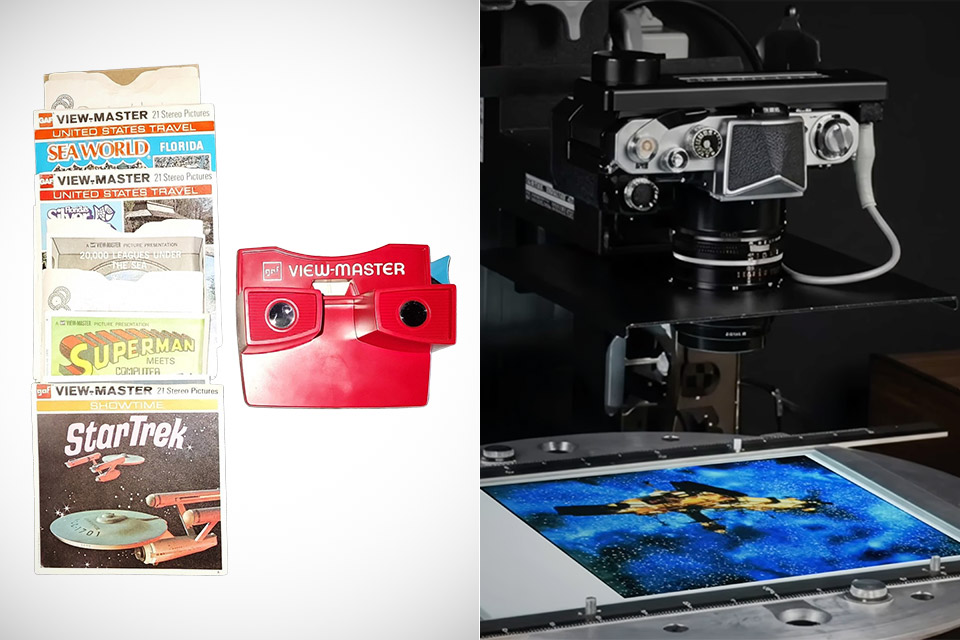
William Gruber tuned pianos and organs for a living in Portland, Oregon, yet he kept returning to one question in his spare time. How could someone bring the depth of real scenes to ordinary people without the heavy, expensive viewers that had dominated stereo photography since the 1800s? A moment spent cleaning his revolver supplied the missing piece.