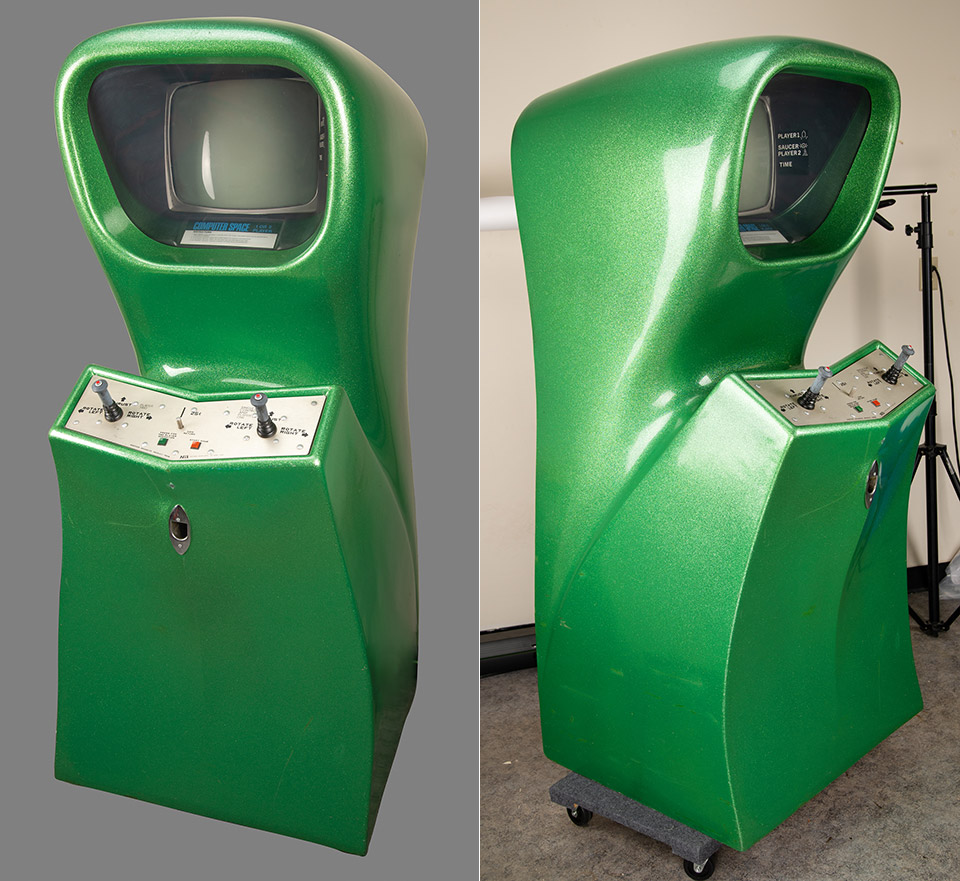
Nolan Bushnell and Ted Dabney spent months turning a mainframe curiosity into something that could sit in a bar and take quarters. Their 1971 creation, Computer Space, became the first coin-operated video game ever sold to the public. A rare two-player version of that same machine, finished in metallic green sparkle fiberglass and still working more than fifty years later, is now on the block at RR Auction with bids climbing toward an estimate north of $20,000.
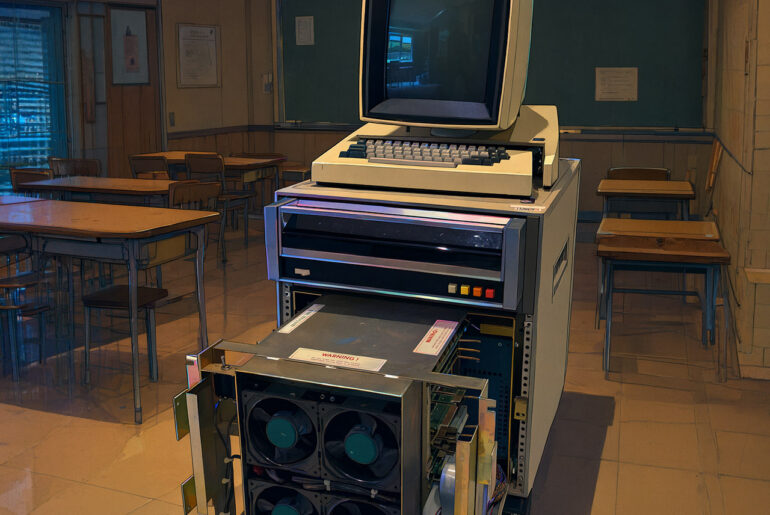
Photo credit: Righto
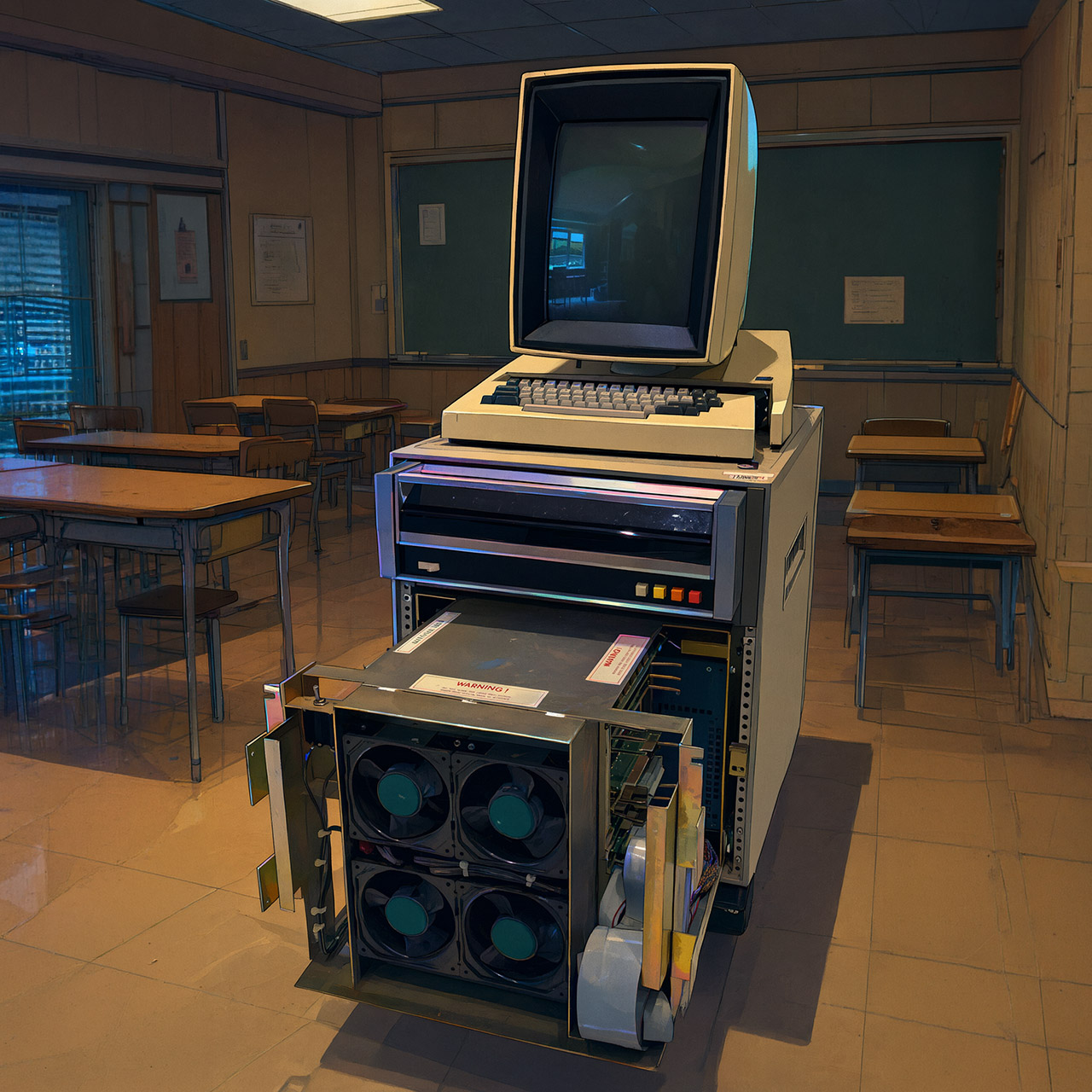
In late 1972 Butler Lampson sat down at Xerox PARC and wrote a short internal memo titled “Why Alto?” He wanted a machine each researcher could claim as their own. Alan Kay had been dreaming of a portable Dynabook for years. Lampson and Chuck Thacker offered him an interim version that would fit under a desk instead. Bob Taylor gave the project its name, and work began that November. By April 1973 the first unit was running, with a Sesame Street Cookie Monster test pattern appearing on its tall portrait screen.

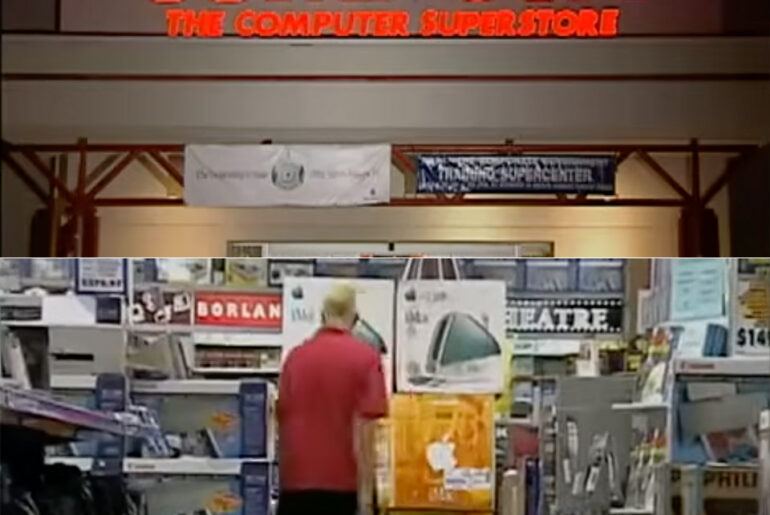
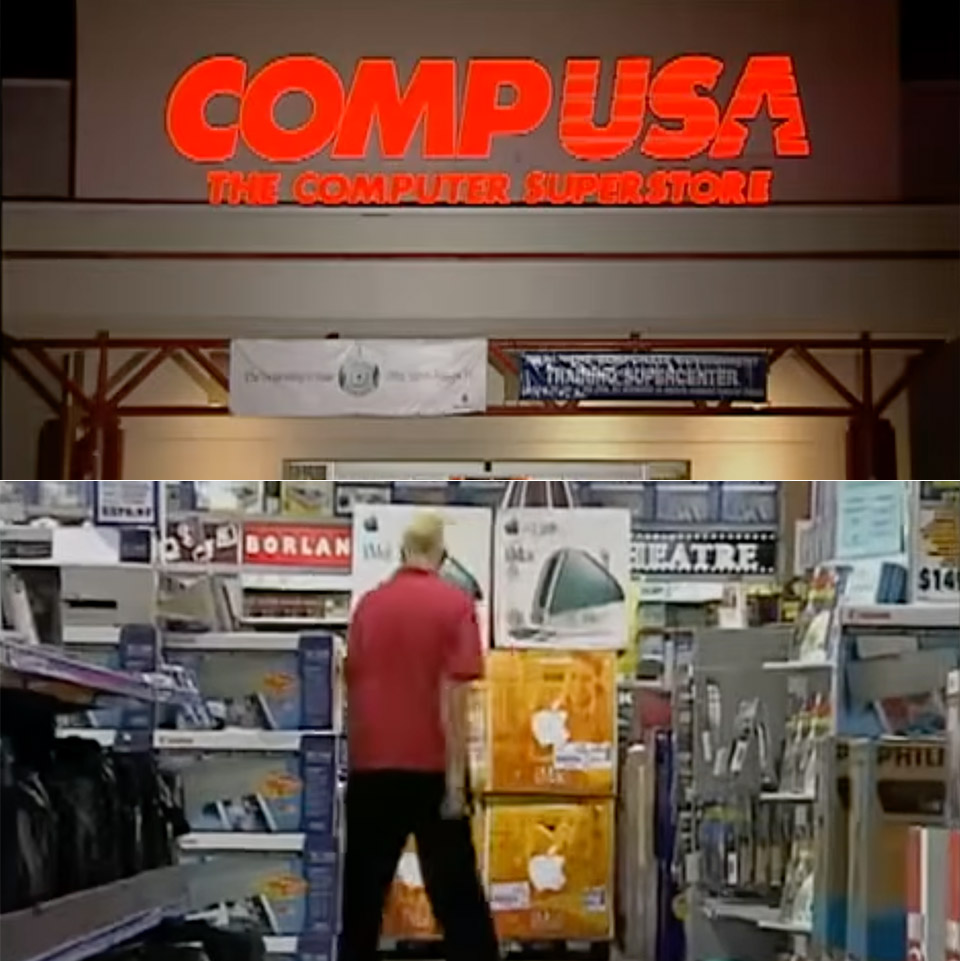
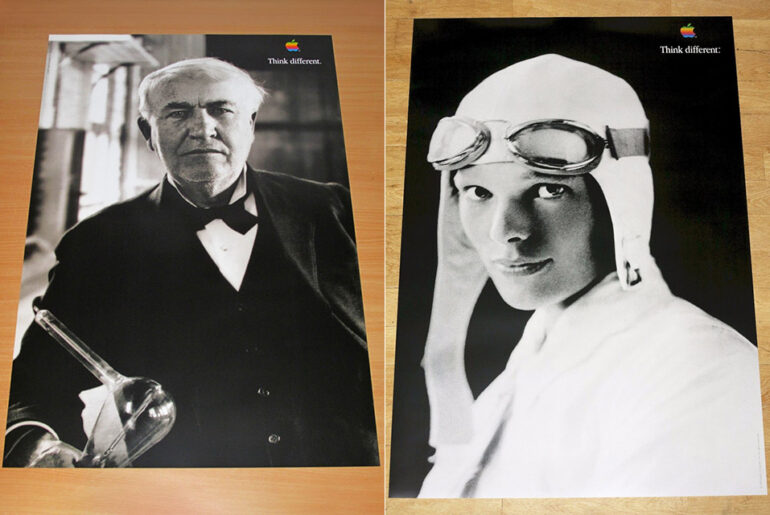
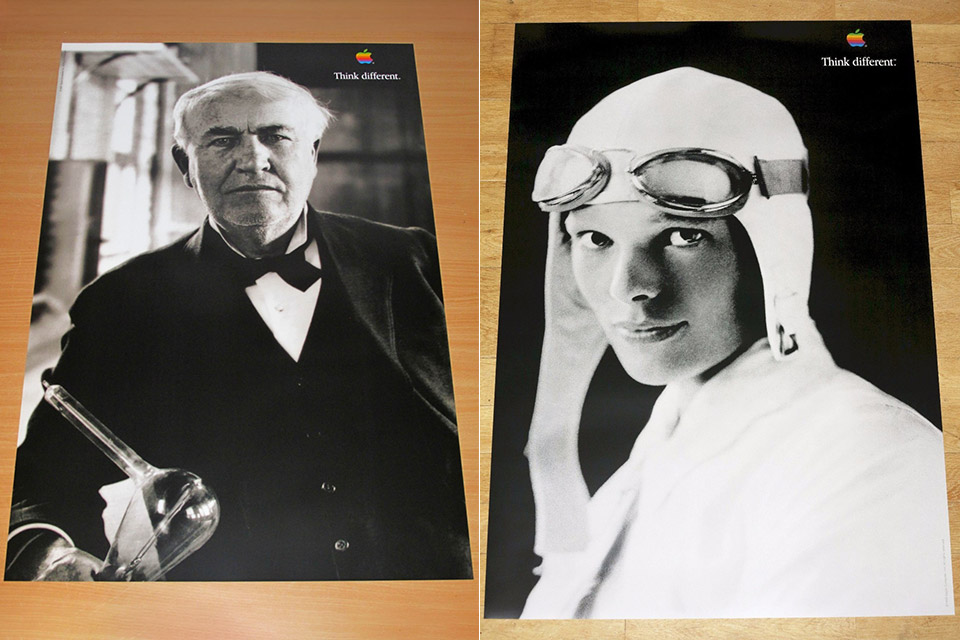
In the summer of 1997, Apple was running out of time. Cash on hand covered maybe ninety days of payroll. The company had burned through nearly two billion dollars in losses over the previous two years. Market share had collapsed. Talent was walking out the door. Rivals openly suggested shutting the whole thing down and returning the remaining money to shareholders. Steve Jobs had just returned after a twelve-year exile and the place he came back to felt exhausted.

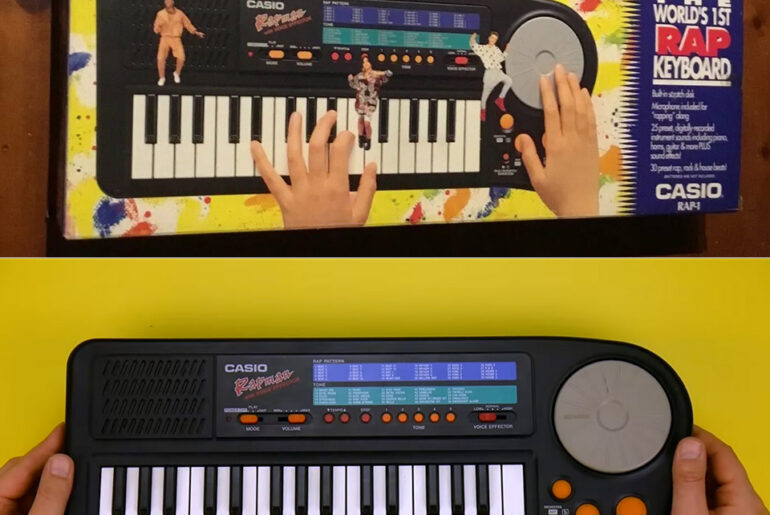
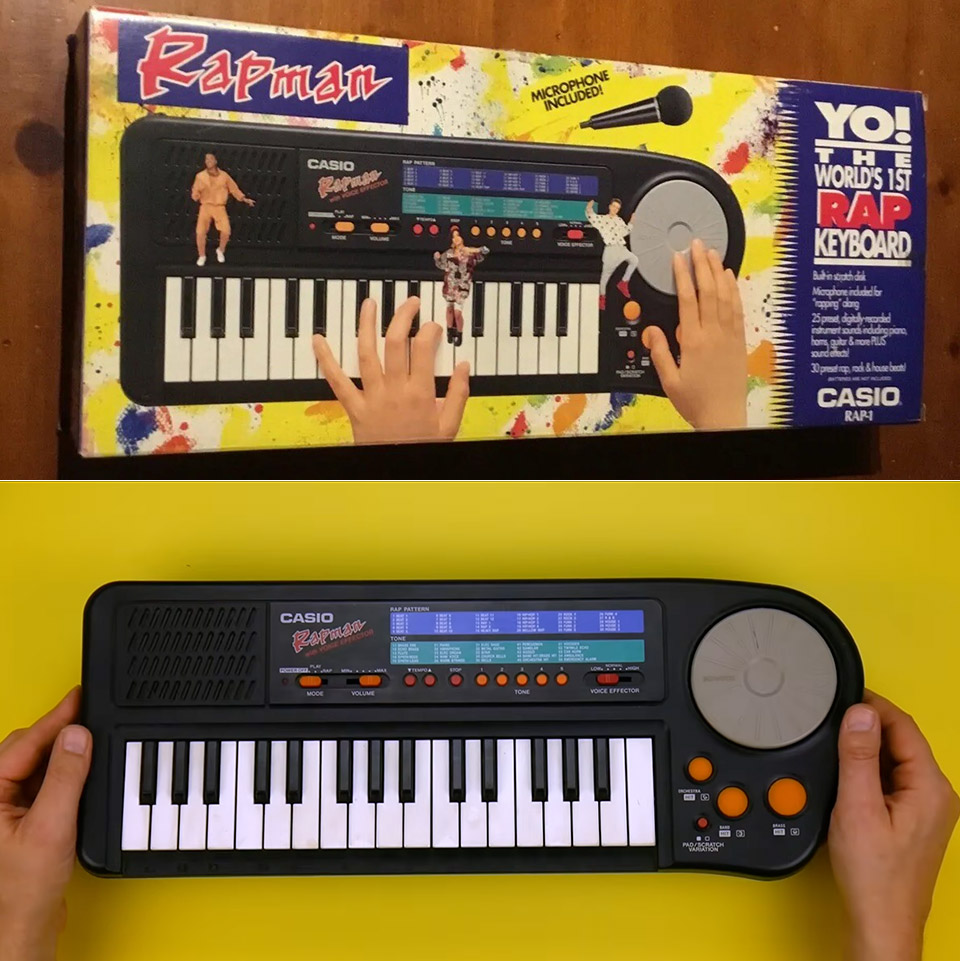
In 1991 hip-hop had moved from the margins into living rooms and shopping malls. MC Hammer and Vanilla Ice filled charts, Fresh Prince of Bel-Air played on television, and kids everywhere wanted to sound like the records. Casio answered with a plastic keyboard that claimed to do nearly everything a working rap group needed. They called it the Rapman, model RAP-1, and marketed it as the world’s first keyboard built specifically for rap.

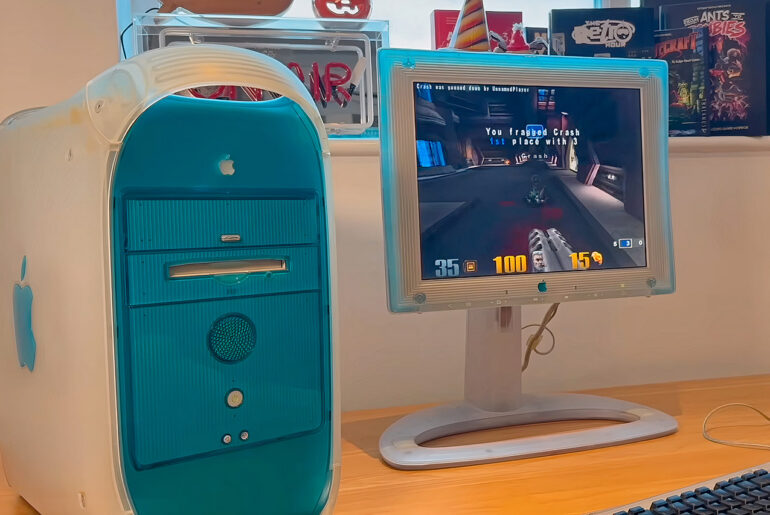
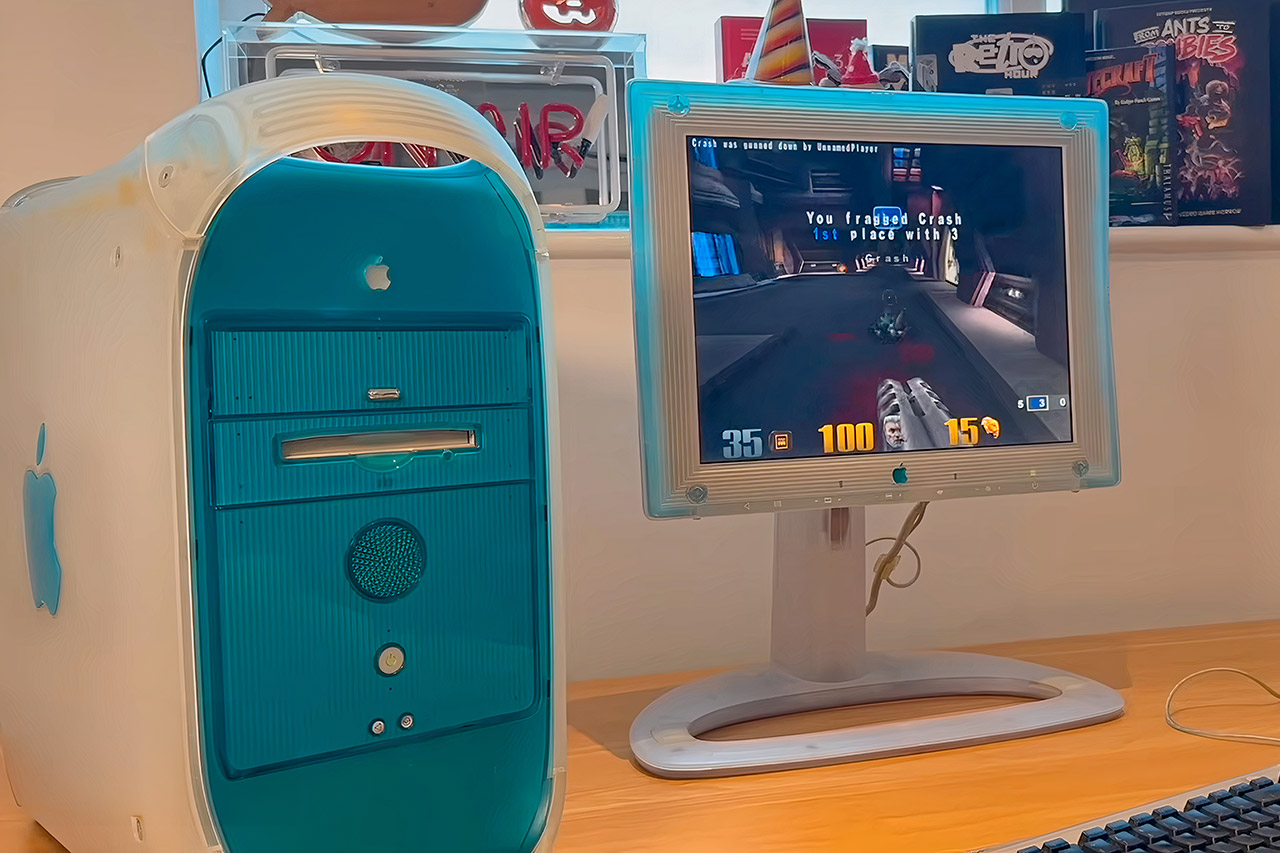
Dan Wood sat down with the same kind of machine that once filled university labs and design studios, the blue-and-white Power Mac G3, and rebuilt the exact setup he remembered from the early 2000s. Nearly three decades later the computer boots, runs its original software, and still feels purposeful in a way modern machines rarely do.

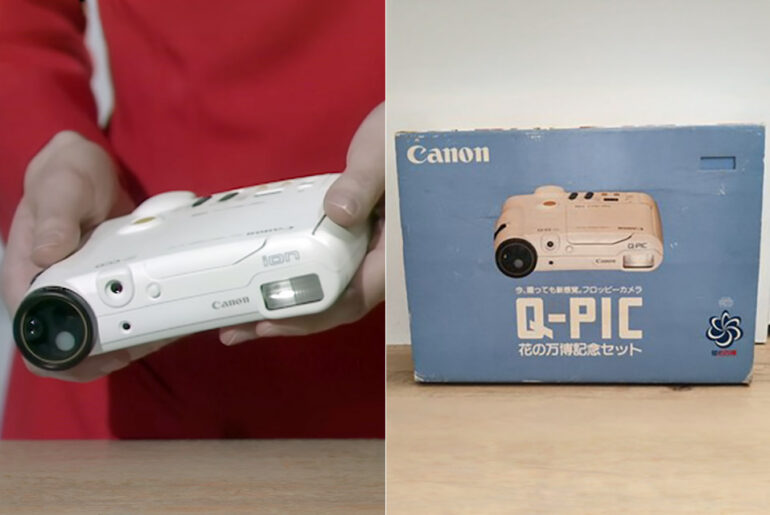
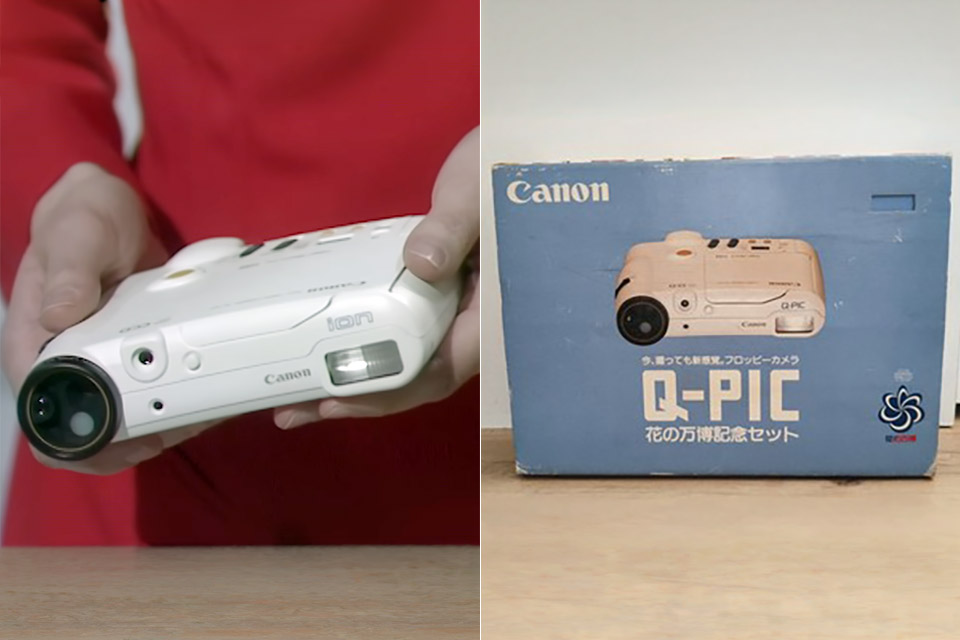
On a February evening in 1990, two presenters sat down with a stack of old reports and asked a simple question. What became of the cameras that were supposed to change photography forever? Peter Macann and Kate Bellingham pulled clips from the Tomorrow’s World archive and walked viewers through four ideas that had once looked like the next big thing. Some had already faded. One had quietly taken over. Another was still waiting for the rest of the technology to catch up.

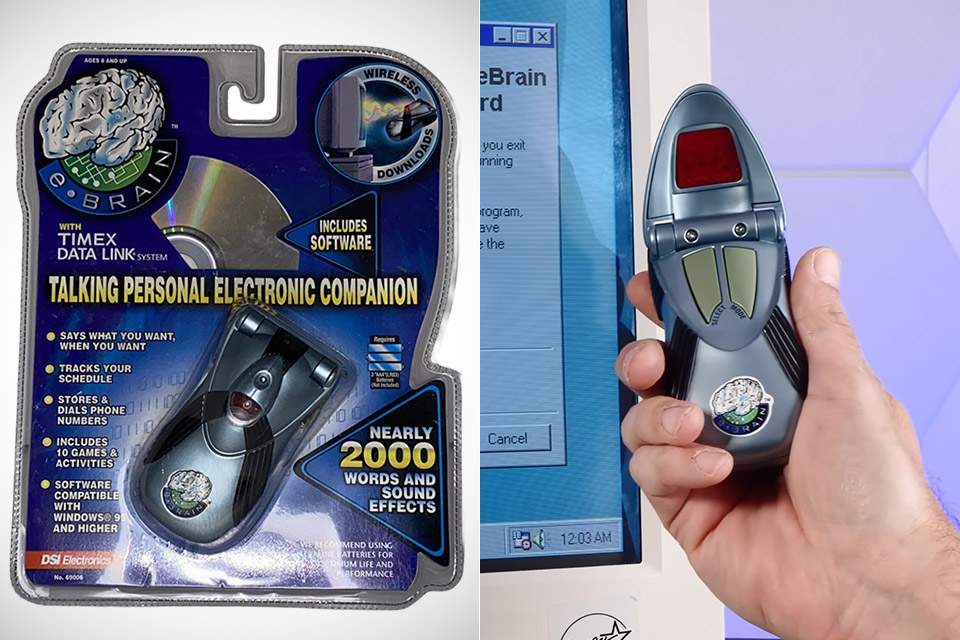
DSI Electronics put this thing out in 2001 and called it the eBrain Talking Personal Electronic Companion. Model 69006. Silver plastic shell that folds open like some kind of sci-fi prop from a low-budget space show. Three AAA batteries keep it alive. No internet connection of any kind. No cloud. Just a little speaker, some buttons for mode and select, and an optical sensor that only understands light patterns from a CRT monitor.

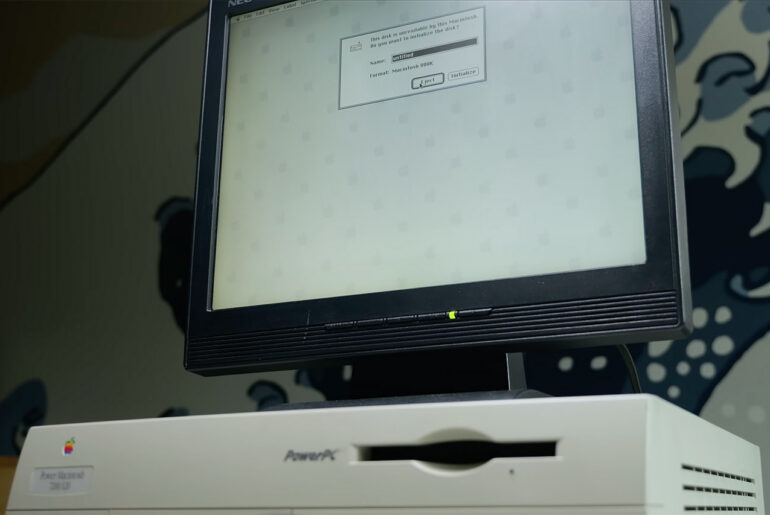
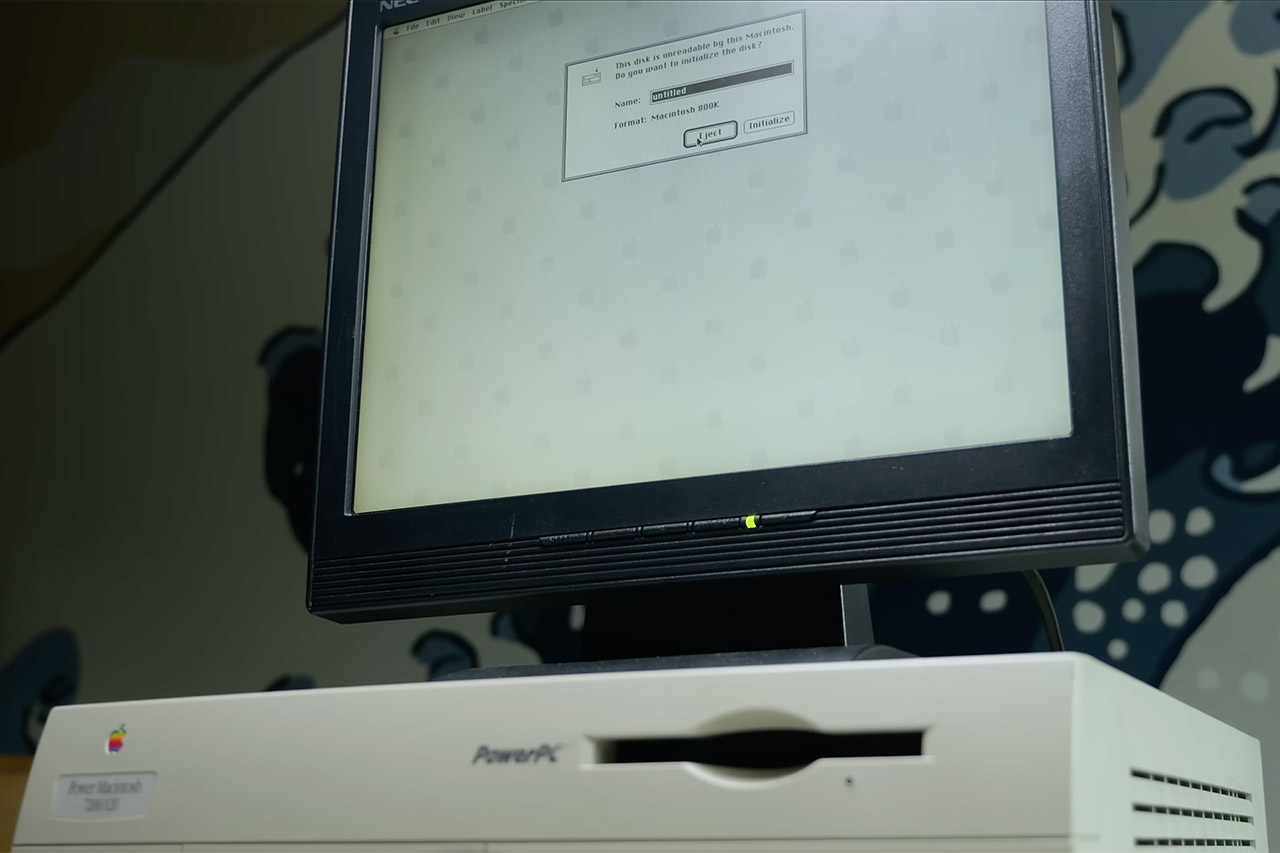
Apple released the Power Macintosh 7200 in August 1995 as its new entry-level professional machine. Priced around $1,700 for the base 75 MHz model, it arrived during a rough stretch for the company. Leadership changes, intense competition from Windows 95 PCs, and the messy early days of the PowerPC transition left many products looking compromised. The 7200 shared its “Outrigger” case with the higher-end 7500. It brought three PCI slots to the lower end of the lineup for the first time and offered built-in Ethernet with both 10BASE-T and AAUI ports.

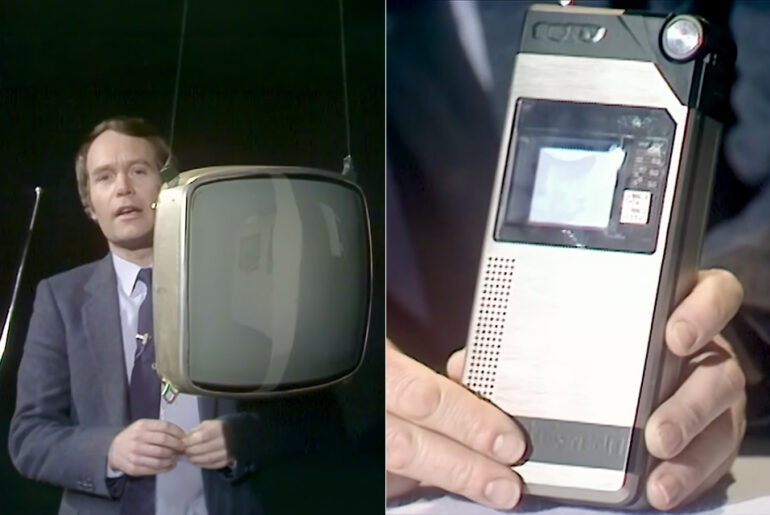
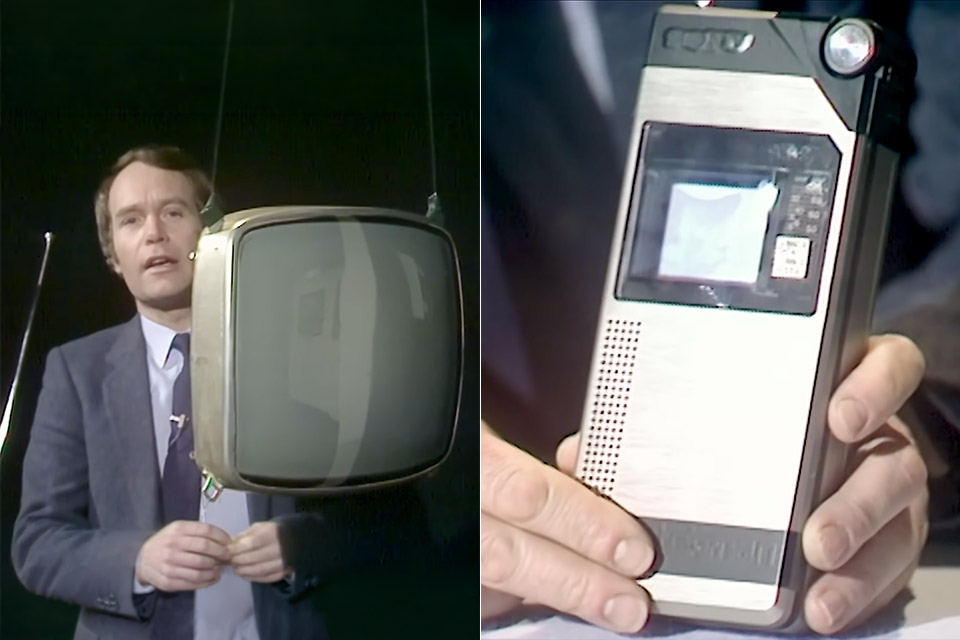
Viewers who caught the January 27, 1983 episode of BBC’s Tomorrow’s World saw presenter Peter Macann lay out real hardware that tried to solve an old complaint. Television sets of the day sat deep and heavy because their cathode ray tubes needed space for an electron gun to fire straight at the screen. Macann began with a plain observation: a set flat enough to hang on the wall like a picture would free up room and change how living spaces worked. The demonstration that followed showed both how close engineers had come and how many practical hurdles still stood in the way.